How Injectable Treatment Pricing Works

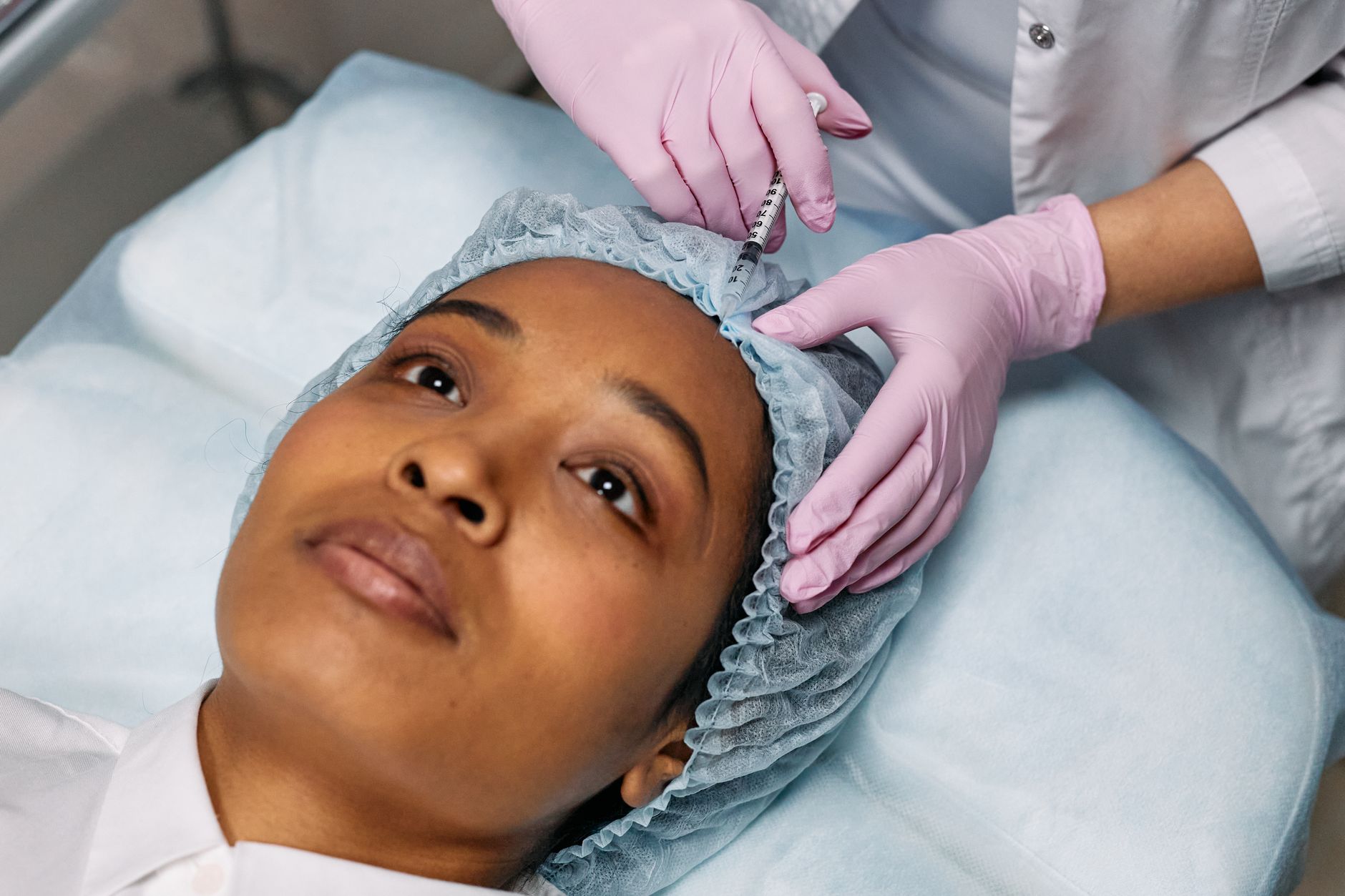
Injectable dermatology treatments use two primary pricing models that directly impact your final bill. Most providers charge either per unit (for treatments like Botox) or per syringe (for dermal fillers). Understanding this difference helps you budget accurately and avoid surprise costs.
Per-unit pricing applies to neurotoxin treatments where you pay for each unit of product used. A typical forehead treatment might require 15-25 units at $10-20 per unit. Dermal fillers follow per-syringe pricing, with most areas needing one full syringe costing $600-1,200 depending on the product type.
"The provider's experience level often determines whether you're paying premium prices for expert technique or finding value with newer practitioners building their portfolio."
Provider experience significantly influences treatment costs. Board-certified dermatologists and plastic surgeons typically charge 20-40% more than nurse injectors or physician assistants. However, experienced providers often achieve better results with fewer units or touch-up sessions, potentially saving money long-term while reducing your risk of complications or unsatisfactory outcomes.
Geographic location creates substantial price variations across the country. Manhattan or Beverly Hills practices charge double what you'd pay in smaller cities. For example, Botox units might cost $20 in Los Angeles versus $12 in Denver for identical treatments.
Many practices charge separate consultation fees ($50-200) that may or may not apply toward treatment costs. Touch-up appointments within 2-4 weeks are sometimes complimentary, but others charge reduced rates. Always clarify these additional fees upfront to avoid budget surprises when planning your treatment timeline.
Botox and Neuromodulator Costs
Botox pricing follows a per-unit model, with each unit typically costing between $10 and $20 at most dermatology practices. The total cost of your treatment depends on how many units your provider injects, which varies based on the treatment area and the strength of your facial muscles.
Popular treatment areas require different unit amounts. Forehead lines typically need 10-25 units, while crow's feet around the eyes require 12-24 units per side. Frown lines between the eyebrows usually need 20-30 units for effective smoothing. A comprehensive treatment addressing all three areas often uses 50-70 total units.
Dysport and Xeomin offer alternatives to Botox with slightly different pricing structures. Dysport costs $4-6 per unit but requires more units to achieve similar results—typically 2.5 to 3 times the Botox amount. This means treating crow's feet might need 30-36 Dysport units versus 12-15 Botox units. Xeomin pricing closely matches Botox at $10-18 per unit with comparable unit requirements.
"Understanding the per-unit pricing model helps you budget accurately and compare providers fairly."
Treatment frequency significantly impacts your annual investment. Neuromodulator effects last 3-4 months on average, meaning most patients need treatments three times per year. If your single treatment costs $800, expect to spend $2,400 annually on maintenance. Some patients extend results to 4-5 months with regular treatments, reducing yearly costs to $1,600-2,000.
First-time patients often start with conservative doses to assess muscle response and avoid the temporary drooping that causes social embarrassment. Your provider can increase units in follow-up appointments if needed, ensuring natural-looking results while building your confidence in the treatment process.
Dermal Filler Investment Breakdown

Dermal fillers represent a more significant financial commitment than neuromodulators, with hyaluronic acid fillers ranging from $600 to $1,200 per syringe. This wide price range depends on brand reputation, clinic location, and provider expertise. Understanding these cost variations helps you budget appropriately for your treatment goals.
Premium brands like Juvederm and Restylane typically cost $800-$1,200 per syringe, while standard hyaluronic acid fillers range from $600-$800. The price difference reflects advanced manufacturing processes and clinical research, but both categories deliver effective results when administered properly by qualified professionals.
Treatment areas significantly impact your total investment. Lip enhancement usually requires one syringe costing $600-$900, while cheek augmentation often needs two to three syringes totaling $1,800-$3,600. Nasolabial folds typically require one to two syringes, bringing costs to $1,200-$2,400 for comprehensive correction.
Filler longevity directly affects cost-effectiveness calculations. Most hyaluronic acid fillers last 12-18 months, making annual maintenance costs predictable. For example, spending $1,800 on cheek fillers that last 15 months equals $120 monthly for enhanced facial volume. This perspective helps evaluate whether the investment aligns with your aesthetic priorities and budget constraints.
Many practices offer package deals combining multiple areas or provide loyalty programs for returning patients. These arrangements can reduce per-syringe costs by 10-20%. While the initial investment feels substantial, remember that quality filler treatments carry minimal risk of permanent complications when performed correctly, addressing concerns about lasting negative effects from aesthetic procedures.
Specialized Injectable Treatment Costs
Beyond traditional dermal fillers, several specialized injectable treatments target specific concerns with distinct pricing structures. These procedures often require multiple sessions and represent a significant investment in achieving your desired results.
Kybella, the FDA-approved injectable for submental fat reduction, costs $1,200-1,800 per session. Most patients need 2-4 treatments spaced six weeks apart to see meaningful results. The total investment typically ranges from $2,400-7,200, making it comparable to surgical alternatives but with less downtime.
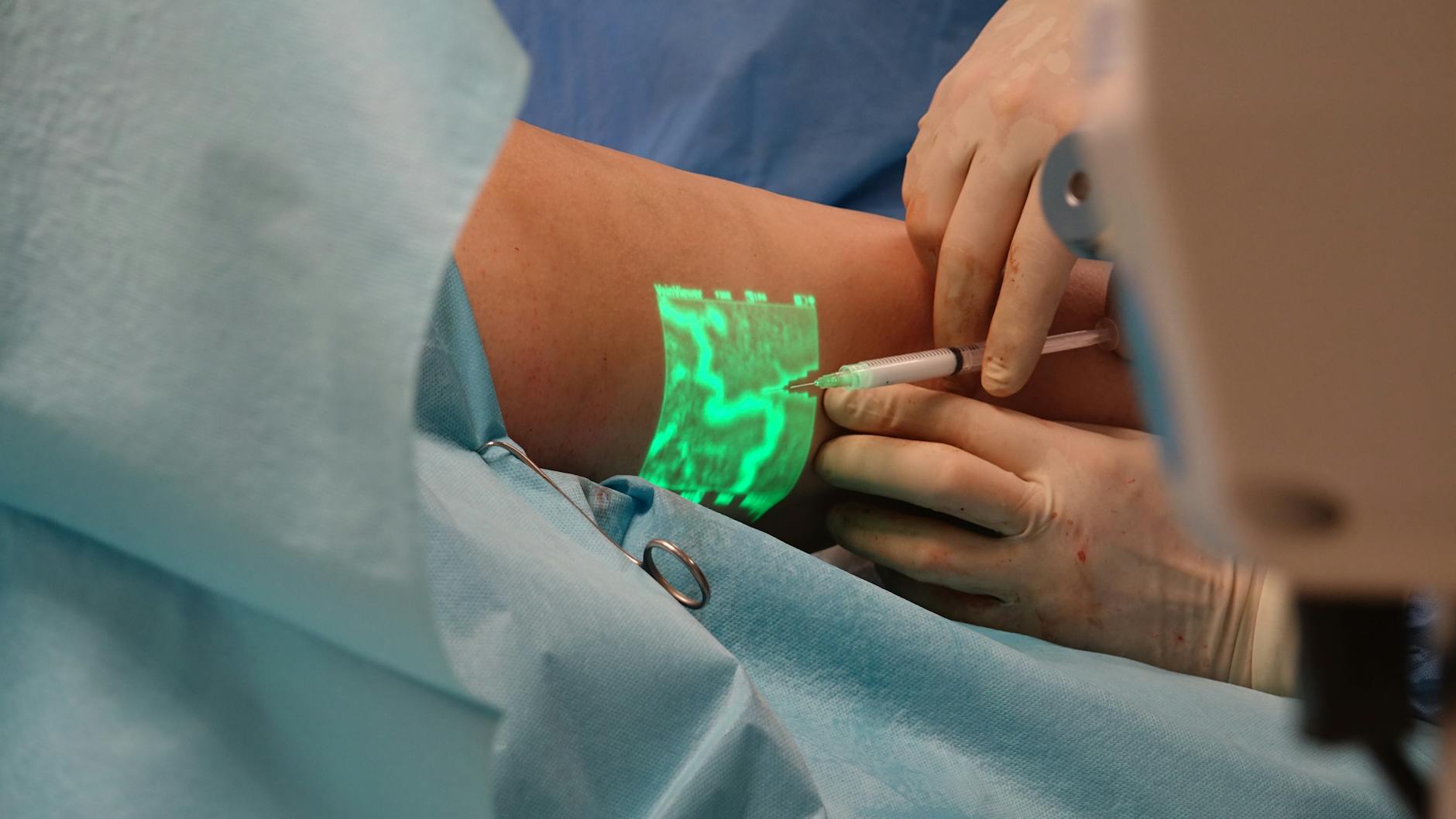
Sclerotherapy for spider veins runs $300-500 per session, depending on the treatment area size and vein complexity. Leg treatments typically cost more than facial spider veins due to the larger surface area. Most patients require 2-3 sessions for optimal results, with treatments spaced 4-6 weeks apart.
Cortisone injections for acne cysts or keloid scars cost $100-300 per injection. These quick procedures offer immediate relief from painful, inflamed lesions without the risk of permanent scarring that comes from picking or squeezing. Many patients see dramatic improvement within 24-48 hours, making this an excellent option for urgent breakouts before important events.
Geographic location significantly impacts pricing for all specialized injectables. Urban centers typically charge 20-40% more than suburban practices, while board-certified dermatologists generally cost more than medical spas but offer superior expertise for complex cases.
Insurance Coverage and Payment Options
Understanding payment options can make injectable treatments more accessible, especially when you're worried about costs affecting your treatment timeline. The key distinction lies between medical necessity and cosmetic enhancement.
Insurance typically covers injectable treatments when they address medical conditions. Cortisone injections for cystic acne or keloid scars usually qualify for coverage since they treat inflammatory skin conditions. Sclerotherapy for spider veins may receive partial coverage if the veins cause pain or circulation issues. However, purely cosmetic treatments like Kybella for double chin reduction rarely qualify for insurance reimbursement.
Health Savings Accounts (HSA) and Flexible Spending Accounts (FSA) offer tax advantages for qualifying medical treatments. You can use these accounts for medically necessary injectable treatments, but cosmetic procedures typically don't qualify unless they address a documented medical condition.
Many dermatology practices offer financing programs through companies like CareCredit or Cherry. These programs provide monthly payment plans, often with promotional interest-free periods ranging from six to twelve months. Some providers offer package deals when you book multiple sessions upfront, reducing per-treatment costs by 10-15%.
Loyalty programs reward returning patients with discounted rates or points toward future treatments. For example, some practices offer every fourth Botox session at half price for regular patients, making consistent treatment more affordable while preventing future breakout concerns.
Hidden Costs and Budget Planning

Injectable treatments come with hidden expenses that can quickly inflate your budget beyond the advertised procedure price. Initial consultation fees range from $50-200 and aren't always applied toward treatment costs. Many providers require separate consultations even if you've already decided on a specific procedure.
Touch-up sessions represent the biggest surprise expense for most patients. Botox typically requires maintenance every 3-4 months, while dermal fillers need refreshing every 6-18 months depending on the product type. These aren't optional - they're essential for maintaining results. Plan to spend 60-80% of your initial treatment cost annually on maintenance.
Combining treatments often costs more upfront but delivers better value long-term. Many patients pair injectable treatments with Chemical Peels to address both volume loss and skin texture issues. While bundling saves 10-15% compared to separate procedures, the combined cost still exceeds most single-treatment budgets.
Create a realistic 12-month treatment budget that includes your initial procedure, at least two maintenance sessions, and potential combination treatments. Factor in skincare products recommended for optimal results, which typically cost $100-300 quarterly. This comprehensive approach prevents the disappointment of incomplete treatment cycles that won't deliver the clear, smooth skin you're seeking.
Getting the Best Value for Your Investment
Your choice of provider matters more than finding the cheapest price. Board-certified dermatologists may charge $100-200 more per session than medical spas, but their expertise reduces your risk of complications, scarring, or needing corrective treatments that cost thousands more later.
Smart timing can slash your costs significantly. Many practices offer 15-30% discounts during slower months like January and February. Some providers bundle multiple sessions at reduced rates or offer loyalty programs for returning patients. Ask about package deals when booking your consultation.
Sometimes paying more upfront saves money long-term. Higher-end clinics often use newer technology that requires fewer sessions to achieve results. For example, spending $400 per laser session at a premium clinic might clear your skin in four treatments, while a $250 budget option could take eight sessions.
Red flags for pricing that seems too good to be true include providers offering treatments 50% below market rate, unlicensed technicians performing procedures, or practices that won't show before-and-after photos. These bargain treatments often lead to poor results or complications requiring expensive corrective work.
Research your provider's credentials, read patient reviews, and schedule consultations at multiple clinics. The cheapest option rarely delivers the clear, healthy skin you're seeking without risking the scarring you want to avoid.
Invest in qualified providers and proven treatments rather than chasing the lowest price to achieve lasting results safely.
Frequently Asked Questions
How much does Botox cost per unit?
Botox typically costs between $10 and $20 per unit at most dermatology practices. The total cost depends on how many units you need, which varies based on the treatment area and your facial muscle strength.
How many units of Botox do I need for my forehead?
Forehead lines typically require 10-25 units of Botox for effective treatment. The exact number depends on the strength of your facial muscles and the extent of the lines you want to address.
What's the difference between per-unit and per-syringe pricing?
Per-unit pricing applies to neurotoxin treatments like Botox where you pay for each unit used, typically $10-20 per unit. Per-syringe pricing is used for dermal fillers, with most areas needing one full syringe costing $600-1,200 depending on the product type.
How often do I need Botox treatments?
Neuromodulator effects typically last 3-4 months, meaning most patients need treatments three times per year. Some patients can extend results to 4-5 months with regular treatments, reducing the frequency of appointments.
Why do injectable prices vary so much between providers?
Provider experience significantly influences costs, with board-certified dermatologists and plastic surgeons typically charging 20-40% more than nurse injectors. Geographic location also creates substantial price variations, with practices in Manhattan or Beverly Hills charging double what you'd pay in smaller cities.
Disclaimer: This content is for informational purposes only and does not constitute medical advice. Always consult a qualified healthcare provider before making health decisions.