Understanding Injectable Treatment Preparation

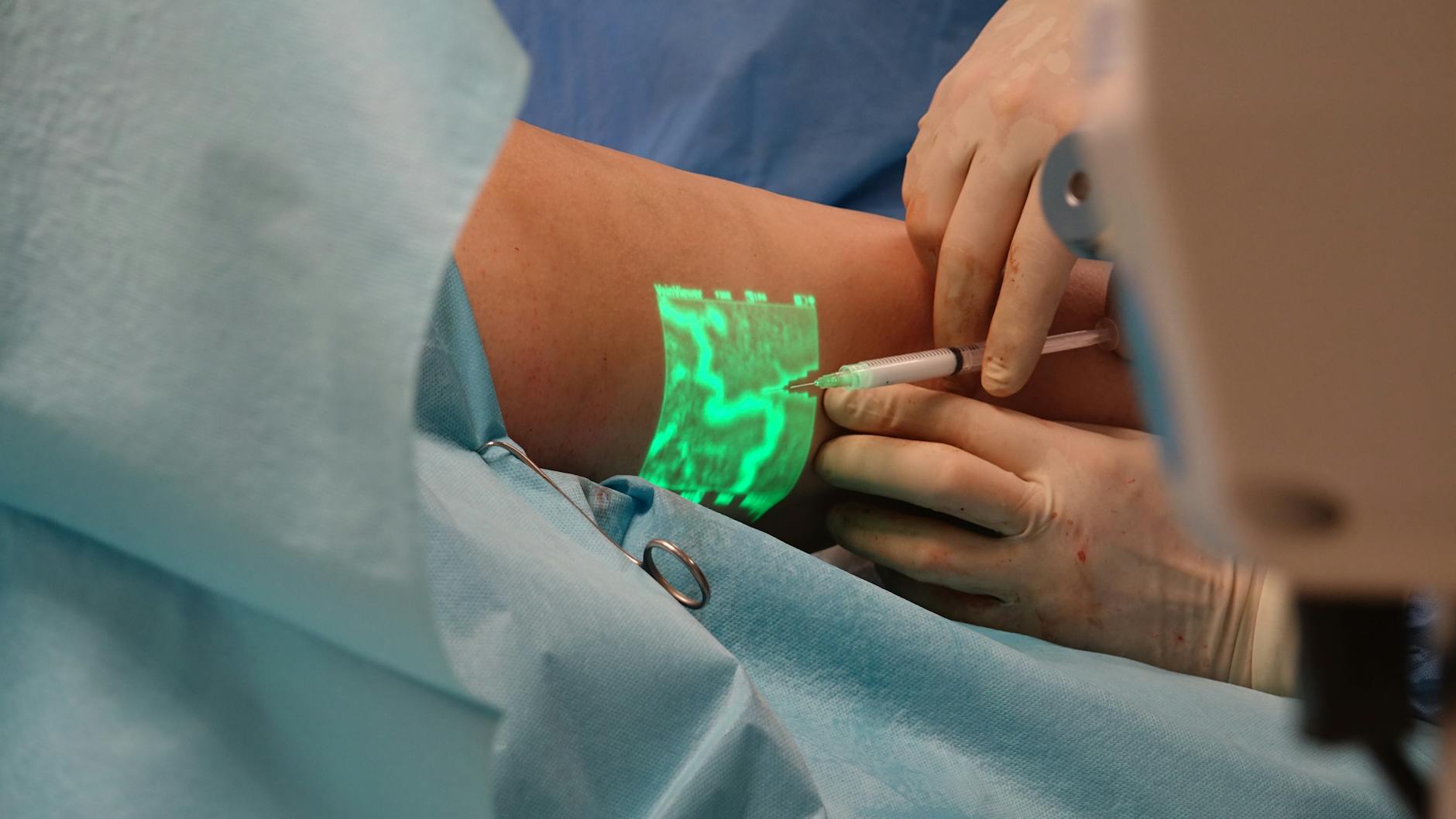
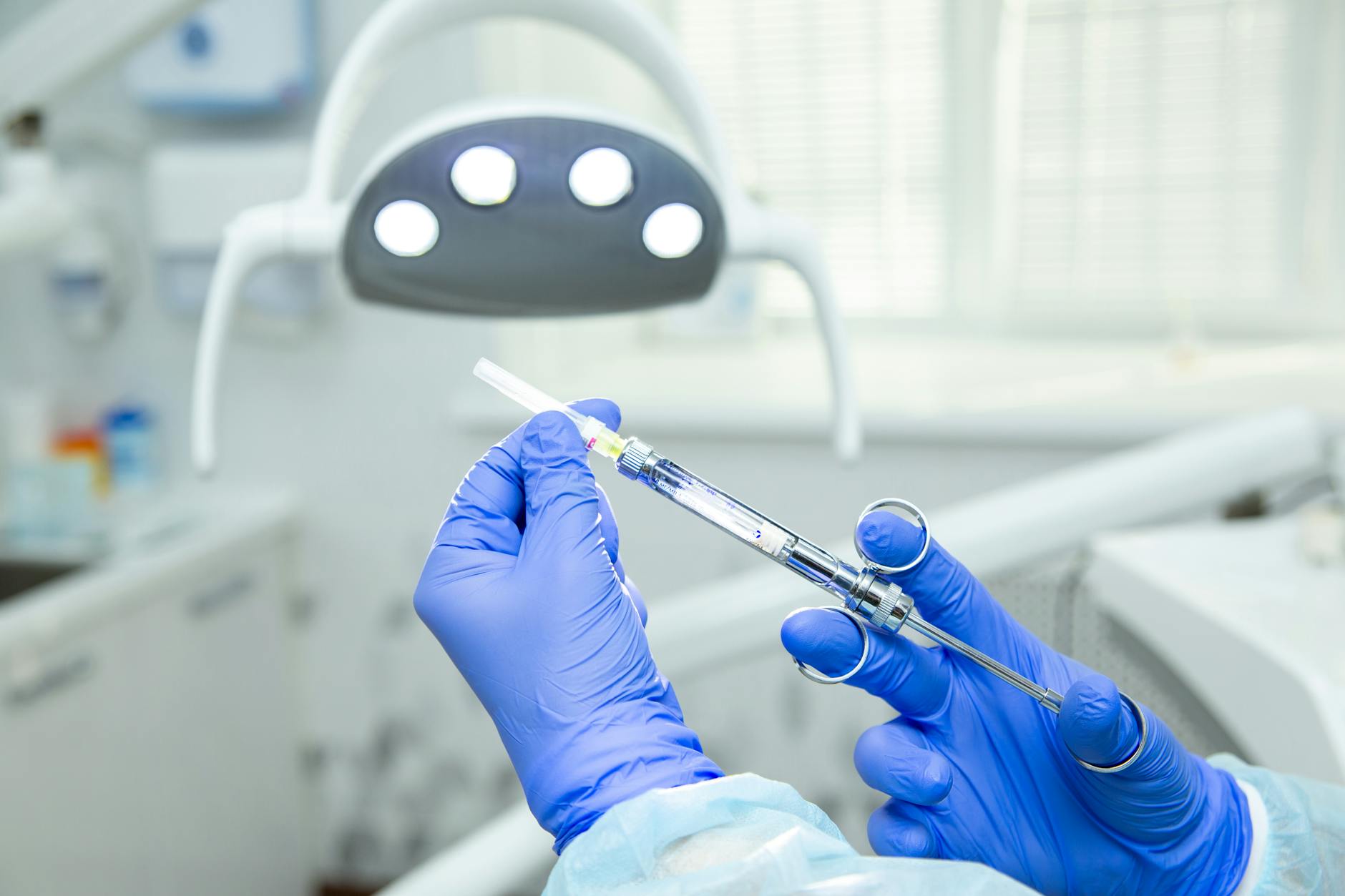
Injectable treatment preparation encompasses every step you take before receiving dermatological injections, from your initial consultation to the day of your procedure. This preparation phase includes medical history reviews, skin assessments, pre-treatment instructions, and timeline planning that sets the foundation for successful results.
"Proper preparation reduces complications by up to 70% and significantly improves treatment outcomes."
Preparation matters because it directly impacts both your safety and final results. When you follow pre-treatment guidelines carefully, you minimize risks like bruising, swelling, and infection while maximizing the effectiveness of your injections. Your dermatologist needs complete information about medications, supplements, and medical conditions to avoid dangerous interactions or complications that could lead to permanent scarring.
The preparation timeline typically spans 1-2 weeks before your appointment. For example, you'll need to stop blood-thinning medications like aspirin 7 days prior, avoid alcohol for 48 hours beforehand, and schedule your treatment away from important social events to allow recovery time. This planning prevents the social embarrassment you're concerned about by ensuring optimal healing.
Understanding what preparation involves helps you feel confident and informed throughout your treatment journey, knowing each step works toward achieving the clear skin results you want.
Medication and Supplement Guidelines

Certain medications and supplements can increase your bleeding risk during injectable treatments, potentially causing bruising or complications. Understanding what to stop and when protects you from unnecessary side effects that could delay your journey to clear skin.
Stop taking aspirin, ibuprofen, naproxen, and other anti-inflammatory medications one week before your appointment. These drugs thin your blood and make bruising more likely. Prescription blood thinners like warfarin or clopidogrel require special attention—never stop these without consulting your prescribing doctor first.
“Proper medication timing can reduce bruising risk by up to 70% during injectable treatments.”
Common supplements also increase bleeding risk. Discontinue fish oil, vitamin E, ginkgo biloba, garlic supplements, and St. John's wort seven days before treatment. Green tea extract and high-dose vitamin C should also be avoided during this period.
For example, if your appointment is scheduled for Friday, stop taking these items the previous Friday. Mark your calendar to avoid confusion about timing.
Always inform your dermatologist about all medications and supplements you take, including over-the-counter items. Some patients need special protocols if they cannot safely stop certain medications. Your doctor may recommend alternative timing or additional precautions based on your medical history.
Acetaminophen remains safe to use for pain relief during the pre-treatment period. Keep a current medication list handy for your consultation to ensure nothing important gets overlooked.
Skin Preparation Requirements
Proper skin preparation significantly impacts your injectable treatment results and reduces the risk of complications that could lead to unwanted scarring. Your skin needs specific care in the weeks leading up to your appointment to ensure optimal healing and effectiveness.
Stop using retinoids, tretinoin, and vitamin C serums one week before your treatment. These active ingredients increase skin sensitivity and can interfere with the injection process. Similarly, discontinue glycolic acid, salicylic acid, and benzoyl peroxide products during this preparation period.
Switch to a mild, fragrance-free cleanser twice daily for the week before treatment.
Use a basic, non-comedogenic moisturizer to maintain your skin barrier function.
Apply broad-spectrum SPF 30 daily and avoid direct sun exposure for 48 hours before treatment.
Avoid facial treatments like Chemical Peels, microdermabrasion, and waxing for at least two weeks prior to injections. These procedures can compromise your skin barrier and increase inflammation risk. If you've recently had Chemical Peels, which remove damaged skin layers through controlled chemical exfoliation, wait until your skin fully recovers before scheduling injectable treatments.
Come to your appointment with clean, makeup-free skin to minimize infection risk and allow proper assessment of injection sites.
Lifestyle Adjustments Before Treatment

Your daily habits directly impact how well your skin responds to injectable treatments and heals afterward. Making smart lifestyle choices in the weeks leading up to your appointment sets the foundation for optimal results and reduces the risk of complications that could affect your skin's appearance.
Alcohol consumption requires careful attention before any injectable procedure. Stop drinking alcohol at least 48 hours before treatment, as it increases bleeding risk and can interfere with your body's healing response. Alcohol also dehydrates your skin, making it less resilient during the recovery process.
Sleep and hydration work together to prepare your skin for treatment success. Aim for 7-8 hours of quality sleep nightly in the week before your appointment, as your skin repairs itself most effectively during deep sleep phases. Drink at least 8 glasses of water daily to maintain skin elasticity and support the healing process.
Exercise restrictions help prevent unnecessary complications. Avoid intense workouts 24 hours before treatment, as increased blood flow can heighten bruising risk. Light activities like walking remain perfectly safe and actually promote healthy circulation.
Schedule your appointment strategically, avoiding important social events for 5-7 days afterward. This timing allows any minor swelling or bruising to resolve completely, ensuring you feel confident about your appearance when it matters most.
Day of Treatment Preparation
Your treatment day requires specific preparation to ensure optimal results and minimize complications. Arriving prepared helps your provider work efficiently and reduces your anxiety about the procedure.
Wash your face with a gentle cleanser and remove all makeup, sunscreen, and skincare products.
Wear a button-up shirt or loose top that won't pull over your face after treatment.
Bring your ID, insurance card, list of current medications, and comfortable sunglasses for the drive home.
Skip morning skincare products beyond gentle cleansing. Your skin needs to be completely clean for proper injection placement. Avoid wearing jewelry around your face or neck area, as you'll need to remove it anyway.
Plan for potential swelling or redness by clearing your schedule for the rest of the day. While serious scarring from professional treatments is extremely rare when you follow aftercare instructions, having realistic expectations about temporary effects helps manage concerns about your appearance immediately post-treatment.
Arrive with clean skin, comfortable clothing, and realistic expectations about immediate post-treatment appearance.
Frequently Asked Questions
How far in advance should I prepare for injectable treatments?
The preparation timeline typically spans 1-2 weeks before your appointment. You'll need to stop blood-thinning medications like aspirin 7 days prior, avoid alcohol for 48 hours beforehand, and schedule your treatment away from important social events to allow recovery time. This planning ensures optimal healing and prevents complications.
What medications should I stop before injectable dermatological treatments?
You should stop taking aspirin, ibuprofen, naproxen, and other anti-inflammatory medications one week before your appointment. These drugs thin your blood and make bruising more likely. However, never stop prescription blood thinners like warfarin or clopidogrel without consulting your prescribing doctor first.
What supplements need to be avoided before injectable treatments?
Common supplements that increase bleeding risk should be discontinued seven days before treatment. These include fish oil, vitamin E, ginkgo biloba, garlic supplements, and St. John's wort. Green tea extract and high-dose vitamin C should also be avoided during this period.
How should I prepare my skin before injectable treatments?
Stop using retinoids, tretinoin, and vitamin C serums one week before your treatment as these active ingredients increase skin sensitivity. You should also discontinue glycolic acid, salicylic acid, and benzoyl peroxide products during this preparation period. Proper skin preparation significantly impacts your treatment results and reduces the risk of complications.
Why is proper preparation important for injectable treatments?
Proper preparation reduces complications by up to 70% and significantly improves treatment outcomes. When you follow pre-treatment guidelines carefully, you minimize risks like bruising, swelling, and infection while maximizing the effectiveness of your injections. Your dermatologist needs complete information about medications, supplements, and medical conditions to avoid dangerous interactions that could lead to permanent scarring.
Disclaimer: This content is for informational purposes only and does not constitute medical advice. Always consult a qualified healthcare provider before making health decisions.