What to Expect Immediately After Injectable Treatments

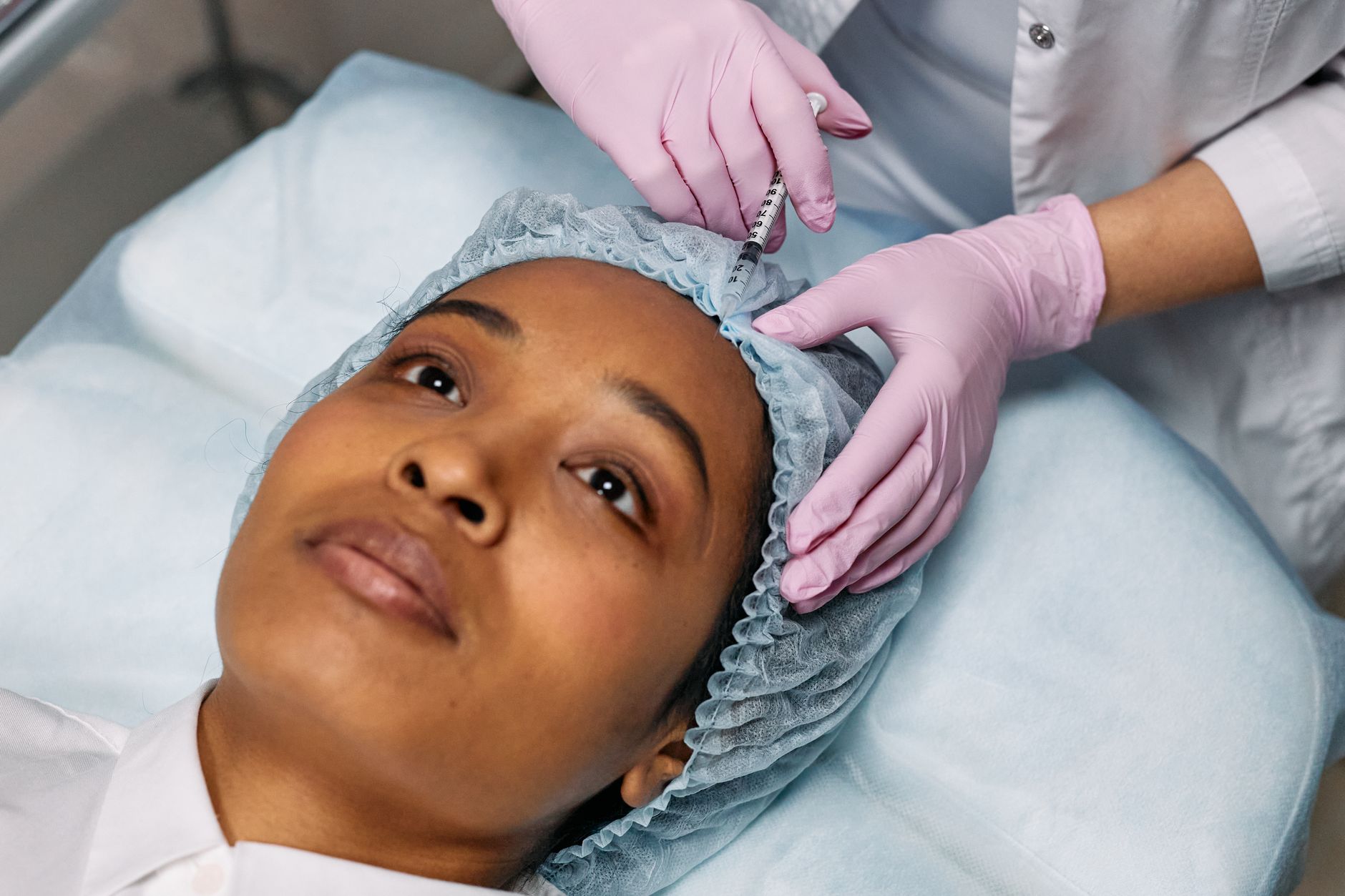
Your skin will likely look different right after injectable treatments, and that's completely normal. Most patients experience some redness, swelling, and small bumps at injection sites within the first few hours. These reactions show your skin is responding to the treatment and typically subside within 24 to 48 hours.
“The first 24 hours after treatment are when you'll see the most dramatic temporary changes to your appearance.”
Bruising appears in about 30% of patients and can last anywhere from three to seven days. Small pinpoint bleeding marks are also common and disappear within hours. You might notice your skin feels tender to touch, similar to a mild sunburn sensation.
Understanding the difference between normal reactions and concerning symptoms helps ease anxiety about permanent scarring. Normal side effects include localized swelling, mild redness, and temporary bumps that feel firm under your fingers. Contact your provider immediately if you experience severe pain, spreading redness, or pus-filled bumps, as these could indicate infection.
The timeline for seeing actual results varies by treatment type. Botox effects become noticeable within three to five days, while dermal fillers show immediate volume changes that settle over two weeks. For acne treatments like cortisone injections, inflammatory bumps begin flattening within 24 hours.
Your face might look slightly swollen or asymmetrical during the first day, which can feel socially uncomfortable. This temporary appearance change is why many patients schedule treatments before weekends. Plan to stay home or wear makeup to cover any visible marks if you have important social commitments.
Taking photos immediately after treatment helps you track healing progress and provides valuable documentation if you have concerns later.
Essential First 24 Hours Care Instructions

The first day after your injectable treatment sets the foundation for optimal healing and results. Following specific care instructions during this critical window helps minimize complications and reduces the risk of unwanted side effects that could cause lasting concerns.
“The first 24 hours determine whether your treatment heals beautifully or develops complications.”
Ice application provides immediate relief and controls swelling. Apply a cold compress wrapped in a thin cloth for 10-15 minutes every hour during your first waking hours. Avoid direct ice contact with your skin, as this can cause frostbite or interfere with the healing process. Stop icing if you notice excessive redness or numbness.
Your activity level requires careful management. Avoid strenuous exercise, heavy lifting, or activities that increase blood flow to your face for 24 hours. This includes hot yoga, running, or even vigorous cleaning. Increased circulation can worsen swelling and potentially displace the injected material.
Sleep positioning plays a crucial role in your recovery. Elevate your head with two pillows to reduce overnight swelling. Sleep on your back rather than your side to avoid putting pressure on treated areas. For example, if you received lip injections, side-sleeping can create uneven swelling or discomfort.
Skip makeup and active skincare products for the entire first day. Your skin needs time to seal the injection sites without interference from cosmetics or potentially irritating ingredients. This means no foundation, concealer, retinoids, or acids. You can gently cleanse with lukewarm water and a mild cleanser if necessary.
Stick to gentle, fragrance-free moisturizer if your skin feels tight or dry. These simple precautions significantly reduce your risk of infection, uneven results, or prolonged healing time, helping you achieve the clear, smooth results you're seeking.
Week-by-Week Recovery Timeline
Understanding your recovery timeline helps set realistic expectations and reduces anxiety about the healing process. Each phase brings distinct changes that signal your skin is responding properly to treatment.
Days 1-3 mark the acute healing phase when your skin works hardest to repair itself. You'll notice initial swelling and possible bruising around injection sites. This reaction is completely normal and indicates your body's healing response has activated. Keep the treated area clean and avoid touching or rubbing the skin. Many patients worry about permanent marks during this phase, but these early changes typically fade within the first week.
Week 1 brings initial settling as inflammation decreases noticeably. Swelling reduces by approximately 70%, and any bruising shifts from deep purple to lighter yellow-green shades. Your skin may feel slightly tender but should no longer be painful to touch. This is when most patients feel comfortable returning to normal social activities.
Weeks 2-4 reveal your final result emergence as the treatment reaches full effectiveness. For example, botulinum toxin injections show maximum muscle relaxation around week 2, while dermal fillers achieve their final shape as residual swelling completely resolves. Your skin texture improves and any remaining discoloration fades to match your natural tone.
Long-term maintenance begins after month one. Schedule follow-up appointments according to your provider's recommendations, typically every 3-6 months depending on the specific treatment. Protect your investment with daily sunscreen application and gentle skincare products. Most patients maintain their results successfully by staying consistent with both professional treatments and home care routines.
Document your progress with weekly photos taken in consistent lighting. This helps track improvements and provides valuable reference points for future treatment planning.
Managing Common Side Effects and Complications
Most patients experience mild swelling, bruising, and tenderness after injectable treatments. These reactions are normal parts of your body's healing response and typically resolve within days to weeks. Understanding which symptoms require attention helps you recover safely while avoiding unnecessary worry about permanent damage.
Bruising appears as purple or blue marks around injection sites and usually peaks within 24-48 hours. Apply ice packs for 10-15 minutes every few hours during the first day to minimize blood vessel dilation. Arnica gel or cream can help reduce bruising intensity when applied gently twice daily. Avoid blood-thinning medications like aspirin or ibuprofen unless medically necessary.
Swelling management requires patience and consistent care. Keep your head elevated while sleeping for the first three nights to promote fluid drainage. Cold compresses work best during the initial 72 hours, after which gentle warm compresses can improve circulation. Avoid strenuous exercise, alcohol, and excessive salt intake during the first week.
Pain should remain manageable with over-the-counter acetaminophen. Sharp, increasing pain or sudden severe swelling warrants immediate provider contact. Signs requiring urgent attention include fever, spreading redness, pus formation, or skin that feels hot to touch.
Contact your provider within 24 hours if you notice asymmetrical swelling, persistent numbness, or any changes that seem unusual for your specific treatment. Most complications resolve quickly when addressed promptly, preventing long-term concerns about scarring or appearance changes.
Optimizing Your Results During Recovery

Your treatment success depends heavily on what you do after leaving the clinic. Small changes to your daily routine can mean the difference between good results and exceptional ones, while protecting you from complications that could lead to scarring.
Switch to gentle, fragrance-free cleansers and avoid harsh scrubs or active ingredients for the first week.
Use broad-spectrum SPF 30 or higher every morning, even when staying indoors near windows.
Drink at least eight glasses of water daily and eat foods rich in vitamins C and E to support healing.
Sun protection becomes critical after procedures like Chemical Peels, which remove damaged skin layers and leave fresh skin vulnerable to UV damage. Even brief sun exposure can cause hyperpigmentation that takes months to fade. Keep a hat and sunglasses handy for unexpected outdoor time.
Your skin needs extra moisture during recovery. Apply a gentle, unscented moisturizer twice daily and avoid products containing retinoids, salicylic acid, or glycolic acid until your provider gives clearance. These ingredients can irritate healing skin and delay recovery.
Prepare for your follow-up appointment by taking progress photos in consistent lighting and writing down any concerns. Bring a list of products you've used and note any reactions. This information helps your provider adjust your treatment plan and address issues before they become problematic.
Recovery nutrition matters more than most people realize. Focus on protein-rich foods, leafy greens, and colorful fruits that provide antioxidants. Avoid excessive sugar and alcohol, which can promote inflammation and slow healing.
When Recovery Doesn't Go as Planned
While most injectable treatments heal smoothly, knowing when to seek help prevents minor issues from becoming major problems. Watch for red flag symptoms that require immediate medical attention.
Signs of infection include spreading redness, warmth, pus, or fever developing 24-48 hours after treatment. Contact your provider immediately if you notice these symptoms, as prompt antibiotic treatment prevents permanent scarring—your primary concern during recovery.
Asymmetry concerns are common but usually temporary. Swelling resolves unevenly, making one side appear different for several days. However, if asymmetry persists beyond two weeks, schedule a follow-up appointment.
Some patients need revision treatments to achieve optimal results. This doesn't mean treatment failed—skin responds differently person to person. Your provider can adjust technique or dosage for future sessions based on your healing pattern.
Trust your instincts about your recovery. When something feels wrong, reaching out early leads to better outcomes than waiting and hoping issues resolve alone.
Contact your provider immediately if you notice signs of infection, persistent asymmetry after two weeks, or any concerning symptoms during recovery.
Frequently Asked Questions
What should I expect immediately after getting injectable treatments?
Your skin will likely look different right after injectable treatments, which is completely normal. Most patients experience some redness, swelling, and small bumps at injection sites within the first few hours. These reactions show your skin is responding to the treatment and typically subside within 24 to 48 hours.
How long does bruising last after injectable treatments?
Bruising appears in about 30% of patients and can last anywhere from three to seven days. Small pinpoint bleeding marks are also common but disappear within hours. You might also notice your skin feels tender to touch, similar to a mild sunburn sensation.
When will I see results from my injectable treatment?
The timeline for seeing actual results varies by treatment type. Botox effects become noticeable within three to five days, while dermal fillers show immediate volume changes that settle over two weeks. For acne treatments like cortisone injections, inflammatory bumps begin flattening within 24 hours.
Can I exercise after getting injectable treatments?
You should avoid strenuous exercise, heavy lifting, or activities that increase blood flow to your face for 24 hours after treatment. This includes hot yoga, running, or even vigorous cleaning. Increased circulation can worsen swelling and potentially displace the injected material.
How should I apply ice after injectable treatments?
Apply a cold compress wrapped in a thin cloth for 10-15 minutes every hour during your first waking hours. Avoid direct ice contact with your skin, as this can cause frostbite or interfere with the healing process. Stop icing if you notice excessive redness or numbness.
Disclaimer: This content is for informational purposes only and does not constitute medical advice. Always consult a qualified healthcare provider before making health decisions.