Common Injectable Treatment Side Effects

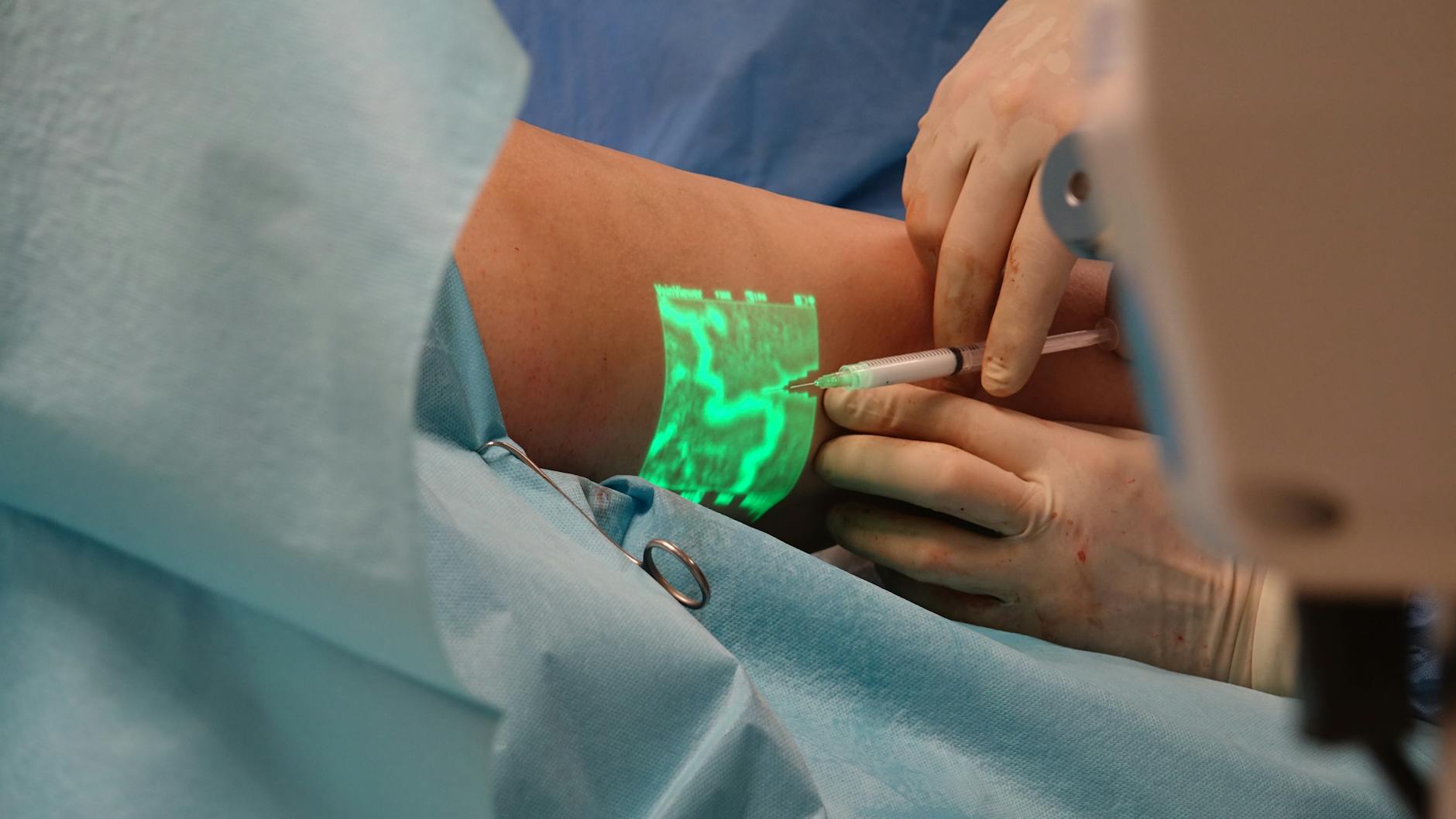
Most patients experience mild, temporary side effects after injectable treatments like Botox, dermal fillers, or steroid injections. Understanding what's normal helps you prepare for the recovery process and recognize when something needs medical attention.
“Most injectable side effects are temporary reactions that resolve within days to weeks.”
Immediate reactions occur within hours of your appointment. You'll likely see some swelling and redness around injection sites, which typically peaks within the first 24 hours. Your skin may feel tender or slightly warm to the touch. These responses show your body is adjusting to the treatment.
Bruising appears as small purple or blue spots where the needle entered your skin. This happens because tiny blood vessels break during injection, creating visible marks that can last 7-14 days. Some patients bruise more than others depending on their skin sensitivity and blood circulation.
Most side effects follow a predictable timeline. Swelling and redness usually fade within 2-3 days. Tenderness resolves in 3-5 days. Bruising takes the longest, gradually changing from purple to yellow before disappearing completely after two weeks.
Know when to contact your provider. Normal symptoms include mild swelling, temporary redness, and small bruises. Concerning signs include severe pain, spreading redness, pus, or reactions lasting beyond two weeks. While permanent scarring from injectables is extremely rare, prompt treatment of unusual symptoms prevents complications and gives you peace of mind during your skin improvement journey.
Serious Side Effects to Watch For

While severe complications from injectable treatments are rare, recognizing warning signs can prevent permanent damage and protect your skin health. Understanding these serious side effects helps you act quickly when something goes wrong.
“Severe allergic reactions to injectable treatments occur in less than 1% of patients but require immediate medical attention.”
Allergic reactions range from mild redness to life-threatening anaphylaxis. Watch for widespread hives, difficulty breathing, facial swelling, or rapid pulse after your injection. These symptoms typically appear within minutes to hours of treatment. If you experience throat tightness or trouble breathing, call 911 immediately.
Vascular complications represent the most serious risk, occurring when injected material blocks blood vessels. This can cause tissue death (necrosis), particularly around the nose, lips, and between the eyebrows. Early warning signs include severe pain, skin color changes from pink to white to blue-black, and areas that feel cold to touch. Without prompt treatment, tissue death can lead to permanent scarring.
Infection signs include increasing pain after the first 24 hours, pus formation, red streaking from injection sites, or fever. These symptoms may develop several days post-treatment. Untreated infections can spread and cause permanent scarring.
Seek emergency care immediately for breathing problems, severe swelling, signs of tissue death, or high fever with injection site pain. Contact your provider urgently for unusual pain, color changes, or infection symptoms. Quick action prevents most serious complications from becoming permanent problems that affect your appearance long-term.
Side Effects by Injectable Type
Different injectable treatments carry unique risks that patients should understand before proceeding. While permanent scarring remains rare across all injectable types, each treatment has specific complications worth knowing about.
Botulinum toxin injections can cause temporary muscle weakness beyond the intended area. You might experience drooping eyelids, uneven eyebrows, or difficulty closing your eyes completely. These effects typically resolve within 2-4 months as the toxin wears off. Headaches occur in about 10% of patients, usually lasting 24-48 hours after treatment.
Dermal fillers present different challenges. Lumps and bumps under the skin happen when filler isn't distributed evenly. More serious complications include vascular occlusion, where filler blocks blood vessels, potentially causing tissue death. This emergency requires immediate treatment with hyaluronidase enzyme. Infection rates stay low but can occur days or weeks after injection.
Sclerotherapy for spider veins brings its own set of risks. Treated veins may initially appear darker before fading, a process called post-inflammatory hyperpigmentation. Small ulcers can form at injection sites, especially with stronger sclerosing agents. Occasionally, new spider veins develop near treated areas, though this typically happens months later.
Cortisone injections for acne cysts can cause skin thinning or create small depressions where the injection occurred. These "pits" may be permanent, particularly with repeated injections in the same spot. Some patients experience temporary skin lightening around the injection site, more noticeable in darker skin tones.
Understanding these specific risks helps you make informed decisions about injectable treatments. Most complications resolve naturally, but knowing what to expect reduces anxiety and helps you recognize when to contact your provider. Each injectable type requires different post-treatment care and monitoring periods.
Prevention Strategies
Preventing complications starts with choosing a qualified practitioner who specializes in your specific treatment. Board-certified dermatologists and plastic surgeons have the training to handle adverse reactions and minimize risks that could lead to permanent scarring. Research their credentials, read patient reviews, and verify their experience with your particular procedure.
Pre-treatment preparation significantly reduces side effect risks. Stop using retinoids, exfoliating acids, and blood-thinning medications as directed by your provider. For Chemical Peels, this preparation phase is crucial since active ingredients can interact poorly with recent skincare treatments or medications, potentially causing severe burns or uneven results.
Share all medications, supplements, allergies, and previous reactions with your provider.
Discontinue specified products and avoid sun exposure for the recommended timeframe.
Plan treatments when you can avoid social events during the healing period.
Honest communication about your medical history prevents dangerous interactions. Mention pregnancy, autoimmune conditions, recent surgeries, and current prescriptions. Your provider needs this information to adjust treatment parameters or recommend alternative approaches.
Post-treatment care directly impacts your healing and final results. Follow wound care instructions precisely, avoid picking at treated areas, and protect your skin from sun exposure. Use only approved skincare products during recovery, as unauthorized products can cause infections or interfere with healing. Schedule follow-up appointments to monitor progress and address concerns before they become serious complications.
Managing Side Effects at Home

Most injection-related side effects respond well to simple home care measures. Quick action can minimize discomfort and prevent complications from worsening.
Use wrapped ice packs for 10-15 minutes every hour during the first day to reduce swelling and numb pain.
Sleep with your head elevated and avoid strenuous exercise for 24-48 hours to prevent increased swelling.
Switch to gentle, fragrance-free products and avoid active ingredients like retinoids or acids for one week.
Over-the-counter pain relievers like acetaminophen help manage discomfort, but avoid ibuprofen or aspirin as these can increase bruising. Arnica gel applied twice daily may reduce bruise severity and duration.
Sleeping position matters significantly during recovery. Keep your head elevated on extra pillows for the first two nights to minimize fluid accumulation. Avoid sleeping on your side if you received facial injections.
Your skincare routine needs temporary adjustments. Replace your regular cleanser with a gentle, non-foaming formula and skip exfoliation completely. Apply a simple moisturizer and broad-spectrum sunscreen daily, as injection sites become more sensitive to UV damage.
While minor side effects rarely cause permanent scarring, monitor injection sites closely. Most redness and swelling resolve within three to five days with proper home care.
When to Contact Your Provider
Knowing when to seek professional help protects you from complications that could lead to permanent scarring. Some reactions require immediate medical attention, while others can wait for a scheduled appointment.
Contact your provider immediately if you experience severe swelling that spreads beyond the injection site, difficulty breathing, widespread rash, or signs of infection like pus, red streaking, or fever. These symptoms could indicate a serious allergic reaction or bacterial infection requiring prompt treatment.
Schedule a non-emergency appointment for persistent redness lasting more than five days, unusual bumps or lumps that don't improve, or any side effects that worsen instead of gradually getting better. Your provider can adjust your treatment plan or prescribe medications to help your skin heal properly.
Never skip your follow-up appointments, even if your skin looks perfect. These visits allow your provider to monitor your progress, catch potential issues early, and plan your next treatment safely. Regular monitoring prevents complications that could set back your clear skin goals.
Document your symptoms with photos and notes about timing, severity, and any patterns you notice. Take pictures in good lighting at the same time each day. This information helps your provider make better treatment decisions and gives you peace of mind knowing you're tracking your progress accurately.
Trust your instincts about concerning symptoms and maintain open communication with your provider to achieve the best possible outcomes.
Frequently Asked Questions
How long do injectable side effects last?
Most injectable side effects follow a predictable timeline. Swelling and redness usually fade within 2-3 days, while tenderness resolves in 3-5 days. Bruising takes the longest, gradually changing from purple to yellow before disappearing completely after two weeks.
What are normal side effects after Botox or filler injections?
Most patients experience mild, temporary side effects including swelling, redness, and tenderness around injection sites within hours of treatment. Bruising appears as small purple or blue spots where the needle entered your skin and can last 7-14 days. About 85% of patients have mild swelling, which typically peaks within the first 24 hours.
When should I call my doctor after injectable treatments?
Contact your provider if you experience severe pain, spreading redness, pus formation, or reactions lasting beyond two weeks. These are concerning signs that differ from normal mild swelling, temporary redness, and small bruises. Prompt treatment of unusual symptoms prevents complications and gives peace of mind during recovery.
What are the signs of a serious allergic reaction to injectables?
Severe allergic reactions occur in less than 1% of patients but require immediate medical attention. Watch for widespread hives, difficulty breathing, facial swelling, or rapid pulse after your injection. If you experience throat tightness or trouble breathing, call 911 immediately as these symptoms can be life-threatening.
What is vascular occlusion and how do I recognize it?
Vascular complications occur when injected material blocks blood vessels, which can cause tissue death particularly around the nose, lips, and between the eyebrows. Early warning signs include severe pain, skin color changes from pink to white to blue-black, and areas that feel cold to touch. This serious complication has only a 0.05% occurrence rate but requires immediate treatment within 24 hours to prevent permanent scarring.
Disclaimer: This content is for informational purposes only and does not constitute medical advice. Always consult a qualified healthcare provider before making health decisions.