Understanding Your Vein Concerns

Spider veins appear as thin, web-like lines on your skin's surface, typically red, blue, or purple in color. You'll most commonly find them on your legs, face, and chest. These small vessels become visible when blood pools inside them, creating those distinctive branching patterns that resemble spider legs or tree branches.
“Spider veins are primarily a cosmetic concern, while varicose veins can cause physical discomfort and health issues.”
Unlike bulging varicose veins that protrude from your skin, spider veins remain flat against the surface. Varicose veins often cause pain, swelling, and aching, while spider veins rarely produce physical symptoms. Sclerotherapy works best for spider veins and small varicose veins under 3mm in diameter.
This treatment is appropriate when veins don't respond to lifestyle changes and compression stockings. Most patients see sclerotherapy as an effective solution for improving their skin's appearance without the scarring concerns associated with surgical procedures.
Types of Vein Treatments Available

Several vein treatment options exist, each targeting different types of veins and patient needs. Laser vein removal uses light energy to heat and collapse veins, working best on surface spider veins. Sclerotherapy injects a solution directly into veins, making it effective for both spider veins and small varicose veins that laser cannot reach.
“Sclerotherapy remains the gold standard for treating spider veins because it addresses both visible veins and underlying feeder veins.”
You are an ideal candidate for sclerotherapy if you have small to medium spider veins or reticular veins, are not pregnant, and have realistic expectations. The treatment cannot address large varicose veins or underlying venous insufficiency, which require surgical intervention. Most patients see significant improvement without permanent scarring when performed by experienced practitioners.
Matching Treatments to Your Goals
Sclerotherapy works best on spider veins and small varicose veins under 3mm in diameter. These surface vessels respond beautifully to the injection solution, typically fading 80-90% within two to three months.
Most patients need two to four sessions spaced six to eight weeks apart for optimal results. For example, leg spider veins often require three treatments, while facial veins may clear after just two sessions. The treated veins won't leave permanent scars—they simply fade and disappear as your body naturally absorbs them.
Factors to Consider Before Treatment
Your medical history plays a crucial role in determining sclerotherapy safety. Share any blood clotting disorders, heart conditions, or allergies with your provider during consultation. Previous reactions to medical procedures or medications help predict potential complications.
Pregnancy and breastfeeding contraindicate sclerotherapy treatment. Blood thinning medications like warfarin or aspirin require adjustment or temporary discontinuation before your procedure. Birth control pills and hormone replacement therapy may increase clotting risk, requiring careful evaluation.
Timing your treatment strategically improves outcomes and comfort. Spring treatments allow proper healing before summer sun exposure, while winter scheduling provides optimal recovery conditions. Unlike Chemical Peels that require extensive sun avoidance, sclerotherapy patients need moderate protection during healing. Schedule treatment when you can wear compression stockings comfortably for several weeks without interfering with important activities or travel plans.
Working with Your Provider

Your initial consultation begins with a thorough evaluation of your veins and medical history. Your provider will examine the affected areas, discuss your symptoms, and determine if sclerotherapy is appropriate for your condition. They'll also review any medications you're taking and assess factors that might affect treatment success.
Your provider examines your veins and reviews your medical history to create a personalized treatment plan.
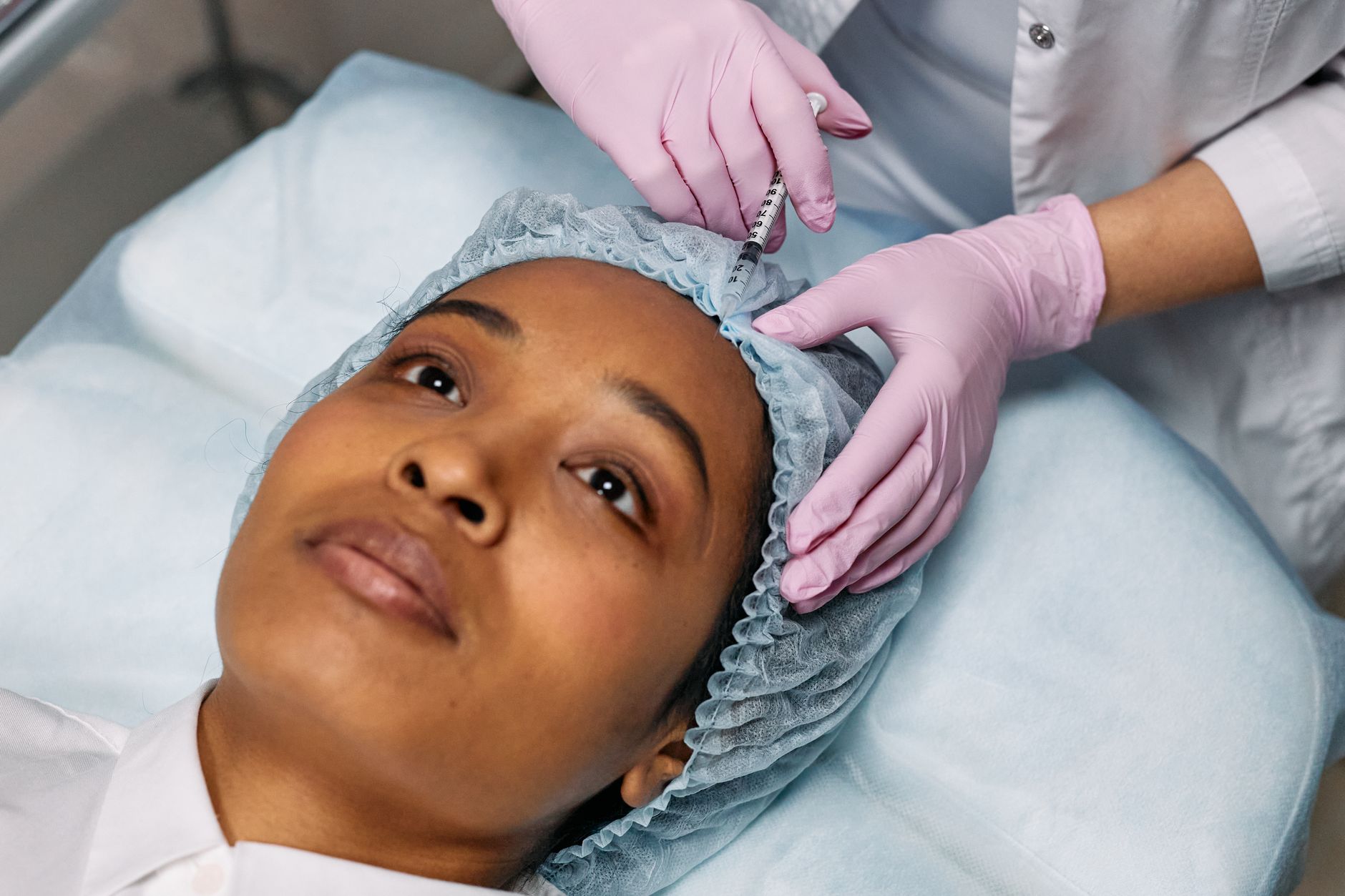
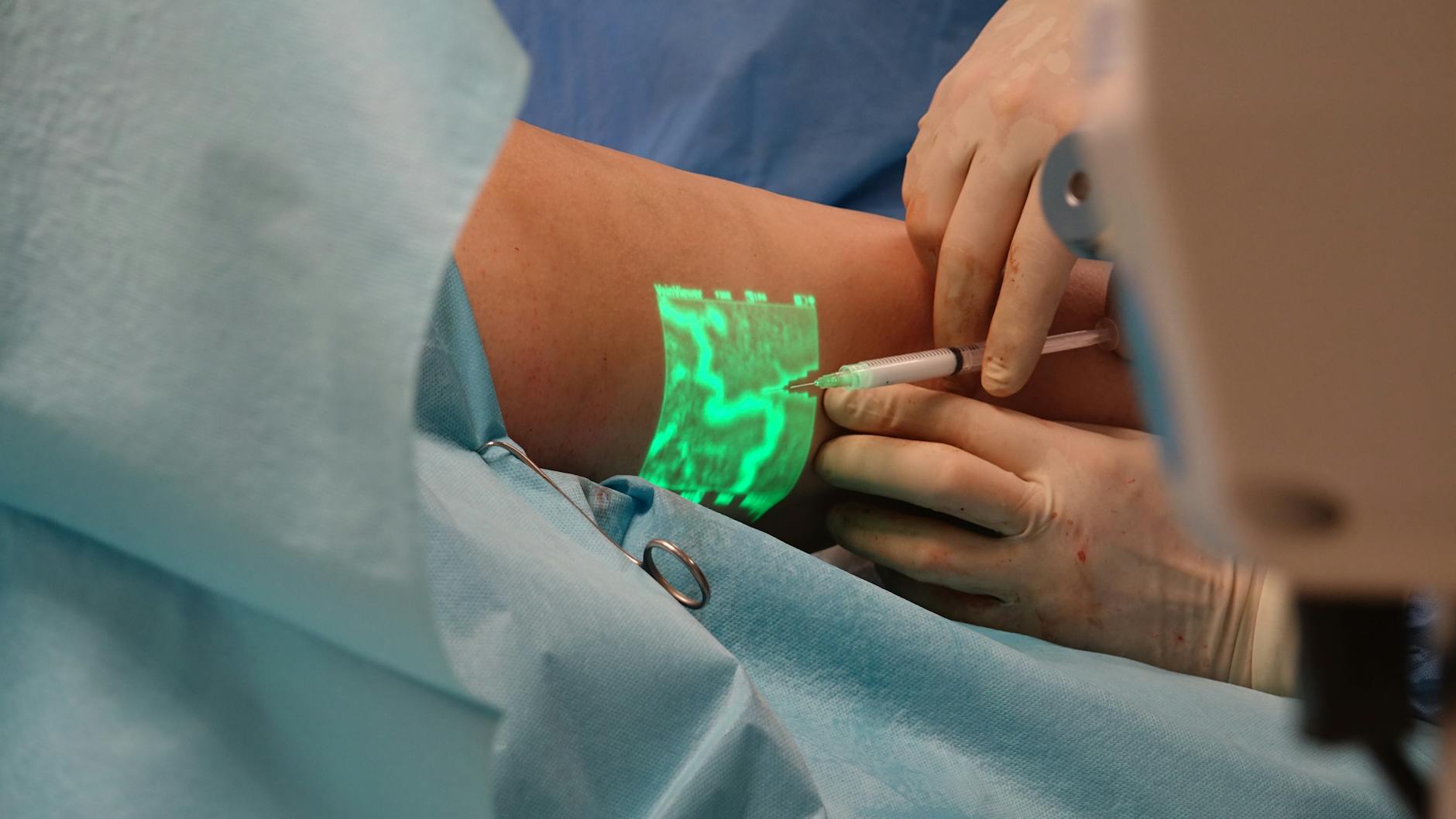
Using a fine needle, your provider injects the sclerosing solution directly into the targeted veins.
Your provider schedules follow-up appointments to track healing and address any concerns that arise.
Following treatment, your provider will give you specific care instructions including wearing compression stockings and avoiding certain activities. They'll schedule follow-up appointments to monitor your healing progress and address any concerns, including rare complications that might cause lasting skin changes.
Next Steps in Your Treatment Journey
Ready to move forward with sclerotherapy? Start by scheduling a consultation with a board-certified dermatologist or vascular specialist who can evaluate your specific vein concerns and medical history.
Contact qualified providers in your area and prepare a list of questions about your treatment plan.
Follow pre-treatment instructions like avoiding certain medications and wearing compression stockings as directed.
Block out time for healing and arrange help with daily activities during the first few days.
Most patients see initial results within three to six weeks, with complete healing taking up to three months. While temporary bruising is normal, choosing an experienced provider minimizes risks and ensures optimal outcomes for your skin.
Professional consultation is your first step toward safely achieving clearer skin through sclerotherapy treatment.
Frequently Asked Questions
What's the difference between spider veins and varicose veins?
Spider veins appear as thin, web-like lines on your skin's surface in red, blue, or purple colors and remain flat against the skin. Unlike spider veins, varicose veins bulge from the skin and often cause pain, swelling, and aching. Spider veins are primarily a cosmetic concern, while varicose veins can cause physical discomfort and health issues.
How effective is sclerotherapy for treating spider veins?
Sclerotherapy has an 85% success rate and works best on spider veins and small varicose veins under 3mm in diameter. These surface vessels typically fade 80-90% within two to three months after treatment. Most patients need two to four sessions spaced six to eight weeks apart for optimal results.
Who is not a good candidate for sclerotherapy?
You should not have sclerotherapy if you are pregnant or breastfeeding. Patients with blood clotting disorders, heart conditions, or those taking blood thinning medications like warfarin may need careful evaluation or medication adjustments. The treatment cannot address large varicose veins or underlying venous insufficiency, which require surgical intervention.
Does sclerotherapy leave permanent scars?
No, sclerotherapy does not leave permanent scars when performed by experienced practitioners. The treated veins simply fade and disappear as your body naturally absorbs them. This makes sclerotherapy an effective solution for improving skin appearance without the scarring concerns associated with surgical procedures.
When is the best time to get sclerotherapy treatment?
Spring treatments are ideal as they allow proper healing before summer sun exposure. Winter scheduling also provides optimal recovery conditions. Strategic timing of your treatment improves both outcomes and comfort during the healing process.
Disclaimer: This content is for informational purposes only and does not constitute medical advice. Always consult a qualified healthcare provider before making health decisions.