What Are Pigmented Lesions and How Does Alexandrite Laser Target Them

Pigmented lesions are areas of skin where melanin (the pigment that gives your skin its color) has accumulated unevenly. Common types include age spots, sun spots, freckles, melasma, and café-au-lait birthmarks. These dark patches can develop from sun exposure, hormonal changes, or genetics, creating uneven skin tone that many people find concerning.
“The alexandrite laser's 755-nanometer wavelength specifically targets melanin while leaving surrounding skin tissue undamaged.”
The alexandrite laser works by emitting light at a specific wavelength of 755 nanometers. This wavelength is perfectly absorbed by melanin but largely ignored by other skin components like blood vessels or collagen. When the laser light hits the pigmented area, the melanin absorbs the energy and heats up rapidly, breaking apart the pigment clusters.
Your body then naturally eliminates these broken-down pigment fragments through its immune system over several weeks. This targeted approach minimizes risk of scarring because the laser doesn't damage the surrounding healthy skin tissue. The treatment effectively lightens or completely removes unwanted pigmentation while preserving your skin's natural texture and integrity.
Types of Pigmented Lesions Treated with Alexandrite Laser

Alexandrite lasers excel at treating several common types of pigmented lesions, giving you clearer skin without the permanent scarring risks associated with older removal methods. Understanding which conditions respond best helps set realistic expectations for your treatment journey.
Age spots and sun spots represent the most commonly treated pigmented lesions. These flat, brown patches typically appear on sun-exposed areas like your hands, face, chest, and shoulders after years of UV damage. Alexandrite lasers target these spots effectively because they contain concentrated melanin that absorbs the laser's specific wavelength.
“Alexandrite lasers target pigmented lesions with precision, minimizing damage to surrounding healthy skin.”
Freckles and café-au-lait spots also respond well to treatment, though café-au-lait spots may require multiple sessions due to their deeper pigmentation. Post-inflammatory hyperpigmentation—those dark marks left behind after acne, cuts, or other skin injuries—often shows significant improvement with alexandrite laser therapy.
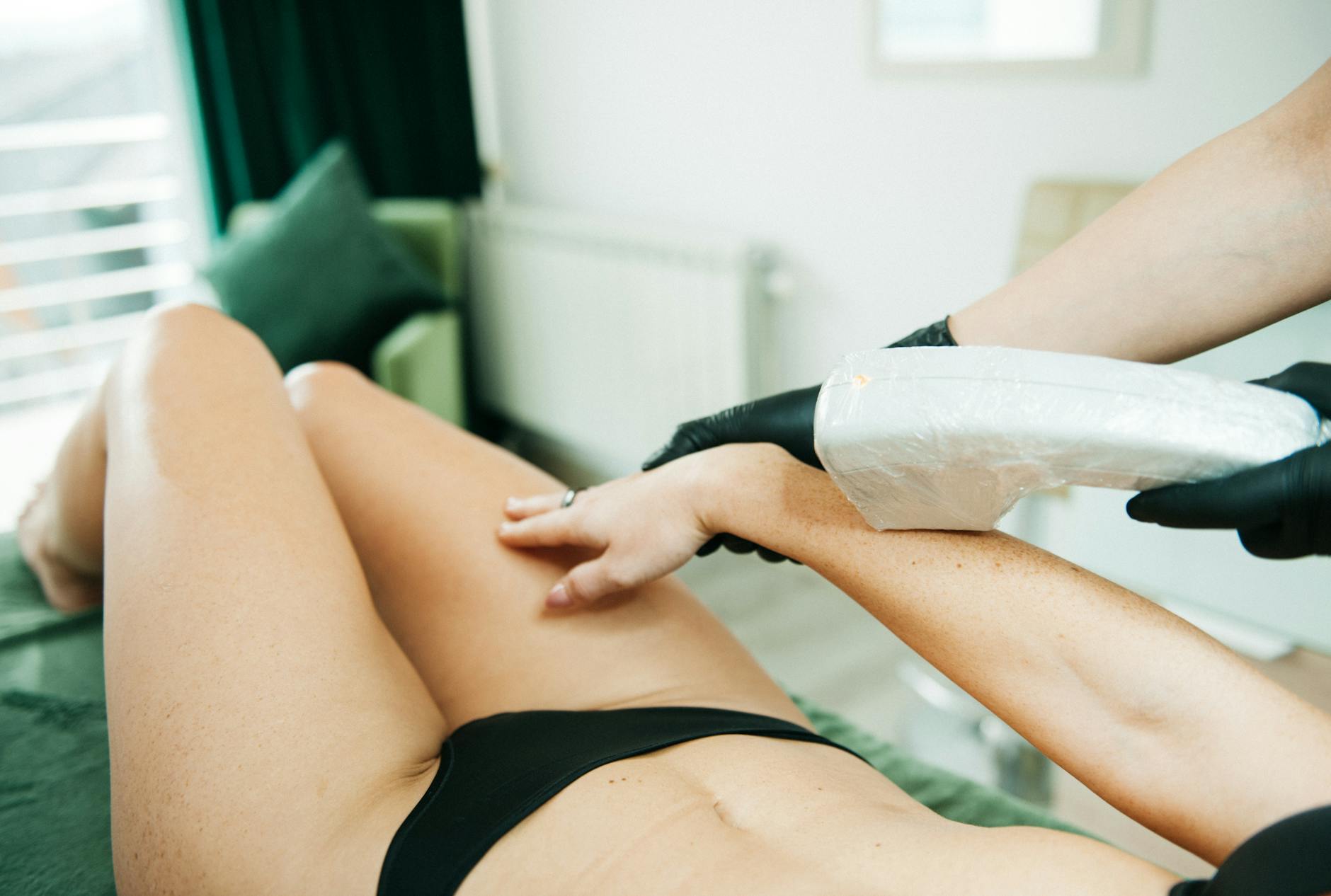
Treatment areas extend beyond facial lesions to include your neck, décolletage, hands, arms, and legs. For example, many patients see dramatic improvement in age spots on their hands after just two to three sessions. The laser's precision allows dermatologists to treat delicate areas like around your eyes while protecting the surrounding skin from unnecessary exposure.
The Alexandrite Laser Treatment Process for Pigmented Lesions
Understanding what happens during your alexandrite laser treatment helps ease concerns about permanent scarring and ensures you're prepared for each step of the process.
Your dermatologist examines your skin, discusses medical history, and explains realistic outcomes for your specific pigmented lesions.
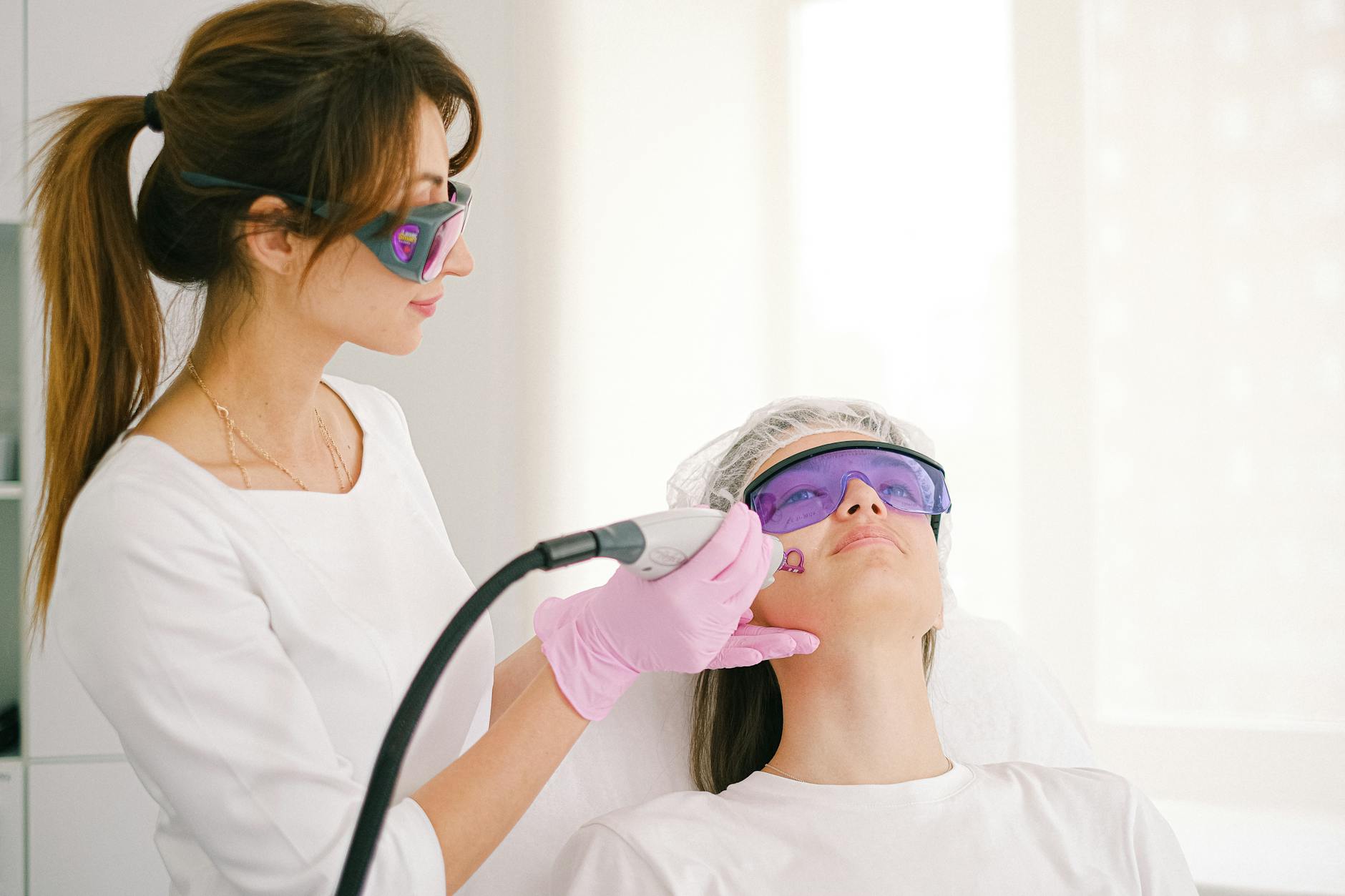
The treatment area is cleaned, and protective eyewear is provided to shield your eyes from the laser light.
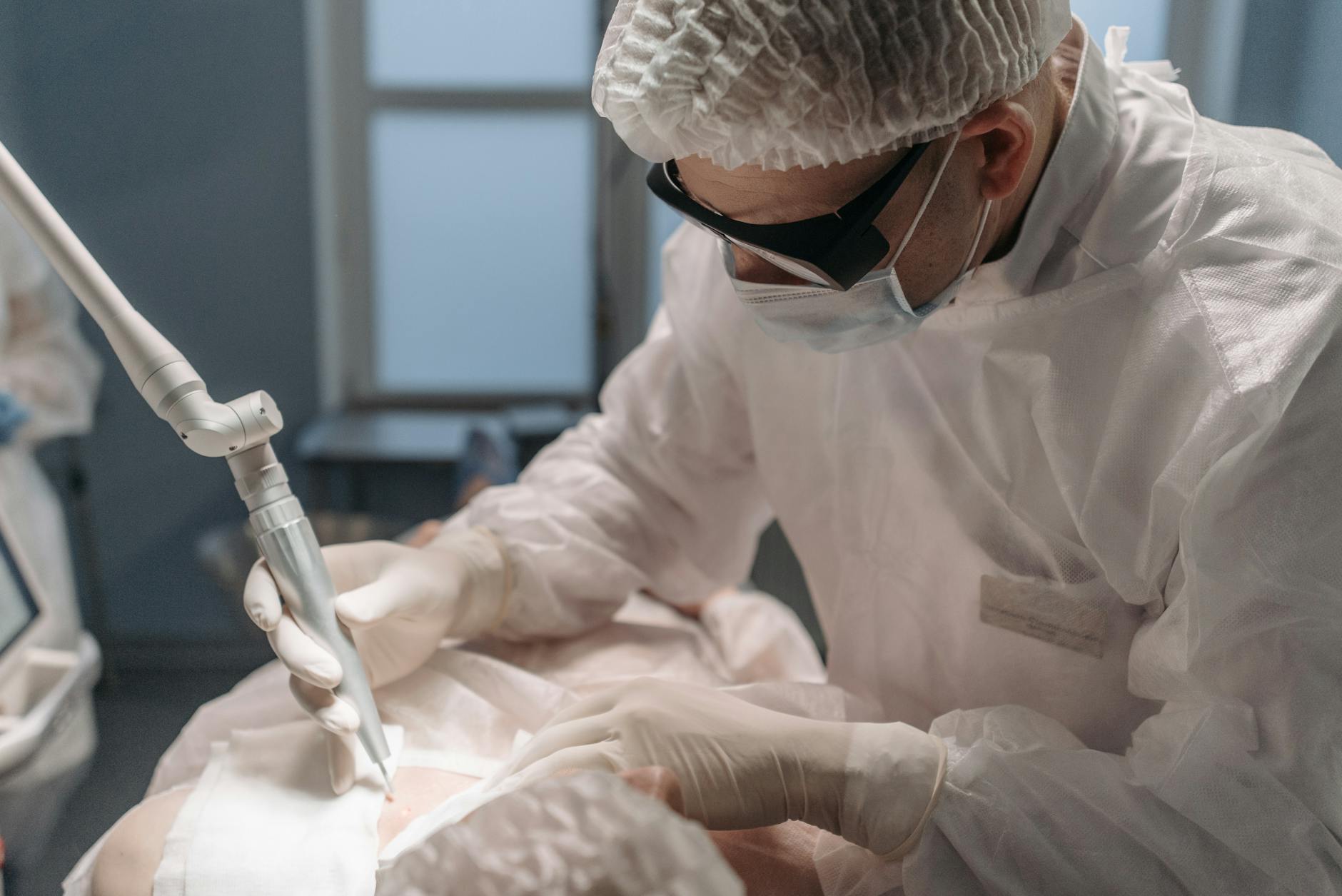
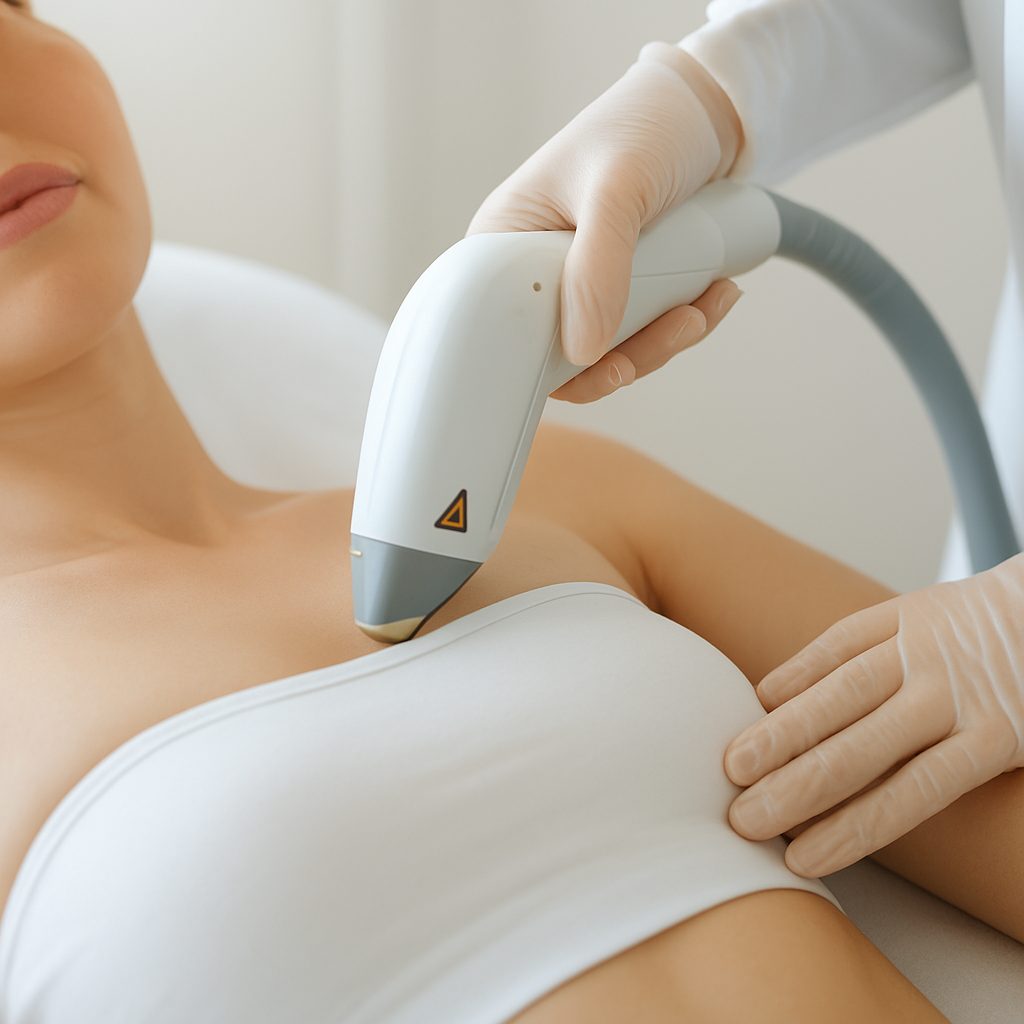
The practitioner delivers precise laser pulses to target pigmented areas while cooling the surrounding skin.
A cooling gel is applied, and you receive specific aftercare instructions to promote healing.
The laser pulses feel like quick rubber band snaps against your skin. Most patients describe the sensation as tolerable, with treatments lasting 15-30 minutes depending on the size and number of lesions being treated. For example, treating age spots on the back of your hands takes about 10 minutes, while addressing larger areas like sun damage across your chest requires more time.
Immediately after treatment, treated areas appear darker and may show slight swelling. This darkening indicates the laser successfully targeted the pigmented cells, which will naturally shed over the following weeks as your skin heals and reveals clearer results underneath.
Expected Results and Timeline for Pigmented Lesion Treatment
After alexandrite laser treatment, your pigmented lesion will immediately darken and may appear almost black. This darkening is completely normal and actually indicates successful treatment. Don't worry about this temporary appearance change – it's part of the healing process, not permanent damage.
The darkened lesion will begin forming a scab within 7-10 days, then gradually fade over the following two weeks. Most patients see significant improvement after their first session, with age spots often disappearing completely. Deeper pigmented lesions like melasma typically require 2-3 treatments spaced 6-8 weeks apart.
For example, a typical age spot might be 80% lighter after one treatment, while larger sun spots may need a second session for complete clearance. Results are generally permanent for age spots and freckles, though new sun damage can develop without proper protection. Maintenance treatments are rarely needed if you consistently use sunscreen and avoid excessive sun exposure.
Alexandrite Laser vs Other Pigmented Lesion Treatments

Choosing the right treatment for pigmented lesions depends on your specific concerns, skin type, and desired timeline. Alexandrite laser excels at targeting deep pigment with precision, making it ideal for stubborn age spots and melasma that resist other treatments.
Chemical Peels work through controlled acid exfoliation to remove damaged skin layers. While effective for surface-level discoloration and overall skin texture, they require multiple sessions and can cause temporary redness. Peels excel for treating large areas simultaneously but lack the targeted precision of laser treatment.
IPL (Intense Pulsed Light) uses broad-spectrum light to treat pigmentation but delivers less concentrated energy than alexandrite laser. This makes IPL gentler but often requires more sessions for comparable results.
Choose alexandrite laser when you need precise targeting of specific lesions without affecting surrounding skin. The controlled approach reduces risk of permanent scarring compared to aggressive chemical treatments. Laser treatment works fastest for isolated pigmented spots, while peels better address widespread sun damage across larger areas.
Preparing for and Recovering from Alexandrite Laser Treatment
Proper preparation significantly impacts your results and reduces complications. Start by avoiding sun exposure for two weeks before treatment, as tanned skin increases burning risk. Stop using retinoids, glycolic acid, and other exfoliating products three days prior. Your dermatologist may recommend specific cleansers to prep your skin.
Cleanse skin gently and arrive makeup-free on treatment day.
Apply ice packs for 10-15 minutes every few hours for the first day.
Use gentle cleanser and broad-spectrum SPF 30+ sunscreen religiously.
Expect mild redness and swelling for 24-48 hours. The pigmented spots will darken before flaking off within 7-14 days. Contact your provider immediately if you notice blistering, severe pain, or signs of infection, as proper healing prevents scarring.
Following pre and post-treatment instructions exactly as prescribed maximizes results and minimizes complications.
Frequently Asked Questions
What are pigmented lesions and what causes them?
Pigmented lesions are areas of skin where melanin has accumulated unevenly, creating dark patches that affect skin tone. Common types include age spots, sun spots, freckles, melasma, and café-au-lait birthmarks. These lesions typically develop from sun exposure, hormonal changes, or genetic factors.
How does the alexandrite laser work to remove pigmented lesions?
The alexandrite laser emits light at a 755-nanometer wavelength that specifically targets melanin while leaving surrounding skin tissue undamaged. When the laser hits the pigmented area, the melanin absorbs the energy and heats up rapidly, breaking apart the pigment clusters. Your body then naturally eliminates these broken-down pigment fragments through its immune system over several weeks.
What types of pigmented lesions can alexandrite laser treat?
Alexandrite lasers effectively treat age spots, sun spots, freckles, café-au-lait spots, and post-inflammatory hyperpigmentation from acne or injuries. The treatment works on various body areas including face, neck, décolletage, hands, arms, and legs. Some deeper pigmented lesions like café-au-lait spots may require multiple treatment sessions.
Does alexandrite laser treatment cause permanent scarring?
No, alexandrite laser treatment minimizes the risk of permanent scarring because it uses a targeted approach that doesn't damage surrounding healthy skin tissue. The laser's 755-nanometer wavelength is specifically absorbed by melanin but largely ignored by other skin components like blood vessels or collagen. This precision preserves your skin's natural texture and integrity while effectively removing unwanted pigmentation.
How many alexandrite laser sessions are needed to remove pigmented lesions?
The number of sessions varies depending on the type and depth of pigmented lesions being treated. Age spots on hands often show dramatic improvement after just two to three sessions, while deeper pigmented lesions like café-au-lait spots may require multiple sessions. Your dermatologist will assess your specific condition during the pre-treatment consultation to determine the expected number of treatments needed.
Disclaimer: This content is for informational purposes only and does not constitute medical advice. Always consult a qualified healthcare provider before making health decisions.