Common Alexandrite Laser Side Effects

Understanding what to expect after alexandrite laser treatment helps you prepare properly and reduces anxiety about the healing process. Most side effects are temporary and resolve within days to weeks, which is reassuring for patients worried about permanent skin damage.
Immediate skin reactions appear within minutes of treatment. Your skin will look red and feel tender, similar to a moderate sunburn. This redness typically peaks within the first few hours and gradually fades over 2-7 days, depending on your skin type and treatment intensity. Swelling often accompanies the redness, particularly around sensitive areas like the upper lip or underarms.
“Most patients describe the discomfort as manageable, rating it between 3-6 on a scale of 10.”
Pain levels vary significantly between individuals and treatment areas. During the procedure, most people feel sharp, snapping sensations as the laser pulses. Post-treatment discomfort resembles a sunburn and usually subsides within 24-48 hours. Over-the-counter pain relievers and cool compresses provide effective relief.
Temporary pigment changes occur in some patients, especially those with darker skin tones. The treated area may appear lighter (hypopigmentation) or darker (hyperpigmentation) than surrounding skin. These changes typically resolve within 3-6 months as your skin naturally regenerates. For example, a patient treating facial hair might notice slight darkening around the treatment area that fades completely within a few months.
Proper aftercare significantly reduces the severity and duration of these common side effects, making your recovery smoother and more comfortable.
Serious Risks and Complications
While serious complications from alexandrite laser treatment are uncommon, understanding these risks helps you make informed decisions about your skin care. The most concerning potential outcomes include permanent scarring, severe burns, lasting pigmentation changes, and eye injuries.
Permanent scarring represents the most feared complication, occurring when the laser energy penetrates too deeply or when post-treatment care instructions aren't followed properly. This risk increases significantly if you have a history of keloid formation or if the treatment area becomes infected. Patients with darker skin tones face higher scarring risks due to increased melanin absorption of laser energy.
“Understanding these rare but serious risks empowers you to recognize warning signs and seek immediate medical attention when necessary.”
Severe burns can result from incorrect laser settings, overlapping treatment areas, or inadequate skin cooling. These burns may require medical intervention and can lead to permanent texture changes or discoloration. Third-degree burns, while extremely rare, have been reported in cases where inexperienced operators used inappropriate parameters.
Permanent pigmentation changes affect both hyperpigmentation (darkening) and hypopigmentation (lightening) of treated areas. These changes prove particularly problematic for individuals with naturally darker skin, where contrast becomes more noticeable. For example, a patient might develop white patches on olive-toned skin that remain visible years after treatment.
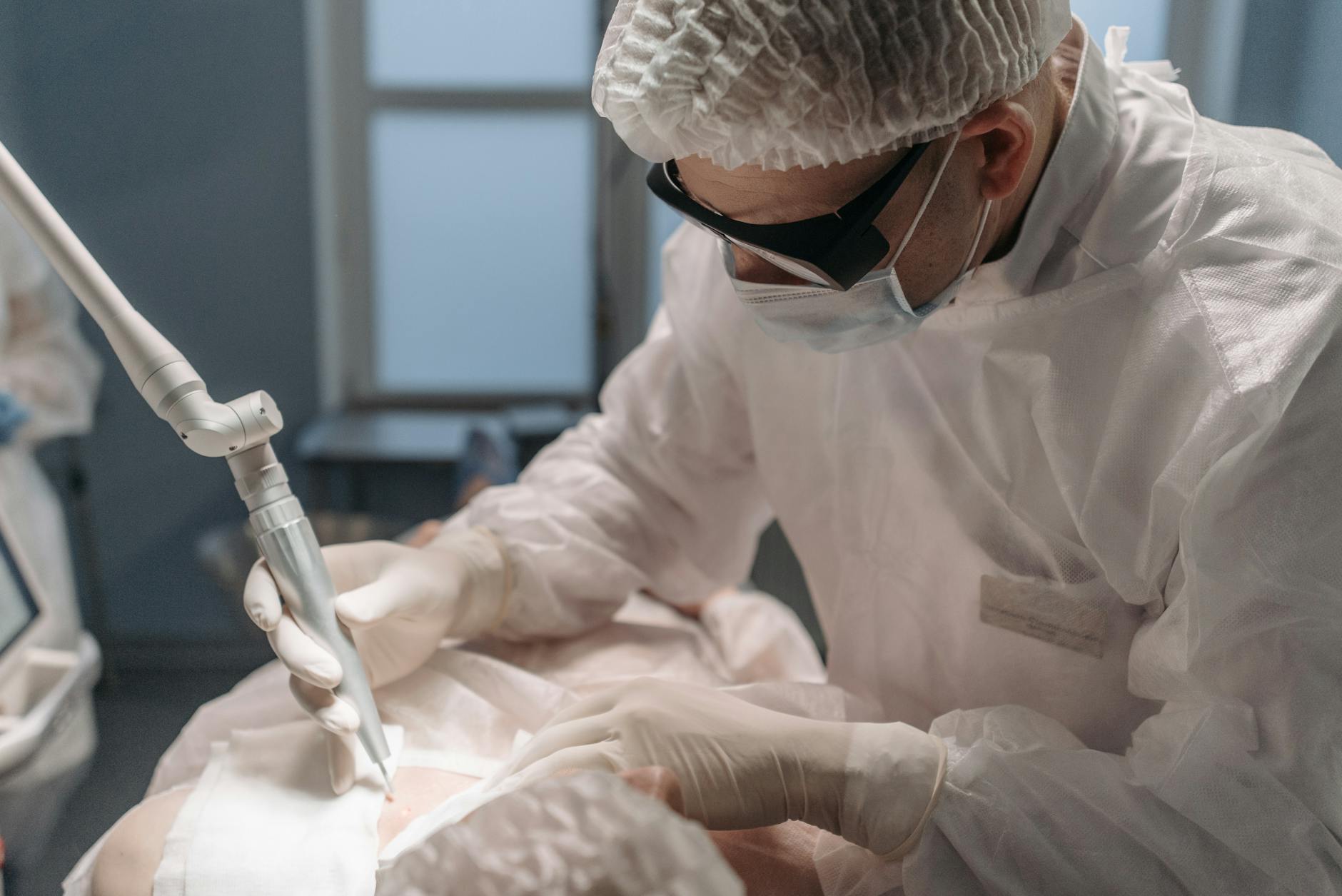
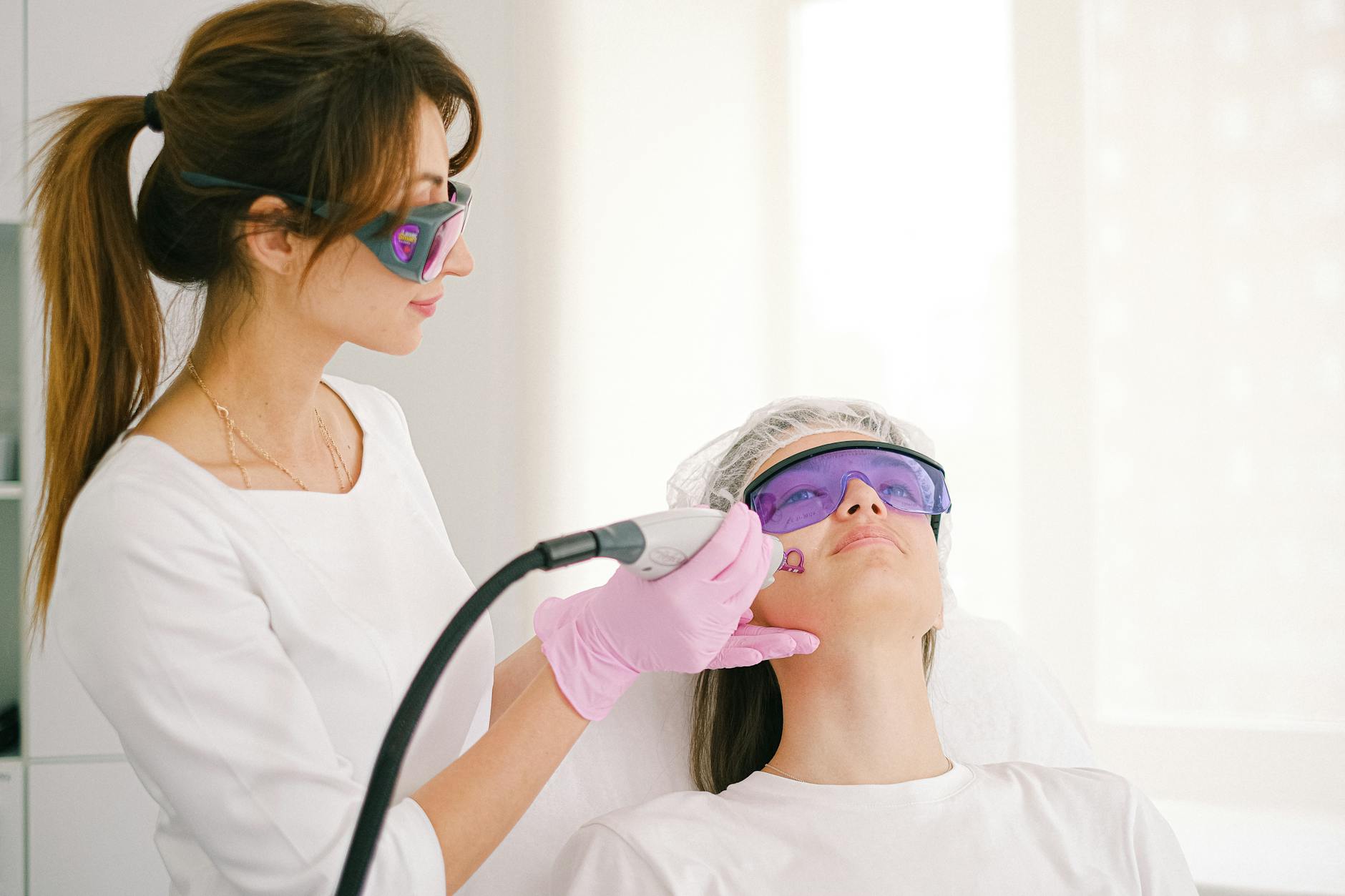
Eye injuries pose serious risks if proper protective eyewear isn't used during facial treatments. The alexandrite laser's infrared wavelength can cause retinal damage or corneal burns, potentially resulting in vision impairment or blindness. Both patients and operators must wear appropriate laser safety goggles throughout every session to prevent accidental exposure.
Skin Type and Risk Factors

Your skin type plays a crucial role in determining how well you'll respond to alexandrite laser treatment and what side effects you might experience. Understanding these risk factors helps set realistic expectations and prevents unwanted surprises during your treatment journey.
The Fitzpatrick skin type scale classifies skin based on how it reacts to sun exposure, ranging from Type I (very fair, always burns) to Type VI (very dark, never burns). Alexandrite lasers work best on lighter skin types (I-III) because they target the contrast between dark hair and light skin. People with fair skin typically experience fewer complications and see better results.
Darker skin types (IV-VI) face higher risks when treated with alexandrite lasers. The laser can struggle to distinguish between the melanin in hair follicles and the natural melanin in darker skin, potentially causing burns, hyperpigmentation, or permanent scarring. Many practitioners recommend alternative laser types for patients with darker complexions to avoid these complications.
Certain medical conditions increase your risk of complications. Autoimmune disorders, diabetes, and conditions affecting wound healing can slow recovery and increase infection risk. Active skin conditions like eczema or psoriasis in the treatment area should be controlled before laser sessions.
Several medications can make your skin more sensitive to laser treatment. Blood thinners increase bruising risk, while antibiotics like tetracycline can cause severe burns. Accutane users must wait six months after stopping the medication before laser treatment. Always provide your practitioner with a complete medication list, including supplements and topical treatments, to avoid dangerous interactions that could lead to permanent skin damage.
Who Should Avoid Alexandrite Laser Treatment
Certain medical conditions and circumstances make alexandrite laser treatment unsafe or ineffective. Understanding these contraindications prevents complications and helps you make informed decisions about your skin care journey.
Pregnancy and breastfeeding represent absolute contraindications for laser treatments. Hormonal fluctuations during these periods increase skin sensitivity and pigmentation changes, making treatment outcomes unpredictable. Your skin also becomes more prone to discoloration that could become permanent.
Active skin infections, including bacterial, viral, or fungal conditions, must heal completely before laser treatment. The laser energy can spread infection deeper into tissues and delay healing. This includes cold sores, impetigo, or any open wounds in the treatment area.
Patients with a history of keloid scarring face increased risks of abnormal scar formation after laser treatment. Keloids represent an overactive healing response that creates raised, thick scars extending beyond the original wound. If you develop keloids easily, discuss alternative treatments like Chemical Peels with your dermatologist, as these acid treatments that remove damaged skin layers through controlled chemical exfoliation may offer safer options for improving skin texture and appearance.
Recent sun exposure within four weeks creates heightened photosensitivity and increases burning risks. Tanned skin contains elevated melanin levels that compete with hair follicles for laser energy, reducing effectiveness while raising complication rates. Wait until your tan fades completely before scheduling treatment.
How to Minimize Side Effects
Taking the right steps before, during, and after your alexandrite laser treatment dramatically reduces your risk of complications and helps prevent the permanent scarring that many patients worry about.
Stop using retinoids, glycolic acid, and other exfoliating products one week before treatment to reduce skin sensitivity.
Select board-certified dermatologists or trained laser technicians who understand your skin type and can adjust settings appropriately.
Apply prescribed healing ointments, avoid sun exposure for two weeks, and keep treated areas clean and moisturized.
Avoid tanning beds, self-tanners, and prolonged sun exposure for at least four weeks before treatment. Your skin should be as close to its natural color as possible to prevent burns or pigmentation changes.
During treatment, speak up immediately if you feel excessive pain or burning. A skilled provider will adjust the laser intensity to match your comfort level and skin response. For example, if you have olive skin, your technician should use lower energy settings and longer pulse durations.
Watch for warning signs after treatment that require immediate medical attention: severe blistering, pus-filled bumps, extreme redness lasting more than 48 hours, or any signs of infection like fever or spreading inflammation. Most side effects resolve within days, but catching problems early prevents lasting damage.
Schedule your treatments during cooler months when sun exposure is naturally limited, and always use broad-spectrum SPF 30 or higher sunscreen on treated areas once healing begins.
When to Contact Your Provider

Knowing when to seek medical attention after alexandrite laser treatment can prevent complications and give you peace of mind. Most healing follows a predictable pattern, but certain symptoms require immediate professional evaluation.
Contact your provider immediately if you experience severe burning pain that worsens after 48 hours, signs of infection like yellow or green discharge, expanding red streaks from treated areas, or fever above 101°F. These symptoms could indicate serious complications requiring prompt treatment.
Normal healing includes mild redness lasting 2-7 days, slight swelling for 24-48 hours, and temporary darkening of treated hair follicles. However, call your provider if you notice blistering larger than a pinhead, white or gray patches on your skin, or persistent pain beyond one week.
Understanding normal timelines helps distinguish concerning symptoms from expected healing. Redness should gradually fade within a week, not intensify. For example, if treated areas become increasingly red and tender on day three instead of improving, contact your provider immediately.
Schedule your follow-up appointment as recommended, typically 4-6 weeks after treatment. Don't wait for problems to develop—routine check-ins ensure optimal healing and address any concerns early. Your provider can assess your skin's response and adjust future treatment plans accordingly.
Making an Informed Decision
Weighing alexandrite laser treatment requires careful consideration of your skin type, lifestyle, and expectations. The technology offers proven effectiveness for hair removal and pigmentation issues, but results vary significantly based on individual factors.
Ask your provider about their experience with your specific concerns, expected treatment timeline, and realistic outcomes. Discuss alternatives like IPL, electrolysis, or topical treatments that might better suit your needs and budget.
While concerns about permanent scarring are understandable, choosing an experienced provider dramatically reduces this risk. Professional consultation allows you to assess whether alexandrite laser aligns with your goals for clear, healthy skin.
Schedule consultations with multiple providers to compare approaches and pricing before committing to treatment.
Thorough consultation with experienced providers is essential to determine if alexandrite laser treatment matches your skin goals and risk tolerance.
Frequently Asked Questions
What are the common side effects after alexandrite laser treatment?
The most common side effects include redness and tenderness similar to a moderate sunburn, which typically peaks within the first few hours and fades over 2-7 days. Swelling often occurs, particularly around sensitive areas like the upper lip or underarms. Pain levels vary but most patients rate discomfort between 3-6 on a scale of 10, with post-treatment discomfort usually subsiding within 24-48 hours.
Can alexandrite laser treatment cause permanent skin damage?
While serious complications are uncommon, permanent scarring can occur when laser energy penetrates too deeply or post-treatment care isn't followed properly. This risk increases significantly for patients with a history of keloid formation, darker skin tones, or if the treatment area becomes infected. Permanent pigmentation changes, including white patches or dark spots, can also develop, particularly in individuals with naturally darker skin.
How long do pigment changes last after alexandrite laser treatment?
Temporary pigment changes, where the treated area appears lighter or darker than surrounding skin, typically resolve within 3-6 months as your skin naturally regenerates. These changes occur more commonly in patients with darker skin tones due to increased melanin absorption of laser energy. However, in some cases, pigmentation changes can become permanent, especially in individuals with naturally darker skin.
What are the serious risks of alexandrite laser treatment?
Serious risks include permanent scarring, severe burns requiring medical intervention, lasting pigmentation changes, and eye injuries. Third-degree burns, while extremely rare, have been reported in cases with inexperienced operators using inappropriate parameters. Eye injuries can cause retinal damage or corneal burns, potentially resulting in vision impairment or blindness if proper protective eyewear isn't used during facial treatments.
Disclaimer: This content is for informational purposes only and does not constitute medical advice. Always consult a qualified healthcare provider before making health decisions.