What Is Alexandrite Laser Technology

Alexandrite laser technology represents one of the most precise tools in modern dermatology. This advanced laser system uses a synthetic alexandrite crystal as its active medium, which produces a specific wavelength of light at exactly 755 nanometers. This wavelength falls within the near-infrared spectrum, making it particularly effective for targeting melanin in hair follicles and certain skin pigments.
“The 755nm wavelength offers the perfect balance of penetration depth and melanin absorption for safe, effective treatments.”
The alexandrite crystal itself is a chromium-doped chrysoberyl that creates coherent, concentrated light beams. Unlike broad-spectrum light sources used in some beauty devices, alexandrite lasers emit a single, focused wavelength. This precision allows dermatologists to target specific structures in your skin without affecting surrounding tissue.
What sets this technology apart from regular light sources is its ability to deliver consistent energy levels. While IPL devices use multiple wavelengths simultaneously, alexandrite lasers maintain their 755nm focus throughout treatment. This controlled approach reduces the risk of uneven results or unwanted side effects, addressing concerns about permanent damage that many patients worry about when considering laser treatments.
How Alexandrite Laser Targets Hair and Pigmentation

Alexandrite laser works through a principle called selective photothermolysis, which sounds complex but operates on a simple concept: the laser light seeks out and destroys specific targets while leaving surrounding healthy tissue unharmed. This precision targeting is what makes the treatment both effective and safe when performed correctly.
"The laser light seeks out melanin like a heat-seeking missile, targeting only the pigmented areas that need treatment."
The key to this process lies in melanin absorption. Melanin is the pigment that gives color to your hair, skin, and unwanted dark spots. The 755-nanometer wavelength of alexandrite laser is specifically absorbed by melanin, while largely ignoring other tissues. When melanin absorbs this laser energy, it rapidly converts to heat.
During hair removal, this heat generation process destroys the hair follicle's growth center. For pigmentation issues like sun spots or age spots, the heat breaks down the concentrated melanin clusters. The body then naturally eliminates these damaged cells over the following weeks.
For example, when treating a dark hair on light skin, the laser energy travels down the hair shaft to the follicle root, where melanin concentration is highest. The surrounding skin remains largely unaffected because it contains less melanin to absorb the laser energy. This selective mechanism minimizes the risk of permanent scarring when treatments are performed by qualified professionals.
The Treatment Process Step by Step
Understanding what happens during your alexandrite laser session can help ease any concerns about the process. Each treatment follows a careful sequence designed for safety and effectiveness.
Your technician evaluates your skin type and cleanses the treatment area thoroughly.
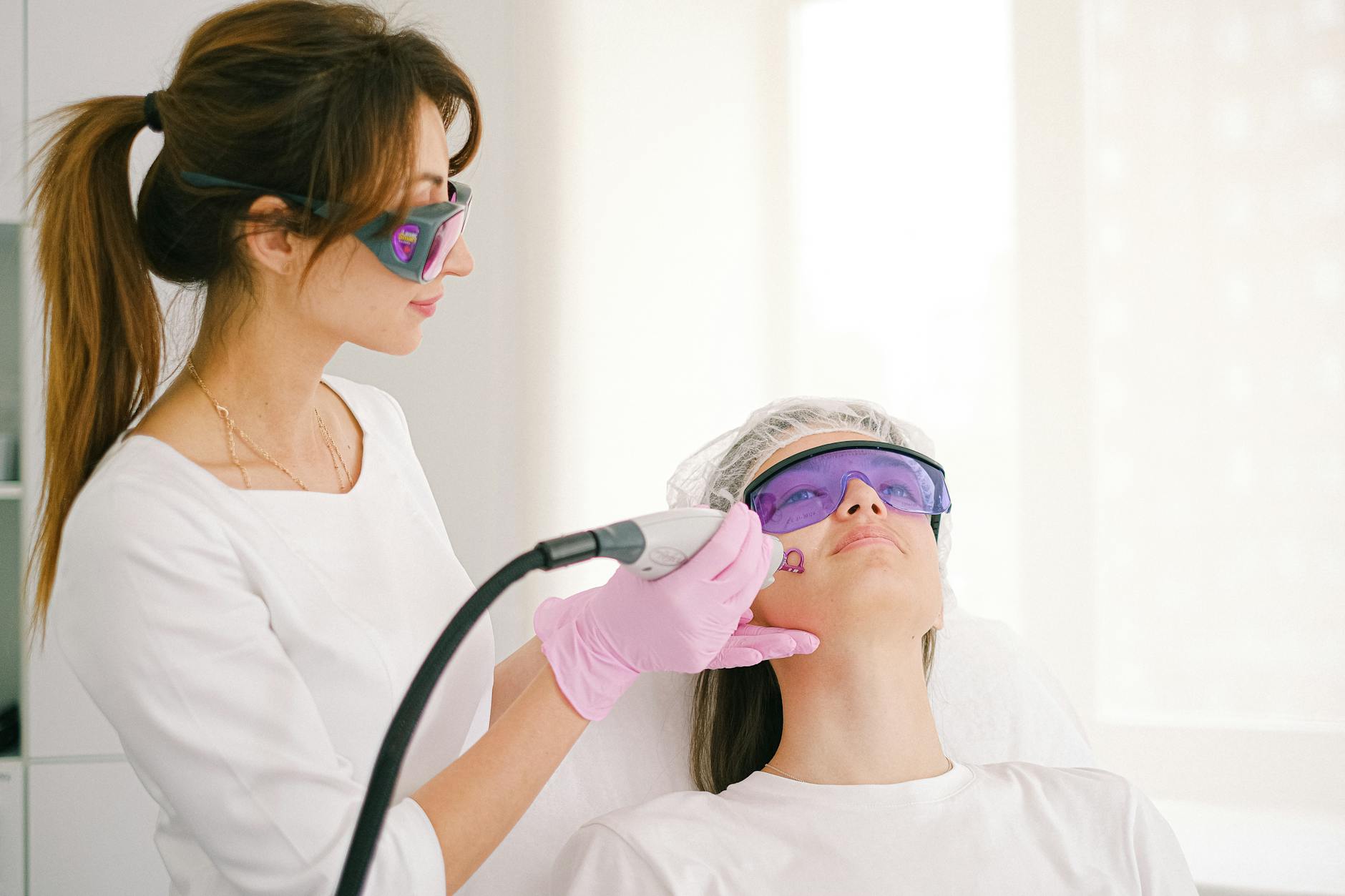
Both you and the technician wear specialized safety glasses to protect against laser light.
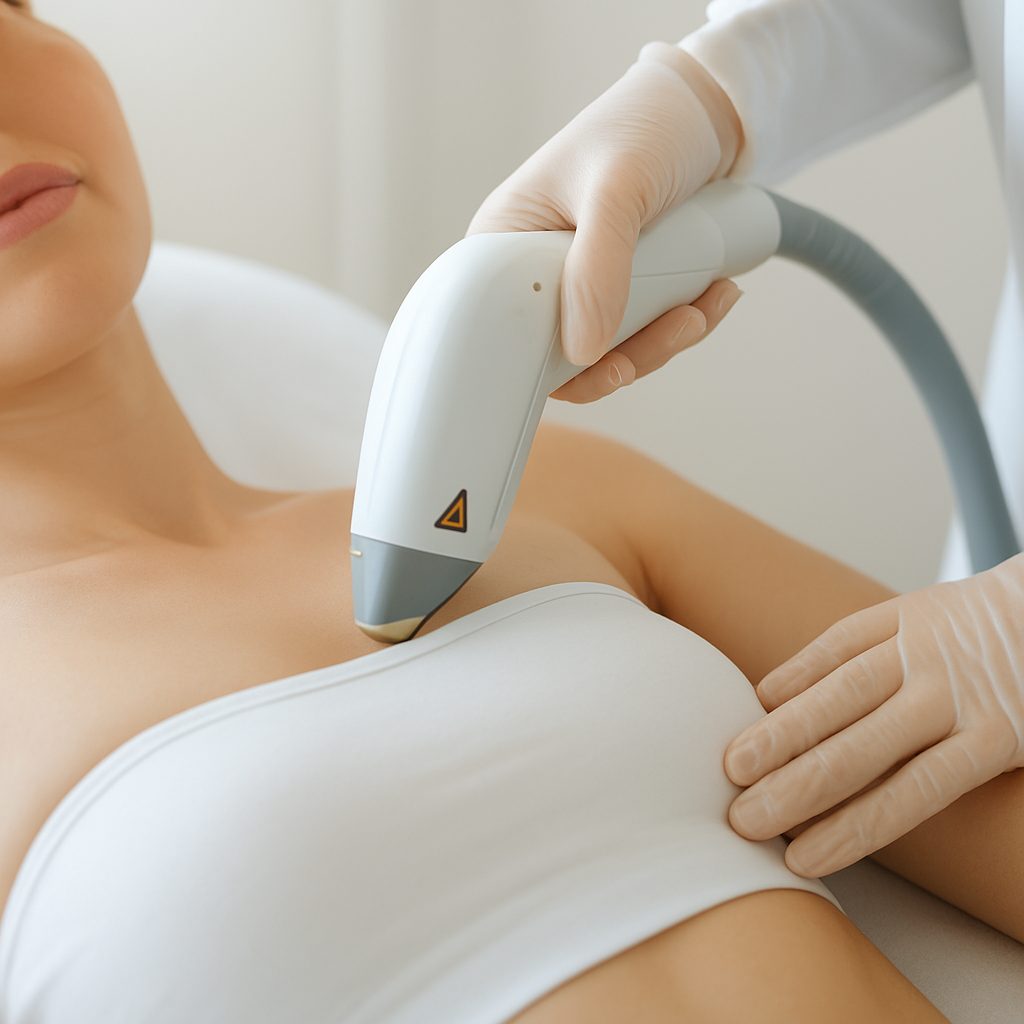
The device's built-in cooling tip chills your skin to minimize discomfort and prevent surface damage.
Quick, controlled laser pulses target hair follicles while the cooling system protects surrounding skin.
During pulse delivery, you'll feel a rubber band snap sensation followed by immediate cooling relief. Most patients describe this as tolerable rather than painful. The laser emits brief flashes of light, each lasting milliseconds but precisely timed to heat hair follicles without burning surrounding tissue.
Immediately after treatment, you might notice mild redness similar to a light sunburn. This normal response typically fades within a few hours. Some patients see immediate results when treated hairs begin shedding within two weeks, though complete results require multiple sessions spaced several weeks apart.
Why Alexandrite Wavelength Works Best
The 755nm wavelength of alexandrite lasers represents decades of research into optimal acne treatment. This specific wavelength penetrates skin to precisely the depth where acne bacteria thrive, while remaining gentle enough to avoid the permanent scarring that many patients fear.
Melanin, the pigment that gives skin its color, absorbs the 755nm wavelength efficiently. This creates the perfect balance—enough absorption to generate therapeutic heat that destroys acne bacteria, but not so much that it damages surrounding healthy tissue. The laser energy converts to controlled heat at exactly the right skin depth.
Shorter wavelengths like 532nm don't penetrate deep enough to reach acne's source, while longer wavelengths like 1064nm may penetrate too deeply and affect structures below the target area. The 755nm sweet spot ensures maximum effectiveness with minimal side effects, targeting oil glands and bacteria where they cause the most damage without affecting deeper skin layers.
Alexandrite vs Other Treatment Options

Understanding your treatment choices helps you make the best decision for your skin concerns. Alexandrite lasers excel at targeting specific pigments and hair follicles, making them ideal for hair removal, age spots, and certain pigmentation issues. However, they work differently than other popular treatments.
Chemical peels work through controlled chemical exfoliation to remove damaged skin layers, improving texture and addressing acne scars, fine lines, and uneven tone. While peels resurface your entire treatment area, alexandrite lasers precisely target specific chromophores without affecting surrounding tissue.
Your dermatologist typically chooses alexandrite when you need precise targeting with minimal downtime. Other laser types like CO2 work better for deep wrinkles, while IPL suits general skin rejuvenation. Many patients benefit from combining treatments—perhaps alexandrite for hair removal followed by chemical peels for overall skin texture improvement.
What to Expect During Your Treatment
Most patients describe alexandrite laser treatment as feeling like a rubber band snapping against the skin, followed by a warm sensation. Your provider will apply cooling gel beforehand to minimize discomfort, and many devices include built-in cooling systems that blow cold air during treatment.
Treatment duration depends on the area being treated. A small section like the upper lip takes just 2-3 minutes, while larger areas like the full face require 15-20 minutes. Your dermatologist will move the laser handpiece systematically across your skin, ensuring complete coverage without overlap.
Immediately after treatment, expect mild redness and slight swelling that resembles a sunburn. This reaction is completely normal and indicates the laser worked effectively. The treated area may feel tender to touch for 24-48 hours. Some patients notice their skin appears slightly darker initially - this darkening fades within a week as treated hair follicles shed naturally.
Alexandrite laser treatment causes temporary, manageable discomfort with no risk of permanent scarring when performed by qualified professionals.
Frequently Asked Questions
What is alexandrite laser technology?
Alexandrite laser technology is an advanced laser system that uses a synthetic alexandrite crystal to produce light at exactly 755 nanometers. This wavelength falls within the near-infrared spectrum and is particularly effective for targeting melanin in hair follicles and certain skin pigments. Unlike broad-spectrum light sources, alexandrite lasers emit a single, focused wavelength for precise treatment.
How does alexandrite laser work for hair removal?
Alexandrite laser works through selective photothermolysis, where the 755-nanometer wavelength is specifically absorbed by melanin in hair follicles. When melanin absorbs the laser energy, it converts to heat which destroys the hair follicle's growth center. The surrounding skin remains largely unaffected because it contains less melanin to absorb the laser energy.
Can alexandrite laser treat pigmentation issues?
Yes, alexandrite laser can effectively treat pigmentation issues like sun spots and age spots. The laser energy breaks down concentrated melanin clusters in these dark spots through heat generation. The body then naturally eliminates these damaged cells over the following weeks.
Is alexandrite laser safe for my skin?
Alexandrite laser is considered safe when performed by qualified professionals because it uses selective photothermolysis to target only melanin-rich areas. The controlled 755nm wavelength approach reduces the risk of uneven results or unwanted side effects. The precision targeting leaves surrounding healthy tissue unharmed, minimizing the risk of permanent scarring.
What makes alexandrite laser different from IPL?
Alexandrite laser emits a single, focused wavelength at 755 nanometers, while IPL devices use multiple wavelengths simultaneously. This precision allows alexandrite lasers to maintain consistent energy levels throughout treatment and deliver more controlled results. The focused approach of alexandrite technology reduces the risk of uneven results compared to broad-spectrum light sources.
Disclaimer: This content is for informational purposes only and does not constitute medical advice. Always consult a qualified healthcare provider before making health decisions.