Ideal Skin Types for CO2 Laser Treatment

CO2 laser treatment works best on lighter skin tones, specifically Fitzpatrick skin types I through III. These include fair to light brown skin that typically burns before tanning. People with these skin types see excellent results with minimal risk of permanent discoloration.
“Lighter skin tones respond beautifully to CO2 laser with predictable healing and dramatic improvement.”
Darker skin tones (types IV-VI) require extreme caution and specialized expertise. These skin types produce more melanin, which increases the risk of post-inflammatory hyperpigmentation or permanent dark spots that can be more noticeable than your original skin concerns.
For example, someone with olive or darker skin considering CO2 laser should consult a dermatologist experienced in treating diverse skin tones. Alternative treatments like fractional lasers may be safer options that achieve similar results without the scarring risks you're worried about.
Medical Conditions That Make You a Good Candidate

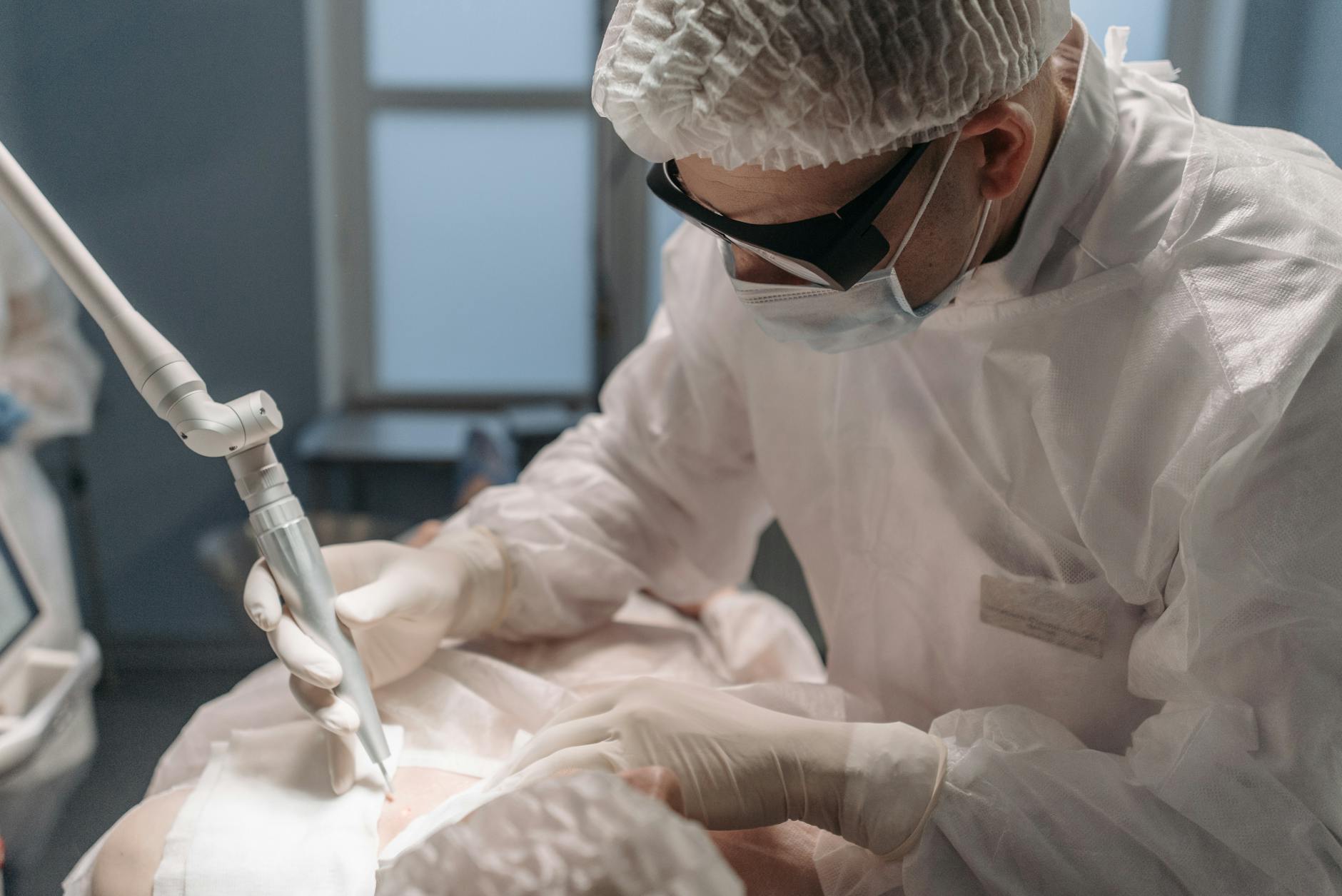
CO2 laser treatment excels at addressing specific skin concerns that resist other treatments. Deep wrinkles and acne scarring respond particularly well because the laser penetrates deeper than Chemical Peels, creating controlled micro-injuries that stimulate collagen production. This process rebuilds skin structure from within, smoothing out stubborn scars that might cause social embarrassment.
“CO2 laser penetrates deeper than chemical peels, creating controlled micro-injuries that stimulate collagen production.”
Sun damage and age spots also make you an excellent candidate. The laser precisely targets pigmented cells, breaking them down for natural elimination. Skin laxity and texture issues round out the ideal conditions, as the treatment tightens loose skin while refining rough patches. Unlike gentler treatments, CO2 laser addresses these concerns comprehensively in fewer sessions.
Health Requirements and Age Considerations
Most dermatologists require patients to be at least 18 years old for CO2 laser treatment, though some consider candidates as young as 16 with parental consent for severe acne scarring. Your overall health plays a crucial role in determining candidacy, as the procedure requires your body to heal properly afterward.
Good candidates typically have no active infections, aren't pregnant or breastfeeding, and don't take medications that impair healing like blood thinners or certain acne medications. Your skin's healing capacity matters significantly – if you've had problems with wound healing or keloid scarring in the past, discuss these concerns with your dermatologist to minimize risks of permanent scarring.
When CO2 Laser May Not Be Right for You

CO2 laser treatment isn't suitable for everyone. If you have active skin infections, open wounds, or inflammatory conditions like severe acne, you'll need to wait until these heal completely. Using certain medications can also disqualify you temporarily.
Recent use of isotretinoin (Accutane) within six months makes your skin too fragile for laser treatment. Blood thinners, some antibiotics, and photosensitizing medications can increase your risk of complications and scarring—the very outcome you're trying to avoid.
Unrealistic expectations pose another barrier. If you expect overnight results or believe one session will eliminate decades of sun damage, you may feel disappointed. For example, deep acne scars typically require multiple treatments over several months, not instant transformation.
Pregnancy and breastfeeding also require postponing treatment until later.
Getting Professional Assessment
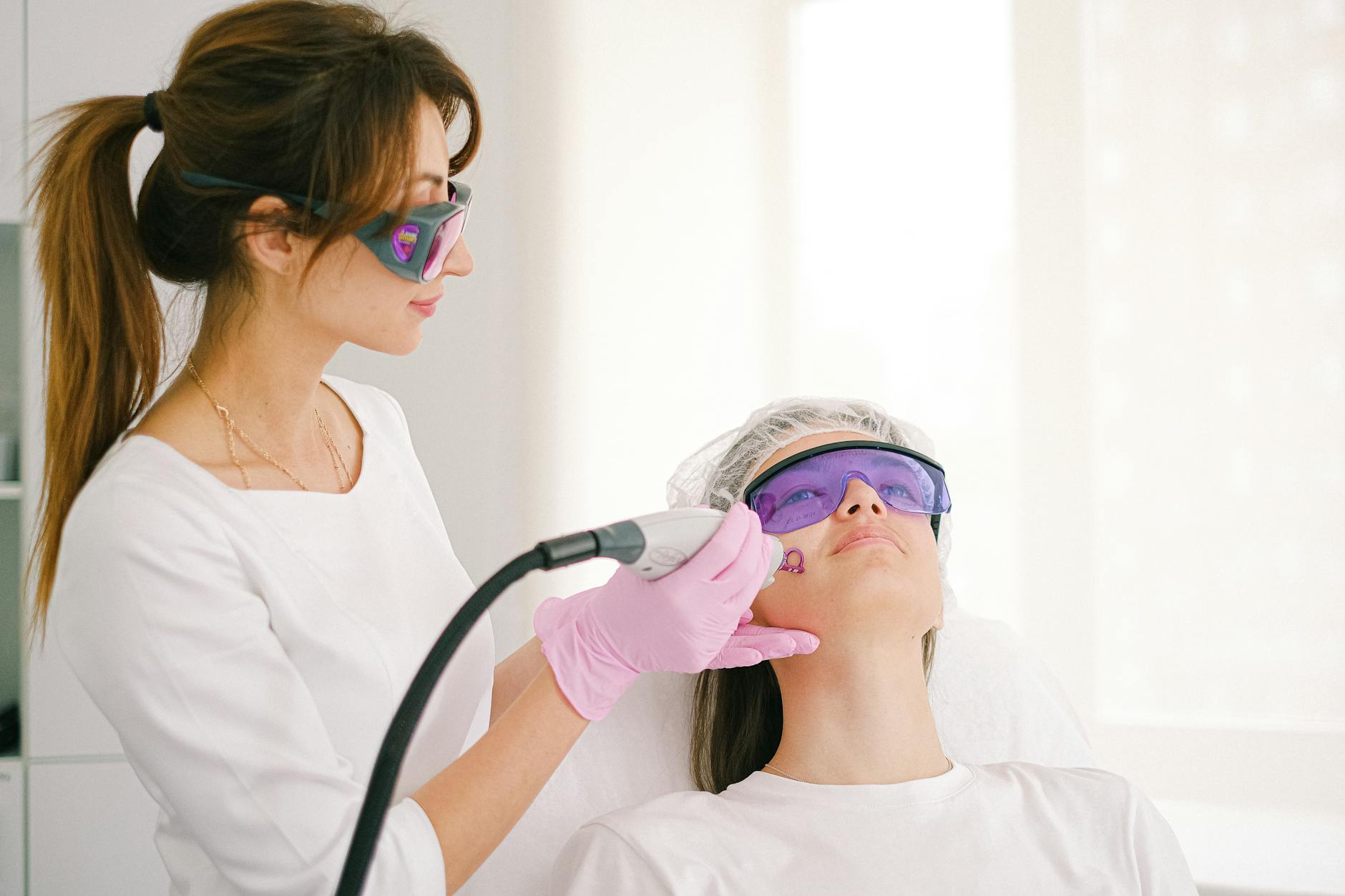
A dermatologist consultation is essential before pursuing CO2 laser treatment. Your skin needs professional evaluation to determine if you're a suitable candidate and to address any concerns about potential scarring or complications.
During your consultation, expect a thorough skin examination and discussion of your medical history. Your dermatologist will assess your skin type, examine problem areas, and explain realistic expectations for your specific situation.
Ask about the doctor's experience with CO2 lasers, expected downtime, and post-treatment care requirements. Inquire about alternative treatments if laser isn't recommended for your skin type or condition.
Professional evaluation ensures CO2 laser treatment matches your skin's needs and minimizes risks.
Frequently Asked Questions
What skin types are best for CO2 laser treatment?
CO2 laser treatment works best on lighter skin tones, specifically Fitzpatrick skin types I through III, which include fair to light brown skin that typically burns before tanning. These skin types see excellent results with minimal risk of permanent discoloration. Darker skin tones (types IV-VI) require extreme caution and specialized expertise due to increased risk of post-inflammatory hyperpigmentation or permanent dark spots.
What age do you need to be for CO2 laser treatment?
Most dermatologists require patients to be at least 18 years old for CO2 laser treatment. Some practitioners may consider candidates as young as 16 with parental consent, but this is typically only for severe acne scarring cases. Your overall health and skin's healing capacity are more important factors than age alone.
What conditions can CO2 laser treat effectively?
CO2 laser treatment excels at addressing deep wrinkles, acne scarring, sun damage, age spots, skin laxity, and texture issues. The laser penetrates deeper than chemical peels, creating controlled micro-injuries that stimulate collagen production to rebuild skin structure from within. It precisely targets pigmented cells and tightens loose skin while refining rough patches in fewer sessions than gentler treatments.
What medications make you ineligible for CO2 laser treatment?
Recent use of isotretinoin (Accutane) within six months makes your skin too fragile for laser treatment. Blood thinners, some antibiotics, and photosensitizing medications can increase your risk of complications and scarring. Medications that impair healing also disqualify candidates, so it's essential to discuss all medications with your dermatologist before treatment.
When should you avoid CO2 laser treatment?
You should avoid CO2 laser treatment if you have active skin infections, open wounds, inflammatory conditions like severe acne, or are pregnant or breastfeeding. Treatment should be postponed until skin conditions heal completely. Additionally, those with unrealistic expectations about overnight results or believing one session will eliminate decades of damage may be disappointed with the gradual improvement process.
Disclaimer: This content is for informational purposes only and does not constitute medical advice. Always consult a qualified healthcare provider before making health decisions.