What to Expect: Your CO2 Laser Recovery Journey

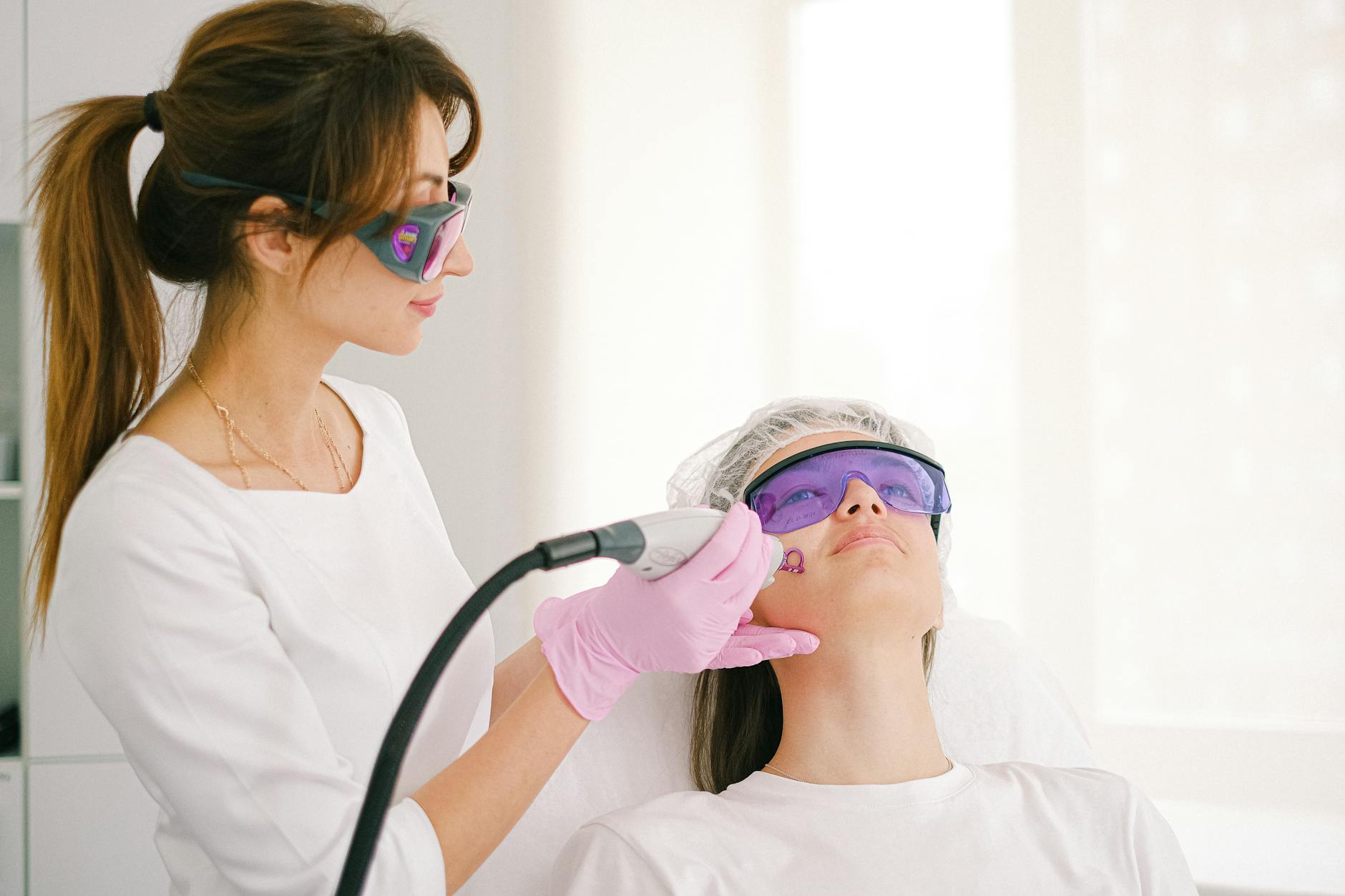
CO2 laser treatment transforms your skin through a carefully orchestrated healing process that unfolds over several weeks. Understanding this journey helps you prepare mentally and physically for what lies ahead, reducing anxiety about the recovery process and helping you achieve the best possible results.
“Proper aftercare during recovery determines whether you achieve stunning results or face disappointing complications.”
Your recovery happens in three distinct phases. The immediate phase spans the first 7-10 days, during which your skin appears red and swollen while new tissue forms underneath. The intermediate phase covers weeks 2-4, when redness gradually fades and your new skin emerges. The final maturation phase extends from month 2-6, as collagen rebuilds and your skin reaches its optimal appearance.
Most patients see significant improvement within 2-3 weeks, though complete healing takes 3-6 months depending on treatment depth. While concerns about scarring are natural, following proper aftercare protocols dramatically reduces this risk. Your skin will look worse before it looks better, but this temporary appearance is part of the normal healing process.
Consistent care during recovery directly impacts your final results, making the difference between good outcomes and exceptional skin transformation.
Days 1-3: Immediate Post-Treatment Care
The first 72 hours after CO2 laser treatment are crucial for proper healing and preventing complications. Your skin will look red and swollen, similar to a moderate sunburn, which is completely normal. During this critical period, your wound care routine determines how well your skin heals.
“Proper care in the first three days sets the foundation for optimal healing and minimal scarring.”
Clean your treated areas twice daily with cool water and a gentle, fragrance-free cleanser. Pat the skin dry with a clean towel—never rub or scrub. Apply the prescribed ointment or moisturizer immediately while your skin is still slightly damp to lock in moisture.
Rinse with cool water and pat dry with a clean towel twice daily.
Use prescribed products on damp skin to maintain proper moisture levels.
Stay indoors or use physical barriers like hats when outside.
Pain management typically involves over-the-counter medications like ibuprofen or acetaminophen. Some patients experience mild throbbing or burning sensations, which should gradually decrease each day. Contact your dermatologist immediately if you notice increasing pain, yellow or green discharge, red streaks, or fever above 101°F—these may indicate infection.
Avoid all strenuous activities, hot showers, saunas, and direct sunlight. Sleep with your head elevated on extra pillows to reduce swelling. Skip makeup, skincare products, and any touching or picking at the treated areas. These restrictions protect your vulnerable skin and prevent permanent scarring, which is a common concern during this vulnerable healing phase.
Days 4-7: Managing the Peeling Phase

Around day four, your skin enters the most challenging phase of CO2 laser recovery. The treated area begins peeling in sheets or flakes, revealing pink, tender skin underneath. This process can look alarming, but it's completely normal and signals proper healing.
Never pick, pull, or scratch at peeling skin. Forced removal creates wounds that can lead to scarring or infection. Instead, let the dead skin fall off naturally while you sleep or during gentle cleansing. If loose pieces irritate you, carefully trim them with clean scissors rather than pulling.
Wash with lukewarm water and mild, fragrance-free cleanser twice daily.
Apply thick barrier cream every 2-3 hours to prevent cracking and speed healing.
Use SPF 30+ sunscreen and avoid direct sunlight whenever possible.
Your moisturizing routine becomes critical during this phase. Apply a thick, occlusive moisturizer like petroleum jelly or specialized post-laser balm every few hours. The new skin underneath needs constant hydration to prevent cracking and discomfort.
Avoid all makeup, retinoids, acids, and active skincare ingredients during this week. These products can irritate the delicate new skin and delay healing. Stick to gentle, fragrance-free products recommended by your dermatologist.
The peeling typically peaks around day five or six, then gradually subsides. By day seven, most of the old skin has shed, revealing smoother, pinker skin that will continue improving over the following weeks.
Week 2-4: Supporting New Skin Formation
Your skin enters a crucial healing phase during weeks two through four. The aggressive peeling subsides, revealing pink, sensitive new skin underneath. This fresh skin layer requires careful protection and gentle treatment to develop properly without complications.
Sun protection becomes absolutely critical during this period. Your new skin contains minimal melanin and burns easily, potentially causing permanent hyperpigmentation. Apply broad-spectrum SPF 30 or higher every two hours, even indoors near windows. Wear wide-brimmed hats and seek shade whenever possible. Many patients worry about permanent scarring during this vulnerable phase, but consistent sun protection significantly reduces this risk.
Gradually reintroduce skincare products starting with gentle, fragrance-free moisturizers. Avoid active ingredients like retinoids, acids, or vitamin C for at least four weeks. Test new products on a small area first to check for reactions.
Exercise restrictions continue during week two but gradually lift afterward. Avoid heavy sweating for the first fourteen days, as salt can irritate healing skin. Light walking is acceptable, but skip intense cardio, weightlifting, or hot yoga until week three. Swimming in chlorinated pools should wait until week four when your skin barrier fully recovers.
Sleep with your head elevated and change pillowcases daily to prevent bacterial buildup that could cause breakouts on your healing skin.
Months 2-6: Long-term Recovery and Results
Your skin continues transforming during months two through six after CO2 laser treatment. Most patients see their final results emerge around the three-month mark, though some improvements continue developing for up to six months. The new collagen your body produces creates smoother, firmer skin with reduced scarring and improved texture.
Your skincare routine becomes crucial during this phase. Use a gentle vitamin C serum in the morning followed by broad-spectrum SPF 30 or higher sunscreen. Evening routines should include a moisturizer with ceramides or hyaluronic acid. Around month three, your dermatologist may introduce retinoids or recommend Chemical Peels to enhance your results. These acid treatments remove damaged skin layers through controlled chemical exfoliation, helping maintain the improvements from your laser treatment.
Schedule follow-up appointments at three and six months to monitor your progress. Your dermatologist will assess healing, address any concerns about scarring, and discuss maintenance treatments. These visits ensure optimal results and help prevent future skin damage through personalized care recommendations.
Remember that protecting your investment requires consistent sun protection and proper skincare. The dramatic improvements you achieve can last for years with appropriate maintenance.
Essential Aftercare Products and Supplies
Having the right products ready before your CO2 laser treatment prevents healing delays and reduces your risk of complications. Stock up on these essentials at least one week before your procedure to avoid scrambling while your skin is vulnerable.
Aquaphor Healing Ointment or Vaseline serve as your primary protective barrier during the first week. Apply a thin layer every 2-3 hours to keep the treated area moist and prevent scab formation. These occlusive ointments create an ideal healing environment while protecting against bacterial invasion.
Gentle, fragrance-free cleansers like CeraVe Foaming Facial Cleanser or Neutrogena Ultra Gentle Daily Cleanser remove debris without irritating healing skin. Avoid anything with acids, retinoids, or exfoliating particles for at least 4-6 weeks post-treatment.
Sunscreen becomes your most critical long-term product. Choose a broad-spectrum SPF 30 or higher with zinc oxide as the primary active ingredient. EltaMD UV Clear or Blue Lizard Sensitive provide excellent protection without irritating healing skin.
Avoid products containing glycolic acid, salicylic acid, benzoyl peroxide, retinoids, or vitamin C for at least six weeks. These ingredients can cause severe irritation and delay healing. Skip makeup for the first week, and when you resume, use only mineral-based foundations free from fragrances and preservatives.
Keep saline wound wash on hand for gentle cleaning if crusting becomes problematic. This prevents the temptation to pick at healing areas, which can lead to permanent scarring.
Warning Signs: When to Contact Your Doctor

While most CO2 laser treatments heal smoothly, recognizing serious complications early prevents permanent scarring—your biggest concern right now. Watch for infection symptoms that demand immediate medical attention.
Signs of infection include increasing redness that spreads beyond the treatment area, yellow or green discharge with a foul odor, red streaking from the wound, or fever above 100.4°F. Pus formation or skin that feels hot to touch also signals bacterial infection requiring antibiotic treatment.
Abnormal healing patterns need professional evaluation. Contact your doctor if you notice thick, raised scarring developing after two weeks, white or dark patches that don't fade, or areas that remain completely raw after ten days. Deep wounds that won't close or skin that appears shiny and tight may indicate poor healing.
Emergency situations require same-day medical care. Severe swelling that affects your vision or breathing, intense pain unrelieved by prescribed medications, or signs of allergic reaction like widespread hives warrant immediate attention. For example, if your treated cheek area swells so much that your eye closes partially, call your doctor immediately rather than waiting for your next appointment.
Tips for Faster, Better Recovery
Your nutrition directly impacts how quickly your skin heals. Focus on protein-rich foods like chicken, fish, and eggs to rebuild tissue. Vitamin C from citrus fruits and berries supports collagen production, while zinc from nuts and seeds reduces inflammation. Drink at least eight glasses of water daily to keep your skin hydrated from within.
Quality sleep accelerates healing by releasing growth hormones that repair damaged skin. Aim for seven to nine hours nightly and sleep on your back with an extra pillow to reduce facial swelling. Managing stress through gentle activities like reading or light stretching prevents cortisol spikes that can slow recovery and worsen scarring concerns.
Avoid these recovery mistakes that dermatologists see repeatedly. Never pick at scabs or peeling skin, even when itching becomes intense. Skip makeup for the first week, regardless of social events. Resist the urge to exercise vigorously during the first two weeks, as sweating can introduce bacteria to healing skin. Don't assume your skin is fully healed when it looks better—complete recovery takes up to three months.
Proper nutrition, adequate sleep, and avoiding common mistakes will significantly improve your results and minimize the risk of complications.
Frequently Asked Questions
How long does CO2 laser recovery take?
CO2 laser recovery happens in three phases over several months. Most patients see significant improvement within 2-3 weeks, but complete healing takes 3-6 months depending on treatment depth. The immediate phase lasts 7-10 days, followed by an intermediate phase of 2-4 weeks, and a final maturation phase extending from month 2-6.
What should I expect in the first 3 days after CO2 laser treatment?
In the first 72 hours, your skin will look red and swollen, similar to a moderate sunburn, which is completely normal. You should clean treated areas twice daily with cool water and gentle cleanser, then apply prescribed ointment while skin is damp. Pain management with over-the-counter medications like ibuprofen is typical, and you should avoid strenuous activities, hot showers, and direct sunlight.
When does skin start peeling after CO2 laser treatment?
Your skin begins peeling around day four after CO2 laser treatment. The treated area peels in sheets or flakes, revealing pink, tender skin underneath. This process can look alarming but is completely normal and signals proper healing.
What are signs of infection after CO2 laser treatment?
Contact your dermatologist immediately if you notice increasing pain, yellow or green discharge, red streaks, or fever above 101°F. These symptoms may indicate infection and require prompt medical attention. Proper aftercare in the first few days dramatically reduces the risk of complications.
Will CO2 laser treatment cause scarring?
While concerns about scarring are natural, following proper aftercare protocols dramatically reduces this risk. Consistent care during recovery directly impacts your final results. Your skin will look worse before it looks better, but this temporary appearance is part of the normal healing process.
Disclaimer: This content is for informational purposes only and does not constitute medical advice. Always consult a qualified healthcare provider before making health decisions.