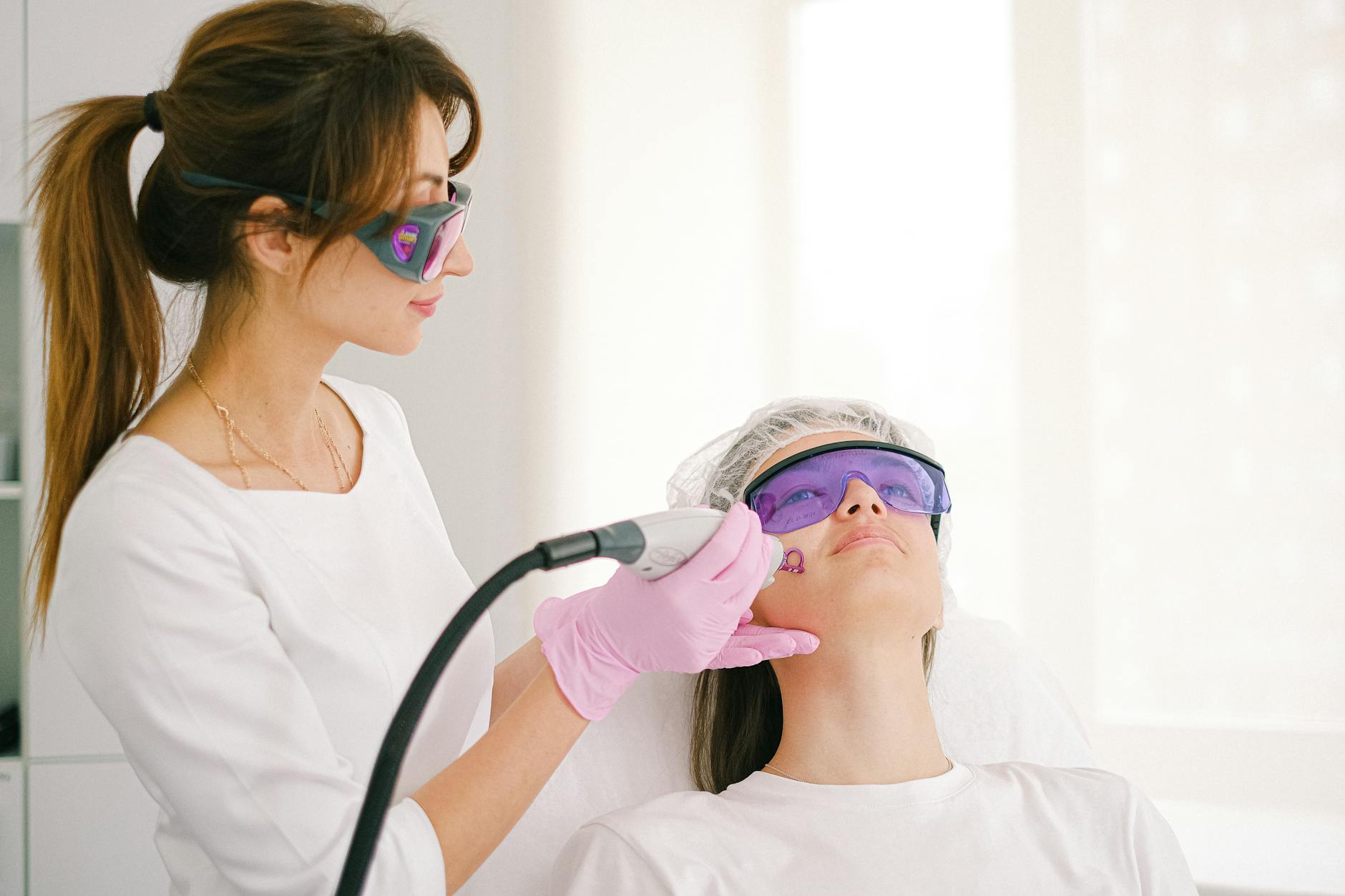
Why Proper CO2 Laser Preparation Matters

Getting your skin ready for CO2 laser treatment isn't just a suggestion—it's the foundation that determines whether you'll achieve the clear, smooth results you want or face complications that could set you back months. Poor preparation can lead to uneven healing, prolonged redness, and yes, even the scarring that keeps many people awake at night worrying.
“The difference between excellent and disappointing CO2 laser results often comes down to what happens in the weeks before treatment, not during it.”
When you follow proper preparation protocols, your skin heals faster and more evenly. This means less downtime hiding from social situations and a quicker return to your normal routine. Proper prep also reduces your risk of infection and hyperpigmentation—two complications that can make your skin look worse than when you started.
The financial impact matters too. A well-prepared treatment typically requires fewer follow-up sessions and corrective procedures. Most patients who skip preparation steps end up spending significantly more on additional treatments or corrective work than those who invest time in proper prep from the start.
Your dermatologist can perform perfect technique, but without properly prepared skin, even the most skilled hands can't guarantee optimal results.
Timeline: When to Start Preparing
Starting your CO2 laser preparation at the right time makes the difference between optimal results and potential complications. Think of this timeline as your roadmap to successful treatment and smooth healing.
“Proper preparation reduces complication rates by up to 70% and significantly improves final outcomes.”
Begin your preparation journey 6-8 weeks before treatment by scheduling your consultation and starting sun protection habits. This early phase allows time to address any skin conditions and establish healthy routines without rushing.
At 2-4 weeks before treatment, discontinue retinoids, vitamin A products, and any prescription acne medications that increase photosensitivity. Stop using harsh exfoliants like glycolic acid peels during this period. Your skin needs time to normalize and strengthen its barrier function.
One week before your appointment, avoid waxing, threading, or any aggressive hair removal on the treatment area. Switch to gentle cleansers and moisturizers only. Schedule time off work or social commitments since you'll need several days for initial healing.
On treatment day, arrive with clean skin free of makeup, lotions, or perfumes. Eat a light meal beforehand and bring comfortable clothing that won't rub against the treatment area. Having someone drive you home is recommended, as some patients feel lightheaded after longer sessions.
For example, if your treatment is scheduled for March 15th, start sun protection and consultations by January 15th, stop retinoids by February 15th, and begin your gentle skincare routine by March 8th.
Pre-Treatment Skincare Routine Adjustments

Your skincare routine needs significant changes before CO2 laser treatment to prevent complications and ensure optimal healing. These adjustments protect your skin from excessive irritation and reduce the risk of permanent scarring that many patients worry about.
Discontinue all retinol, tretinoin, and retinoid products at least two weeks before treatment.
Replace exfoliating cleansers with mild, fragrance-free options like CeraVe Hydrating Cleanser.
Apply a thick, barrier-repairing moisturizer twice daily to strengthen your skin's protective layer.
Stop using scrubs, acids, and avoid Chemical Peels for at least four weeks prior.
Products to eliminate from your routine include glycolic acid, salicylic acid, benzoyl peroxide, vitamin C serums, and any exfoliating tools. These ingredients thin your skin and increase sensitivity, making laser treatment more painful and potentially dangerous.
Your moisturizing needs to intensify during this preparation phase. Look for ingredients like ceramides, hyaluronic acid, and niacinamide that repair and strengthen the skin barrier. Avoid products with alcohol, fragrances, or essential oils that can cause irritation.
Chemical Peels, which use acid treatments to remove damaged skin layers through controlled chemical exfoliation, must be discontinued well before your laser appointment. The combination of recent chemical peeling and laser treatment can cause severe burns and permanent scarring.
Start these changes immediately after scheduling your treatment. Your skin needs time to normalize and strengthen before undergoing the controlled injury that CO2 laser creates. Following these guidelines ensures your skin heals properly and achieves the clear results you want.
Medications and Supplements to Avoid
Certain medications and supplements can significantly interfere with your CO2 laser treatment and healing process. Your dermatologist needs to know everything you're taking at least two weeks before your appointment to prevent complications that could lead to poor healing or unwanted scarring.
Blood thinners pose the biggest risk during laser treatment. Aspirin, warfarin, ibuprofen, and naproxen increase bleeding and bruising. Stop these medications seven to ten days before treatment, but always consult your prescribing doctor first if you take blood thinners for heart conditions or other medical reasons.
Photosensitizing medications make your skin extremely sensitive to light and heat, which can cause severe burns during laser treatment. Common culprits include antibiotics like doxycycline and minocycline, antifungal medications, and some blood pressure medications. Even topical retinoids like tretinoin must be discontinued one week prior.
Acne medications deserve special attention since many patients seek CO2 laser treatment for acne scarring. Isotretinoin (Accutane) requires a six-month waiting period after your last dose before laser treatment. This medication affects skin healing dramatically and can cause severe scarring if laser treatment occurs too soon.
Herbal supplements often get overlooked, but many affect bleeding and healing. Ginkgo biloba, garlic supplements, ginseng, and St. John's wort all increase bleeding risk. Fish oil and vitamin E supplements also thin blood naturally. Stop all herbal supplements two weeks before treatment unless specifically approved by your dermatologist.
Sun Protection and Lifestyle Modifications
Protecting your skin from UV damage becomes critical in the weeks before CO2 laser treatment. Sun exposure can increase complications and worsen scarring—exactly what you want to avoid. Start implementing strict sun protection at least four weeks before your procedure.
Avoid direct sunlight between 10 AM and 4 PM when UV rays peak. When you must go outside, wear broad-spectrum SPF 30 or higher sunscreen and reapply every two hours. Choose physical sunscreens containing zinc oxide or titanium dioxide rather than chemical formulations, which can irritate pre-treatment skin.
Stop all tanning activities immediately—this includes tanning beds, spray tans, and self-tanning products. Even fake tans can interfere with laser settings and healing.
Modify your exercise routine two weeks before treatment. Avoid activities that cause excessive sweating, like hot yoga or intense cardio sessions. Sweat can harbor bacteria that increase infection risk.
Consider postponing travel to sunny destinations or high-altitude locations where UV exposure intensifies. If travel is unavoidable, pack wide-brimmed hats, UV-protective clothing, and stay indoors during peak sun hours.
What to Expect During Your Pre-Treatment Consultation
Your consultation appointment sets the foundation for a safe and successful CO2 laser treatment. This comprehensive evaluation typically lasts 30-45 minutes and allows your dermatologist to create a personalized treatment plan while addressing your concerns about potential scarring or complications.
Your doctor will discuss current medications, previous skin treatments, and any history of keloid scarring or poor wound healing.
The dermatologist examines your skin type, sun damage patterns, and identifies specific areas requiring treatment.
Based on your goals and skin assessment, your doctor explains the recommended laser settings and expected number of sessions.
You receive detailed information about risks, benefits, and realistic timeline for results before signing treatment consent forms.
During this visit, your dermatologist will photograph your skin for before-and-after documentation and may perform a test spot on a small area to assess your skin's response. They will also provide specific pre-treatment instructions, schedule your procedure date, and discuss post-treatment care requirements.
Come prepared with questions about healing time, work restrictions, and expected results. Your doctor wants you to feel confident and fully informed before proceeding with treatment, so don't hesitate to voice any concerns about scarring or recovery expectations.
Day-of-Treatment Preparation Checklist

Your treatment day routine sets the foundation for successful healing. Start with your gentlest cleanser and skip all active ingredients like retinoids, AHAs, or vitamin C. Use only basic moisturizer and sunscreen if you're going outside before your appointment.
Cleanse gently with lukewarm water and apply basic moisturizer only.
Bring sunglasses, a wide-brimmed hat, and your aftercare products.
Wear loose, dark clothing with a zip-up top for easy removal.
Have someone drive you home since your face will be red and sensitive.
Pack a small cooler with ice packs for the ride home. Your skin will feel like a sunburn immediately after treatment, and cool compresses provide instant relief. Avoid wearing makeup, jewelry, or contact lenses to your appointment.
Remember that following these steps carefully minimizes complications and promotes faster healing, reducing your risk of unwanted scarring or prolonged redness.
Common Preparation Mistakes to Avoid
Even well-intentioned patients make crucial errors that can compromise their CO2 laser results or increase complications. These mistakes often stem from last-minute decisions or misunderstanding preparation guidelines.
Sun exposure remains the biggest preparation blunder. Getting sunburned or even tanned three days before treatment forces doctors to postpone procedures, as damaged skin cannot heal properly from laser therapy. This includes tanning beds, which damage skin cells just like natural sunlight.
Continuing retinoids, glycolic acid, or vitamin C serums right up to treatment day creates unnecessary irritation. Your skin needs to be calm, not actively exfoliating. Stop these products exactly when your doctor recommends, typically one week before treatment.
Skipping pre-treatment consultations seems harmless but often leads to problems. During these visits, doctors assess your current skin condition, adjust treatment settings, and catch potential issues. Missing appointments means your doctor works with outdated information about your skin.
Poor hydration affects healing from day one. Dehydrated skin struggles to repair itself, potentially leading to the scarring you want to avoid. Start drinking extra water two weeks before treatment, not the night before.
For example, one patient continued using tretinoin until treatment day, resulting in excessive peeling and delayed healing that extended her recovery by two weeks.
Follow your preparation timeline exactly as prescribed to ensure optimal healing and avoid complications that could delay your path to clear skin.
Frequently Asked Questions
When should I start preparing for CO2 laser treatment?
You should begin preparing 6-8 weeks before your CO2 laser treatment by scheduling your consultation and starting sun protection habits. At 2-4 weeks before treatment, discontinue retinoids and vitamin A products, and stop using harsh exfoliants. One week before your appointment, avoid aggressive hair removal and switch to gentle cleansers and moisturizers only.
Why is proper preparation important for CO2 laser treatment?
Proper preparation is crucial because it determines whether you'll achieve clear, smooth results or face complications like uneven healing, prolonged redness, and scarring. Well-prepared skin heals faster and more evenly, reducing downtime and lowering the risk of infection and hyperpigmentation. Poor preparation can lead to disappointing results and the need for additional treatments or corrective procedures.
When should I stop using retinoids before CO2 laser treatment?
You should discontinue all retinol, tretinoin, and retinoid products at least two weeks before your CO2 laser treatment. This timing allows your skin to normalize and strengthen its barrier function before the procedure. Stopping retinoids is essential to prevent excessive irritation and reduce the risk of complications.
What should I do on the day of my CO2 laser treatment?
On treatment day, arrive with completely clean skin free of makeup, lotions, or perfumes. Eat a light meal beforehand and wear comfortable clothing that won't rub against the treatment area. It's recommended to have someone drive you home, as some patients feel lightheaded after longer sessions.
How much does proper preparation reduce CO2 laser complications?
Proper preparation reduces complication rates by up to 70% and significantly improves final outcomes. Patients who follow preparation protocols typically require fewer follow-up sessions and corrective procedures. Those who skip preparation steps often end up spending significantly more on additional treatments than those who invest time in proper prep from the start.
Disclaimer: This content is for informational purposes only and does not constitute medical advice. Always consult a qualified healthcare provider before making health decisions.