What Is CO2 Laser Resurfacing

CO2 laser resurfacing uses concentrated carbon dioxide laser light to remove damaged skin layers and stimulate new collagen production. This advanced skin treatment delivers precise, controlled energy to target specific areas of concern without affecting surrounding healthy tissue.
“CO2 lasers work by creating microscopic columns of heat that trigger your skin's natural healing response.”
Two main types of CO2 lasers exist: traditional ablative lasers that remove entire skin surfaces, and fractional lasers that create tiny treatment zones while leaving surrounding skin intact. Fractional CO2 lasers offer faster healing times and reduced risk of complications, making them the preferred choice for most patients.
CO2 laser resurfacing effectively treats acne scars, fine lines, wrinkles, sun damage, age spots, and uneven skin texture. The treatment works particularly well on facial areas but can also address concerns on the neck, chest, and hands. While the prospect of laser treatment may seem intimidating, modern techniques minimize scarring risks when performed by qualified dermatologists.
The Science Behind CO2 Laser Technology
CO2 lasers operate at a specific wavelength of 10,600 nanometers, which targets the water molecules naturally present in your skin cells. This wavelength creates a precise interaction that allows dermatologists to control exactly how much tissue they remove during treatment.
“The CO2 laser's wavelength perfectly matches water's absorption spectrum, making it incredibly effective for skin resurfacing.”
When the laser beam hits your skin, it instantly vaporizes the water in the targeted cells. This controlled destruction removes damaged skin layers while simultaneously heating the deeper tissue. The heat stimulates your body's natural collagen production, which helps create smoother, tighter skin over time.
CO2 lasers work through ablative action, meaning they completely remove the outer skin layers. This differs from non-ablative lasers that heat tissue without destroying the surface. For example, when treating acne scars, the ablative approach removes scar tissue entirely rather than just heating it.
The precision of this technology allows skilled dermatologists to minimize the risk of permanent scarring while effectively addressing skin concerns. The controlled nature of the process means healing follows predictable patterns, giving you confidence in your treatment outcomes.
How CO2 Lasers Remove Damaged Skin Layers

CO2 lasers work by creating controlled thermal injury to precisely remove damaged skin tissue. The laser beam generates intense heat that vaporizes water molecules within skin cells, causing the targeted tissue to literally evaporate. This process eliminates damaged cells while leaving healthy surrounding tissue intact, which helps minimize scarring risks that many patients worry about.
The laser's precise depth control allows dermatologists to target specific skin layers. Shallow treatments remove only the outermost epidermis, while deeper treatments can reach the dermis to address more significant damage like deep acne scars or wrinkles.
Two main treatment patterns exist: fractional and full-field. Fractional lasers create tiny treatment columns surrounded by untreated skin, which speeds healing and reduces downtime. For example, a fractional treatment might target 20% of the skin surface, leaving 80% untouched to aid recovery. Full-field treatments remove entire sections of skin and require longer healing times but provide more dramatic results for severely damaged areas.
The Collagen Remodeling Process
When the CO2 laser heats your skin, it triggers a remarkable healing cascade that transforms your complexion from within. This controlled thermal injury activates heat shock proteins, which act as cellular alarm systems that jumpstart the repair process. Your body interprets this controlled damage as a signal to rebuild stronger, healthier skin.
The heat penetration stimulates fibroblasts, the specialized cells responsible for producing collagen and elastin. These cellular factories immediately begin manufacturing fresh structural proteins to replace the damaged tissue. Within hours of treatment, your fibroblasts ramp up collagen production significantly above normal levels.
The collagen remodeling timeline spans several months. Initial collagen synthesis peaks within the first week, while deeper structural remodeling continues for six to twelve months. This extended process ensures gradual, natural-looking improvements rather than sudden changes that might appear artificial. The new collagen fibers organize in a more uniform pattern, creating smoother texture and improved skin quality that addresses concerns about permanent scarring through proper healing.
CO2 Laser vs Chemical Peels: Different Mechanisms
While both CO2 laser resurfacing and chemical peels improve skin appearance, they work through completely different mechanisms. CO2 lasers use focused light energy to precisely vaporize damaged tissue layer by layer, giving your dermatologist exact control over treatment depth. Chemical peels use acid solutions that dissolve the bonds between skin cells, causing controlled peeling through chemical exfoliation.
The precision difference is significant. CO2 lasers can target specific areas with microscopic accuracy, while chemical peels affect the entire application area uniformly. This laser precision helps minimize the risk of uneven results that sometimes worry patients about permanent scarring.
Depth control varies dramatically between treatments. CO2 lasers allow real-time adjustment of penetration depth during the procedure, while chemical peel depth depends on the acid concentration and timing chosen before application.
Healing timelines also differ substantially. CO2 laser treatments typically require 7-14 days for initial healing, while chemical peels range from 3-7 days for light peels to 2-3 weeks for deeper formulations.
What to Expect During the Treatment Process

Understanding the actual CO2 laser treatment process helps reduce anxiety about the unknown. Your dermatologist will walk you through each step to ensure you feel prepared and confident about your decision.
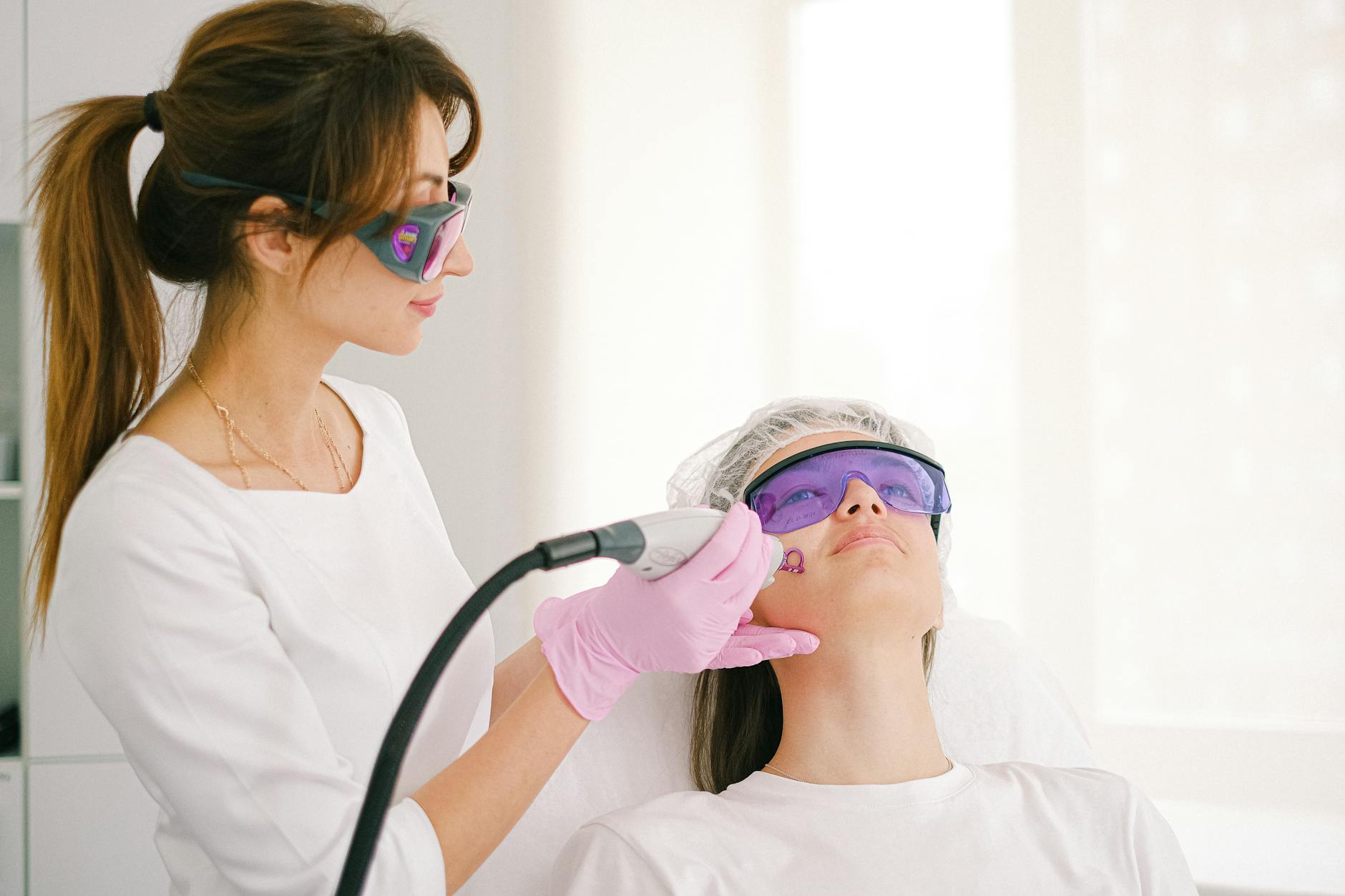
Your doctor applies topical anesthesia and may provide oral medication for comfort during the procedure.
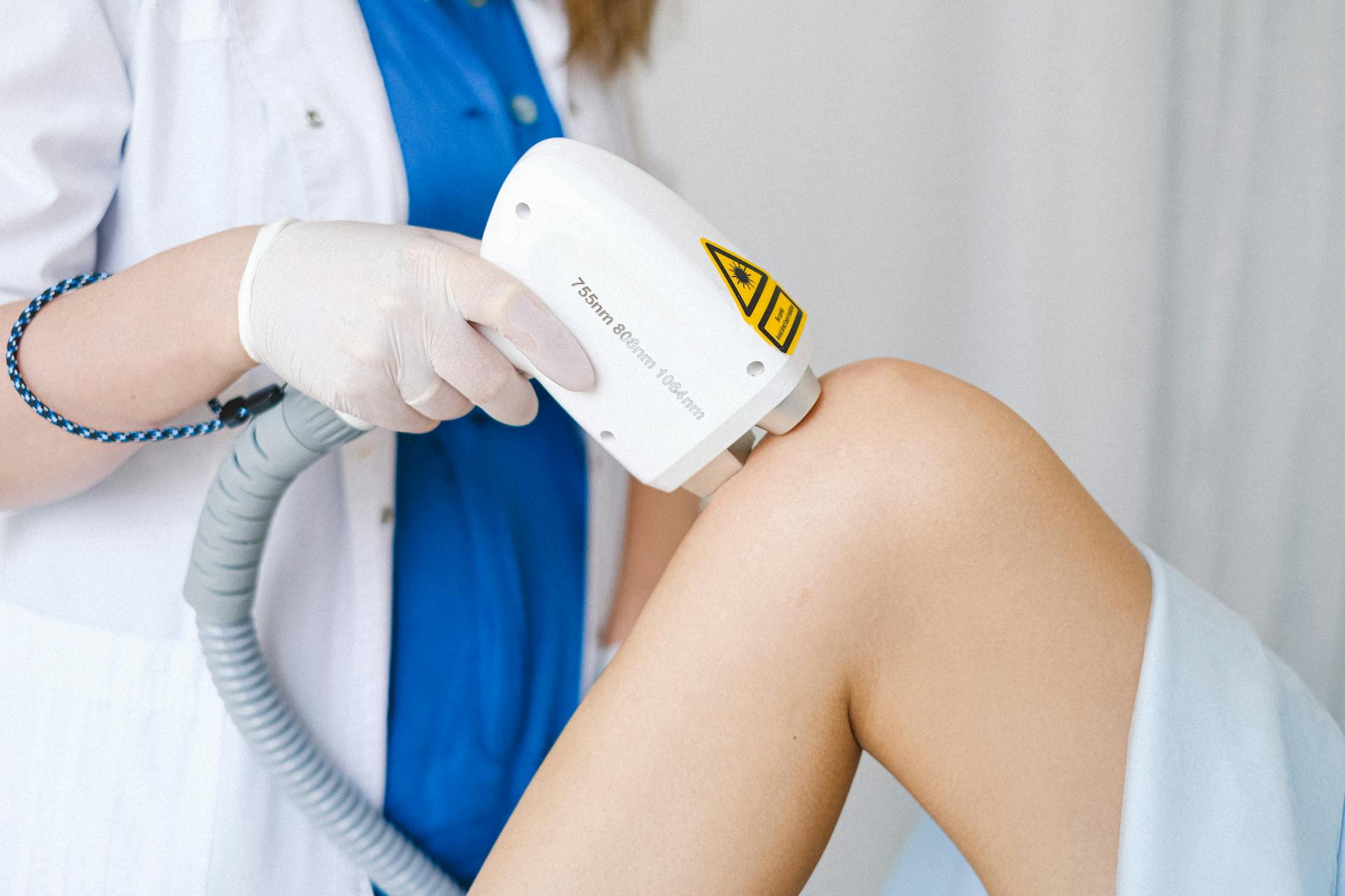
The physician moves the laser device across treatment areas in precise patterns, creating controlled micro-injuries.
Staff applies cooling treatments and protective ointments to minimize discomfort and protect new skin.
Most patients describe the sensation as warm pinpricks rather than sharp pain. Your skin will appear red and slightly swollen immediately after treatment, similar to a moderate sunburn. This normal response indicates the laser successfully triggered your body's healing process. Professional treatment centers use advanced cooling systems and pain management protocols to ensure your comfort throughout the procedure.
Why Understanding the Process Matters
Knowledge empowers better treatment decisions and reduces anxiety about potential scarring. Understanding CO2 laser resurfacing helps you provide proper informed consent, set realistic expectations about healing timelines, and evaluate provider credentials thoroughly. This preparation leads to safer treatments and better outcomes for your skin goals.
Research thoroughly and choose board-certified dermatologists with extensive CO2 laser experience for the safest results.
Frequently Asked Questions
What is CO2 laser resurfacing and how does it work?
CO2 laser resurfacing uses concentrated carbon dioxide laser light to remove damaged skin layers and stimulate new collagen production. The laser operates at a wavelength of 10,600 nanometers, targeting water molecules in skin cells and vaporizing damaged tissue. This controlled destruction removes damaged skin layers while heating deeper tissue to stimulate natural collagen production for smoother, tighter skin.
What skin conditions can CO2 laser resurfacing treat?
CO2 laser resurfacing effectively treats acne scars, fine lines, wrinkles, sun damage, age spots, and uneven skin texture. The treatment works particularly well on facial areas but can also address concerns on the neck, chest, and hands. Modern fractional CO2 laser techniques offer faster healing times and reduced risk of complications compared to traditional methods.
What's the difference between fractional and traditional CO2 lasers?
Traditional ablative CO2 lasers remove entire skin surfaces, while fractional lasers create tiny treatment zones while leaving surrounding skin intact. Fractional CO2 lasers offer faster healing times and reduced risk of complications, making them the preferred choice for most patients. Fractional treatments create microscopic columns of heat that trigger the skin's natural healing response while preserving healthy surrounding tissue.
Does CO2 laser resurfacing cause permanent scarring?
Modern CO2 laser techniques minimize scarring risks when performed by qualified dermatologists. The precision of this technology allows skilled practitioners to control exactly how much tissue they remove during treatment. The controlled nature of the process means healing follows predictable patterns, and fractional approaches leave surrounding healthy tissue intact to support faster healing.
Disclaimer: This content is for informational purposes only and does not constitute medical advice. Always consult a qualified healthcare provider before making health decisions.