Understanding Fractional Laser Treatment for Acne Scars

Fractional laser therapy works by creating thousands of microscopic columns of controlled thermal damage within your scar tissue. These tiny treatment zones penetrate deep into the dermis where acne scars form, while leaving surrounding healthy skin intact. Think of it like aerating a lawn – the laser creates small holes that trigger your skin's natural healing response.
“Fractional lasers excel at breaking down rigid scar tissue and rebuilding smoother skin texture where other treatments fall short.”
The laser energy specifically targets the fibrous bands and irregular collagen formations that create the textural irregularities you see in acne scars. Rolling scars, boxcar scars, and ice pick scars all respond well because the treatment reaches the deeper layers where these imperfections originate. The heat from the laser literally melts away old, damaged collagen structures.
Your body immediately begins repairing the treated areas by producing fresh, healthy collagen. This collagen remodeling process continues for months after treatment, gradually filling in depressed scars and smoothing raised ones. The new collagen forms in a more organized pattern than the chaotic scar tissue it replaces, creating smoother skin texture.
What makes fractional lasers particularly effective for acne scarring is their precision. Traditional lasers treated entire surfaces, causing significant downtime and complications. Fractional technology allows dermatologists to target only the scarred areas while preserving healthy tissue that speeds healing and reduces side effects. This approach addresses your concerns about permanent damage while delivering measurable improvements to your skin's appearance.
Types of Acne Scars Fractional Laser Treats
Not all acne scars are created equal, and understanding which type you have determines how well fractional laser treatment will work for you. The good news is that fractional lasers can improve most acne scar types, though results vary significantly based on the scar's depth and shape.
Atrophic scars make up about 90% of all acne scars and respond best to fractional laser treatment. These are the indented scars that form when your skin loses collagen during the healing process. The laser's controlled micro-injuries stimulate new collagen production, gradually filling in these depressions over several months.
“Fractional lasers excel at treating atrophic scars by rebuilding the collagen foundation your skin lost during breakouts.”
Ice pick scars present the biggest challenge for fractional laser treatment. These narrow, deep scars that look like someone jabbed your skin with an ice pick often require multiple sessions with only modest improvement. Many dermatologists recommend combining fractional laser with other treatments like chemical peels or punch excision for better results with ice pick scars.
Boxcar scars are the ideal candidates for fractional laser therapy. These wide, shallow depressions with defined edges respond exceptionally well because the laser can effectively reach the scar base and stimulate uniform collagen remodeling. Patients typically see 50-70% improvement in boxcar scars after a full treatment series.
Rolling scars create gentle waves across your skin's surface and respond moderately well to fractional laser treatment. The laser helps break up the fibrous bands that pull down on your skin while encouraging new collagen formation. However, rolling scars often require the most patience, with gradual improvement occurring over 6-12 months post-treatment.
The Fractional Laser Treatment Process

Understanding what happens during your fractional laser treatment helps reduce anxiety about the procedure. Most patients find the process straightforward and less intimidating than they initially expected.
Your dermatologist examines your scars, discusses your medical history, and creates a customized treatment plan.
The treatment area is thoroughly cleansed and a topical anesthetic is applied 30-60 minutes before the procedure.
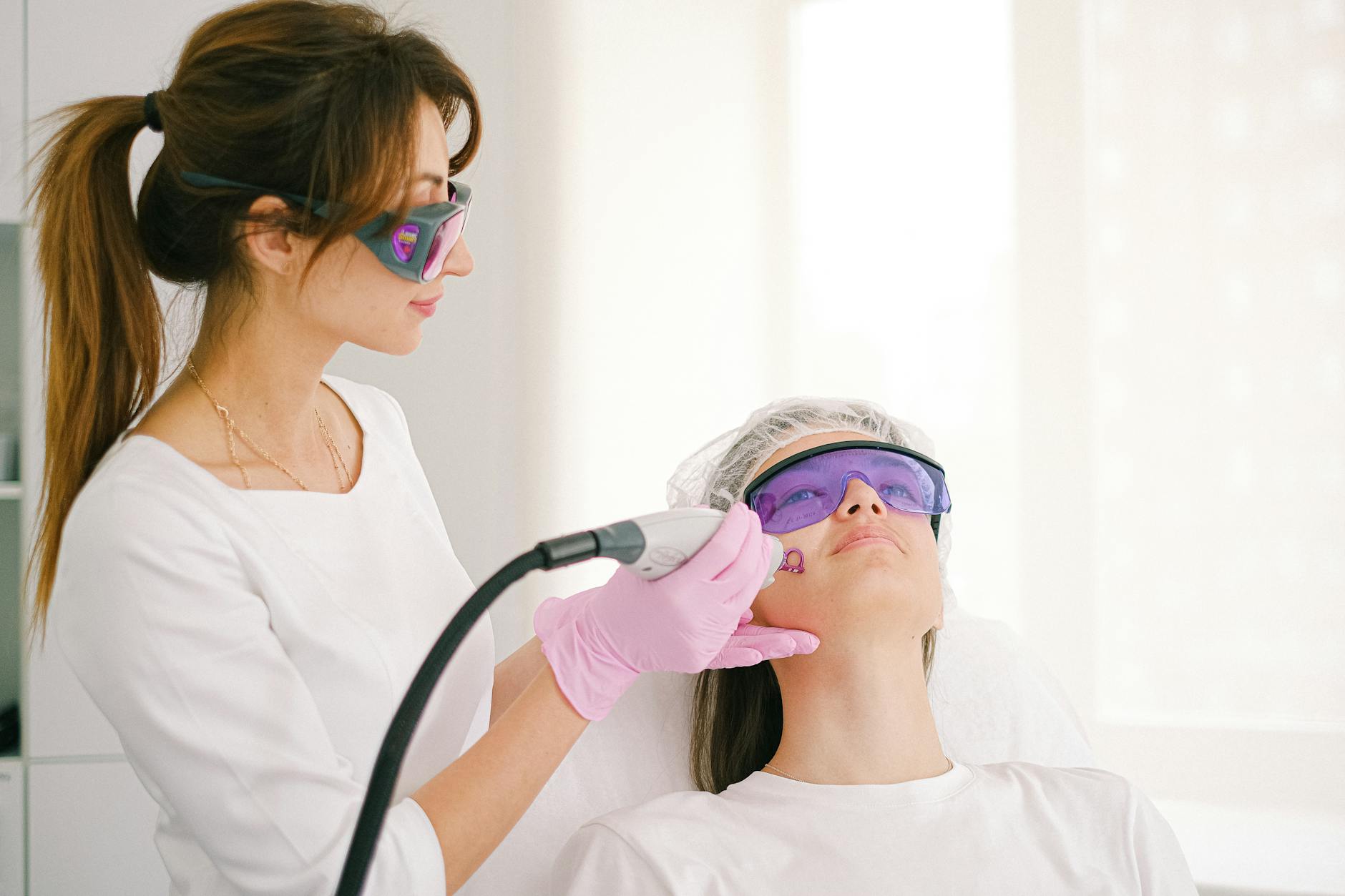
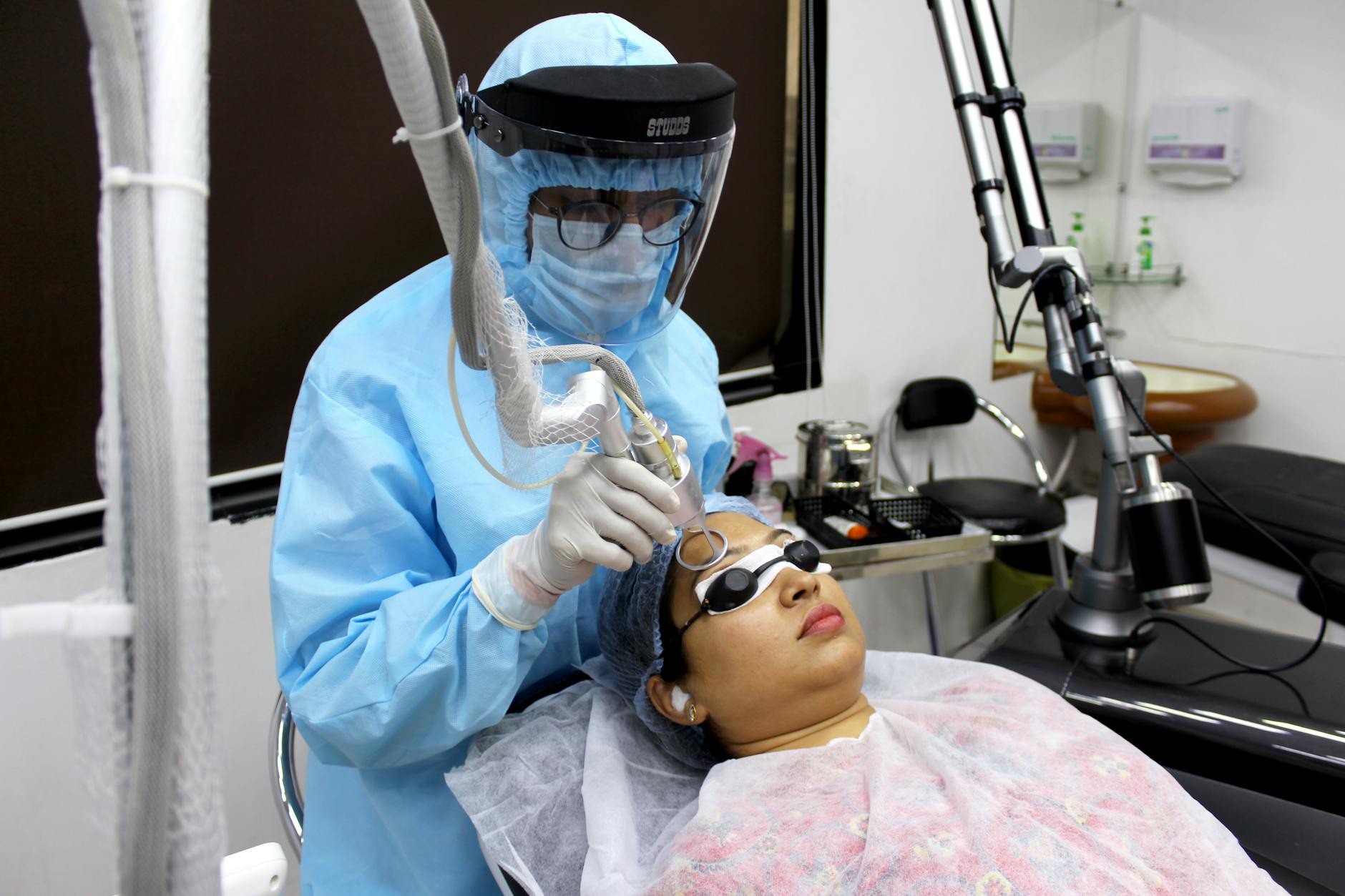
The dermatologist moves the laser device across your skin in a precise pattern, creating controlled micro-injuries.
A cooling gel or protective ointment is applied, and you receive detailed aftercare instructions.
During the actual laser session, you'll feel a warm, prickling sensation similar to a rubber band snapping against your skin. The treatment typically takes 20-45 minutes depending on the size of the area being treated. Most patients describe the discomfort as tolerable with the numbing cream.
Your skin will appear red and slightly swollen immediately after treatment, resembling a moderate sunburn. This reaction is completely normal and indicates the laser is working properly. The redness usually peaks within the first few hours and begins subsiding by the next day.
Your dermatologist will schedule follow-up appointments to monitor your healing progress. Most patients need 3-5 sessions spaced 4-6 weeks apart to achieve optimal results. This gradual approach allows your skin to heal between treatments while building new collagen to smooth your scars.
Before and After: What Results to Expect
Setting realistic expectations helps you understand what fractional laser treatment can achieve for your acne scars. While results vary between individuals, most patients see meaningful improvement that reduces the appearance of their scarring and boosts confidence.
Rolling scars typically respond best to fractional laser treatment, showing 40-60% improvement. Ice pick scars, being deeper and narrower, usually achieve 20-40% improvement and may need combination treatments. Boxcar scars fall somewhere between, with most patients seeing 30-50% reduction in appearance.
Your skin begins healing immediately, but visible improvements emerge gradually. You'll notice initial changes around 2-3 weeks after your first session as new collagen forms. The most dramatic results appear 3-6 months after completing your full treatment series, when collagen remodeling reaches its peak.
Most patients need 3-6 sessions spaced 4-6 weeks apart for optimal results. Deeper, more extensive scarring requires more sessions, while newer or shallower scars often respond faster. For example, someone with mild rolling scars from recent acne might see significant improvement after 3 sessions, while deep ice pick scars from years past may need 6 sessions plus additional treatments.
Your individual results depend on several factors: scar depth and type, skin tone, age, and how well you follow aftercare instructions. Younger patients typically heal faster, while darker skin tones may need more conservative settings to prevent pigmentation changes. Following proper aftercare and protecting your skin from sun exposure significantly impacts your final results.
Fractional Laser vs Other Acne Scar Treatments
Choosing the right acne scar treatment depends on your scar type, skin condition, and lifestyle. Fractional laser stands out for moderate to severe scarring, while other treatments work better for specific situations.
Chemical Peels use acid treatments that remove damaged skin layers to improve texture and appearance through controlled chemical exfoliation. They excel at treating superficial scars, fine lines, and uneven skin tone. Light peels require minimal downtime but need multiple sessions for noticeable results. Medium peels penetrate deeper and show more dramatic improvement in one treatment, though recovery takes 7-14 days.
Choose fractional laser when you have deep, pitted scars that peels cannot reach effectively. Laser technology penetrates deeper layers of skin and stimulates collagen production more aggressively. This makes it superior for ice pick and boxcar scars that create permanent indentations.
Select chemical peels for surface-level concerns, active acne with mild scarring, or when budget constraints matter. Peels cost significantly less per treatment and work well for post-inflammatory hyperpigmentation.
Many dermatologists recommend combination approaches for optimal results. A series of chemical peels can prepare skin before laser treatment, reducing inflammation and evening skin tone. Following laser sessions with gentle peels helps maintain results and prevents new scarring from forming.
Who Makes a Good Candidate

Understanding whether you're a good candidate for fractional laser treatment helps ensure safe, effective results and prevents complications that could worsen your skin.
Skin type plays a crucial role in candidacy. People with lighter skin tones (Fitzpatrick types I-III) typically see the best results with minimal risk of pigmentation changes. Those with darker skin can still benefit from fractional laser, but require specialized techniques and experienced practitioners to avoid discoloration. Your dermatologist will assess your natural skin tone and current pigmentation before recommending treatment.
Age and scar maturity matter significantly. Acne scars should be fully healed and mature before laser treatment, typically requiring at least six months since your last active breakout. Younger patients often respond better to treatment, but adults can achieve excellent results too. The key is having realistic expectations about improvement timelines.
Fractional laser isn't recommended for everyone. You should avoid this treatment if you're pregnant, nursing, or have active skin infections. People taking certain medications like isotretinoin must wait several months after stopping before treatment. Those with keloid scarring tendencies, autoimmune conditions, or unrealistic expectations may not be ideal candidates.
Pre-existing conditions require careful evaluation. If you have diabetes, compromised immune function, or a history of cold sores, your dermatologist needs this information to plan safe treatment and proper pre-medication protocols.
Next Steps: Getting Started with Treatment
Starting your fractional laser journey begins with choosing the right dermatologist. Look for board-certified dermatologists who specialize in laser treatments and have extensive experience with acne scarring. Check their credentials, read patient reviews, and ask to see before-and-after photos of similar cases.
Find board-certified dermatologists with laser expertise in your area.
Book an appointment to discuss your specific scarring and treatment options.
Write down concerns about treatment timeline, expected results, and aftercare requirements.
During your consultation, ask about the doctor's experience with your specific scar type, expected number of sessions, total costs, and realistic timelines. Understanding that proper treatment takes time helps prevent disappointment and ensures you make informed decisions about your skin's future.
Choose an experienced, board-certified dermatologist and prepare thoughtful questions to ensure the best possible treatment outcome for your acne scars.
Frequently Asked Questions
How does fractional laser treatment work for acne scars?
Fractional laser therapy creates thousands of microscopic columns of controlled thermal damage within scar tissue, penetrating deep into the dermis while leaving surrounding healthy skin intact. The laser energy targets fibrous bands and irregular collagen formations that create textural irregularities in acne scars. Your body then begins repairing the treated areas by producing fresh, healthy collagen that continues remodeling for months after treatment, gradually filling in depressed scars and smoothing raised ones.
What types of acne scars can fractional laser treat?
Fractional lasers can improve most acne scar types, with atrophic scars (which make up 90% of all acne scars) responding best to treatment. Boxcar scars are ideal candidates and typically see 50-70% improvement after a full treatment series. Ice pick scars present the biggest challenge and often require multiple sessions with only modest improvement, sometimes needing combination with other treatments like chemical peels.
How many fractional laser sessions are needed for acne scars?
Typically 3-5 sessions are needed for optimal results, though this varies based on the type and severity of your acne scars. The collagen remodeling process continues for months after each treatment, with gradual improvements occurring over time. Ice pick scars may require more sessions due to their depth and narrow shape.
What makes fractional laser better than traditional laser treatment?
Fractional technology allows dermatologists to target only the scarred areas while preserving healthy tissue, which speeds healing and reduces side effects. Traditional lasers treated entire surfaces, causing significant downtime and complications. This precision approach addresses concerns about permanent damage while delivering measurable improvements to skin appearance with less risk.
Disclaimer: This content is for informational purposes only and does not constitute medical advice. Always consult a qualified healthcare provider before making health decisions.