What You Need to Know About Fractional Laser Side Effects

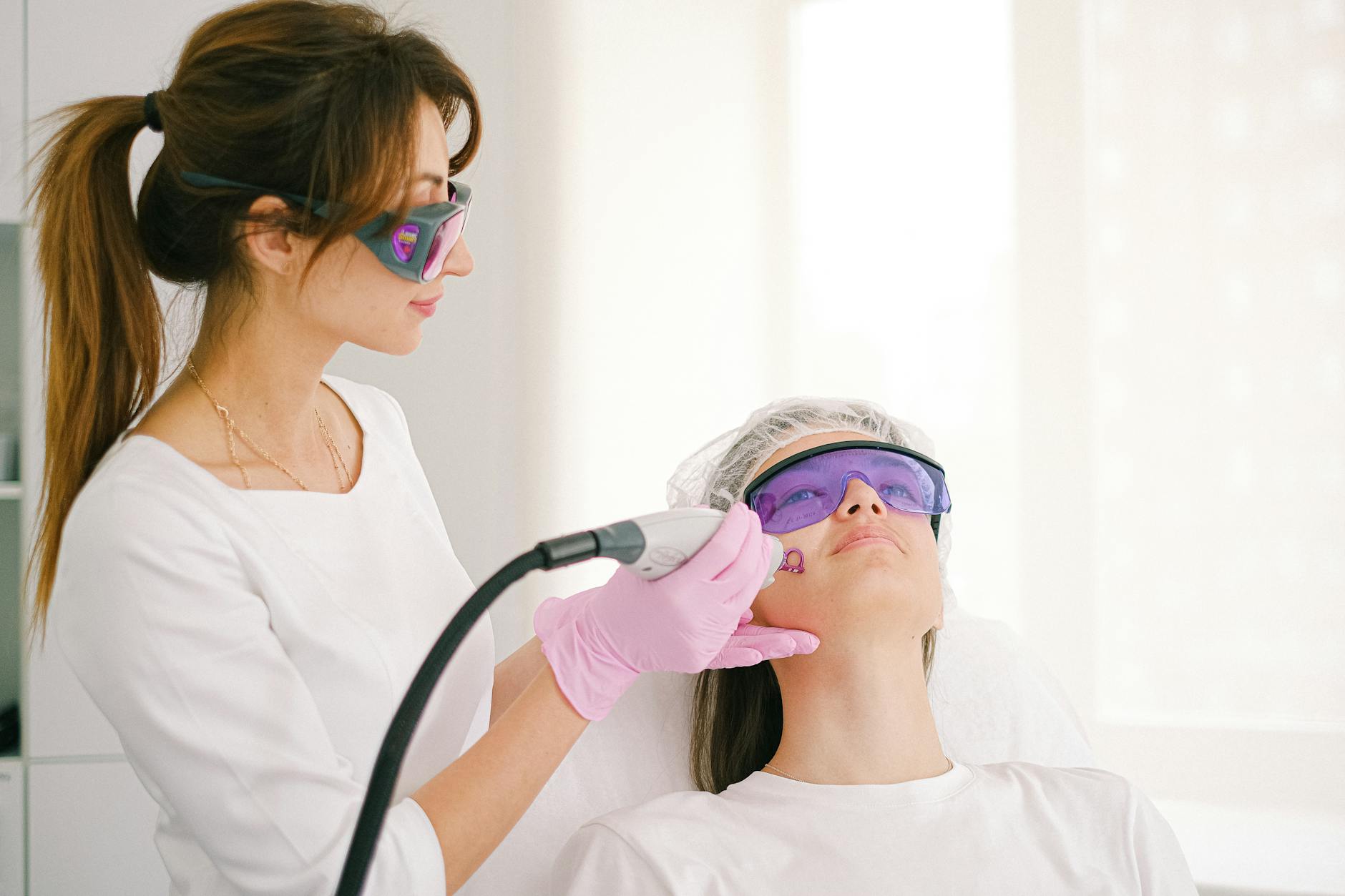
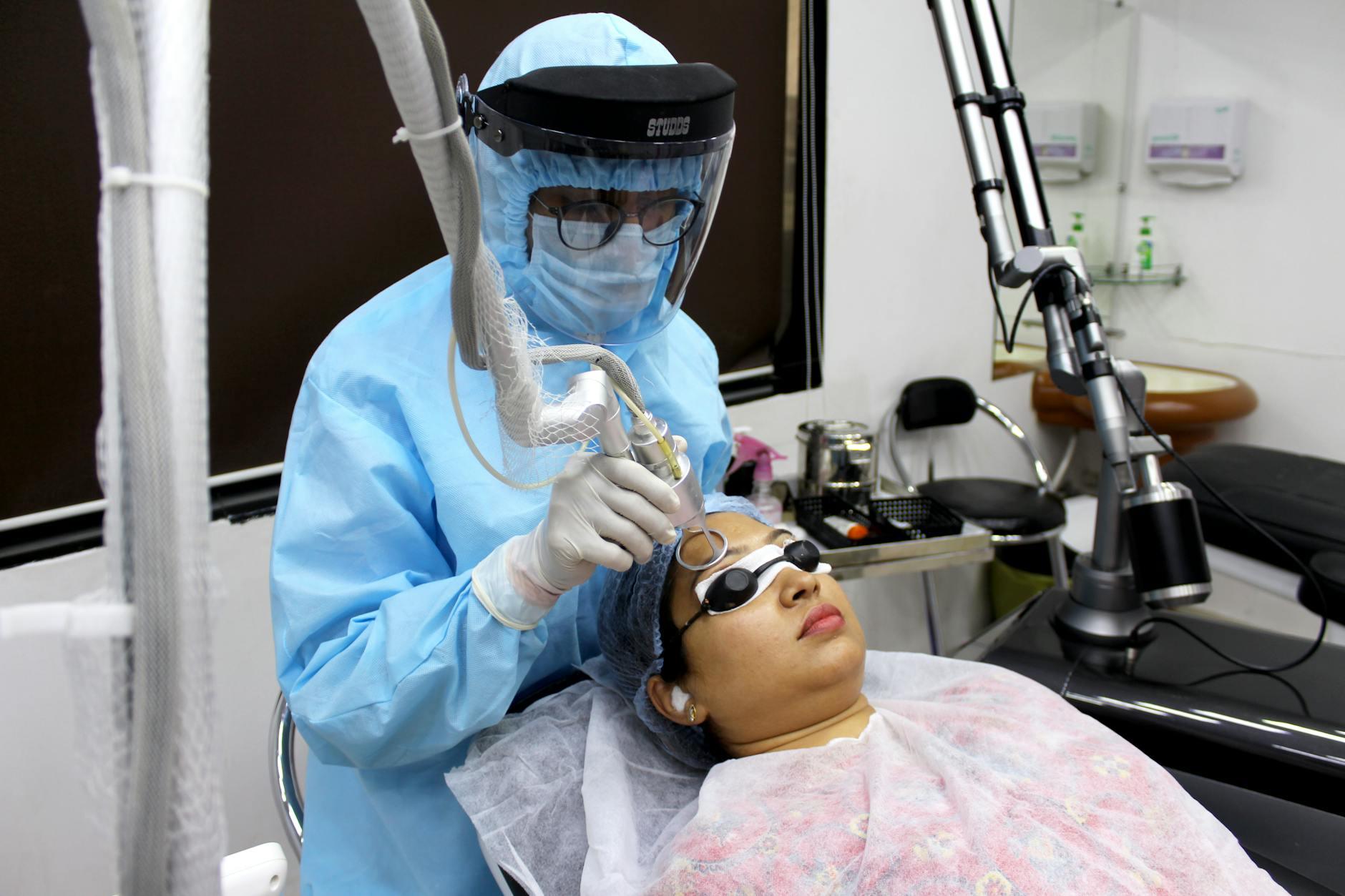
Before you schedule that fractional laser treatment, understanding potential side effects can mean the difference between achieving your skin goals and dealing with unexpected complications. Many patients jump into laser treatments focused solely on results, but knowing what to expect helps you prepare properly and recognize when something requires attention.
“Knowledge about side effects isn't meant to scare you away from treatment—it's meant to help you get the best possible results safely.”
Most fractional laser side effects fall into predictable categories. Common reactions include redness, swelling, and temporary darkening that resolve within days to weeks. These expected responses actually signal that your skin is healing and regenerating properly. Rare complications like permanent scarring or severe pigmentation changes affect less than 2% of patients when treatments are performed correctly.
The good news is that proper preparation dramatically reduces your risk of complications. Following pre-treatment instructions, choosing an experienced provider, and maintaining realistic expectations about healing time can prevent most serious side effects. This guide walks you through everything you need to know to make informed decisions about your skin treatment journey.
Common Side Effects You Can Expect

Understanding what happens to your skin after fractional laser treatment helps you prepare and reduces worry about normal healing responses. Most patients experience predictable side effects that indicate your skin is responding properly to the treatment.
Redness and swelling appear immediately after your session and typically peak within 24-48 hours. Your skin will look like you have a moderate sunburn, with some areas appearing more inflamed than others. The redness gradually fades over 3-7 days, though some patients notice lingering pink tones for up to two weeks. Swelling is most noticeable around your eyes and may make you look slightly puffy for 2-3 days.
“The peeling process is actually your skin shedding damaged cells to reveal healthier tissue underneath.”
Skin peeling and flaking begin around day 3-4 as your treated skin starts its renewal process. You'll notice small flakes initially, progressing to more noticeable peeling that resembles a mild sunburn recovery. This phase lasts approximately 5-7 days. Resist the urge to pick at peeling skin, as this can lead to scarring or infection.
Temporary sensitivity makes your skin feel tender, tight, or slightly burning. Simple activities like washing your face or applying moisturizer may cause mild discomfort. This sensitivity peaks during the first 48 hours and gradually subsides as healing progresses.
Your normal healing timeline follows a predictable pattern: immediate redness and swelling, followed by peeling, then gradual improvement over 7-14 days. New skin emerges smoother and more even-toned. For example, if you have treatment on Monday, expect to look presentable for work by the following Monday, though full results develop over several weeks.
Serious Complications and Warning Signs
While most patients experience only temporary side effects, fractional laser treatments can occasionally cause serious complications that require immediate medical attention. Understanding these warning signs helps you protect your skin and avoid permanent damage.
Hyperpigmentation poses the most common serious risk, especially for patients with darker skin tones. This condition creates dark patches or spots that can last months or become permanent. You face higher risk if you have a history of melasma, take certain medications, or expose treated skin to sunlight too soon. Prevention requires strict sun protection for at least six weeks after treatment.
Scarring, though your biggest fear, remains relatively rare when treatments are performed correctly. However, certain factors increase your risk significantly. Deep treatments on thin skin areas, aggressive settings for your skin type, or picking at scabs during healing can all lead to permanent textural changes. Patients with active acne, keloid tendencies, or recent Accutane use face elevated scarring risks.
Infection represents another serious concern that demands immediate attention. Watch for increasing pain after the first 48 hours, yellow or green discharge, foul odors, red streaking from the treatment area, or fever. For example, if your treated cheek develops a warm, tender area with pus-filled bumps three days post-treatment, contact your provider immediately.
Call your dermatologist right away if you notice any unusual symptoms beyond normal healing patterns. Severe swelling that worsens after day two, blistering in untreated areas, persistent bleeding, or signs of allergic reaction all warrant urgent evaluation. Early intervention prevents minor complications from becoming permanent problems that could delay your journey to clear, healthy skin.
Risk Factors That Increase Side Effect Likelihood
Your individual characteristics significantly influence how your skin responds to fractional laser treatments. Understanding these risk factors helps you make informed decisions and set realistic expectations about potential side effects.
Skin type plays the most crucial role in determining your risk profile. People with darker skin tones face higher chances of developing post-inflammatory hyperpigmentation or permanent discoloration. The Fitzpatrick skin types IV through VI require extra caution and specialized treatment protocols. Fair-skinned individuals typically experience less pigmentation issues but may show redness and irritation more prominently.
Your medical history directly impacts healing outcomes. Active acne, recent Accutane use, autoimmune conditions, and diabetes all increase complication risks. History of keloid scarring or abnormal wound healing requires careful evaluation before proceeding with treatment.
Certain medications create additional hazards. Blood thinners increase bruising risk, while photosensitizing medications like antibiotics or retinoids can cause severe reactions. Hormone therapy and birth control pills may affect pigmentation response.
Lifestyle factors significantly influence recovery success. Smoking delays healing and increases infection risk. Sun exposure before or after treatment dramatically raises the chance of permanent scarring and discoloration. Poor skincare habits and failure to follow post-treatment instructions compound these risks substantially.
How Fractional Laser Compares to Other Treatments

Understanding how fractional laser side effects compare to other skin treatments helps you make informed decisions about your skincare journey. Chemical peels and fractional lasers target similar concerns like acne scars, fine lines, and sun damage, but their risk profiles differ significantly.
Chemical Peels use controlled chemical exfoliation to remove damaged skin layers and improve texture through acid treatments. Light chemical peels typically cause mild redness and peeling for 3-5 days, while medium peels can result in swelling, crusting, and pigment changes lasting 1-2 weeks. Deep peels carry risks of permanent scarring and dramatic color changes that concern many patients seeking quick results without social embarrassment.
Fractional laser treatments generally produce more predictable healing patterns compared to chemical peels. While both can cause temporary redness and swelling, laser treatments offer better control over depth and intensity. Most patients experience 3-7 days of social downtime with fractional lasers versus potentially weeks with deeper chemical treatments.
Recovery timelines favor fractional lasers for patients wanting faster return to normal activities. Chemical peels require 7-14 days of strict sun avoidance and gentle skincare, while laser patients often resume regular routines within a week. However, chemical peels may suit patients with sensitive skin who cannot tolerate laser heat.
Your skin type, lifestyle, and treatment goals determine which approach minimizes risks while achieving desired results efficiently.
Prevention Strategies and Risk Reduction
While permanent scarring from fractional laser treatments is extremely rare when performed correctly, taking proactive steps significantly reduces your risk of complications and ensures optimal results.
Pre-treatment preparation sets the foundation for success. Stop using retinoids, glycolic acid, and other active ingredients one week before your appointment. Avoid sun exposure for at least two weeks prior, as tanned or recently sunburned skin increases complication risks dramatically. Your provider should assess your skin type and medical history to determine if you're a suitable candidate.
Choosing a qualified provider is your most important decision. Board-certified dermatologists or plastic surgeons with extensive laser experience understand how to adjust settings for your specific skin type and concerns. Ask about their training, how many fractional laser procedures they perform monthly, and request before-and-after photos of patients with similar skin types.
Apply prescribed ointments exactly as directed and avoid picking at treated skin.
Use SPF 30+ sunscreen daily for at least six weeks post-treatment.
Use only mild, fragrance-free cleansers and moisturizers during healing.
Sun protection cannot be overstated. UV exposure during the healing phase can cause permanent hyperpigmentation that's difficult to reverse. For example, patients who return to outdoor activities without proper protection often develop dark spots that require additional treatments to correct.
Choose an experienced provider and follow aftercare instructions precisely to minimize risks and achieve the clear skin results you want.
Frequently Asked Questions
What are the most common side effects of fractional laser treatment?
The most common side effects include redness, swelling, and temporary skin sensitivity that appear immediately after treatment. You'll also experience skin peeling and flaking that begins around day 3-4 as your skin starts its renewal process. These effects typically resolve within 7-14 days, with redness fading over 3-7 days and peeling lasting approximately 5-7 days.
How long does it take to recover from fractional laser treatment?
Recovery follows a predictable timeline with immediate redness and swelling that peaks within 24-48 hours. Skin peeling begins around day 3-4 and lasts approximately 5-7 days. Most patients look presentable for work within 7 days, though full results develop over several weeks as new, smoother skin emerges.
Are there any serious complications from fractional laser treatments?
Serious complications are rare, affecting less than 2% of patients when treatments are performed correctly. These can include permanent scarring, severe pigmentation changes, and infections. The infection rate is 2-5% and scarring risk is 1-3%, but these complications can be largely prevented with proper preparation and choosing an experienced provider.
What should I expect immediately after fractional laser treatment?
Immediately after treatment, your skin will look like you have a moderate sunburn with redness and swelling that peaks within 24-48 hours. You'll experience temporary sensitivity that makes your skin feel tender, tight, or slightly burning. Swelling is most noticeable around the eyes and may make you look slightly puffy for 2-3 days.
Can I prevent fractional laser side effects?
While you cannot completely prevent all side effects, proper preparation dramatically reduces your risk of complications. Following pre-treatment instructions, choosing an experienced provider, and maintaining realistic expectations about healing time can prevent most serious side effects. It's also important to resist picking at peeling skin to avoid scarring or infection.
Disclaimer: This content is for informational purposes only and does not constitute medical advice. Always consult a qualified healthcare provider before making health decisions.