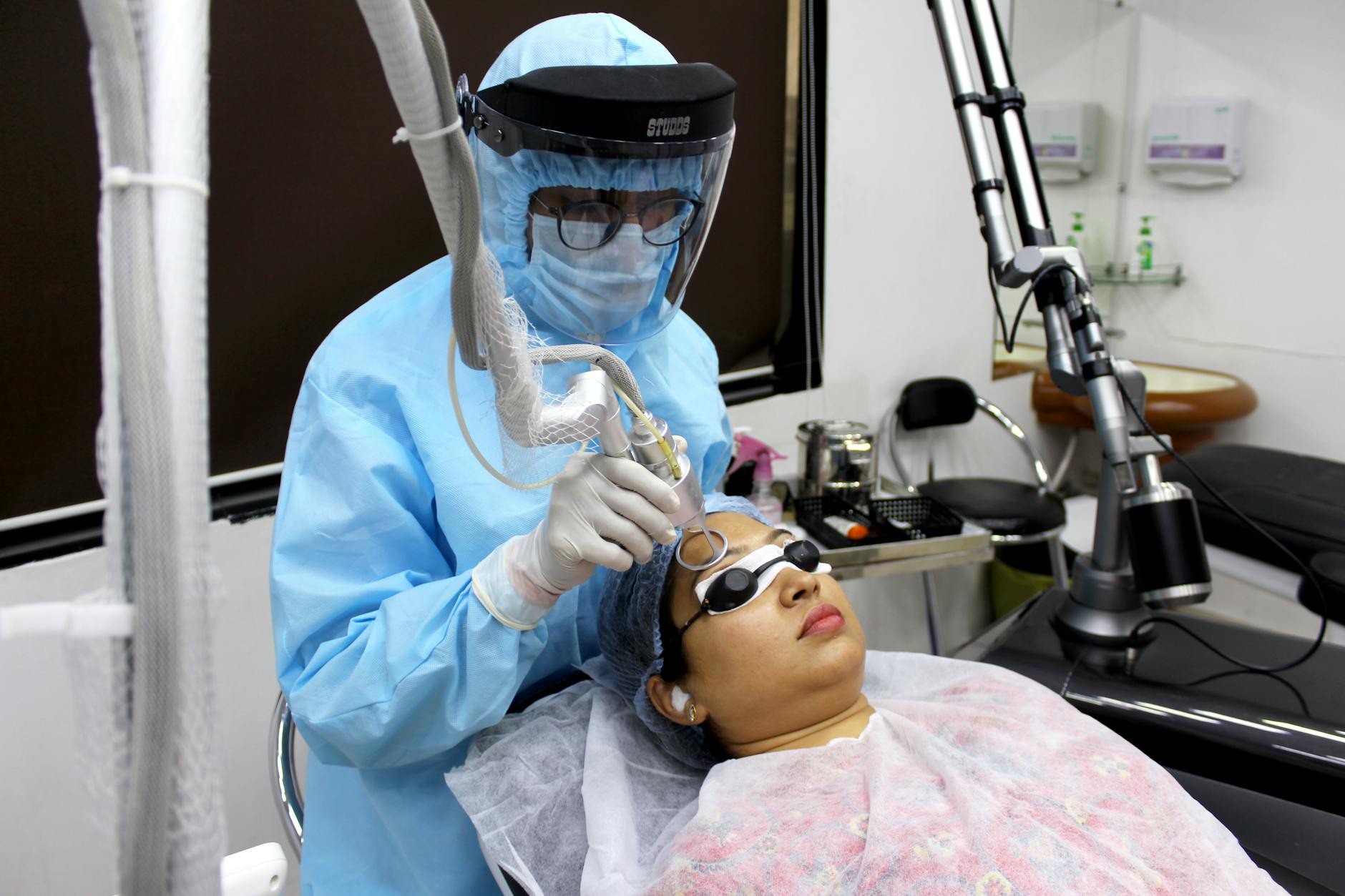
Understanding Fractional Laser Treatment Costs

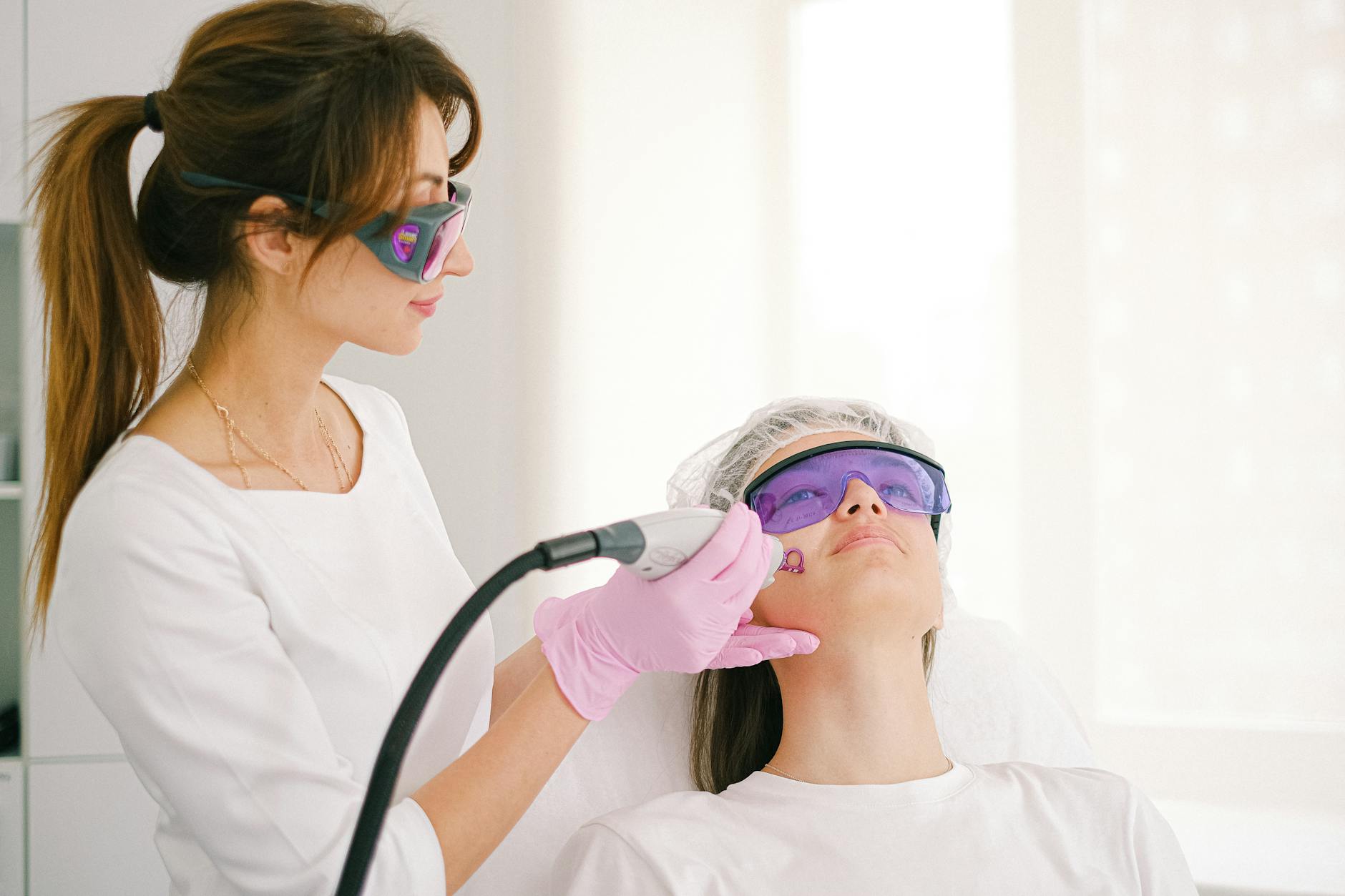
Fractional laser treatments typically range from $300 to $3,000 per session, depending on the type of laser and treatment area. Non-ablative treatments like Fraxel Restore cost between $400-$800 per session, while more intensive ablative procedures can reach $1,500-$3,000.
“Understanding upfront costs helps you budget properly and avoid treatment interruptions that could affect your results.”
Treatment prices usually include the laser session itself, numbing cream application, and post-treatment skincare products. Most providers also include a follow-up consultation within the first week to monitor healing progress. However, prescription medications for infection prevention and advanced healing creams often cost extra.
Geographic location significantly impacts pricing. Major metropolitan areas like New York and Los Angeles charge 40-60% more than smaller cities. For example, a Fraxel treatment costs around $1,200 in Manhattan but only $700 in Phoenix. Rural areas offer the lowest prices but may have fewer experienced practitioners.
Quality providers prioritize proper healing protocols to prevent scarring, making their higher fees worthwhile for achieving clear, healthy skin safely.
Cost Breakdown by Laser Type

Different fractional laser technologies carry distinct price points based on their depth of treatment and complexity. Understanding these differences helps you budget appropriately and choose the right option for your skin concerns.
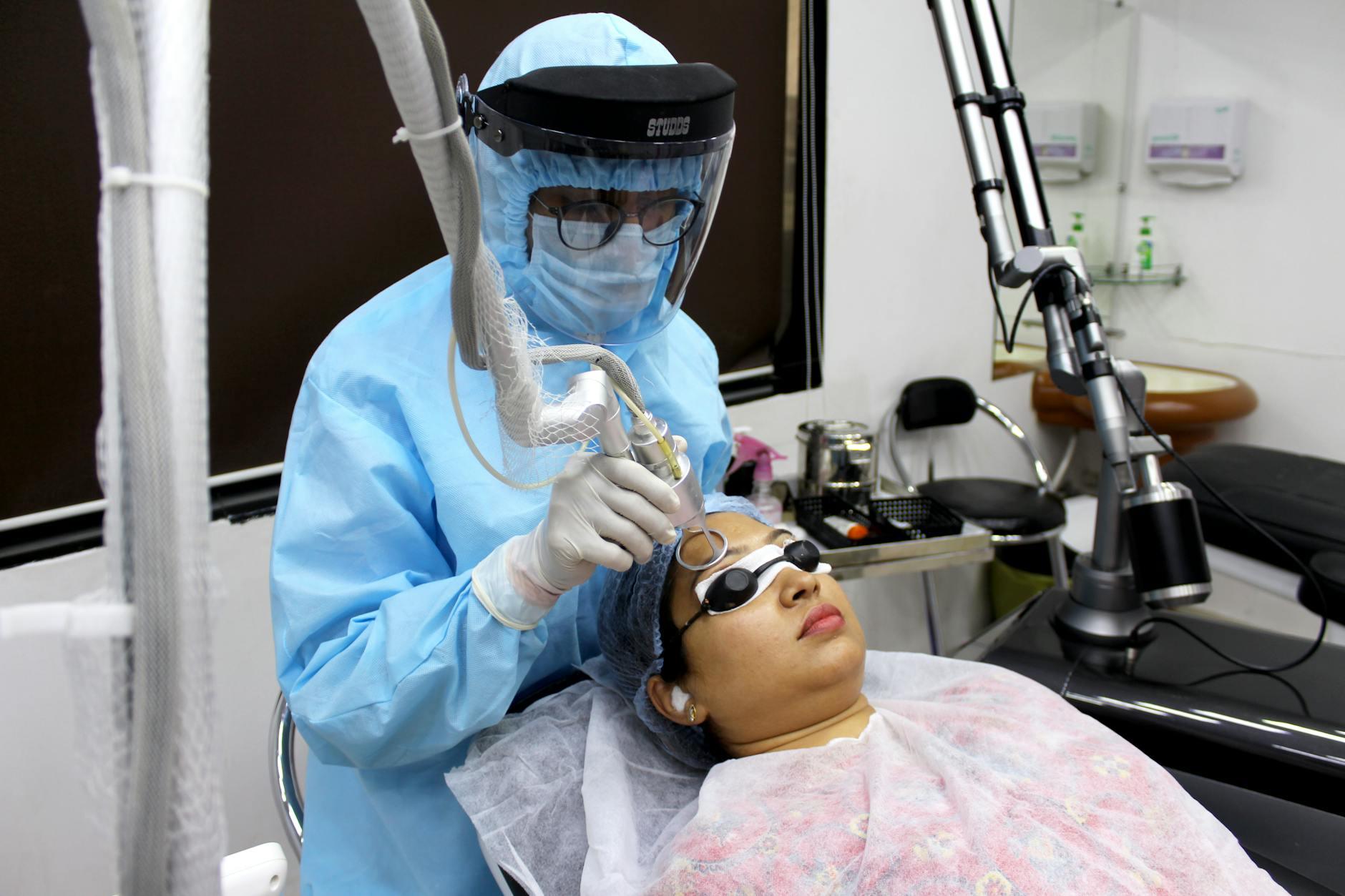
CO2 fractional lasers represent the most intensive option, typically ranging from $1,500 to $4,000 per session. These ablative treatments remove skin layers completely, creating controlled wounds that stimulate deep collagen renewal. The higher cost reflects the advanced technology and longer recovery time required.
Erbium fractional lasers offer a middle ground at $800 to $2,500 per treatment. They provide precise ablation with faster healing than CO2, making them popular for moderate acne scarring and sun damage.
Non-ablative fractional lasers cost $400 to $1,200 per session. These gentler treatments heat tissue without removing surface skin, minimizing downtime but requiring more sessions for visible results.
“The price difference reflects not just the technology, but the depth of treatment and expected recovery time.”
Price variations also depend on treatment area size, geographic location, and provider expertise. For example, treating full-face acne scarring costs more than targeting specific cheek areas.
Factors That Affect Treatment Pricing
Understanding why fractional laser prices vary helps you make informed decisions and avoid surprises when receiving treatment quotes. Several key factors determine your final cost.
Treatment area size directly impacts pricing since larger areas require more time and laser energy. Treating your full face costs significantly more than targeting small acne scars on your cheeks. Most providers charge per treatment zone, with face, neck, and chest priced separately.
The number of sessions required affects your total investment. Most patients need three to five treatments spaced weeks apart for optimal results. Your skin type and concerns determine session count.
Geographic location creates substantial price differences. Metropolitan areas like New York or Los Angeles charge premium rates, while smaller cities offer more affordable options. The same treatment might cost $800 in Manhattan versus $400 in smaller markets.
Provider credentials and facility type influence pricing. Board-certified dermatologists and plastic surgeons typically charge more than medical spas, but their expertise reduces risks like scarring that concern many patients. Established practices with advanced equipment command higher fees than newer facilities.
Package Deals and Session Bundles
Most dermatology clinics offer significant savings when you purchase multiple fractional laser sessions upfront. Package deals typically reduce per-session costs by 15-25% compared to individual treatments. A single session might cost $800, but a four-session package could bring the per-treatment price down to $600-650.
Maintenance treatments, usually needed every 6-12 months, help preserve your results without the anxiety of starting over. These follow-up sessions cost less than initial treatments, ranging from $300-500 each.
Many practices offer financing options including payment plans, medical credit cards, and monthly installments. CareCredit and Alphaeon Credit are popular choices that break large payments into manageable amounts. Some clinics provide in-house financing with zero percent interest for qualified patients, making professional treatment accessible while you work toward clear, confident skin.
Comparing Costs with Alternative Treatments

When weighing fractional laser treatment against other options, Chemical Peels present the most common alternative. Chemical Peels use acid treatments that remove damaged skin layers to improve texture and appearance through controlled chemical exfoliation, targeting acne scars, fine lines, wrinkles, age spots, and uneven skin tone.
Chemical peels typically cost $150-$300 per session, requiring 6-8 treatments for comparable results to fractional laser. While the per-session cost appears lower, total treatment costs often match fractional laser packages. The key difference lies in longevity and maintenance requirements.
Fractional laser results typically last 3-5 years with proper care, while chemical peels require ongoing maintenance every 2-3 years. For patients concerned about achieving clear skin without permanent complications, fractional laser offers superior collagen stimulation and deeper tissue remodeling. This translates to longer-lasting improvements and reduced long-term costs when calculated over multiple years of treatment.
Budgeting Tips for Your Treatment
Smart planning prevents financial stress and ensures you get quality care. Start by asking your dermatologist specific questions during consultation: What's included in the quoted price? How many sessions will you realistically need? Are touch-ups covered?
Watch for hidden costs that providers don't always mention upfront. Numbing cream often costs $50-100 extra per session. Post-treatment skincare products can add $150-300 to your total expense. Some clinics charge separately for follow-up appointments or require specific aftercare products from their office.
Request detailed pricing that includes all potential fees.
Many practices offer payment plans or medical credit cards with promotional rates.
Remember that choosing the cheapest option increases your risk of complications that could worsen scarring. Quality treatment from experienced providers protects your investment and your skin.
Budget for the total treatment journey, not just the advertised per-session price.
Frequently Asked Questions
How much does fractional laser treatment cost?
Fractional laser treatments typically range from $300 to $3,000 per session, depending on the type of laser and treatment area. Non-ablative treatments like Fraxel Restore cost between $400-$800 per session, while more intensive ablative procedures can reach $1,500-$3,000. The typical total investment averages around $1,200, with most patients requiring an average of 3.2 sessions for optimal results.
What's included in fractional laser treatment pricing?
Treatment prices usually include the laser session itself, numbing cream application, and post-treatment skincare products. Most providers also include a follow-up consultation within the first week to monitor healing progress. However, prescription medications for infection prevention and advanced healing creams often cost extra.
How does location affect fractional laser costs?
Geographic location significantly impacts pricing, with major metropolitan areas like New York and Los Angeles charging 40-60% more than smaller cities. For example, a Fraxel treatment costs around $1,200 in Manhattan but only $700 in Phoenix. Rural areas offer the lowest prices but may have fewer experienced practitioners.
What's the difference in cost between CO2 and non-ablative fractional lasers?
CO2 fractional lasers are the most expensive option, ranging from $1,500 to $4,000 per session due to their intensive ablative nature and longer recovery time. Non-ablative fractional lasers cost significantly less at $400 to $1,200 per session, though they require more treatments for visible results. The price difference reflects the technology complexity, depth of treatment, and expected recovery time.
How many fractional laser sessions do I need?
About 85% of patients require multiple sessions for optimal results, with an average of 3.2 sessions needed. The exact number depends on your specific skin concerns, the type of laser used, and your desired outcome. Non-ablative treatments typically require more sessions than ablative procedures like CO2 lasers.
Disclaimer: This content is for informational purposes only and does not constitute medical advice. Always consult a qualified healthcare provider before making health decisions.