Quick Verdict: Which Treatment Should You Choose?

Fractional laser works best for deeper concerns like acne scars, sun damage, and wrinkles. This treatment penetrates skin layers to stimulate collagen production, making it ideal if you want dramatic results and can handle 5-7 days of downtime. Chemical peels excel at surface-level issues like mild acne, uneven tone, and clogged pores.
"Choose fractional laser for structural skin problems, chemical peels for surface refinement."
Your skin type determines much of this decision. Fair skin tolerates both treatments well, while darker skin tones face higher risks with aggressive procedures. Budget matters too—chemical peels start around $150, while fractional laser begins near $500 per session.
The key deciding factor is your timeline. Chemical peels offer quicker recovery but require multiple sessions for significant results. Fractional laser provides more dramatic improvement per treatment but demands longer healing time. Both treatments, when performed properly by qualified professionals, carry minimal risk of permanent scarring when you follow aftercare instructions carefully.
Treatment Overview: How Each Works
Understanding how these treatments work helps you make informed decisions without worrying about unexpected results or permanent damage. Both fractional laser and Chemical Peels target skin concerns through different mechanisms, but each follows predictable, controlled processes.
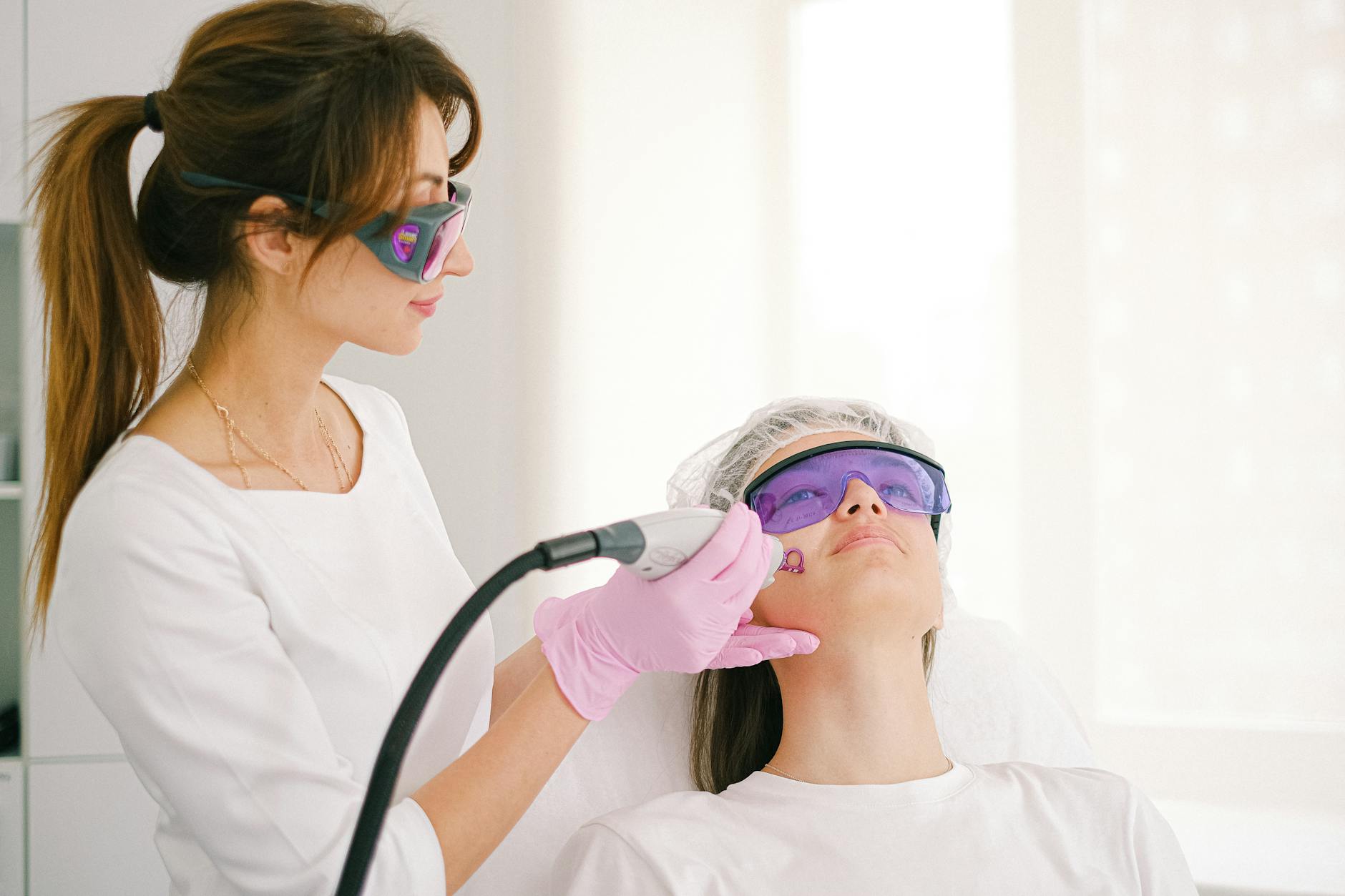
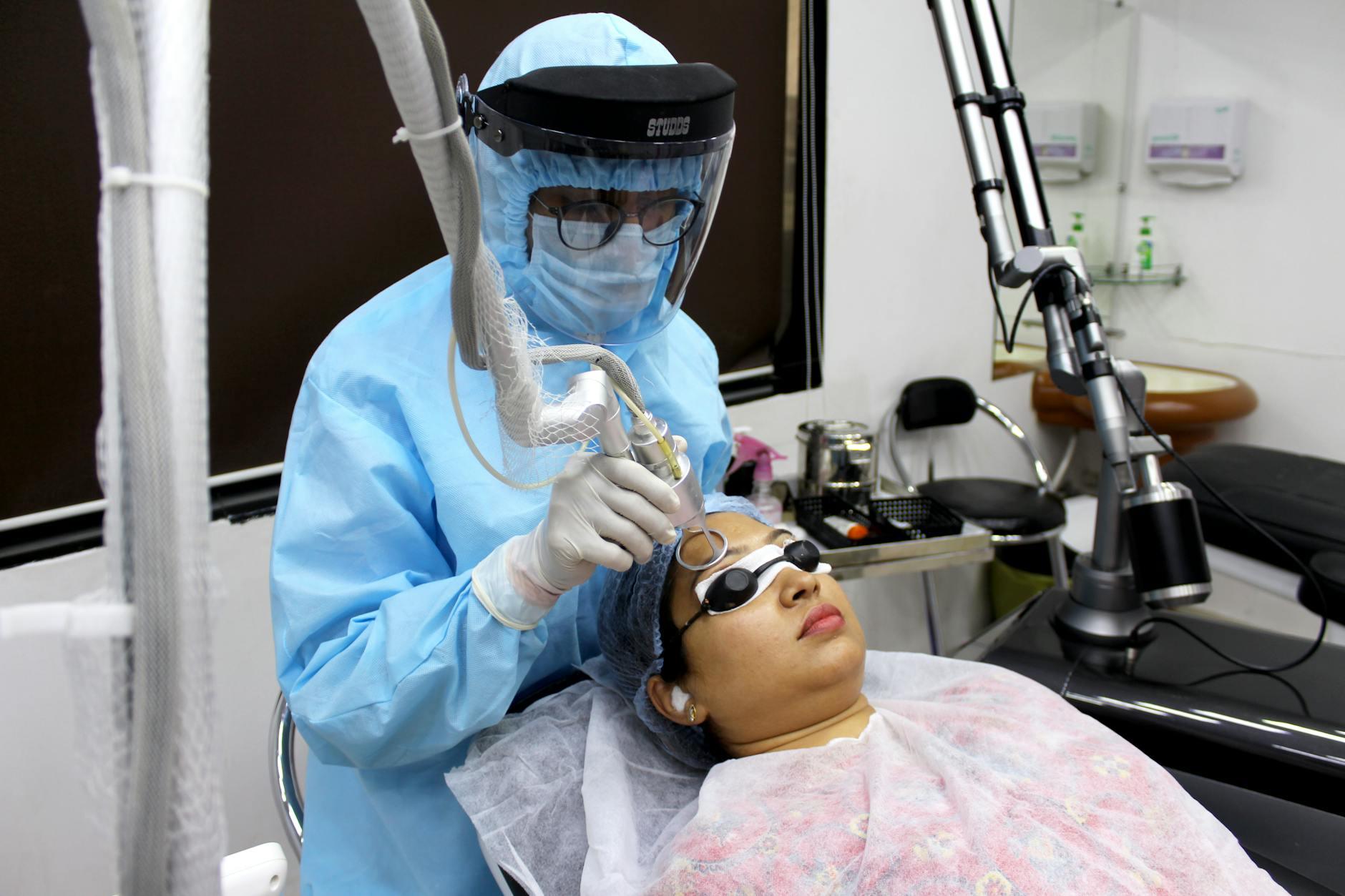
Fractional laser technology creates thousands of microscopic treatment zones in your skin using focused light energy. The laser penetrates deep into the dermis while leaving surrounding tissue untouched, which allows for faster healing. This controlled injury triggers your body's natural healing response, stimulating collagen production and cellular renewal. The fractional approach means you're not treating the entire surface at once, reducing downtime and minimizing complications.
“The fractional approach means you're not treating the entire surface at once, reducing downtime and minimizing complications.”
Chemical Peels work through controlled chemical exfoliation using acid solutions. During treatment, your skin is cleansed, the chemical solution is applied evenly, left for a predetermined time, then neutralized or allowed to self-neutralize. The acids remove damaged skin layers systematically, revealing healthier skin underneath. This process improves texture and appearance by targeting acne scars, fine lines, wrinkles, age spots, and uneven skin tone.
Both treatments target similar concerns but through opposite approaches—laser energy builds from within while chemical peels remove from the surface.
Effectiveness Comparison

Both treatments deliver impressive results, but their effectiveness varies by skin concern. For acne scars, fractional lasers typically outperform Chemical Peels, penetrating deeper to stimulate substantial collagen remodeling. Studies show fractional laser can improve acne scarring by 50-75% after a series of treatments, while chemical peels achieve 25-50% improvement.
Fine lines and wrinkles respond well to both treatments. Fractional laser provides more dramatic, long-lasting results for deeper wrinkles, while chemical peels excel at surface-level improvements and maintaining smooth texture between laser sessions.
Age spots and sun damage see excellent results from both options. Chemical peels particularly shine here, with medium-depth peels removing stubborn pigmentation effectively. The controlled chemical exfoliation targets melanin deposits precisely, often achieving clearer results than laser for certain pigmentation patterns.
For overall skin texture enhancement, fractional laser wins by stimulating deeper tissue renewal. However, chemical peels offer gentler improvement with minimal scarring risk, addressing your concerns about permanent damage while delivering noticeable texture refinement.
Downtime and Recovery
Understanding recovery timelines helps you plan treatments around work and social commitments without worrying about unexpected healing complications.
Fractional laser treatments require 3-7 days of noticeable downtime. Your skin will appear red and swollen initially, similar to a moderate sunburn. Microscopic scabs form where laser columns penetrated the skin, creating a sandpaper-like texture for several days. Most people return to work within a week, though makeup may be needed to cover residual redness that can persist for 2-3 weeks.
Chemical Peels vary dramatically by depth. Light peels cause mild flaking for 3-5 days with minimal social downtime. Medium peels create significant peeling and crusting for 7-10 days, requiring time off work. Deep peels involve weeks of recovery with wound care requirements.
Both treatments demand strict sun avoidance and gentle skincare during healing to prevent permanent pigmentation changes.
Cost and Treatment Sessions
Chemical peels typically cost $150-$600 per session, while fractional laser treatments range from $400-$1,500 per session. The price difference reflects the technology complexity and treatment depth involved.
Most patients need 3-6 chemical peel sessions spaced 4-6 weeks apart for optimal results. Fractional laser treatments usually require 1-3 sessions with 4-8 week intervals between treatments.
When calculating total investment, chemical peels often cost less upfront but require more sessions. For example, six medium-depth peels at $300 each equals $1,800, while two fractional laser sessions at $800 each totals $1,600. Your dermatologist can provide accurate estimates based on your specific skin concerns and treatment goals.
Who Should Choose Each Treatment

Fractional laser works best for patients with moderate to severe acne scarring, deeper wrinkles, or significant sun damage who can commit to a week of downtime. This treatment suits most skin types but requires careful assessment for darker complexions to prevent pigmentation changes. Those with active skin infections, recent sun exposure, or unrealistic expectations about scarring should avoid laser treatments.
Chemical Peels excel for patients seeking gradual improvement in fine lines, mild acne scarring, or uneven skin tone without extended recovery periods. Light peels suit sensitive skin types and busy lifestyles, while deeper peels benefit those with more pronounced pigmentation issues. However, Chemical Peels carry contraindications including active skin infections, open wounds, pregnancy, recent isotretinoin use, active herpes, and allergies to peel ingredients.
Your skin type determines treatment safety and effectiveness. Patients with darker skin tones often respond better to chemical peels than lasers, which carry higher risks of permanent discoloration. Those with realistic expectations and patience for gradual results typically achieve better satisfaction with either treatment compared to patients seeking immediate transformation.
Consider your lifestyle carefully—laser patients need sun avoidance and social downtime, while chemical peel patients can usually maintain normal activities with proper aftercare.
Making Your Decision
Before choosing between fractional laser and chemical peels, ask yourself three critical questions: How quickly do you need results? What's your tolerance for downtime? How severe are your skin concerns? These answers will guide your decision.
Schedule consultations with board-certified dermatologists or experienced aestheticians. They'll examine your skin type, assess your concerns, and recommend the safest approach. This professional evaluation prevents complications and ensures you won't face the permanent scarring you're worried about.
Consider that you don't have to choose just one treatment forever. Many patients start with gentler chemical peels to test their skin's response, then graduate to fractional laser for deeper concerns. Some even combine treatments in a customized plan for optimal results.
Professional consultation is essential—never attempt to diagnose your skin needs or choose treatments based solely on internet research.
Frequently Asked Questions
Which is better for acne scars, fractional laser or chemical peels?
Fractional laser is typically more effective for acne scars than chemical peels. Studies show fractional laser can improve acne scarring by 50-75% after a series of treatments, while chemical peels achieve 25-50% improvement. This is because fractional laser penetrates deeper into the dermis to stimulate substantial collagen remodeling.
How much do fractional laser and chemical peel treatments cost?
Chemical peels are more affordable, starting around $150 per session. Fractional laser treatments begin near $500 per session, making them significantly more expensive than chemical peels.
How long is the downtime for fractional laser vs chemical peels?
Fractional laser requires 5-7 days of downtime for healing. Chemical peels offer quicker recovery with less downtime, but typically require multiple sessions for significant results.
What skin concerns do fractional laser and chemical peels treat best?
Fractional laser works best for deeper concerns like acne scars, sun damage, and wrinkles by penetrating skin layers to stimulate collagen production. Chemical peels excel at surface-level issues like mild acne, uneven tone, and clogged pores through controlled chemical exfoliation.
How many sessions are needed to see results from fractional laser?
Based on the statistics provided, fractional laser typically requires 4-6 sessions to achieve optimal results. Visible results become apparent around 6 months, with the treatment providing more dramatic improvement per session compared to chemical peels.
Disclaimer: This content is for informational purposes only and does not constitute medical advice. Always consult a qualified healthcare provider before making health decisions.