Understanding Fractional Laser Technology

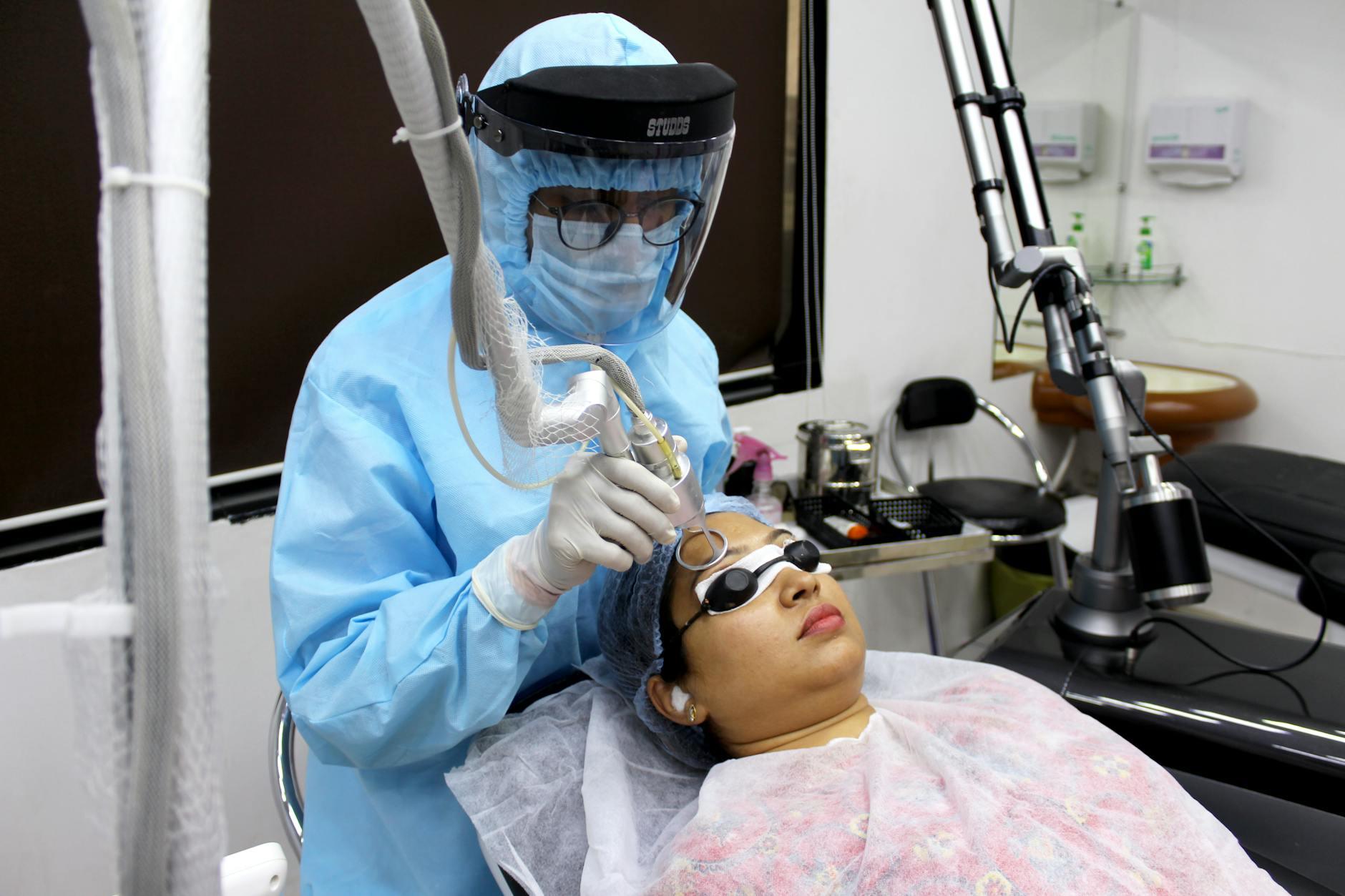
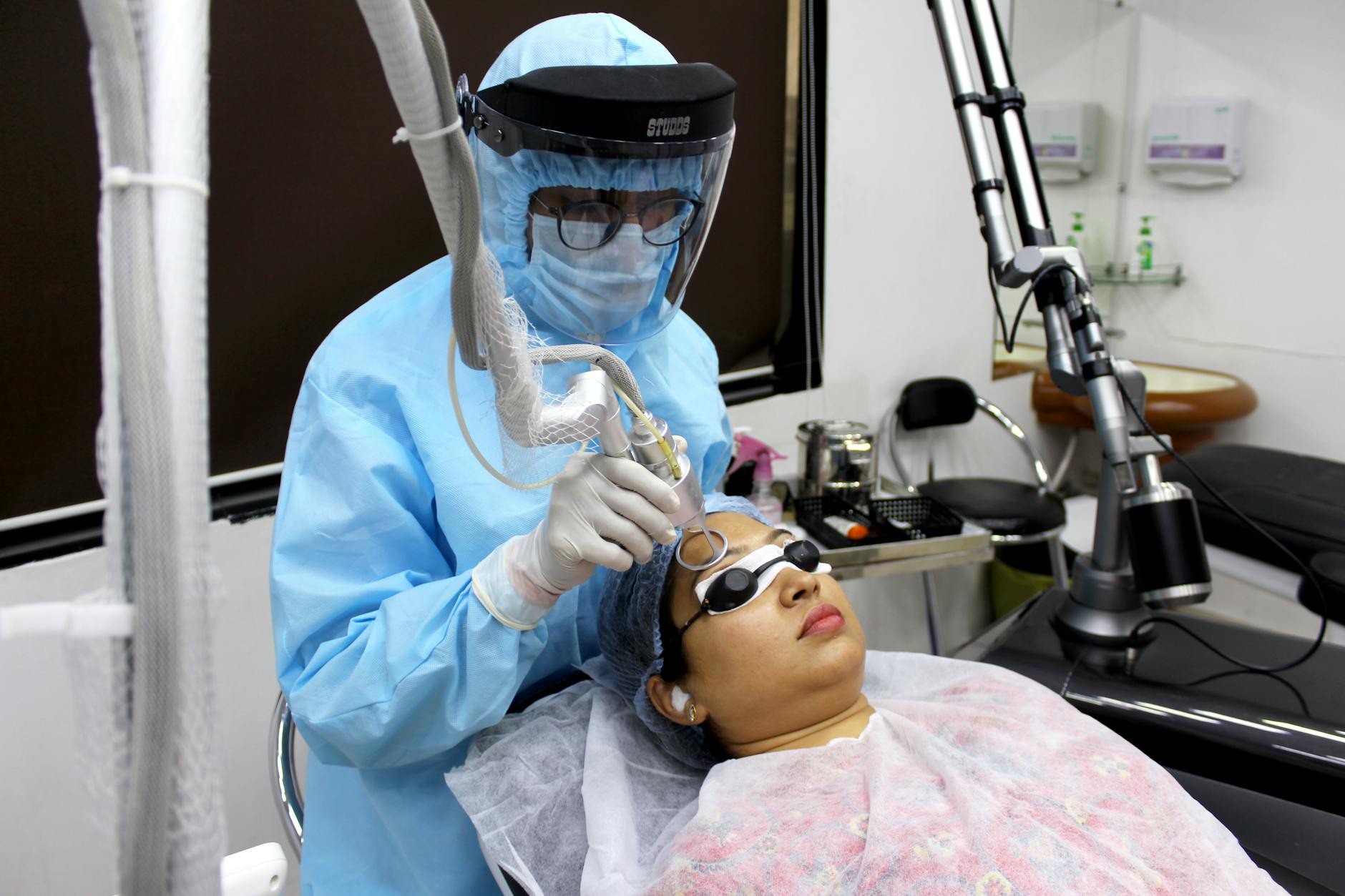
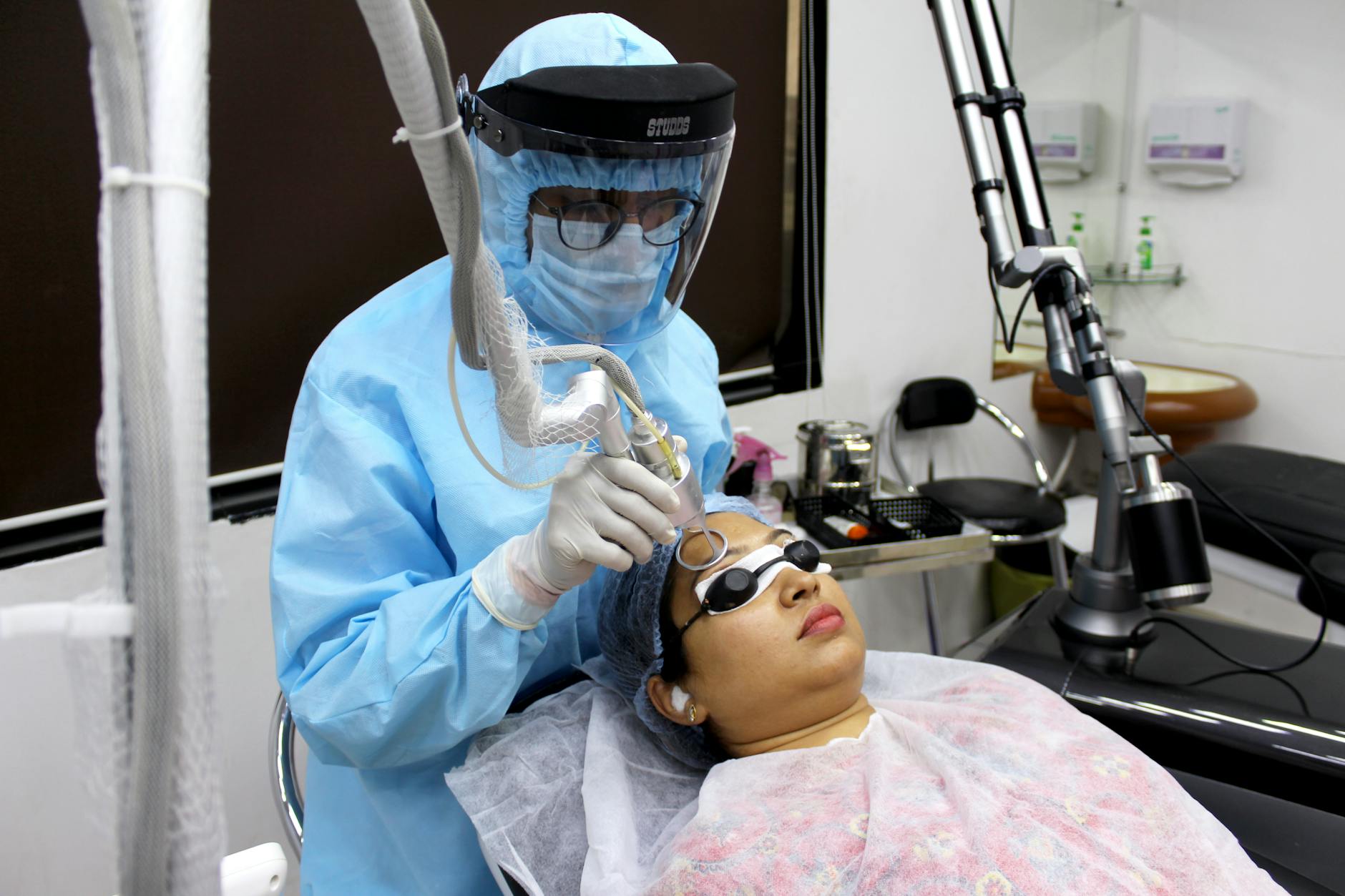
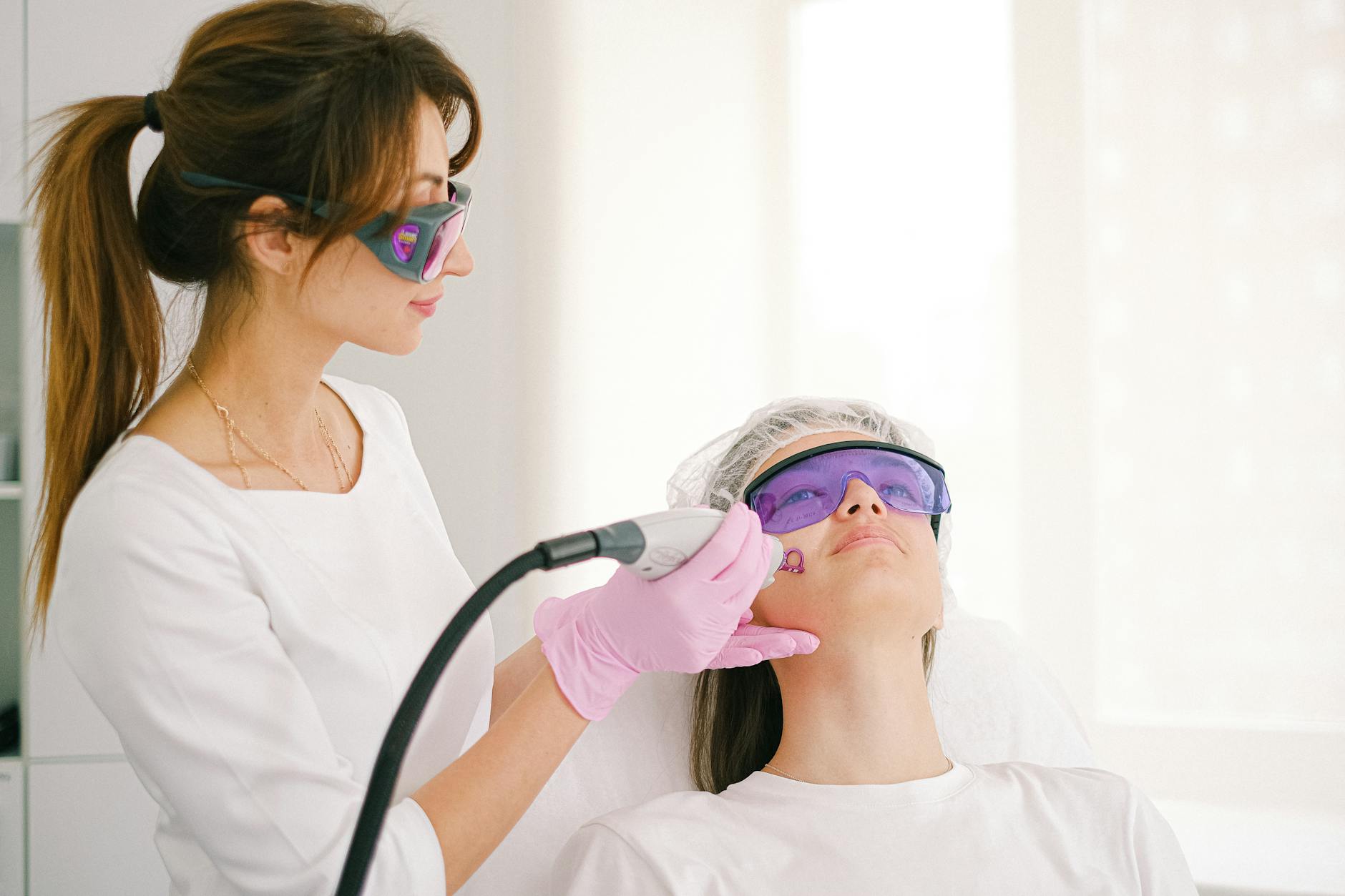
Fractional laser technology represents a breakthrough in skin treatment that addresses your concerns about scarring while delivering effective results. Unlike traditional lasers that treat entire surface areas, fractional lasers create thousands of tiny micro-zones of treatment across your skin. Think of it like poking microscopic holes in a piece of paper with a needle—only specific spots receive direct treatment while the surrounding areas remain untouched.
“Fractional technology preserves healthy tissue between treatment zones, allowing your skin to heal faster and more safely than ever before.”
This selective approach preserves surrounding healthy tissue, which serves as a reservoir for healing cells. Your untreated skin helps regenerate the treated areas, significantly reducing recovery time and minimizing the risk of complications that worry many patients.
Different laser wavelengths penetrate to varying depths in your skin. For example, 1550nm wavelengths target the deeper dermis where collagen lives, while 2940nm wavelengths focus on surface-level concerns like texture and pigmentation. Some lasers even combine multiple wavelengths in a single treatment.
The fractional method allows dermatologists to customize treatment intensity based on your specific skin concerns and tolerance, making it suitable for various skin types and conditions while maintaining the safety profile you need.
Ablative vs Non-Ablative Fractional Lasers

Fractional lasers fall into two main categories that work in fundamentally different ways. Understanding this distinction helps you choose the right treatment for your skin goals and comfort level.
Ablative fractional lasers remove tiny columns of tissue completely from your skin's surface. Think of them as creating microscopic wounds that trigger your body's natural healing response. Popular ablative lasers include CO2 and Erbium systems. These treatments deliver dramatic results but require more downtime because they actually vaporize skin cells.
“Ablative lasers remove tissue completely while non-ablative lasers heat it without destruction.”
Non-ablative fractional lasers take a gentler approach. They heat the deeper layers of your skin without removing any surface tissue. The laser energy creates controlled thermal zones that stimulate collagen production while leaving your skin's protective barrier intact. Examples include Fraxel and similar fractional erbium glass lasers.
The recovery time reflects this difference dramatically. Ablative treatments typically require one to two weeks of healing, during which your skin may appear red and raw. Non-ablative procedures usually involve three to five days of mild redness and swelling.
Both types can effectively treat acne scars, sun damage, and fine lines. However, ablative lasers generally produce more dramatic improvements in fewer sessions, while non-ablative treatments offer gradual enhancement with minimal disruption to your daily routine.
CO2 Fractional Lasers (Ablative)
CO2 fractional lasers represent the most powerful option in laser resurfacing, delivering dramatic results for patients with severe skin damage. These ablative lasers work by creating thousands of microscopic columns of heat that vaporize damaged skin tissue while leaving surrounding areas intact to promote faster healing.
CO2 lasers excel at treating deep wrinkles, severe acne scars, and extensive sun damage that other treatments cannot address. For example, patients with deep forehead lines or ice-pick acne scars often see remarkable improvement after a single session. The treatment stimulates new collagen production for months afterward, continuing to improve skin texture and firmness.
However, the aggressive nature requires significant downtime. Expect red, swollen skin for the first week, followed by peeling and gradual healing over 2-3 weeks. While concerns about scarring exist, proper aftercare and choosing an experienced dermatologist minimize this risk. Most patients find the dramatic, long-lasting results worth the temporary recovery period, especially those seeking comprehensive skin renewal.
Erbium Fractional Lasers (Ablative)
Erbium fractional lasers offer a middle ground between aggressive CO2 treatments and gentler non-ablative options. These ablative lasers remove damaged skin tissue but operate at a wavelength that causes less thermal damage to surrounding areas. This means you get effective results without the extended downtime of CO2 lasers.
Your skin will still show visible improvement after erbium treatment, but the healing process is more manageable. Most patients experience redness and mild swelling for 3-5 days, compared to the 7-14 day recovery typical with CO2 lasers. The risk of permanent scarring is lower than with more aggressive treatments, addressing a common concern among patients considering laser resurfacing.
For example, someone with moderate acne scarring and sun damage would be an ideal candidate for erbium treatment. You'll see noticeable skin texture improvement while maintaining your ability to return to normal activities within a week.
Non-Ablative Options: Fraxel and Clear + Brilliant

Non-ablative fractional lasers offer gentler treatment for patients worried about downtime and visible recovery periods. These lasers heat the deeper skin layers without removing surface tissue, making them ideal for busy schedules and professional commitments.
Fraxel represents the most popular non-ablative option for moderate skin concerns. This laser penetrates beneath the surface to stimulate collagen production while leaving the top layer intact. Patients typically experience mild redness for 2-3 days, similar to a sunburn sensation. Most people return to work the next day with minimal makeup coverage. Fraxel effectively addresses sun damage, melasma, and early signs of aging through a series of 3-5 treatments spaced four weeks apart.
Clear + Brilliant provides the mildest approach, designed for maintenance and prevention rather than correction. This "baby Fraxel" creates microscopic treatment zones that refresh skin texture without noticeable peeling. Patients often combine these sessions with Chemical Peels for enhanced results. The treatment requires 4-6 sessions but offers virtually no social downtime, making it perfect for gradual skin improvement without the fear of temporary appearance changes that concern many patients.
Choosing the Right Type for Your Needs
Selecting the right fractional laser depends on three key factors: your skin concerns, available downtime, and healing capacity. For mild issues like fine lines or early sun damage, non-ablative options like Clear + Brilliant work well with minimal recovery time. Moderate concerns such as deeper wrinkles or acne scars benefit from stronger non-ablative treatments like Fraxel, while severe scarring or significant sun damage requires ablative CO2 or Erbium lasers.
Your lifestyle matters too. If you can only take a weekend off work, stick with non-ablative treatments. Ablative procedures need one to two weeks of healing time. People with darker skin tones should prioritize non-ablative options to avoid permanent discoloration risks—a valid concern that dermatologists take seriously when planning treatments.
Match your treatment choice to both your concern severity and realistic downtime availability for optimal results.
Frequently Asked Questions
What is fractional laser technology and how does it work?
Fractional laser technology creates thousands of tiny micro-zones of treatment across your skin, similar to poking microscopic holes in paper with a needle. Unlike traditional lasers that treat entire surface areas, fractional lasers only treat specific spots while leaving surrounding areas untouched. This selective approach preserves healthy tissue between treatment zones, which serves as a reservoir for healing cells and helps regenerate treated areas more quickly and safely.
What's the difference between ablative and non-ablative fractional lasers?
Ablative fractional lasers remove tiny columns of tissue completely from your skin's surface, creating microscopic wounds that trigger natural healing responses and deliver dramatic results. Non-ablative fractional lasers take a gentler approach by heating deeper skin layers without removing surface tissue, stimulating collagen production while keeping your skin's protective barrier intact. Ablative treatments typically require one to two weeks of healing, while non-ablative procedures usually involve only three to five days of mild redness and swelling.
How long is the recovery time for fractional laser treatments?
Recovery time varies significantly between ablative and non-ablative fractional laser treatments. Ablative treatments typically require one to two weeks of healing, during which your skin may appear red and raw. Non-ablative procedures usually involve only three to five days of mild redness and swelling with minimal disruption to your daily routine.
Can fractional lasers treat different skin concerns and skin types?
Yes, fractional lasers can effectively treat various skin concerns including acne scars, sun damage, and fine lines. Different laser wavelengths penetrate to varying depths, with 1550nm targeting deeper dermis where collagen lives and 2940nm focusing on surface-level concerns like texture and pigmentation. The fractional method allows dermatologists to customize treatment intensity based on your specific skin concerns and tolerance, making it suitable for various skin types while maintaining safety.
What results can I expect from CO2 fractional laser treatments?
CO2 fractional lasers represent the most powerful option in laser resurfacing and deliver dramatic results for patients with severe skin damage. These ablative lasers can provide up to 70% wrinkle improvement by creating thousands of microscopic columns of heat that vaporize damaged skin tissue. However, they require 2-3 weeks of downtime and typically cost around $2,500, though they generally produce more dramatic improvements in fewer sessions compared to non-ablative alternatives.
Disclaimer: This content is for informational purposes only and does not constitute medical advice. Always consult a qualified healthcare provider before making health decisions.