Understanding IPL Treatment for Rosacea

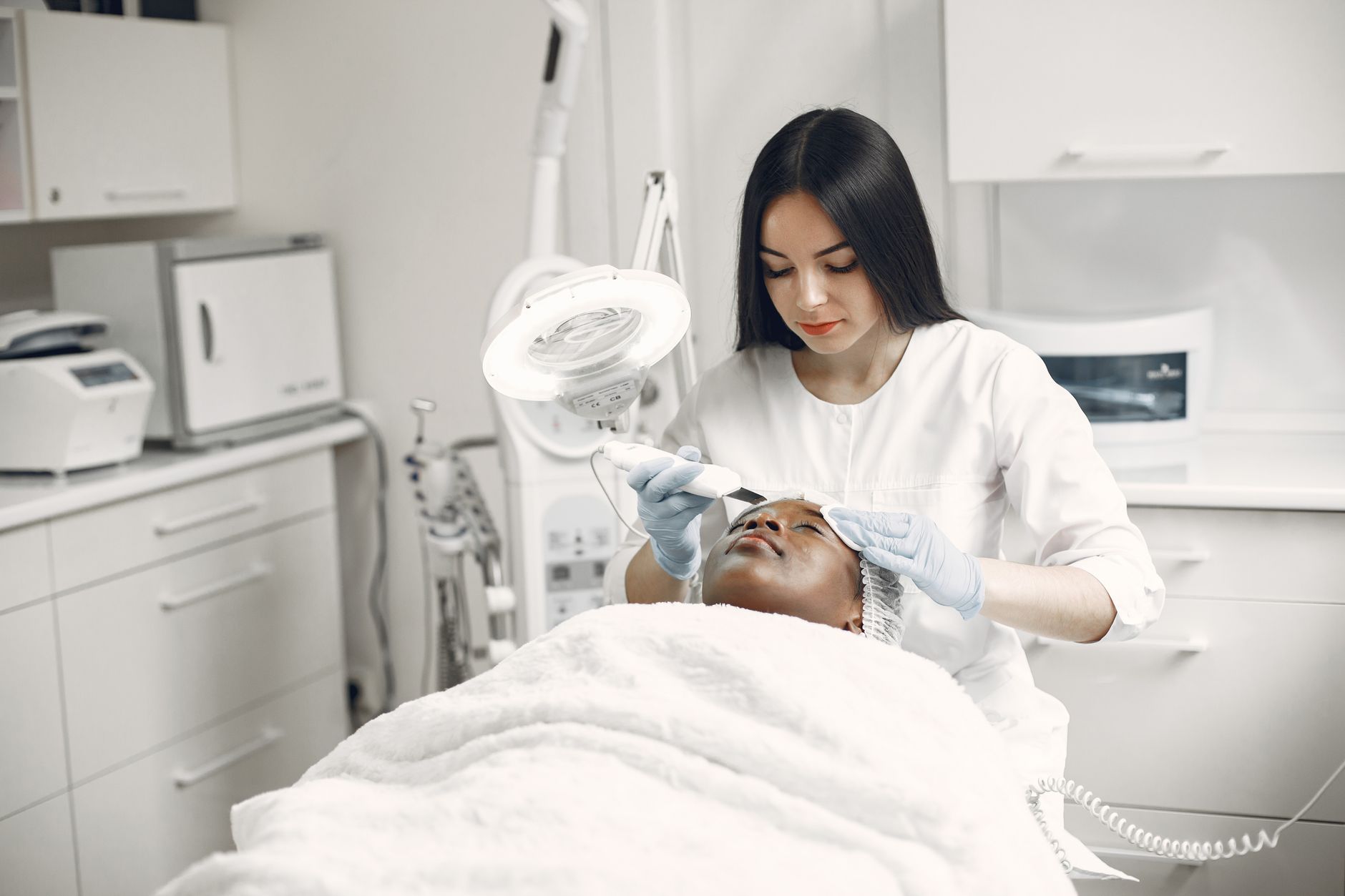
Intense Pulsed Light (IPL) represents a breakthrough non-invasive treatment specifically designed to target the underlying vascular causes of rosacea. Unlike topical creams that only address surface symptoms, IPL penetrates beneath the skin to directly target the dilated blood vessels and broken capillaries that create the persistent redness characteristic of rosacea.
“IPL works by delivering controlled light energy that causes problematic blood vessels to collapse and fade, reducing the visible redness without damaging surrounding tissue.”
The treatment uses broad-spectrum light wavelengths that are specifically absorbed by hemoglobin in blood vessels. This targeted approach makes IPL particularly effective for addressing the flushing, persistent erythema, and visible spider veins that cause social embarrassment for many rosacea patients. The light energy heats and destroys these vessels while leaving healthy skin untouched, promoting clearer skin without the risk of permanent scarring that concerns many patients considering treatment options.
How IPL Addresses Rosacea Symptoms

IPL technology specifically targets the underlying causes of rosacea by delivering controlled light energy to problematic blood vessels beneath your skin surface. The treatment reduces facial redness and flushing by causing dilated capillaries to collapse and be naturally absorbed by your body.
“IPL works by targeting the hemoglobin in enlarged blood vessels, effectively reducing the persistent redness that characterizes rosacea.”
The light energy minimizes visible blood vessels while improving overall skin texture through gentle stimulation of collagen production. For inflammatory rosacea, IPL targets papules and pustules by reducing the vascular inflammation that feeds these breakouts.
Many patients notice reduced flushing episodes after just one session. For example, someone who previously experienced severe facial redness during stress or heat exposure might find their skin remains calmer and more even-toned. This improvement helps prevent the social embarrassment that often accompanies visible rosacea symptoms, giving you confidence in daily interactions.
What to Expect During IPL for Rosacea
Each IPL session takes 15-30 minutes, depending on the treatment area size. Most patients need 3-5 sessions spaced 3-4 weeks apart for optimal results.
During treatment, you'll feel a warm sensation similar to a rubber band snap against your skin. Most patients describe it as tolerable discomfort rather than pain. Your face will appear red immediately after treatment, resembling a mild sunburn.
This temporary redness typically fades within 2-4 hours, though some patients experience mild swelling for up to 24 hours. IPL doesn't cause permanent scarring when performed by qualified professionals.
IPL vs Other Rosacea Treatment Options

Choosing the right rosacea treatment depends on your specific symptoms and skin type. Topical treatments like metronidazole gel work well for mild redness but require months of consistent use and may cause dryness. IPL offers faster visible results for vascular symptoms without the daily commitment.
IPL proves gentler than aggressive laser treatments while targeting multiple issues simultaneously. Chemical Peels work better for textural concerns and acne-like bumps, using controlled chemical exfoliation to remove damaged skin layers. This approach suits patients with prominent papules or uneven texture.
Many dermatologists recommend combining treatments for comprehensive results. Starting with IPL for vascular symptoms, then adding topical maintenance, prevents the social embarrassment of persistent redness while ensuring long-term control.
Is IPL Right for Your Rosacea?
IPL works best for patients with mild to moderate rosacea who struggle primarily with persistent redness and visible blood vessels. You're an ideal candidate if you have fair to medium skin tones, realistic expectations about gradual improvement, and can commit to multiple treatment sessions over several months.
Certain factors make IPL unsuitable or risky. Avoid IPL if you have very dark skin, active skin infections, are pregnant, take certain medications that increase light sensitivity, or have unrealistic expectations about overnight results. Recent sun exposure or tanning also disqualifies you temporarily.
Most patients see noticeable improvement in redness after three to five sessions, but IPL won't eliminate rosacea entirely or prevent future flare-ups. The treatment reduces symptoms rather than curing the condition permanently, addressing concerns about long-term skin appearance without causing permanent scarring when performed correctly.
Schedule a dermatologist consultation if you're unsure about your rosacea severity, have experienced treatment failures with other methods, or want professional assessment of your skin type and treatment suitability.
IPL is most effective for fair-skinned patients with persistent redness who can commit to multiple sessions and realistic improvement timelines.
Frequently Asked Questions
How does IPL treatment work for rosacea?
IPL uses broad-spectrum light wavelengths that are specifically absorbed by hemoglobin in dilated blood vessels beneath the skin. The controlled light energy heats and destroys these problematic vessels while leaving healthy skin untouched. This targeted approach causes the dilated capillaries to collapse and be naturally absorbed by the body, reducing the persistent redness characteristic of rosacea.
How many IPL sessions are needed for rosacea treatment?
Most patients need 3-5 IPL sessions spaced 3-4 weeks apart for optimal results. Each session takes 15-30 minutes depending on the treatment area size. Studies show that 85% of patients see improvement after 3 sessions.
What does IPL treatment feel like and is it painful?
During IPL treatment, you'll feel a warm sensation similar to a rubber band snap against your skin. Most patients describe it as tolerable discomfort rather than pain. Your face will appear red immediately after treatment, resembling a mild sunburn, but this temporary redness typically fades within 2-4 hours.
How quickly can I see results from IPL for rosacea?
Many patients notice reduced flushing episodes after just one IPL session. For example, someone who previously experienced severe facial redness during stress or heat exposure might find their skin remains calmer and more even-toned. The treatment provides faster visible results for vascular symptoms compared to topical treatments that require months of consistent use.
Does IPL cause permanent scarring for rosacea treatment?
IPL doesn't cause permanent scarring when performed by qualified professionals. The treatment targets problematic blood vessels while leaving healthy skin untouched, promoting clearer skin without the risk of permanent scarring. This targeted approach makes IPL a safe option for addressing rosacea symptoms without damaging surrounding tissue.
Disclaimer: This content is for informational purposes only and does not constitute medical advice. Always consult a qualified healthcare provider before making health decisions.