Understanding IPL Side Effects: What You Need to Know

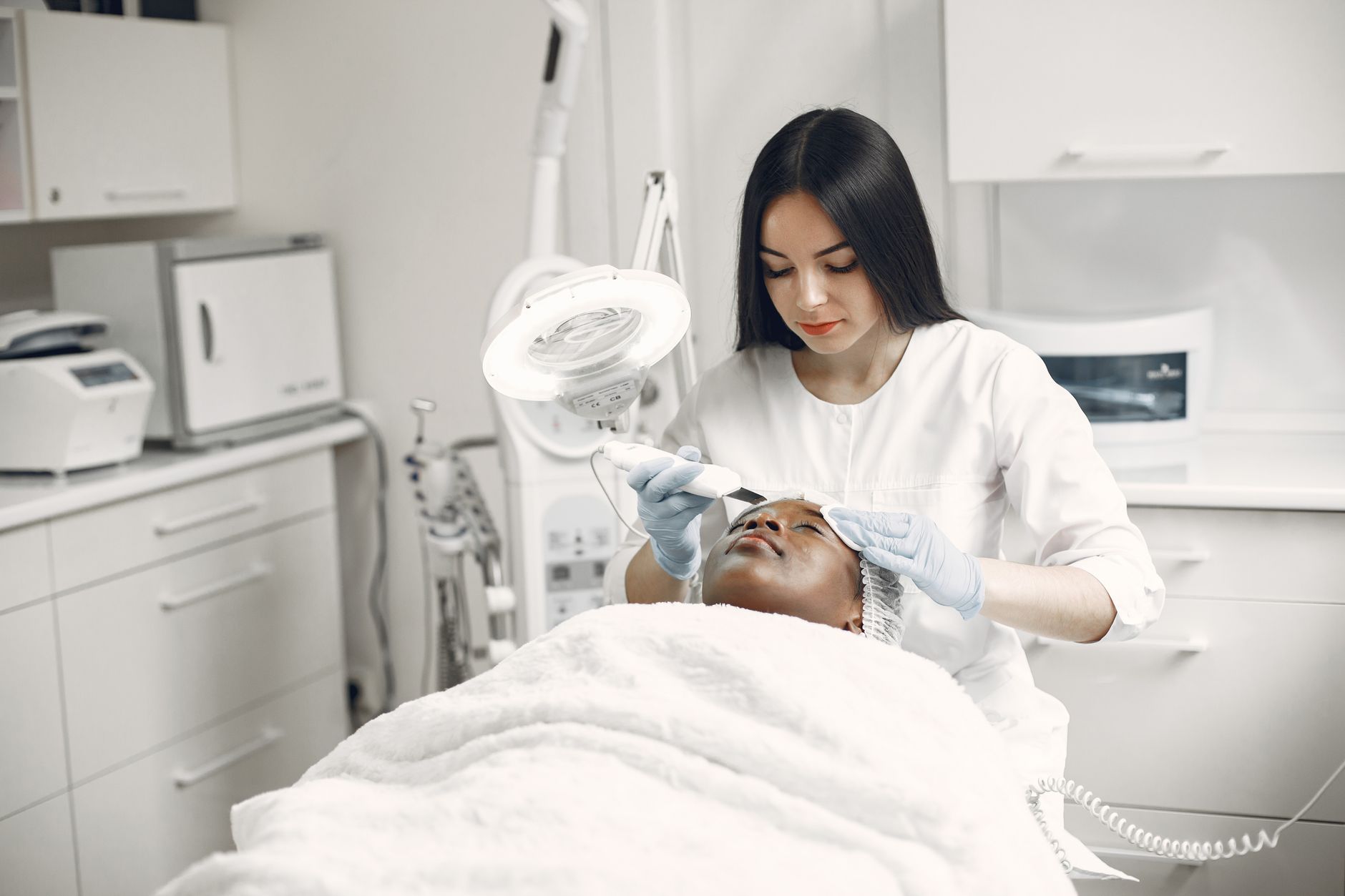
IPL (Intense Pulsed Light) therapy works by targeting specific skin concerns through controlled light energy. The treatment delivers broad-spectrum light that penetrates the skin to target pigment in dark spots and blood vessels in redness. This targeted approach explains why side effects occur—your skin undergoes a healing process as damaged cells are eliminated and replaced with healthier tissue.
“Most IPL side effects are temporary and signal that the treatment is working effectively.”
Understanding this process helps ease concerns about permanent scarring. The redness, swelling, and temporary darkening you might experience are normal responses as your skin repairs itself. These effects typically resolve within days to weeks, depending on your skin type and the intensity of treatment.
Proper preparation significantly reduces your risk of complications. Your dermatologist will assess your skin tone, medical history, and current medications to customize the treatment safely. Following pre-treatment guidelines—like avoiding sun exposure and certain skincare ingredients—creates optimal conditions for healing.
The severity and duration of side effects vary between individuals. Factors like skin sensitivity, treatment area, and your body's natural healing response all influence your experience. Most patients find that benefits outweigh temporary discomfort, especially when treatments are performed by qualified professionals who prioritize safety protocols.
Common IPL Side Effects and How Long They Last
Most people experience mild side effects after IPL treatment, but understanding what's normal helps distinguish between expected healing and concerning reactions. These temporary effects are signs that the light energy is working to target pigment and stimulate skin renewal.
Redness and swelling appear immediately after treatment and resemble a mild sunburn. Your skin may feel warm and look flushed for 24 to 48 hours. This reaction occurs because IPL heats the targeted areas, causing temporary inflammation as your skin begins the healing process. Most patients can return to work the next day with minimal makeup to cover any residual redness.
Age spots and freckles often darken dramatically before they improve. This darkening happens within hours of treatment and can make spots appear more prominent for 7 to 10 days. The pigmented areas eventually flake off naturally, revealing clearer skin underneath. Many patients worry this darkening indicates damage, but it's actually proof the treatment is working effectively.
A mild burning sensation during and immediately after treatment is normal. This feeling typically subsides within an hour but may persist for several hours in sensitive areas. The sensation is similar to a rubber band snapping against your skin repeatedly.
"The darkening of spots before they fade is actually proof your IPL treatment is working correctly."
Temporary skin sensitivity makes your treated areas more reactive to sun exposure, skincare products, and temperature changes for up to two weeks. Your skin barrier is temporarily compromised while it rebuilds, making gentle care essential during this period.
While these effects can cause temporary social discomfort, they don't lead to permanent scarring when you follow proper aftercare instructions. The key is distinguishing between normal healing responses and signs that require medical attention, such as blistering or severe pain that worsens rather than improves.
Serious IPL Risks and Warning Signs

While most IPL side effects are temporary, serious complications can occur when treatments go wrong. Understanding these risks helps you recognize warning signs and seek immediate medical attention when needed.
Hyperpigmentation poses the greatest risk for people with darker skin tones. IPL targets melanin in hair follicles, but it can also affect melanin in surrounding skin. When technicians use incorrect settings for deeper skin tones, the intense light can trigger excess melanin production, creating permanent dark patches that are often worse than the original skin concern. This type of pigmentation damage can take months to fade and sometimes requires additional laser treatments to correct.
Burns represent another serious risk when IPL settings exceed safe levels for your skin type. Second-degree burns can occur immediately during treatment, causing blistering, severe pain, and potential scarring. These burns often happen when inexperienced technicians misjudge energy levels or fail to test settings on a small skin area first.
Improper aftercare can transform minor side effects into permanent scarring. Picking at scabs, exposing treated skin to sun without protection, or using harsh products during healing creates wounds that heal as raised or depressed scars. A patient who scratched peeling skin after IPL treatment developed noticeable scarring that required surgical revision.
Eye injuries present the most dangerous risk during IPL treatments. The intense light can cause retinal damage or corneal burns if proper eye protection fails. Always verify that you and your technician wear appropriate safety glasses designed specifically for IPL wavelengths throughout the entire procedure.
Who Should Avoid IPL Treatment
IPL treatment isn't suitable for everyone, and understanding who should avoid it helps prevent complications and disappointing results. Certain skin types, medical conditions, and lifestyle factors significantly increase your risk of burns, scarring, and pigmentation changes.
People with darker skin tones (Fitzpatrick skin types IV-VI) face the highest risk during IPL treatments. The technology targets melanin, which exists in higher concentrations in darker skin, leading to potential burns and permanent discoloration. Many dermatologists recommend alternative treatments like Chemical Peels for patients with darker complexions, as these acid treatments remove damaged skin layers without targeting melanin specifically.
Pregnant and breastfeeding women should postpone IPL treatments due to hormonal fluctuations that increase sensitivity and unpredictable healing responses. Active skin infections, including bacterial, viral, or fungal conditions, create open pathways for complications and poor treatment outcomes.
Recent sun exposure or artificial tanning makes your skin extremely vulnerable to IPL damage. You must avoid tanning for at least four weeks before treatment and maintain this restriction throughout your treatment series. Even self-tanning products can interfere with IPL effectiveness and safety.
Patients taking photosensitizing medications, including certain antibiotics, blood pressure medications, and acne treatments, should discuss alternatives with their dermatologist before considering IPL.
How to Minimize IPL Side Effects
Taking the right precautions can dramatically reduce your risk of complications and help you achieve the clear skin results you want without permanent scarring or other serious side effects.
Choose a board-certified dermatologist or licensed medical professional with specific IPL training and experience.
Avoid sun exposure for 4-6 weeks before treatment and stop using retinoids or other photosensitizing medications as directed.
Keep treated areas clean, moisturized, and protected according to your provider's specific post-treatment protocol.
Use broad-spectrum SPF 30+ daily for at least 6 weeks after treatment, even on cloudy days.
Your provider should conduct a thorough consultation and patch test before your first full treatment. This helps identify any unusual reactions and allows them to adjust settings for your specific skin type. Never skip this step, even if you're eager to start treatment quickly.
During the healing period, avoid hot showers, saunas, and intense exercise for 24-48 hours. These activities can worsen inflammation and increase your risk of complications. If you develop blistering, severe swelling, or signs of infection like pus or red streaking, contact your provider immediately.
For example, Sarah followed all pre-treatment guidelines and used SPF 50 religiously after her IPL sessions. Her acne cleared significantly with no scarring, while her friend who skipped sun protection developed dark spots that took months to fade. The difference in outcomes often comes down to how carefully you follow these protective measures.
When to Contact Your Provider After IPL

Most IPL side effects resolve naturally within days, but some warning signs demand immediate professional attention. Understanding when normal healing crosses into concerning territory protects you from permanent complications that could leave lasting marks on your skin.
Contact your provider immediately if you notice signs of infection developing at treatment sites. Watch for increasing redness that spreads beyond the original area, warmth that feels hot to touch, pus or yellow discharge, and red streaking extending from treated spots. These symptoms typically appear 2-4 days post-treatment and worsen rapidly without intervention.
Swelling and pain should decrease steadily after the first 48 hours. Call your provider if discomfort intensifies or persists beyond one week, as prolonged inflammation can signal tissue damage requiring medical management.
Unexpected pigmentation changes merit urgent evaluation. While temporary darkening is normal, new white spots, permanent dark patches appearing weeks later, or dramatic color changes in previously untreated areas indicate potential complications.
Blistering or severe burns require immediate care. Small blisters might appear within hours of aggressive treatment, but large fluid-filled areas, open wounds, or skin that appears charred needs emergency intervention to prevent scarring and infection.
Trust your instincts—when something feels wrong with your healing process, professional guidance ensures optimal recovery and peace of mind.
Managing IPL Side Effects at Home
Most IPL side effects respond well to simple home care measures. Proper aftercare helps minimize discomfort and reduces the risk of complications that might leave lasting marks on your skin.
Use a clean, damp cloth with cool water for 10-15 minutes to reduce swelling and heat sensation.
Use fragrance-free, alcohol-free cleansers and avoid exfoliating scrubs for at least one week.
Apply a thick, bland moisturizer like petroleum jelly or ceramide cream twice daily to support healing.
Wear SPF 30 or higher sunscreen daily and avoid direct sun exposure for two weeks.
Avoid retinoids, alpha hydroxy acids, and vitamin C serums until your skin returns to normal. These products can irritate treated skin and potentially cause scarring. If you normally use prescription acne medications, ask your provider when it's safe to resume them.
Simple home care with gentle products and sun protection helps your skin heal properly after IPL treatment.
Frequently Asked Questions
How long do IPL side effects last?
Most IPL side effects are temporary and resolve within days to weeks. Redness and swelling typically last 24 to 48 hours, while darkened spots may take 7 to 10 days to flake off naturally. Skin sensitivity can persist for up to two weeks after treatment.
Why do age spots get darker after IPL treatment?
Age spots and freckles often darken dramatically within hours of IPL treatment, which is actually proof that the treatment is working effectively. This darkening occurs as the light energy targets the pigment in these spots. The pigmented areas eventually flake off naturally after 7 to 10 days, revealing clearer skin underneath.
Is redness normal after IPL treatment?
Yes, redness and swelling are completely normal after IPL treatment and occur in about 85% of patients. Your skin may look flushed and feel warm for 24 to 48 hours, resembling a mild sunburn. This reaction happens because IPL heats the targeted areas, causing temporary inflammation as your skin begins the healing process.
Does IPL treatment cause permanent scarring?
IPL treatment does not cause permanent scarring when performed properly and aftercare instructions are followed. The redness, swelling, and temporary darkening are normal healing responses as damaged cells are eliminated and replaced with healthier tissue. These effects are temporary and signal that the treatment is working effectively.
What does IPL treatment feel like during the procedure?
IPL treatment typically causes a mild burning sensation that feels similar to a rubber band snapping against your skin repeatedly. This sensation occurs during and immediately after treatment but usually subsides within an hour. In sensitive areas, the feeling may persist for several hours but is generally well-tolerated.
Disclaimer: This content is for informational purposes only and does not constitute medical advice. Always consult a qualified healthcare provider before making health decisions.