How IPL Targets Sun Damage

Intense Pulsed Light works by targeting the specific pigments that create dark spots on your skin. When UV rays damage your skin over time, certain areas produce excess melanin, forming the brown patches we call age spots or sun spots.
"IPL delivers controlled light energy that specifically seeks out and breaks down the excess pigmentation responsible for sun damage."
During treatment, the IPL device emits broad-spectrum light that penetrates your skin and is absorbed by the concentrated melanin in damaged areas. This absorption generates heat, which breaks down the excess pigmentation without harming surrounding healthy tissue. The treatment won't leave permanent marks when performed properly by a qualified professional.
Your body's natural healing process then takes over, gradually eliminating the fragmented pigment cells through your lymphatic system. This process typically takes several weeks, during which you'll notice your sun damage gradually fading as fresh, even-toned skin emerges.
What Sun Damage IPL Can Treat

IPL effectively targets several types of sun damage that develop over years of UV exposure. Age spots, also called solar lentigines, respond particularly well because they contain concentrated melanin that absorbs the light energy. These flat, brown patches typically appear on hands, face, and chest areas.
“IPL treats the accumulated damage from years of sun exposure, not just surface-level discoloration.”
Beyond individual spots, IPL addresses uneven pigmentation across larger skin areas. This includes patchy discoloration, rough texture, and the mottled appearance common with photoaging. The treatment won't cause permanent scarring when performed properly, making it safe for facial areas where cosmetic concerns are highest.
Early signs of photoaging like fine lines and enlarged pores also improve as IPL stimulates collagen production while targeting pigment irregularities simultaneously.
The IPL Treatment Process for Sun Damage
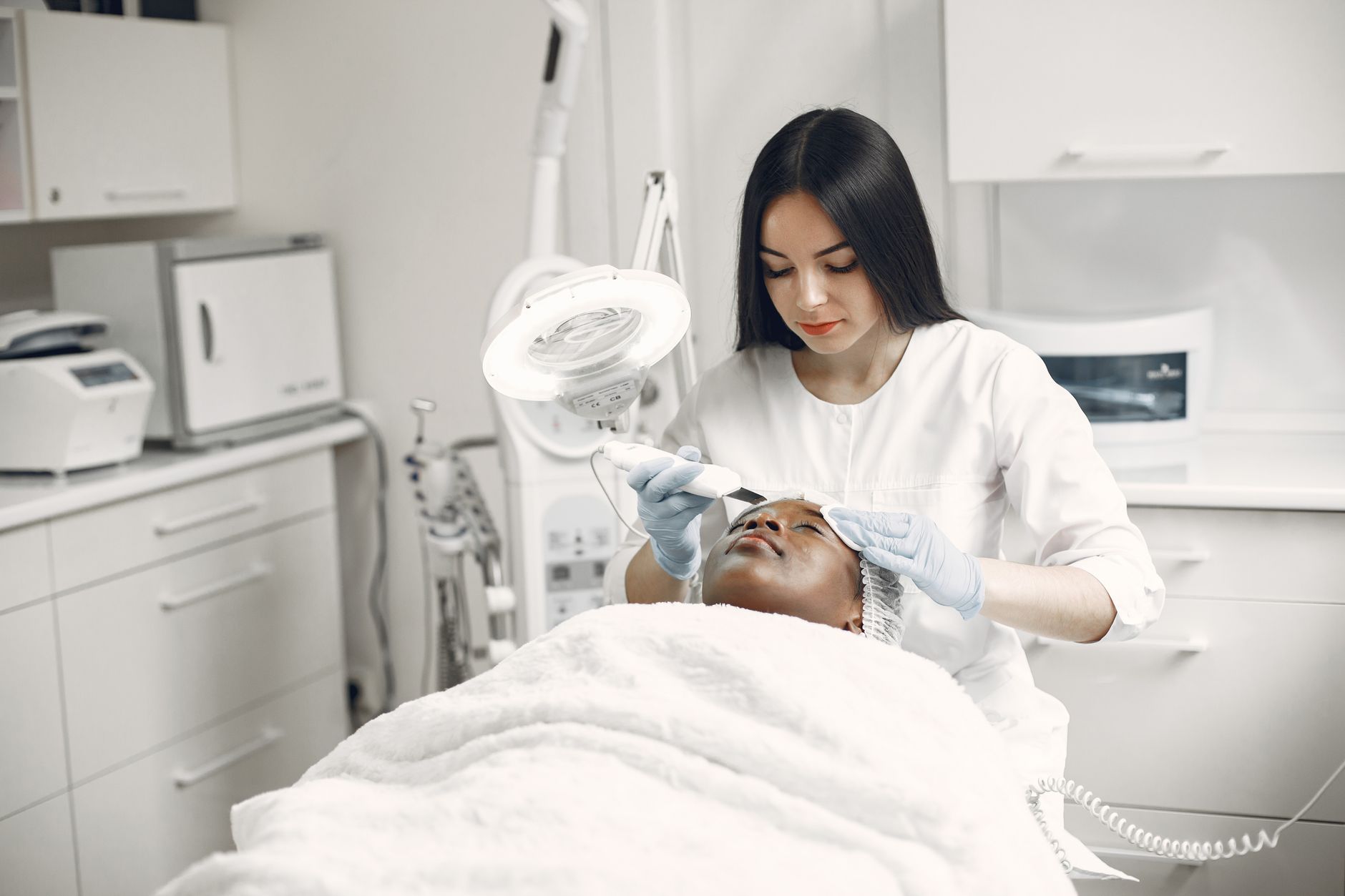
Your IPL journey begins with a comprehensive consultation where your dermatologist examines your skin type, sun damage severity, and medical history. They'll photograph the treatment areas and create a customized plan targeting your specific concerns while ensuring your skin won't develop permanent scarring through careful assessment of your skin's response potential.
Your provider evaluates skin type, damage severity, and creates a personalized treatment plan.
Protective eyewear is applied before the IPL device delivers controlled light pulses to target areas.
Cooling gel soothes skin immediately after treatment with specific aftercare instructions provided.
Most patients need three to five sessions spaced four weeks apart for optimal results. Each session lasts 20-30 minutes, and you'll notice gradual fading of age spots over the following weeks as your skin naturally sheds damaged pigmented cells.
Results and Timeline
Your treated spots will actually look darker immediately after IPL treatment. This initial darkening happens because the melanin absorbs light energy and concentrates, creating what looks like coffee grounds under your skin. Don't panic—this darkening means the treatment is working properly and won't cause permanent scarring.
The darkened spots begin peeling and flaking off within 7-10 days, revealing lighter skin underneath. Complete fading takes 1-2 weeks per session. For example, a patient with moderate sun spots typically sees 30% improvement after their first treatment, with full results appearing after completing their 3-5 session series over three months.
IPL vs Other Sun Damage Treatments

IPL offers distinct advantages over topical treatments like hydroquinone or retinoids, which can take months to show results and may cause irritation. IPL works faster and targets pigment directly in the deeper skin layers.
Compared to Chemical Peels, IPL penetrates without removing skin layers, reducing downtime and scarring risk. Chemical peels require recovery time and can cause temporary darkening in some skin types. IPL suits patients wanting minimal disruption to daily activities.
IPL works best for isolated sun spots on lighter skin tones. Choose IPL when you need precise targeting without the peeling and redness that chemical treatments cause.
Protecting Your Results
Your IPL results depend entirely on proper sun protection moving forward. Without daily broad-spectrum SPF 30+ sunscreen, new sun damage will quickly replace what you've treated, essentially wasting your investment and time.
Avoid peak sun hours between 10 AM and 4 PM when UV rays are strongest. Seek shade, wear wide-brimmed hats, and reapply sunscreen every two hours outdoors.
Long-term skin maintenance requires consistent habits, not perfection. Regular dermatologist check-ups help catch new damage early, preventing the permanent scarring that concerns many patients seeking clear, healthy skin.
Daily sunscreen application is non-negotiable for maintaining your IPL investment and preventing future sun damage.
Frequently Asked Questions
How does IPL work for sun damage?
IPL delivers controlled light energy that specifically seeks out and breaks down the excess pigmentation responsible for sun damage. The broad-spectrum light penetrates your skin and is absorbed by concentrated melanin in damaged areas, generating heat that breaks down excess pigmentation without harming surrounding healthy tissue. Your body's natural healing process then eliminates the fragmented pigment cells through your lymphatic system over several weeks.
What types of sun damage can IPL treat?
IPL effectively treats age spots (solar lentigines), uneven pigmentation across larger skin areas, patchy discoloration, and rough texture from photoaging. It also addresses the mottled appearance common with photoaging and can improve early signs like fine lines and enlarged pores. The treatment is particularly effective on flat, brown patches that typically appear on hands, face, and chest areas.
How many IPL sessions do I need for sun damage?
Most patients need three to five IPL sessions spaced four weeks apart for optimal results. Each session lasts 20-30 minutes, and you'll notice gradual fading of age spots over the following weeks as your skin naturally sheds damaged pigmented cells.
What happens to my skin immediately after IPL treatment?
Your treated spots will actually look darker immediately after IPL treatment because the melanin absorbs light energy and concentrates, creating what looks like coffee grounds under your skin. This initial darkening means the treatment is working properly and is not permanent scarring. The darkening will fade as your body naturally eliminates the damaged pigment cells.
What does the IPL treatment process involve?
Your IPL journey begins with a comprehensive consultation where your dermatologist examines your skin type, sun damage severity, and medical history to create a customized treatment plan. During treatment, protective eyewear is applied before the IPL device delivers controlled light pulses to target areas. After treatment, cooling gel is applied to soothe skin and you'll receive specific aftercare instructions.
Disclaimer: This content is for informational purposes only and does not constitute medical advice. Always consult a qualified healthcare provider before making health decisions.