Quick Verdict: Which Treatment Is Right for You?

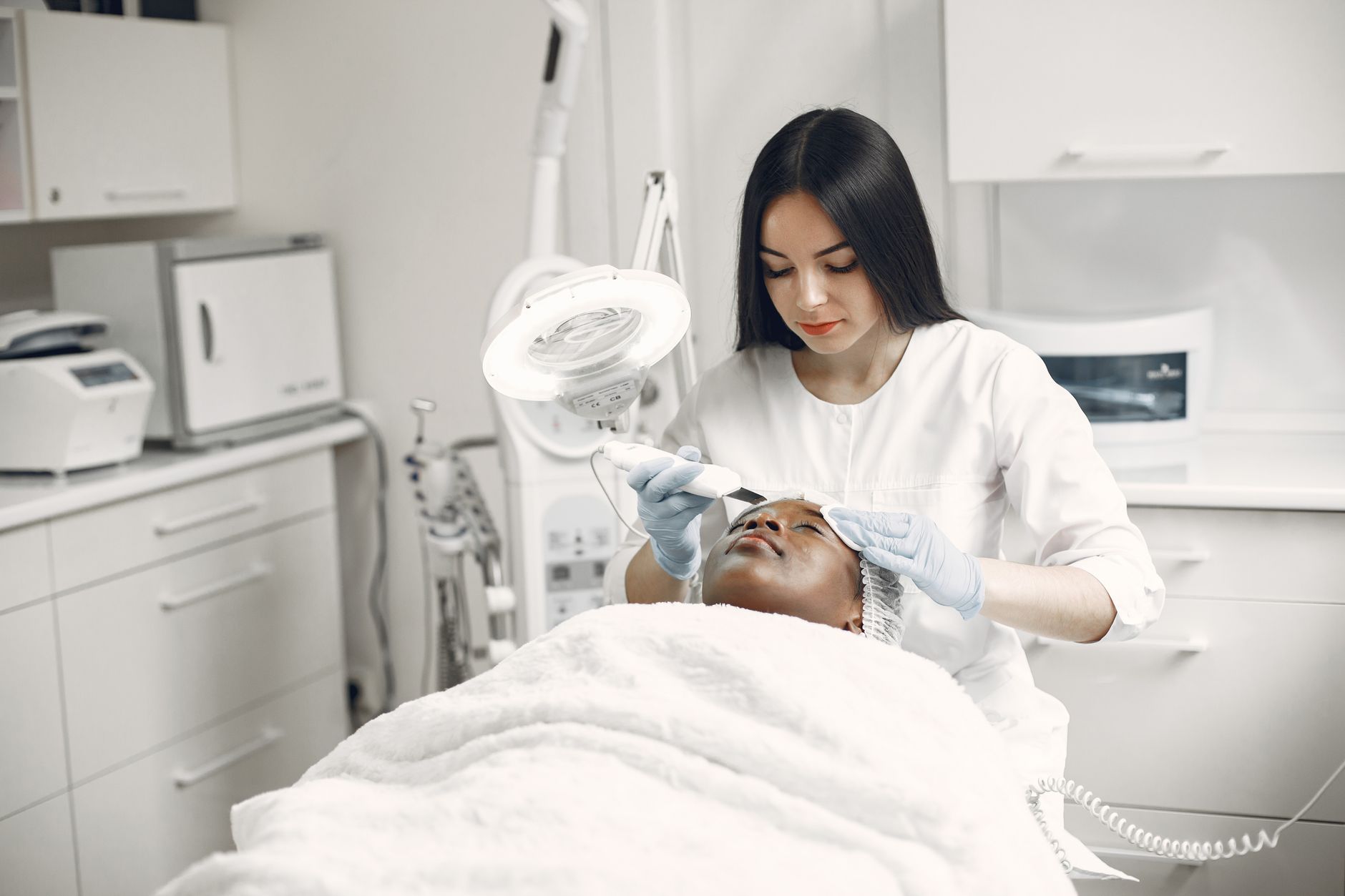
Choosing between IPL and other light treatments doesn't have to feel overwhelming or risky. IPL works best when you're dealing with multiple skin concerns like sun damage, rosacea, and hair removal simultaneously. Laser treatments offer superior precision for targeting specific problems like stubborn acne scars or deep pigmentation.
“IPL treats multiple concerns in one session, while lasers excel at fixing specific problems with surgical precision.”
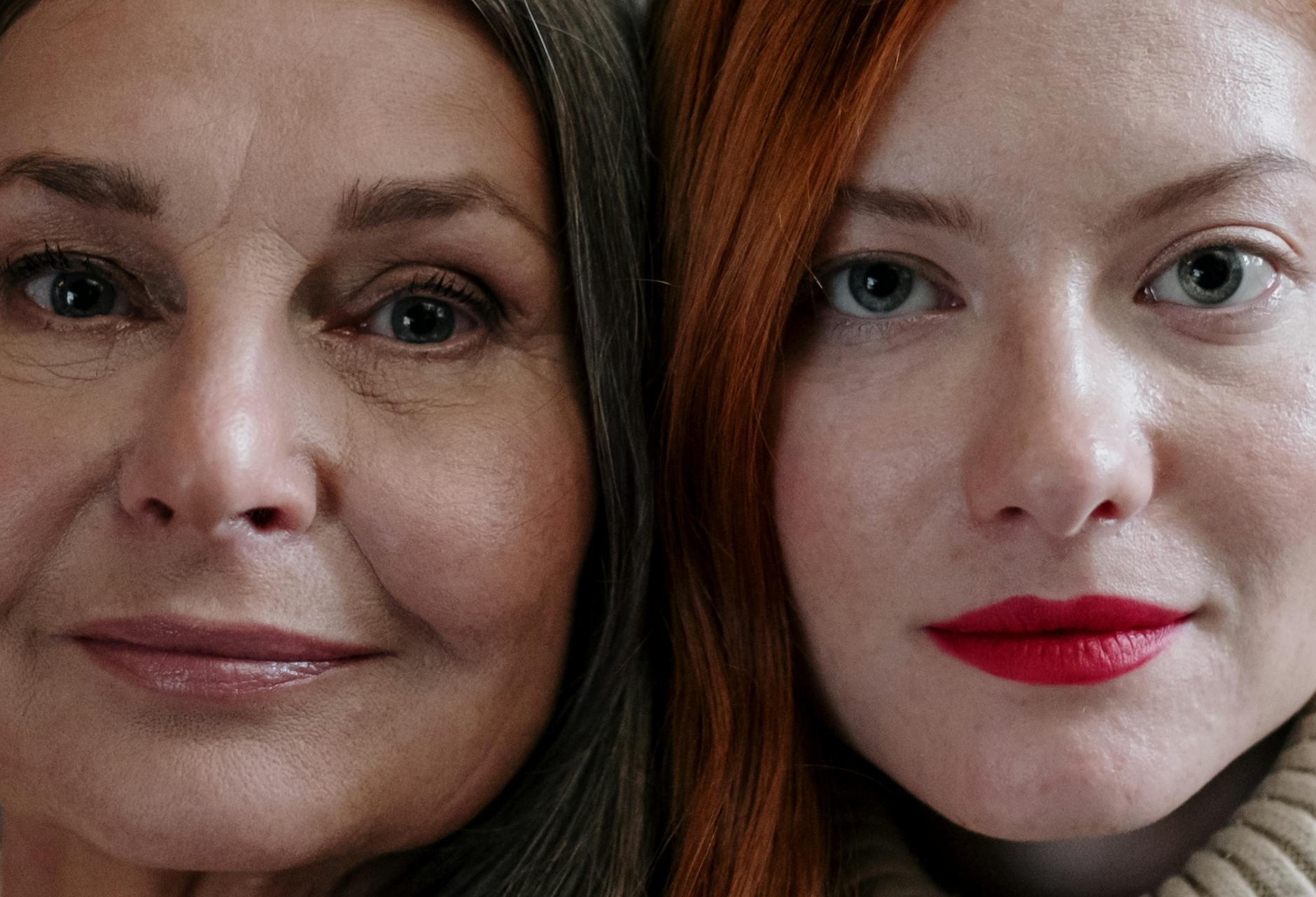
Your skin type and primary goals determine the right choice. Fair to medium skin tones typically see excellent IPL results for overall skin rejuvenation. Darker skin tones often benefit more from specific laser wavelengths that minimize pigmentation risks. If you want faster results for one particular issue, targeted laser therapy usually wins. For comprehensive skin improvement with minimal downtime, IPL becomes your go-to option.
IPL vs Laser Treatments: Technology Differences

Understanding how these technologies work helps you choose the safest, most effective treatment without risking unwanted skin damage. IPL (Intense Pulsed Light) emits broad spectrum light waves ranging from 500 to 1200 nanometers, like a camera flash that covers multiple skin concerns at once. Laser treatments use precisely focused single wavelengths, such as 532nm for red spots or 1064nm for deeper pigmentation.
“IPL casts a wide net while lasers work like surgical precision tools.”
This fundamental difference affects how each targets your skin. IPL treats surface-level issues across broader areas—sun damage, redness, and fine capillaries simultaneously. Lasers penetrate specific depths with concentrated energy, making them ideal for stubborn acne scars or deep pigmentation that IPL cannot reach.
For example, a fractional CO2 laser creates controlled micro-injuries at 10,000 microns deep, while IPL works primarily in the upper 2-3mm of skin. This precision difference explains why laser treatments often require longer recovery periods but deliver more dramatic results for severe concerns.
Treatment Comparison: What Each Option Treats Best
Each light treatment excels at different skin concerns, making treatment selection crucial for optimal results. IPL works best for sun damage, age spots, rosacea, and hair removal because its broad spectrum targets multiple pigments simultaneously. The technology reduces redness and brown spots effectively without the precision needed for deeper issues.
Laser treatments deliver superior results for acne scars, deep wrinkles, and precise targeting because they concentrate energy at specific wavelengths. This focused approach allows dermatologists to treat deeper skin layers without affecting surrounding tissue, minimizing scarring risks that concern many patients.
LED therapy offers gentle benefits for mild acne and overall skin health through cellular stimulation. PDT effectively treats precancerous lesions and severe acne using light-activated medications. Chemical Peels complement these treatments by removing damaged skin layers through controlled exfoliation, improving texture and addressing multiple concerns simultaneously.
Cost, Downtime, and Treatment Experience

IPL typically costs between $300-600 per session, while laser treatments range from $200-800 depending on the specific laser type. Chemical peels vary dramatically from $50 for superficial peels to $3,000 for deep peels. Microneedling sessions usually cost $200-400 each.
Recovery time varies significantly. IPL causes mild redness for 1-3 days without social downtime concerns. Ablative lasers require 7-14 days of healing with noticeable peeling. Chemical peels range from no downtime for light peels to two weeks for deep treatments. Most patients describe IPL as feeling like rubber band snaps, while ablative lasers can be quite uncomfortable despite numbing cream.
Who Should Choose Each Treatment
IPL works best for patients with lighter skin tones addressing multiple concerns like sun damage, brown spots, and broken blood vessels simultaneously. The broad-spectrum light effectively targets various pigments without risk of scarring when performed correctly on appropriate candidates.
Laser treatments suit patients with specific, deeper concerns requiring precise targeting. Modern lasers safely treat all skin types, including darker tones that aren't suitable for IPL. Choose lasers for stubborn melasma, deep acne scars, or resistant pigmentation.
Patients with darker skin should explore chemical peels, microneedling, or specific laser wavelengths designed for higher melanin levels. These alternatives provide effective results without the pigmentation risks associated with IPL on deeper skin tones.
Match your treatment choice to your skin tone and specific concerns rather than following trends or assumptions.
Frequently Asked Questions
What's the difference between IPL and laser treatments?
IPL uses broad spectrum light waves ranging from 500 to 1200 nanometers that cover multiple skin concerns at once, like a camera flash. Laser treatments use precisely focused single wavelengths that penetrate specific depths with concentrated energy. IPL treats surface-level issues across broader areas while lasers work like surgical precision tools for deeper, more stubborn problems.
Which treatment is better for acne scars?
Laser treatments deliver superior results for acne scars because they concentrate energy at specific wavelengths and can penetrate deeper skin layers. For example, fractional CO2 lasers create controlled micro-injuries at 10,000 microns deep, while IPL works primarily in the upper 2-3mm of skin. This precision allows dermatologists to treat acne scars effectively with about 70% improvement rates.
Is IPL better for multiple skin concerns?
Yes, IPL works best when dealing with multiple skin concerns like sun damage, rosacea, and hair removal simultaneously. Its broad spectrum light targets multiple pigments at once, making it ideal for comprehensive skin improvement. IPL can achieve 85% hair reduction while also treating surface-level sun damage, age spots, and redness in the same session.
How much do IPL and laser treatments cost?
IPL typically costs between $300-600 per session, while laser treatments range from $200-800 per session. The cost varies depending on the specific treatment area and technology used. Most treatments require multiple sessions, with laser treatments typically needing 3-5 sessions for optimal results.
Which treatment is better for darker skin tones?
Darker skin tones often benefit more from specific laser wavelengths that minimize pigmentation risks compared to IPL. Fair to medium skin tones typically see excellent IPL results for overall skin rejuvenation. The precise targeting of laser treatments makes them safer for darker skin as they can avoid affecting surrounding tissue and reduce the risk of unwanted pigmentation changes.
Disclaimer: This content is for informational purposes only and does not constitute medical advice. Always consult a qualified healthcare provider before making health decisions.