What Is IPL Treatment?

IPL stands for Intense Pulsed Light, a non-invasive skin treatment that uses broad-spectrum light to target various skin concerns. Unlike laser treatments that emit a single wavelength of light, IPL devices produce multiple wavelengths simultaneously, creating a range of light frequencies that can address different skin issues in one session.
"IPL works by delivering controlled light energy that targets specific skin concerns without damaging surrounding healthy tissue."
The technology works through a process called selective photothermolysis. When IPL light penetrates your skin, different wavelengths target specific chromophores—naturally occurring compounds that absorb light. For example, melanin in age spots absorbs certain wavelengths, while hemoglobin in broken capillaries responds to others. This targeted approach heats and destroys unwanted pigment or blood vessels while leaving healthy skin intact.
IPL differs significantly from laser treatments in its approach. While lasers use focused, single-wavelength beams for precise targeting, IPL covers larger treatment areas with its broad spectrum approach. This makes IPL sessions faster and more comfortable, though you may need multiple treatments to achieve optimal results.
During treatment, you'll see bright flashes of light accompanied by a snapping sensation, similar to a rubber band against your skin. Most patients find IPL treatments tolerable and report minimal discomfort. The procedure typically takes 20-30 minutes depending on the treatment area size, making it an efficient option for busy schedules while maintaining the gentle approach many patients prefer for facial treatments.
How IPL Works on Your Skin

IPL technology targets specific pigments in your skin using intense bursts of broad-spectrum light. When the light penetrates your skin, it seeks out darker pigments like melanin in age spots, broken capillaries, and hair follicles. These pigments absorb the light energy and convert it into heat.
“The targeted heat destroys unwanted pigments while leaving surrounding healthy tissue completely unharmed.”
This controlled heat generation triggers your skin's natural healing response. Damaged cells containing excess pigment break down and rise to the surface, where they eventually flake away. Think of it like your skin naturally shedding old, damaged layers to reveal fresher skin underneath.
The heat also stimulates fibroblasts deep in your dermis to produce new collagen. This protein gives your skin structure and elasticity. As new collagen forms over the following weeks, you'll notice improvements in skin texture and firmness.
Your skin improvement follows a predictable timeline. Immediately after treatment, targeted areas may appear slightly darker as damaged pigments rise to the surface. Within 7-14 days, these areas begin flaking off naturally. The real transformation happens over 4-6 weeks as new collagen develops and your skin tone evens out.
This gentle process minimizes the risk of permanent scarring that concerns many patients, making IPL a safer alternative to more aggressive treatments.
Skin Conditions IPL Can Treat
IPL treatment targets several common skin concerns that often cause embarrassment and affect confidence. Understanding which conditions respond well to light therapy helps you make informed decisions about your skin care journey.
Sun damage and age spots rank among the most successfully treated conditions with IPL. The intense light specifically targets the melanin in dark spots, breaking up pigmentation accumulated from years of sun exposure. Brown spots on your hands, face, and chest typically show dramatic improvement within 2-3 sessions.
Rosacea and persistent facial redness respond excellently to IPL therapy. The light energy targets dilated blood vessels causing the red appearance, gradually reducing inflammation and creating more even skin tone. Many patients notice calmer, less reactive skin after their first treatment.
Spider veins and broken capillaries, particularly around the nose and cheeks, shrink when exposed to IPL light. The treatment causes these tiny vessels to collapse and fade over several weeks.
Acne scarring and texture problems improve through IPL's ability to stimulate collagen production. While deeper scars may require additional treatments, surface-level scarring and uneven texture show noticeable smoothing effects, reducing the permanent scarring concerns many patients face.
IPL vs Other Skin Treatments
Understanding your treatment options helps you make informed decisions about your skin care journey. IPL differs significantly from other popular treatments in how it works and what it achieves.
IPL uses broad-spectrum light to target multiple skin concerns simultaneously, while laser treatments use focused, single-wavelength light for specific issues. Lasers often provide more dramatic results but require longer recovery times and carry higher risks of side effects that concern many patients.
Chemical Peels remove damaged skin layers through controlled chemical exfoliation, improving texture and reducing pigmentation. They work well for acne scars and fine lines but require significant downtime and sun avoidance for 7-14 days.
Choose IPL when you want to address multiple concerns with minimal downtime. It's gentler than aggressive peels or lasers, making it ideal for sensitive skin or busy lifestyles. However, IPL requires more sessions than other treatments and works best on lighter skin tones.
What to Expect During IPL Treatment

Your IPL journey begins with a thorough consultation where your dermatologist examines your skin and discusses your goals. They'll assess your skin type, test a small area, and create a customized treatment plan. You'll receive pre-treatment instructions like avoiding sun exposure for several weeks beforehand.
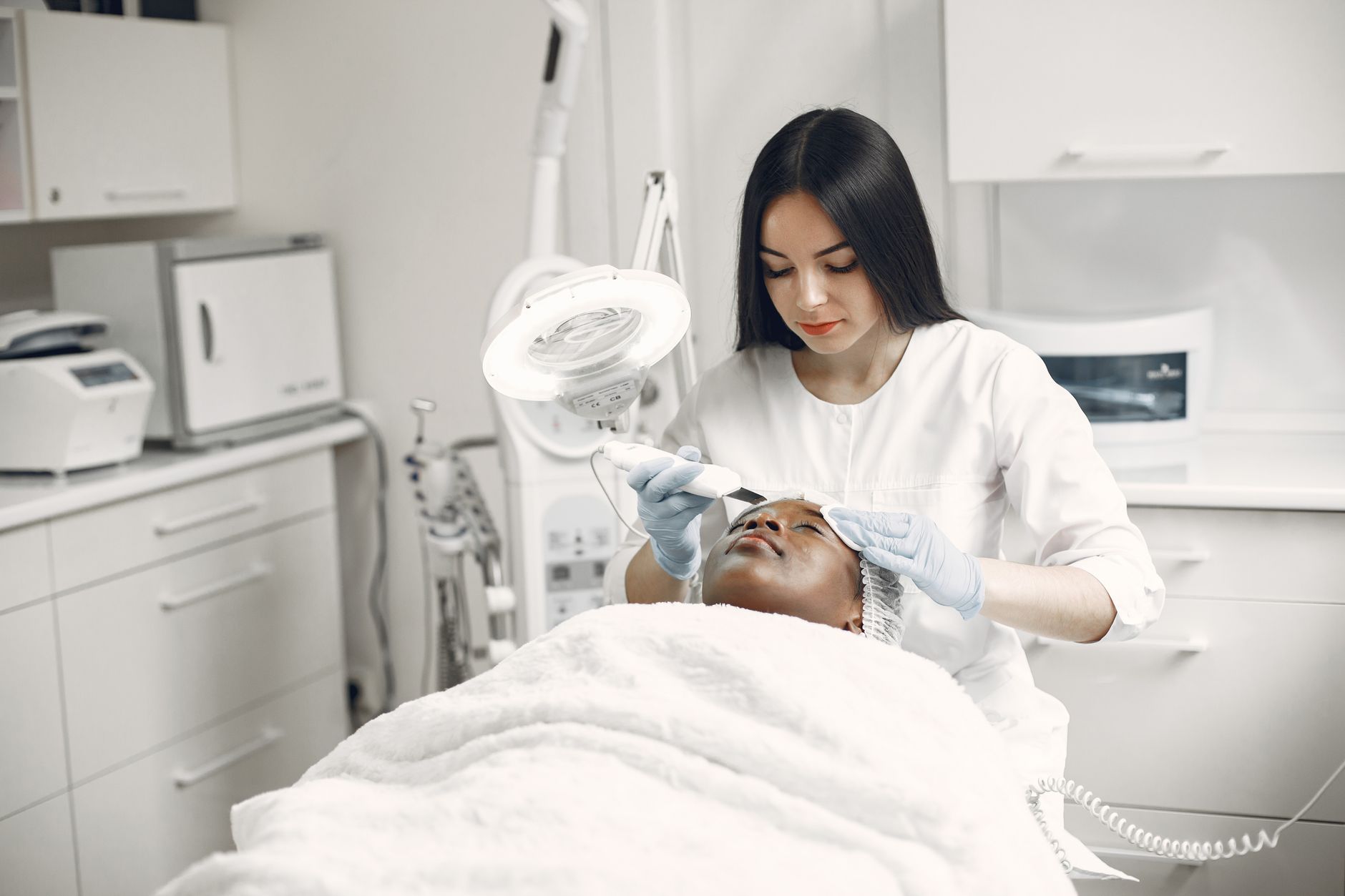
Your provider cleanses your skin and applies a cooling gel to protect the surface.
The IPL device delivers quick pulses of light that feel like rubber band snaps on your skin.
Your provider applies soothing cream and gives you aftercare instructions.
Each session typically lasts 15-30 minutes depending on the treatment area. Most people need 3-5 sessions spaced 3-4 weeks apart for optimal results. The discomfort is generally tolerable without numbing cream.
Immediately after treatment, expect mild redness similar to a sunburn that fades within hours. Some people notice temporary darkening of age spots before they flake off naturally. Professional IPL treatments, when performed correctly, carry minimal risk of permanent scarring when you follow aftercare instructions properly.
Is IPL Right for You?
IPL works best for people with fair to medium skin tones who want to address sun damage, age spots, broken capillaries, or mild rosacea. Light skin allows the IPL energy to target pigmented spots without interfering with your natural skin color.
You're an ideal candidate if you have realistic expectations and can commit to sun protection during treatment. IPL requires multiple sessions spaced three to four weeks apart, so patience is essential for seeing results.
However, IPL isn't suitable for everyone. People with darker skin tones face higher risks of discoloration or scarring because the light energy can target natural skin pigment. Pregnant women, those taking certain medications, or anyone with active skin infections should avoid treatment.
During your consultation, ask about expected results for your specific concerns, total treatment costs, and post-care requirements. A qualified practitioner will examine your skin type and discuss whether IPL or alternative treatments better suit your needs.
Don't rush into treatment. Get a thorough evaluation to ensure IPL aligns with your skin goals safely.
Schedule a professional consultation to determine if your skin type and concerns make you a good candidate for IPL treatment.
Frequently Asked Questions
What is IPL treatment and how does it work?
IPL stands for Intense Pulsed Light, a non-invasive skin treatment that uses broad-spectrum light to target various skin concerns. The technology works through selective photothermolysis, where different wavelengths target specific compounds in your skin like melanin in age spots or hemoglobin in broken capillaries. This targeted approach heats and destroys unwanted pigment or blood vessels while leaving healthy skin intact.
What does IPL treatment feel like and how long does it take?
During IPL treatment, you'll see bright flashes of light accompanied by a snapping sensation, similar to a rubber band against your skin. Most patients find IPL treatments tolerable and report minimal discomfort. The procedure typically takes 20-30 minutes depending on the treatment area size, making it an efficient option for busy schedules.
What skin conditions can IPL treat?
IPL effectively treats sun damage, age spots, broken capillaries, and various pigmentation issues. The intense light specifically targets melanin in dark spots, breaking up pigmentation accumulated from years of sun exposure. Brown spots on hands, face, and chest typically show dramatic improvement within 2-3 sessions.
How long does it take to see results from IPL treatment?
Results follow a predictable timeline where targeted areas may appear slightly darker immediately after treatment as damaged pigments rise to the surface. Within 7-14 days, these areas begin flaking off naturally. The real transformation happens over 4-6 weeks as new collagen develops and your skin tone evens out.
How is IPL different from laser treatments?
Unlike laser treatments that emit a single wavelength of light, IPL devices produce multiple wavelengths simultaneously, creating a range of light frequencies that can address different skin issues in one session. While lasers use focused, single-wavelength beams for precise targeting, IPL covers larger treatment areas with its broad spectrum approach. This makes IPL sessions faster and more comfortable, though you may need multiple treatments to achieve optimal results.
Disclaimer: This content is for informational purposes only and does not constitute medical advice. Always consult a qualified healthcare provider before making health decisions.