What Makes Facial Laser Hair Removal Different

Your face requires a completely different approach than laser hair removal on your legs or arms. The skin on your face is significantly thinner and more sensitive, making it vulnerable to burns and scarring if treated improperly. Unlike the thick skin on your body, facial skin contains delicate blood vessels and nerve endings that sit closer to the surface.
“Facial laser hair removal demands precision that only comes with specialized training and experience.”
Hair growth patterns on your face create unique challenges. Men's beard hair grows in multiple directions, while women often deal with fine vellus hair mixed with coarser terminal hairs around the jawline and upper lip. These varying textures require different laser settings and techniques within the same treatment area.
The proximity to your eyes, mouth, and nose demands exceptional precision. A laser technician must navigate around these sensitive areas while maintaining effective treatment depth. For example, treating hair near your eyebrows requires careful mapping to avoid accidentally affecting your natural brow line.
Risk considerations multiply on the face because any scarring or pigmentation changes become immediately visible. Unlike a small mark on your leg that clothing can hide, facial complications affect your daily confidence and professional interactions. This is why choosing an experienced practitioner with specific facial laser training becomes crucial for safe, effective results.
Treatment Areas and Considerations

Different areas of the face present unique challenges for laser hair removal. The upper lip ranks as the most popular treatment zone, where fine vellus hair often darkens due to hormonal changes. This delicate area requires precise settings to avoid discoloration while effectively targeting hair follicles.
Chin hair removal addresses coarser, deeper follicles that typically require more sessions than other facial areas. The skin here tends to be thicker, allowing for slightly higher energy levels during treatment. Many patients combine chin treatments with jawline work to create smooth, clean lines.
“Eyebrow shaping through laser hair removal offers permanent precision that tweezers simply cannot match.”
Eyebrow maintenance focuses on removing unwanted hair between brows and cleaning up stray hairs below the natural brow line. This approach creates lasting definition without the daily maintenance of plucking or threading.
Sideburn treatment varies significantly between patients. Some prefer complete removal for a softer appearance, while others opt for thinning to reduce bulk. The proximity to the hairline requires careful boundary mapping to prevent accidentally treating scalp hair.
Full face treatments offer comprehensive results but cost more than targeted approaches. Most dermatologists recommend starting with problem areas first, then expanding coverage based on results and comfort level. This strategy minimizes both financial investment and potential concerns about permanent changes to your appearance.
Safety and Skin Protection
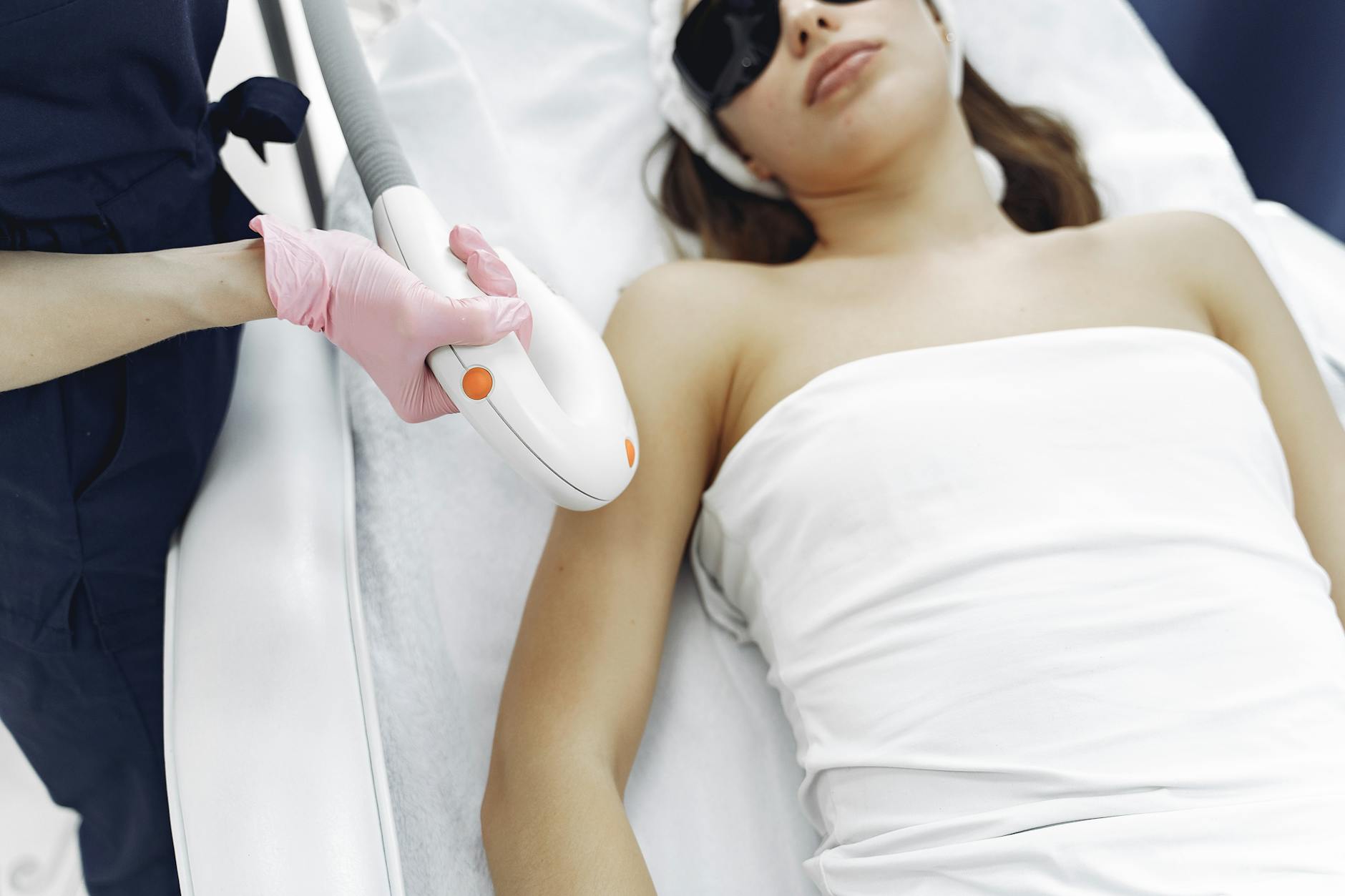
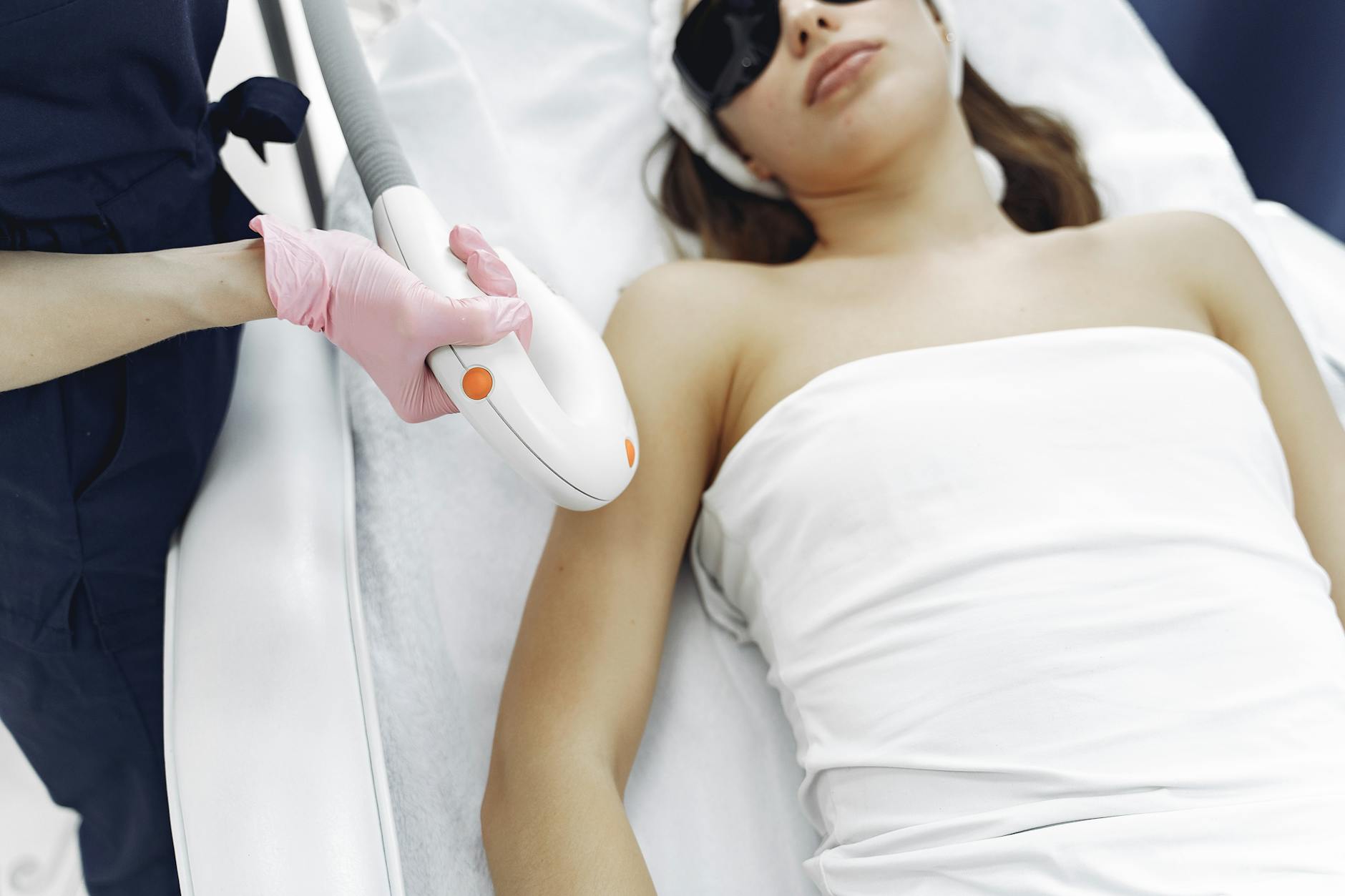
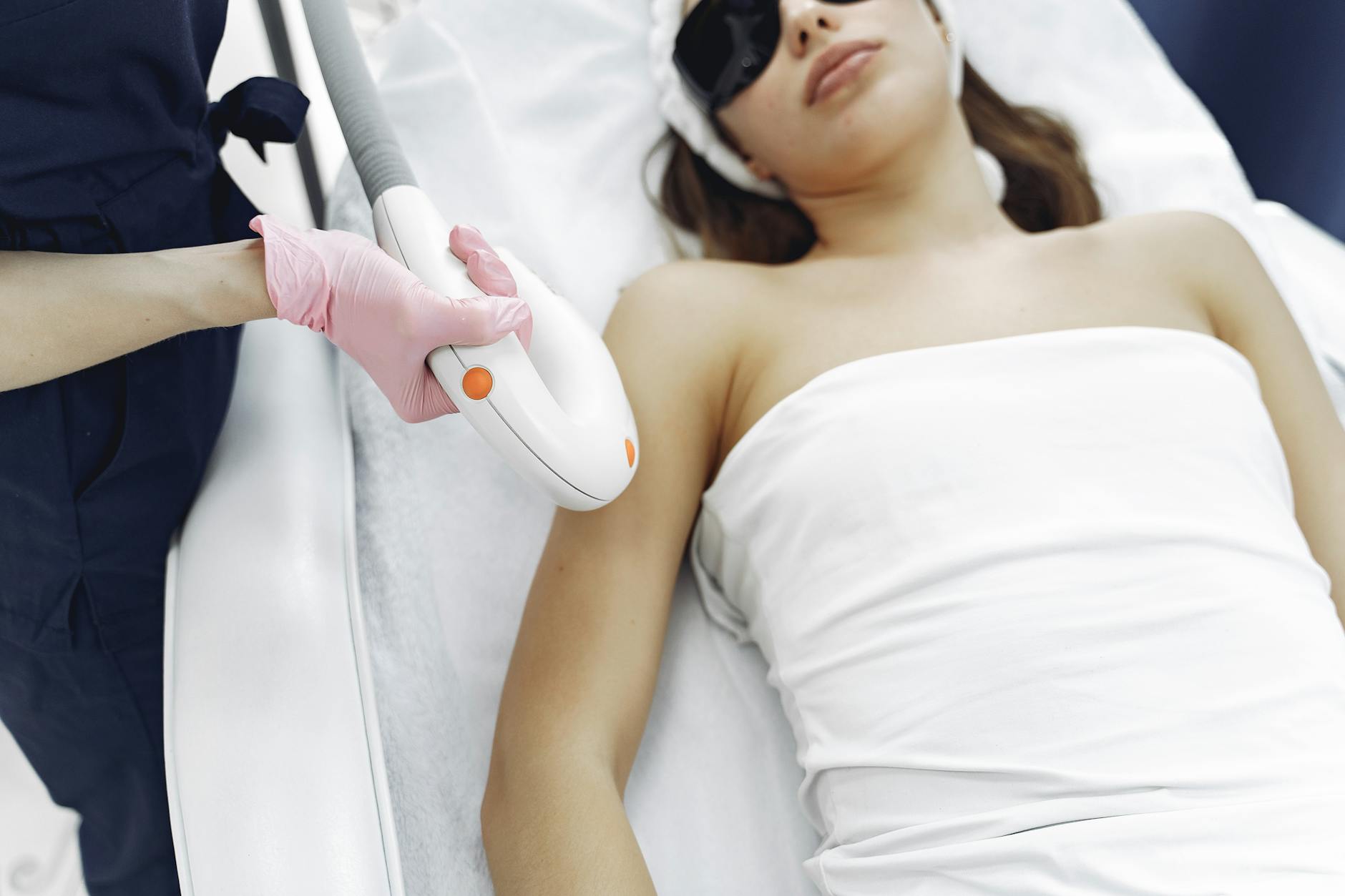
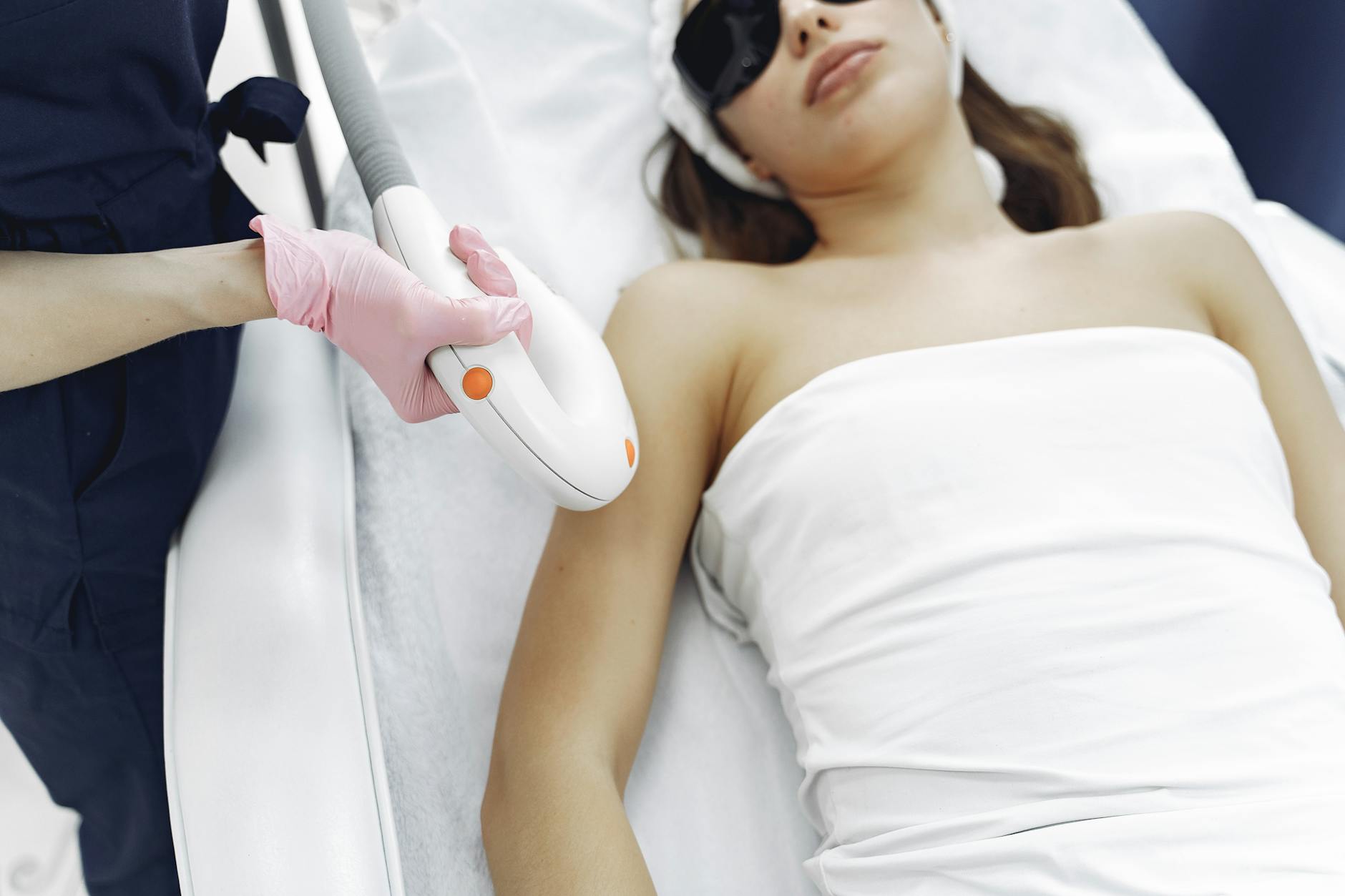
Face laser hair removal requires strict safety protocols to protect your delicate facial skin. Eye protection stands as the most critical safety measure during treatment. You'll wear specialized goggles that block laser wavelengths, preventing potential retinal damage. Never attempt treatment without proper eye protection, even for areas seemingly distant from your eyes.
Your skin type assessment determines treatment parameters and reduces risks. Practitioners evaluate your Fitzpatrick skin type, measuring melanin content and sensitivity levels. Darker skin tones require different laser settings to prevent pigmentation changes or burns. This assessment helps avoid complications that could lead to permanent discoloration or scarring.
Sensitive areas around your nose, lips, and jawline require gentle handling and modified techniques. Practitioners adjust pulse duration and cooling methods for these zones. Your face demands careful post-treatment care including broad-spectrum sunscreen, gentle cleansing, and avoiding harsh skincare products for 48 hours. This prevents inflammation and promotes proper healing without complications.
Results and Recovery Timeline
Face laser hair removal typically requires 6-8 treatment sessions spaced 4-6 weeks apart for optimal results. Your facial hair grows in cycles, and the laser can only target actively growing follicles during each session.
You'll notice initial hair reduction after your first treatment, with hair growing back thinner and slower. By the third session, many people see a 50-70% reduction in hair density. Complete results become apparent 2-3 months after your final session when all treated follicles have finished their growth cycles.
Temporary side effects include mild redness and swelling that typically resolve within 24-48 hours. Your face may feel like it has a mild sunburn immediately after treatment. Apply cool compresses and avoid makeup for the first day to prevent irritation.
Long-term maintenance involves annual touch-up sessions to address any new hair growth. Hormonal changes, medications, or aging can occasionally trigger dormant follicles to reactivate. Most patients find that one maintenance session per year keeps their face smooth and hair-free indefinitely.
Complementary Facial Treatments

Facial laser hair removal works best as part of a comprehensive skincare strategy. Coordinating multiple treatments requires careful timing to avoid irritation and maximize results without risking your skin's health.
Chemical Peels complement laser hair removal by improving overall skin texture and tone. These acid treatments remove damaged skin layers through controlled chemical exfoliation, addressing acne scars, fine lines, and uneven pigmentation. However, timing matters significantly. Schedule chemical peels at least two weeks before or after laser sessions to prevent excessive irritation or potential scarring.
Your dermatologist can create a treatment calendar that safely combines procedures. Gentle facials and moisturizing treatments fit well between laser sessions, while more aggressive treatments like deep chemical peels need strategic spacing. This approach prevents overwhelming your facial skin while addressing multiple concerns.
Professional guidance ensures treatments enhance rather than compete with each other. Your provider will assess your skin's response and adjust timing accordingly, creating a roadmap that achieves your clear skin goals without unnecessary complications or setbacks.
Choosing the Right Provider
Your facial skin deserves specialized expertise. Board-certified dermatologists or experienced cosmetic surgeons understand facial anatomy and can prevent permanent scarring through proper technique selection.
During consultations, ask about their specific experience with facial laser treatments, what equipment they use, and how they handle complications. Request before-and-after photos of similar skin types and facial areas.
Avoid providers who promise unrealistic results, pressure you into immediate treatment, or offer significantly below-market pricing. Quality facial laser work requires proper equipment and extensive training.
Expect a thorough consultation that includes skin assessment, medical history review, and realistic timeline discussions. Legitimate providers will explain risks honestly and may recommend patch testing before full treatment.
Choose a board-certified dermatologist with extensive facial laser experience to minimize risks and achieve optimal results safely.
Frequently Asked Questions
Why is facial laser hair removal different from body hair removal?
Facial skin is significantly thinner and more sensitive than body skin, making it vulnerable to burns and scarring if treated improperly. The delicate blood vessels and nerve endings sit closer to the surface, and hair growth patterns on the face create unique challenges with varying textures requiring different laser settings. The proximity to eyes, mouth, and nose demands exceptional precision to avoid complications.
What areas of the face can be treated with laser hair removal?
Popular facial treatment areas include the upper lip, chin, eyebrows, and sideburns. The upper lip addresses fine vellus hair that often darkens due to hormonal changes, while chin hair removal targets coarser, deeper follicles. Eyebrow maintenance removes unwanted hair between brows and below the natural brow line for lasting definition.
Is facial laser hair removal safe?
Facial laser hair removal is safe when performed with strict safety protocols and proper training. Eye protection with specialized goggles is critical to prevent retinal damage, and practitioners must assess your skin type to determine appropriate treatment parameters. The procedure requires exceptional precision due to the sensitive nature of facial skin and proximity to vital areas like eyes and mouth.
How much does full face laser hair removal cost compared to targeting specific areas?
Full face treatments offer comprehensive results but cost more than targeted approaches. Most dermatologists recommend starting with problem areas first, then expanding coverage based on results and comfort level. This strategy minimizes both financial investment and potential concerns about permanent changes to your appearance.
Why does facial laser hair removal require more precision than other areas?
Facial hair grows in multiple directions with varying textures that require different laser settings within the same treatment area. Any scarring or pigmentation changes become immediately visible on the face, affecting daily confidence and professional interactions. This is why choosing an experienced practitioner with specific facial laser training becomes crucial for safe, effective results.
Disclaimer: This content is for informational purposes only and does not constitute medical advice. Always consult a qualified healthcare provider before making health decisions.