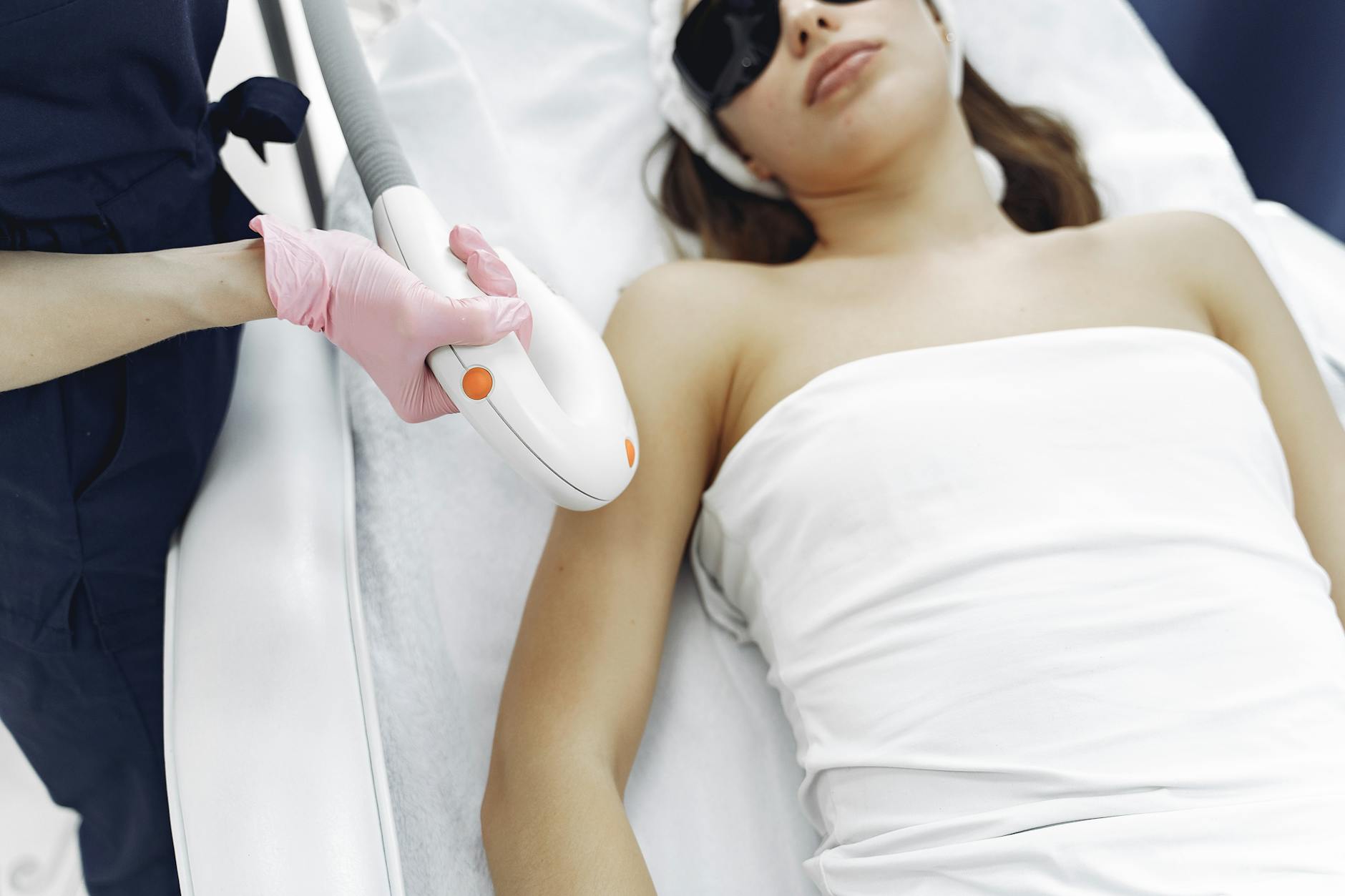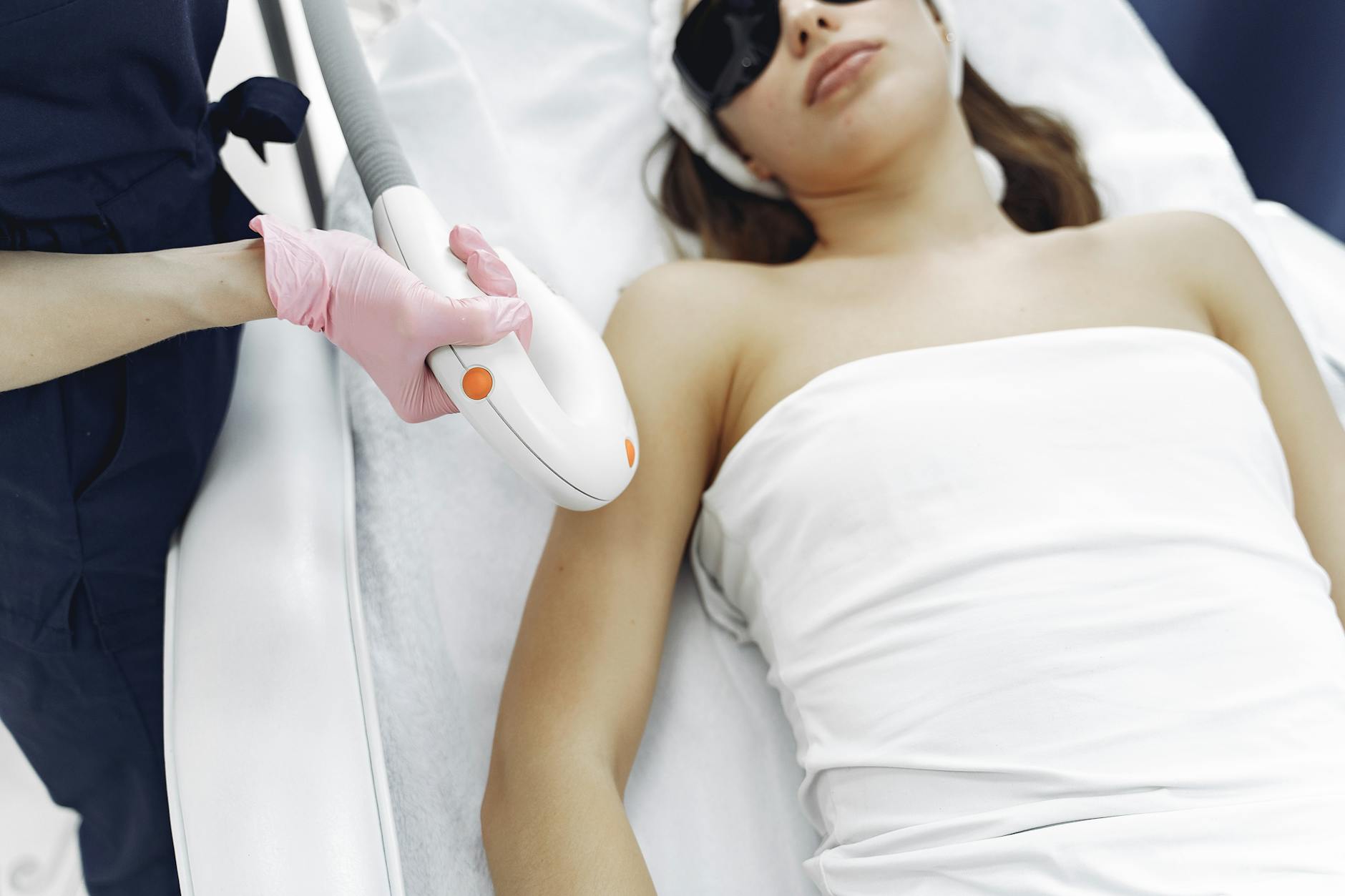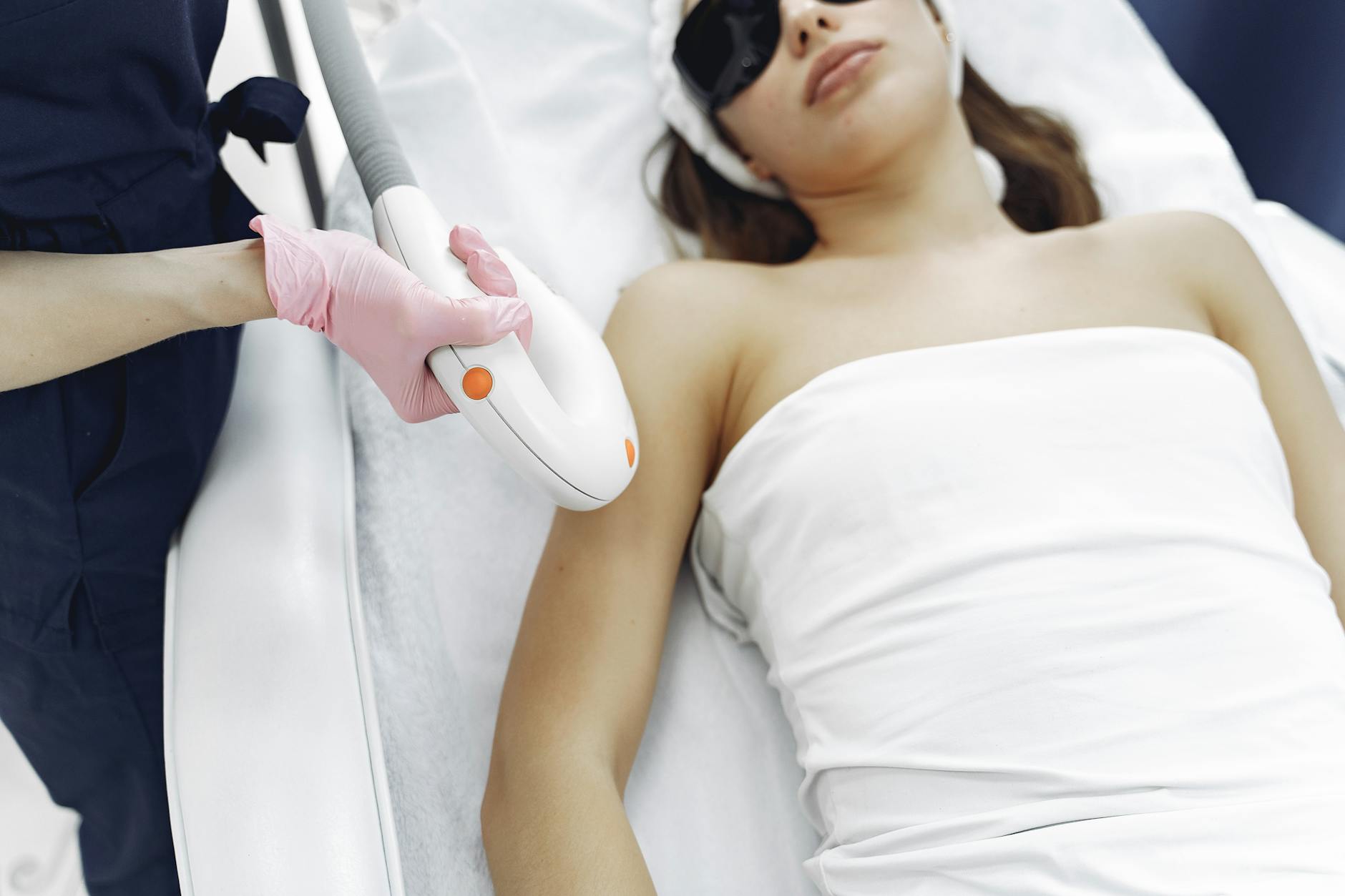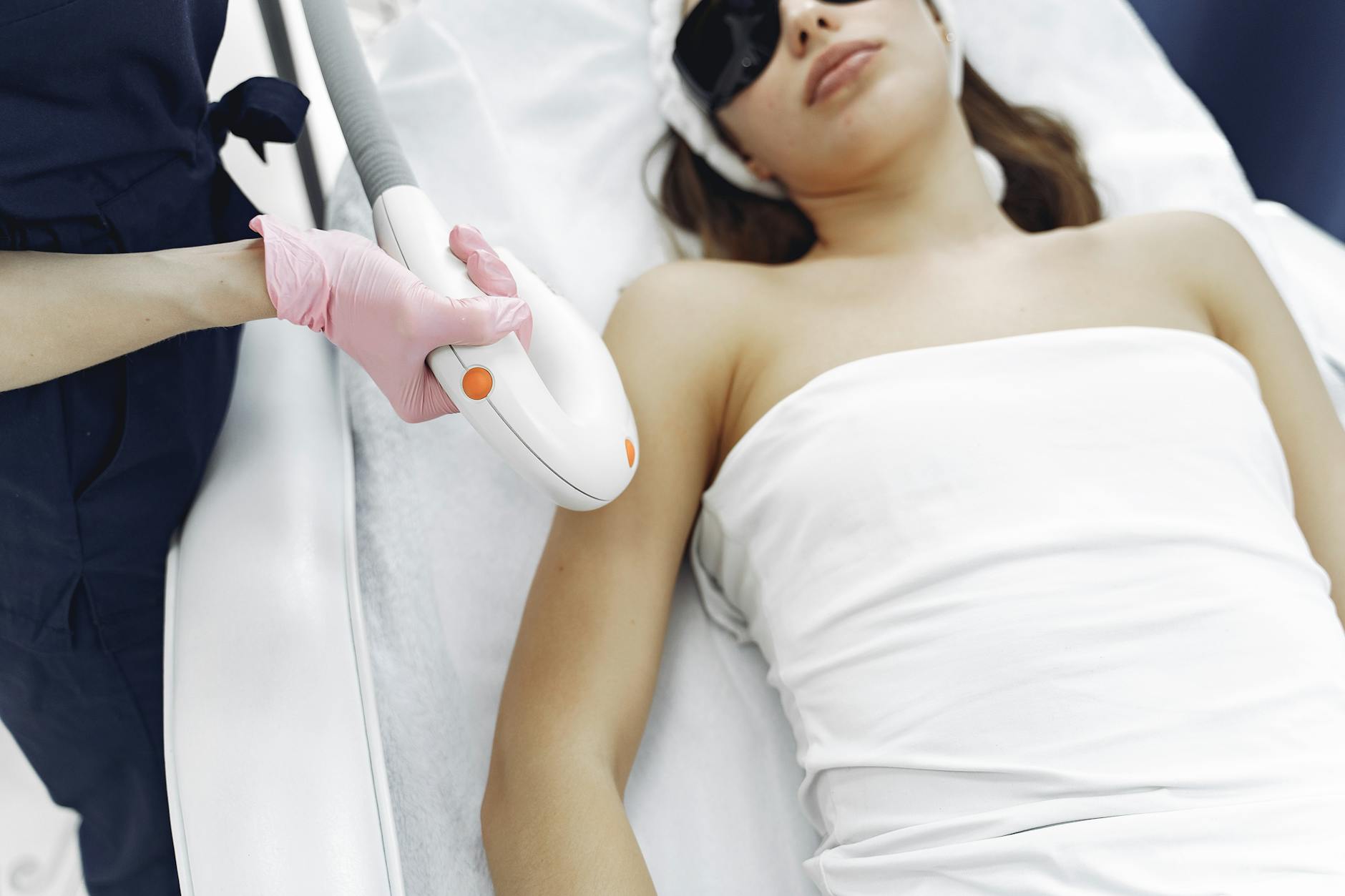
Why Proper Aftercare Matters

Your laser hair removal treatment is only half the battle. What happens in the hours and days following your session determines whether you achieve smooth, hair-free skin or face uncomfortable complications that could derail your progress.
“Proper aftercare is the difference between successful hair removal and unwanted side effects that can last weeks or months.”
Following aftercare guidelines prevents serious complications like burns, hyperpigmentation, and permanent scarring. These risks aren't just theoretical—they happen when skin isn't properly protected during its vulnerable healing phase. Your treated skin needs specific care to recover from the controlled damage that makes laser hair removal effective.
Good aftercare also maximizes your investment. Skin that heals properly responds better to future treatments, leading to more complete hair reduction in fewer sessions. You'll experience less discomfort, faster healing, and better overall results when you protect your skin correctly from day one.
Immediate Post-Treatment Care (First 24 Hours)
The first 24 hours after laser hair removal determine your skin's recovery path. Your treated skin is essentially wounded and needs gentle, protective care to heal properly without complications or scarring.
“Treat your skin like a healing sunburn—cool, gentle, and protected.”
Use a clean, damp cloth or ice pack wrapped in paper towel for 10-15 minutes every few hours.
Skip hot showers, saunas, steam rooms, and even hair dryers on the treated area.
Apply fragrance-free moisturizer and avoid acids, retinoids, or exfoliating scrubs completely.
Watch for excessive swelling, blistering, or unusual pain that worsens rather than improves.
For example, if you treated your underarms, wear loose cotton clothing and use lukewarm water during your evening shower. Contact your provider immediately if you notice any blistering or severe redness that doesn't fade within hours—these could indicate complications requiring professional attention.
First Week After Treatment

Your skin enters a critical healing phase during the first week after laser hair removal. Following proper care steps protects your investment and prevents complications that could delay your results.
Apply SPF 30 or higher sunscreen daily and reapply every two hours when outdoors.
Use lukewarm water and fragrance-free soap, patting skin dry instead of rubbing.
Apply aloe vera gel or unscented lotion twice daily to keep skin hydrated and comfortable.
Avoid activities that generate excessive heat or friction. Skip hot baths, saunas, steam rooms, and intense workouts for five days. These activities increase blood flow to treated areas, potentially causing irritation or swelling. Swimming pools pose risks too – chlorine can irritate sensitive skin while bacteria might cause infection.
Resist the urge to pick at any small scabs or bumps that appear. This natural healing process prevents permanent scarring, which remains a valid concern for many patients. Your skin knows how to repair itself when given proper conditions.
Loose, breathable clothing prevents friction against treated areas. Cotton fabrics work best, especially for areas like underarms or legs where clothing contact is unavoidable.
Long-Term Care and Maintenance
Your laser hair removal journey extends far beyond your first session. Consistent long-term care protects your investment and ensures optimal results without complications.
Daily sun protection becomes your most important habit. Apply SPF 30 or higher sunscreen to all treated areas every morning, even during winter months. This prevents hyperpigmentation and reduces scarring risk, addressing the concern many patients have about permanent skin damage. Reapply every two hours when outdoors.
Schedule your follow-up sessions strategically every 4-8 weeks based on your hair growth cycle. Your practitioner will adjust timing as hair becomes finer and grows more slowly. Missing appointments or spacing them too far apart compromises your results and may require additional sessions.
Monitor your skin for hair regrowth patterns between sessions. Take photos to track progress and note any areas that may need extra attention. Some stubborn hairs are normal and will be addressed in subsequent treatments.
Treatments to Avoid
Certain aesthetic treatments can interfere with your laser hair removal healing process and increase scarring risks. Understanding which procedures to postpone protects your investment and prevents complications.
Chemical Peels represent the most common conflict. These acid treatments remove damaged skin layers through controlled chemical exfoliation, targeting acne scars, fine lines, and uneven tone. However, combining Chemical Peels with recent laser hair removal creates excessive skin trauma. Schedule Chemical Peels at least four weeks before or after your laser sessions to prevent burns, hyperpigmentation, and delayed healing.
Waxing and plucking destroy the hair follicles your laser targets. These removal methods eliminate the pigmented root structure that absorbs laser energy, rendering treatments ineffective. Avoid all hair removal except shaving throughout your entire treatment series.
Other laser treatments require careful spacing. Fractional lasers, IPL, or CO2 treatments need minimum two-week gaps to prevent overlapping inflammation. Your dermatologist coordinates timing to maximize results while maintaining skin integrity.
When to Contact Your Provider

Most patients heal smoothly after laser hair removal, but knowing when to seek professional help prevents complications and protects against permanent scarring. Contact your provider immediately if you notice signs of infection, including increasing redness that spreads beyond the treatment area, pus-filled bumps, or red streaking from the treated skin.
Severe pain that worsens after 48 hours or blistering requires prompt medical attention. While mild discomfort is normal, intense burning or fluid-filled blisters indicate potential tissue damage that needs professional care.
Unexpected pigment changes also warrant concern. For example, dark spots appearing on lighter skin or light patches on darker skin may signal post-inflammatory hyperpigmentation or hypopigmentation. Early intervention helps minimize these changes and restore your skin's natural appearance more effectively.
Summary and Next Steps
Proper aftercare prevents complications and scarring while maximizing your laser hair removal results. Follow gentle skincare, avoid sun exposure, and skip harsh treatments for optimal healing. You'll see initial hair reduction within two to four weeks, with full results appearing after completing your six to eight session series. Stay patient and consistent with your treatment schedule.
Complete your full treatment series and follow aftercare guidelines to achieve lasting hair reduction without complications.
Frequently Asked Questions
What should I do immediately after laser hair removal treatment?
Apply cold compresses for 10-15 minutes every few hours using a clean, damp cloth or ice pack wrapped in paper towel. Avoid all heat sources including hot showers, saunas, steam rooms, and hair dryers on the treated area. Use only gentle, fragrance-free moisturizer and avoid acids, retinoids, or exfoliating scrubs completely. Monitor for warning signs like excessive swelling, blistering, or unusual pain that worsens.
Why is proper aftercare important for laser hair removal?
Proper aftercare prevents serious complications like burns, hyperpigmentation, and permanent scarring that can occur when skin isn't properly protected during its vulnerable healing phase. Good aftercare also maximizes your investment by ensuring skin heals properly and responds better to future treatments. This leads to more complete hair reduction in fewer sessions with less discomfort and faster healing.
Can I shower after laser hair removal treatment?
You can shower after laser hair removal, but use only lukewarm water and fragrance-free soap. Pat your skin dry instead of rubbing to avoid irritation. Avoid hot showers, which can worsen inflammation and delay healing during the critical first 24 hours after treatment.
What should I avoid during the first week after laser hair removal?
Avoid sun exposure by applying SPF 30 or higher sunscreen daily and reapplying every two hours when outdoors. Skip activities that generate excessive heat or friction including hot baths, saunas, steam rooms, and intense workouts for five days. Use only gentle cleansing with lukewarm water and fragrance-free products while moisturizing consistently with aloe vera gel or unscented lotion twice daily.
When should I contact my provider after laser hair removal?
Contact your provider immediately if you notice any blistering or severe redness that doesn't fade within hours after treatment. Watch for warning signs like excessive swelling, unusual pain that worsens rather than improves, or any other complications that seem abnormal. These could indicate serious complications requiring professional medical attention.
Disclaimer: This content is for informational purposes only and does not constitute medical advice. Always consult a qualified healthcare provider before making health decisions.