Why Proper Preparation Matters for Laser Hair Removal Success

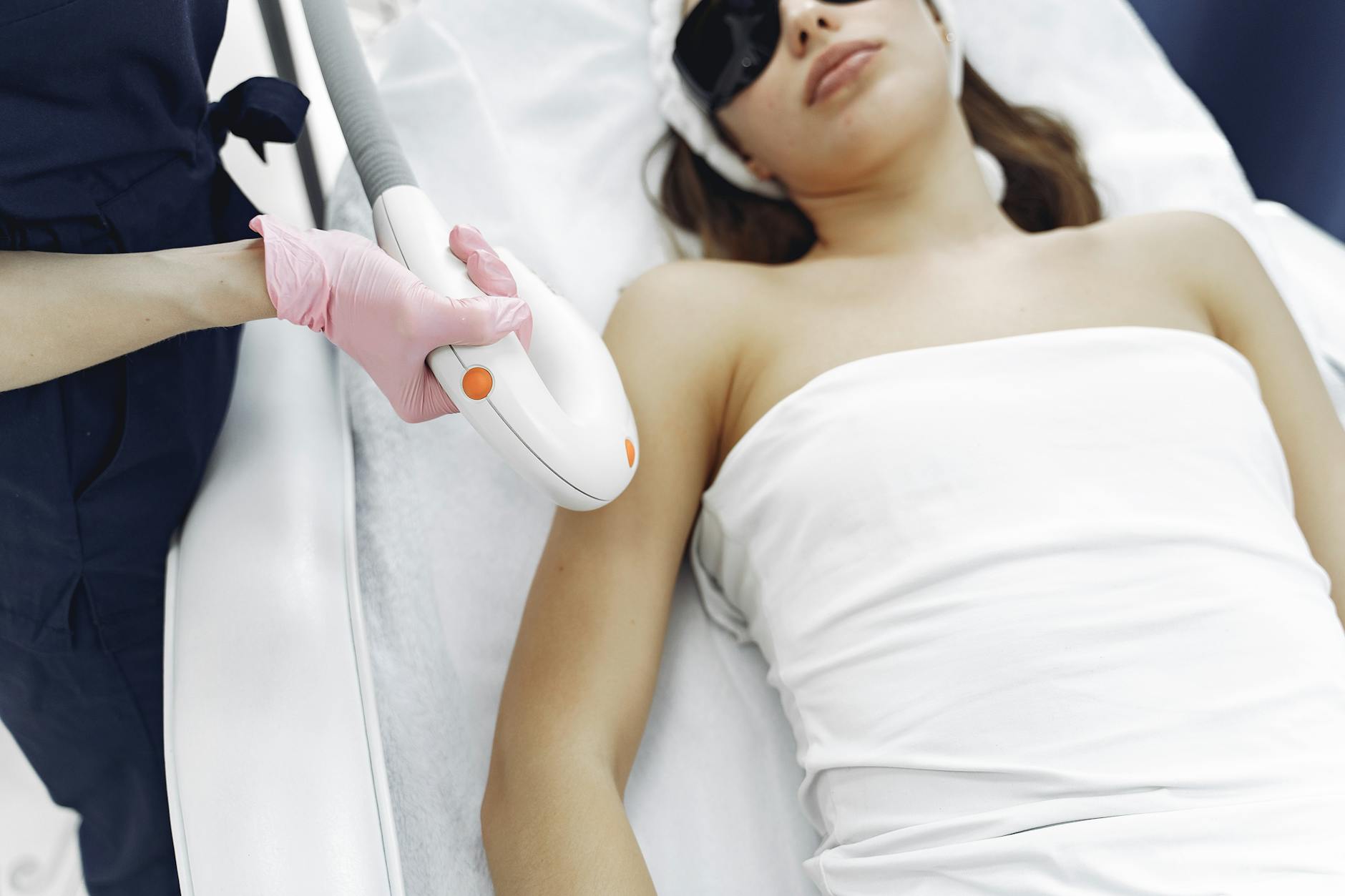
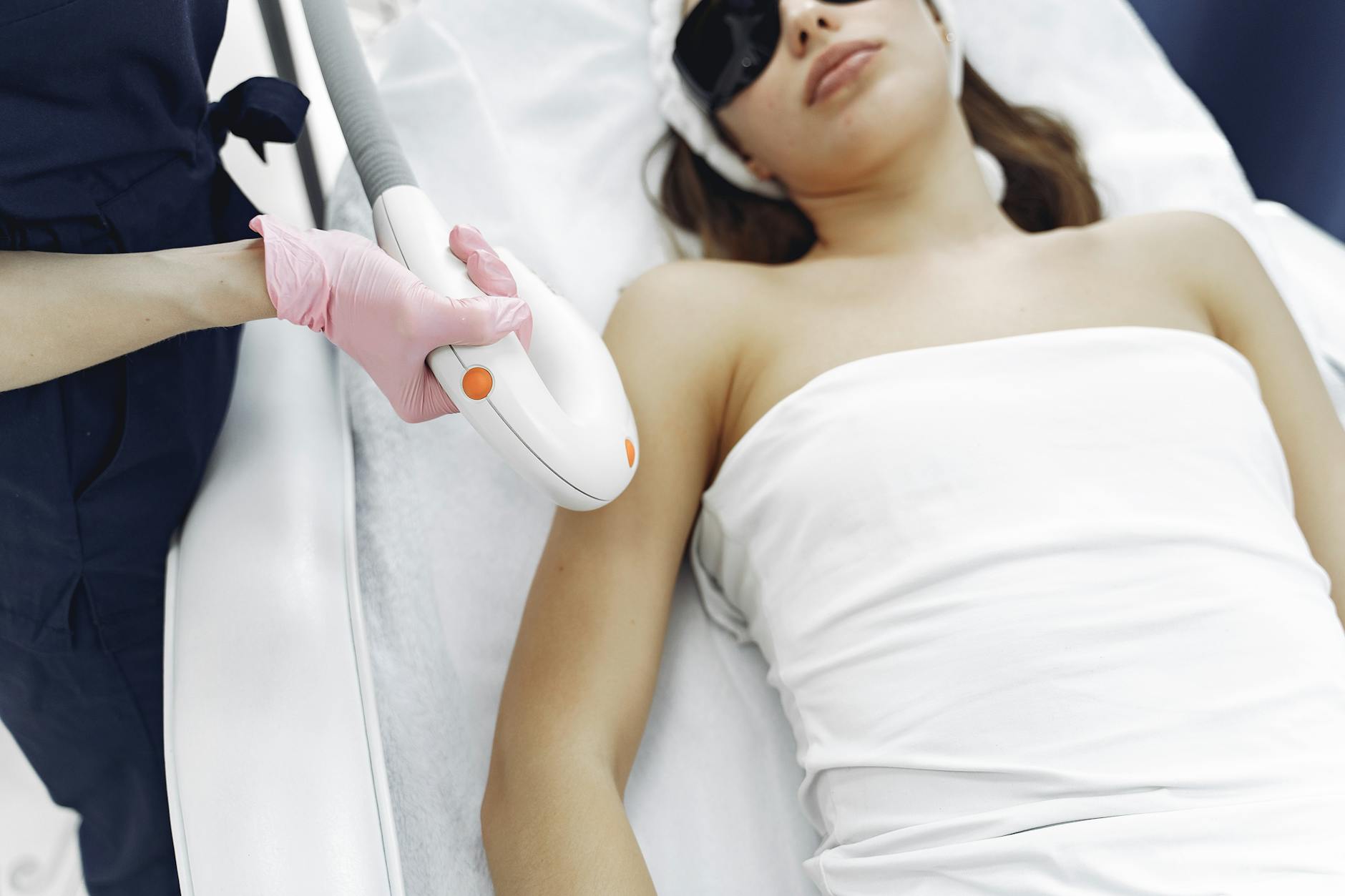
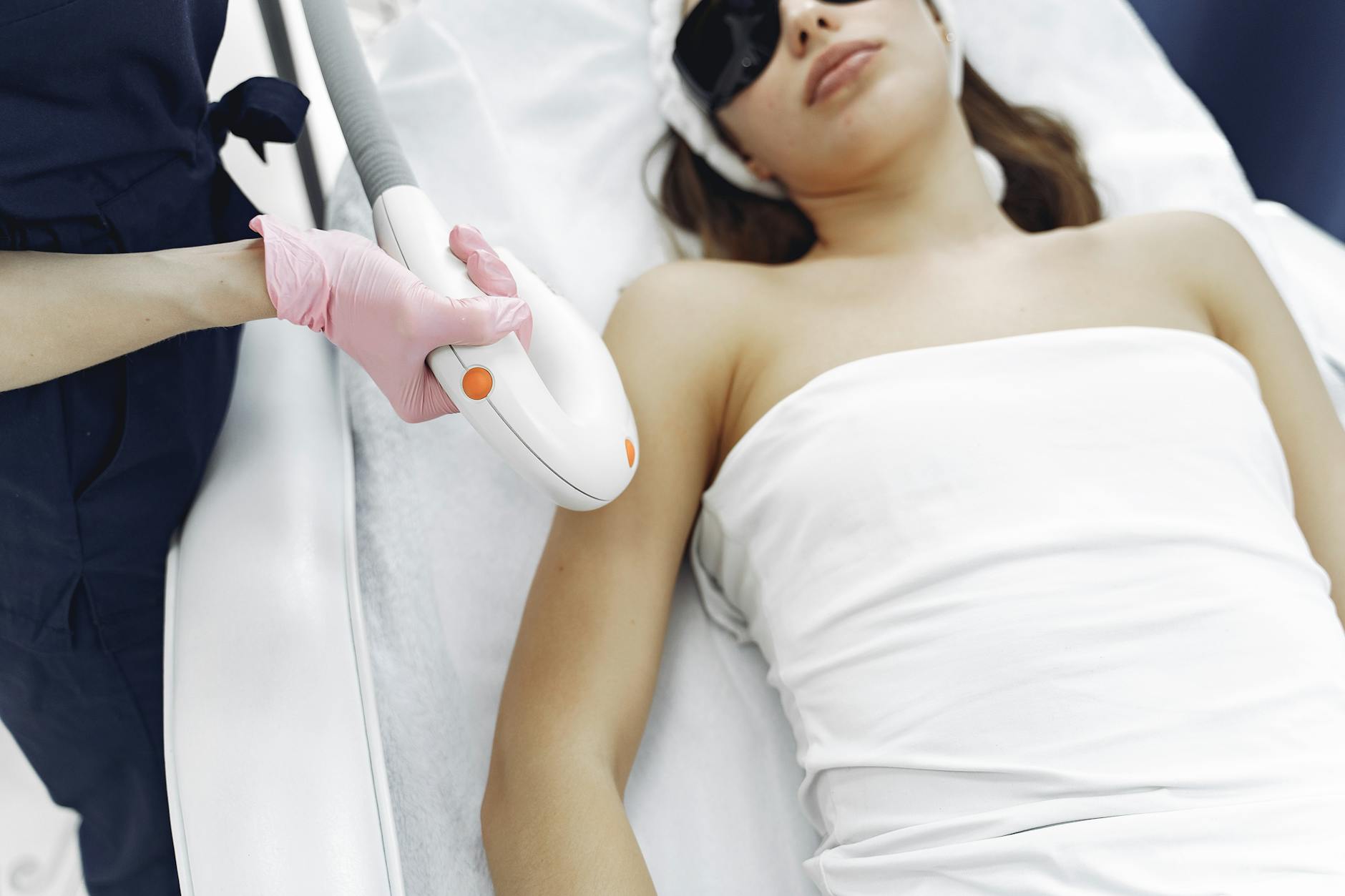
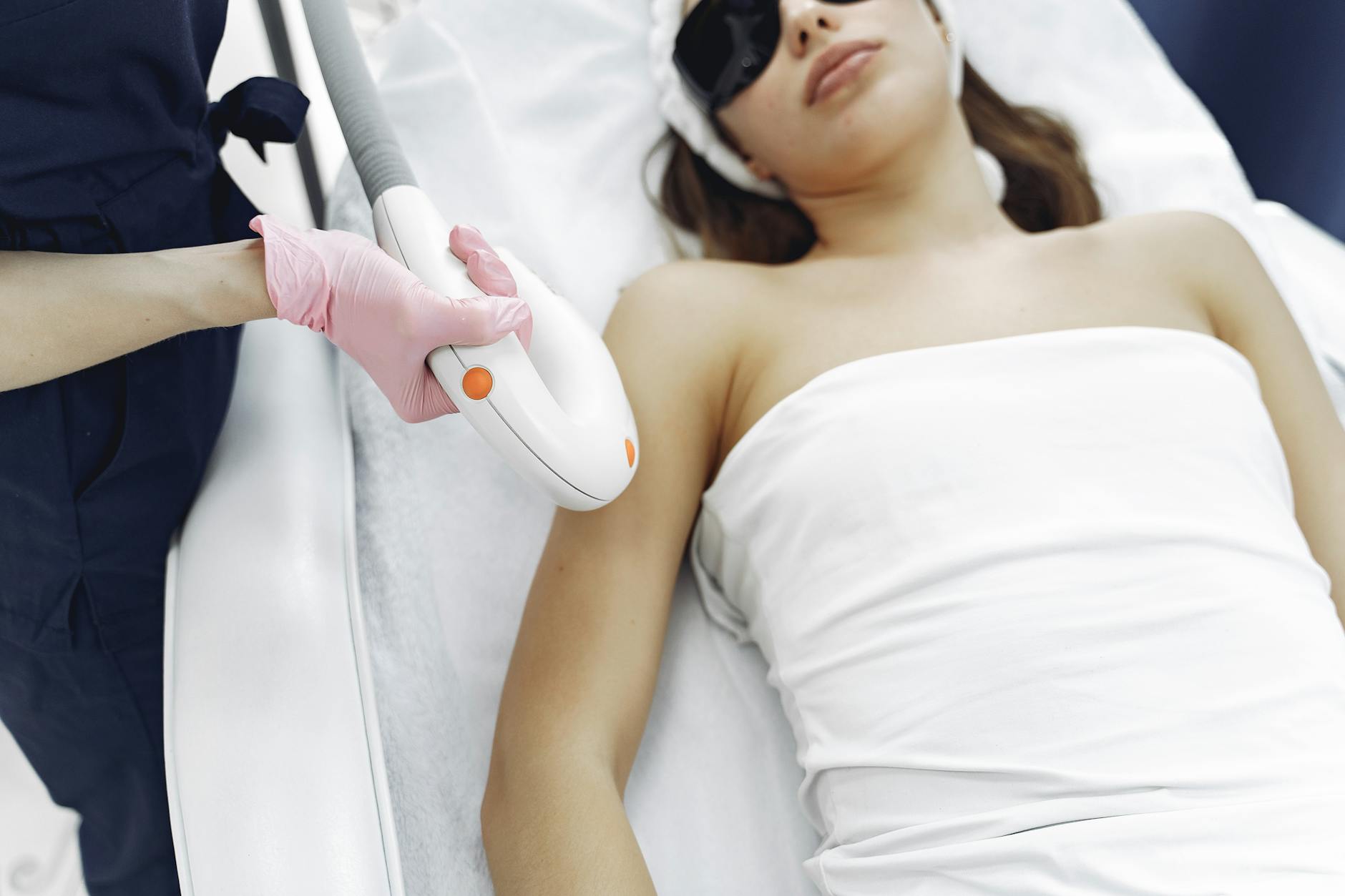
Proper preparation directly determines whether your laser hair removal achieves optimal results or falls short of expectations. When you prepare correctly, the laser can target hair follicles more effectively, leading to better permanent reduction rates. Without adequate preparation, you risk reduced effectiveness, potential skin irritation, and wasted sessions.
“Proper preparation is the difference between achieving 80-90% permanent hair reduction and needing additional costly sessions.”
Common preparation mistakes include sun exposure before treatment, shaving too close to the appointment, or using certain skincare products that increase photosensitivity. These errors can force practitioners to lower laser settings to prevent skin damage, reducing treatment effectiveness.
Achieving the industry standard of 80-90% permanent hair reduction requires multiple sessions with properly prepared skin. Each treatment builds on the previous one, making consistent preparation essential throughout your entire treatment series. Understanding these fundamentals helps you avoid complications while maximizing your investment in smoother skin.
Timeline: When to Start Your Preparation
Starting your laser hair removal preparation at the right time prevents complications that could delay your treatment or cause unwanted side effects. Most preparation mistakes happen because people rush the process or skip important steps.
"Proper timing eliminates 90% of laser hair removal complications before they start."
Begin your preparation six weeks before your first appointment. This is when you must stop plucking, tweezing, and waxing completely. These methods remove the hair root, which the laser needs to target effectively. Continue shaving as normal during this period since it only cuts hair at skin level.
Four weeks before treatment, start avoiding direct sun exposure and tanning beds. Tanned skin absorbs more laser energy, increasing your risk of burns and pigmentation changes. If you must be outdoors, apply broad-spectrum SPF 30 sunscreen and wear protective clothing.
Twenty-four to forty-eight hours before your appointment, shave the treatment area completely. For example, if you're treating your legs on Friday, shave them Wednesday evening or Thursday morning. This timing allows any minor razor irritation to subside while keeping hair short enough for effective laser penetration.
Following this timeline reduces your chances of experiencing burns, scarring, or treatment delays that could set back your clear skin goals.
Hair Removal Method Guidelines

Your hair removal routine needs a complete overhaul before laser treatment. The laser targets pigment in hair follicles, so your preparation methods directly impact treatment success and safety.
Stop plucking, waxing, and threading six weeks before your first session. These methods remove hair from the root, leaving empty follicles with no pigment for the laser to target. When follicles are empty, the laser can't work effectively and may even cause uneven results or missed spots.
Shaving is your only acceptable hair removal method during preparation. Shave 24 to 48 hours before treatment to leave short stubble visible above skin level. This stubble guides the laser to active follicles while preventing surface burns from longer hair.
For example, if your appointment is Thursday morning, shave Tuesday evening. Use a clean, sharp razor and shave in the direction of hair growth to avoid irritation that could interfere with treatment.
Different hair removal methods affect follicles in distinct ways. Depilatory creams dissolve hair at surface level, which is acceptable but less precise than shaving. Trimming with scissors works but often leaves uneven lengths.
Sun Exposure and Skin Protection
Protecting your skin from sun exposure is crucial for safe and effective laser hair removal. Tanned or sun-damaged skin significantly increases your risk of complications, including burns, scarring, and uneven results that could cause lasting embarrassment.
Follow the 4-week sun avoidance rule before your treatment. This means no sunbathing, tanning beds, or prolonged outdoor activities without proper protection. Even brief exposure can darken your skin enough to interfere with the laser's ability to target hair follicles effectively.
Apply SPF 30 or higher sunscreen daily to treatment areas, even when staying indoors near windows. Reapply every two hours when outside. Tanned skin competes with hair follicles for laser energy, reducing treatment effectiveness and increasing burn risk.
If you have a recent tan, postpone your appointment until your natural skin tone returns. This patience ensures optimal results and prevents potentially permanent skin damage.
Skincare Products to Avoid Before Treatment
Certain skincare products can increase your skin's sensitivity and interfere with laser hair removal effectiveness. Understanding which products to discontinue helps prevent unwanted side effects and ensures optimal results.
Stop using retinoids, including prescription tretinoin and over-the-counter retinol products, at least one week before your treatment. These vitamin A derivatives thin your skin and increase photosensitivity, potentially leading to burns or discoloration during laser sessions.
Chemical Peels require special timing considerations. These acid treatments remove damaged skin layers to improve texture and appearance through controlled chemical exfoliation. Discontinue any at-home chemical exfoliants like glycolic acid, salicylic acid, or alpha-hydroxy acids for 48-72 hours before treatment. Professional Chemical Peels should be scheduled at least two weeks before or after laser appointments to prevent excessive skin irritation.
Discuss photosensitizing medications with your provider during consultation. Antibiotics like doxycycline, certain diuretics, and anti-inflammatory drugs can make your skin more reactive to laser light. Your dermatologist may recommend temporary discontinuation or treatment postponement depending on your medication regimen.
Avoid waxing, tweezing, or epilating for six weeks before treatment, as laser targets hair follicles that these methods remove.
Day-of-Treatment Preparation Checklist

Your treatment day preparation starts the moment you wake up. These final steps ensure optimal results and minimize any risk of complications that could affect your skin's healing process.
Wash treatment areas with mild soap and lukewarm water only.
Apply no lotions, deodorants, perfumes, or makeup to treatment zones.
Choose dark, comfortable fabrics that won't irritate treated skin afterward.
Pack sunglasses, a water bottle, and any prescribed numbing cream.
Arrive with clean, dry skin free of any residue. This preparation helps the laser target hair follicles effectively while protecting surrounding tissue from unnecessary irritation.
Common Preparation Mistakes to Avoid
Even small mistakes during preparation can compromise your laser hair removal results or cause complications that leave lasting marks on your skin. Understanding these common errors helps you achieve the best possible outcome while protecting your skin.
Last-minute waxing or plucking ranks as the most frequent mistake. These methods remove hair follicles completely, leaving nothing for the laser to target. Stop all hair removal except shaving at least four weeks before treatment.
Insufficient sun protection creates another major problem. Even slight tanning makes skin more sensitive to laser energy, increasing burn risk significantly. For example, a weekend at the beach two weeks before treatment could force postponement of your entire session.
Using wrong skincare products also derails preparation. Retinoids, glycolic acid, and other active ingredients thin your skin, making it vulnerable to scarring. Switch to gentle, fragrance-free products one week prior.
Avoid waxing, sun exposure, and harsh skincare products to ensure safe, effective laser hair removal results.
Frequently Asked Questions
How long before laser hair removal should I stop waxing and plucking?
You must stop plucking, tweezing, and waxing completely six weeks before your first laser hair removal appointment. These methods remove the hair root, which the laser needs to target effectively for optimal results. Continue shaving as normal during this period since it only cuts hair at skin level without affecting the root.
When should I shave before my laser hair removal appointment?
You should shave the treatment area 24 to 48 hours before your laser hair removal appointment. This timing allows any minor razor irritation to subside while keeping hair short enough for effective laser penetration. The ideal hair length is about 2mm of visible stubble above skin level to guide the laser to active follicles.
How long should I avoid sun exposure before laser hair removal?
You should start avoiding direct sun exposure and tanning beds four weeks before your laser hair removal treatment. Tanned skin absorbs more laser energy, which increases your risk of burns and pigmentation changes. If you must be outdoors, apply broad-spectrum SPF 30 sunscreen and wear protective clothing for protection.
What happens if I don't prepare properly for laser hair removal?
Improper preparation can significantly reduce the effectiveness of your laser hair removal treatment and may require additional costly sessions. Common mistakes like sun exposure or using certain skincare products can force practitioners to lower laser settings to prevent skin damage. Without adequate preparation, you risk reduced effectiveness, potential skin irritation, and may not achieve the industry standard of 80-90% permanent hair reduction.
Disclaimer: This content is for informational purposes only and does not constitute medical advice. Always consult a qualified healthcare provider before making health decisions.