What to Expect: The Complete Laser Hair Removal Timeline

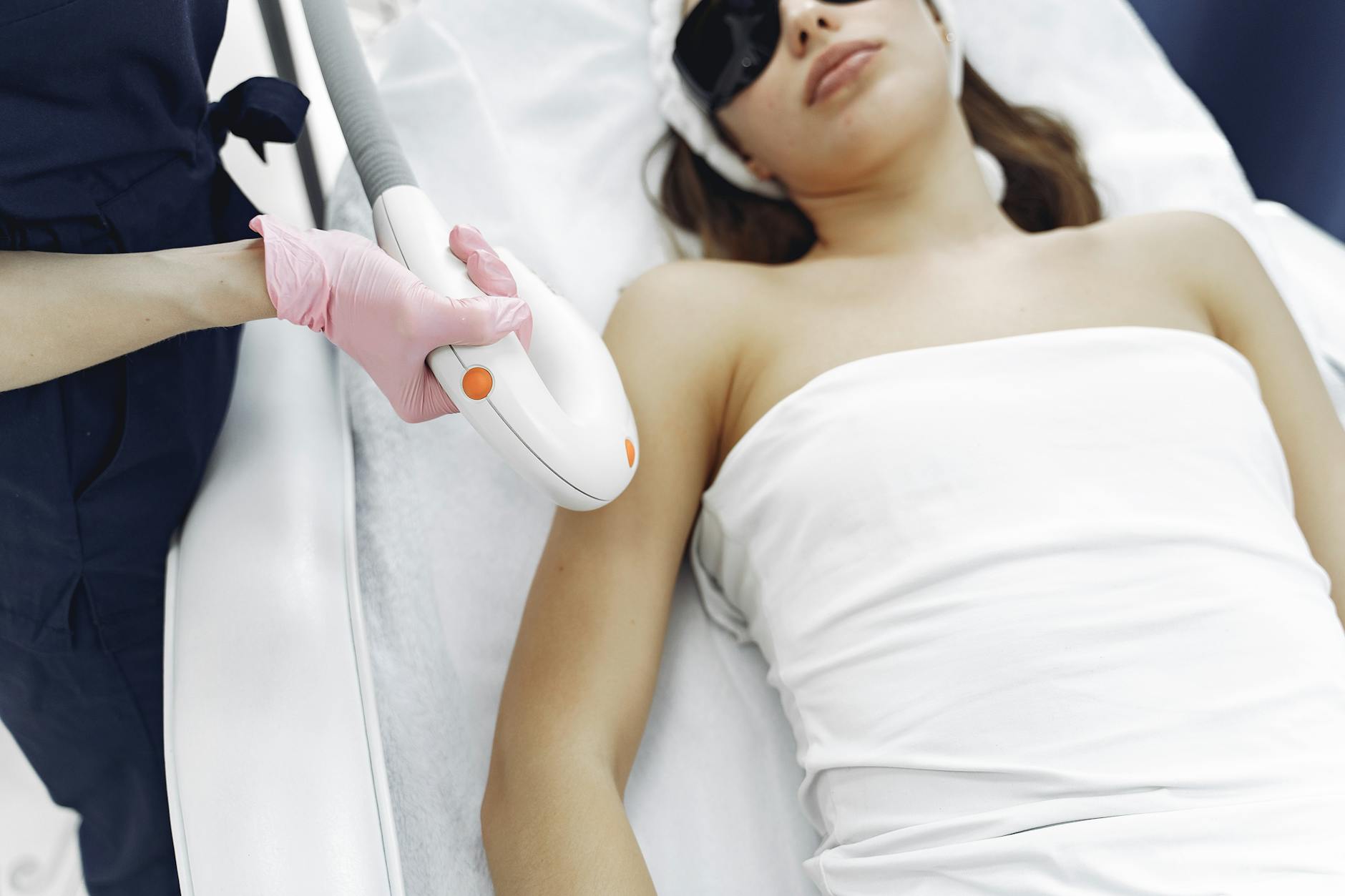
Understanding the laser hair removal timeline helps set realistic expectations for your journey. Unlike shaving or waxing, laser treatments work by targeting hair follicles during specific growth phases, which is why you'll need multiple sessions spaced several weeks apart.
Your hair grows in three distinct cycles: anagen (active growth), catagen (transition), and telogen (resting). Laser energy only effectively damages follicles during the anagen phase when hair contains the most melanin. Since only 20-25% of your hair is in this active phase at any given time, multiple treatments are essential to catch all follicles as they cycle through growth phases.
“Most patients need 6-8 sessions spaced 4-8 weeks apart to achieve optimal hair reduction results.”
Treatment frequency varies by body area because hair growth rates differ. Facial hair grows faster, requiring sessions every 4-6 weeks, while leg hair grows slower, needing treatments every 6-8 weeks. For example, underarm hair typically needs 6 sessions over 8 months, while Brazilian treatments often require 8 sessions over 12 months.
Individual factors affect your timeline significantly. Darker, coarser hair responds faster than fine or light hair. Hormonal fluctuations, medications, and genetic factors can extend treatment duration. Some patients see substantial reduction after 4 sessions, while others need 10 or more treatments for similar results.
Rest assured that modern laser technology, when performed by trained professionals, rarely causes permanent scarring when proper protocols are followed.
Immediate Results (0-48 Hours After Treatment)

Don't panic when you notice stubble appearing on your skin within hours of treatment. This is actually a positive sign that the laser worked correctly. The heat from the laser damages the hair follicle and causes treated hairs to shed gradually over the next 7-14 days. What looks like new growth is actually dead hair being pushed out of the follicle.
“The stubble you see after treatment isn't new hair growth—it's dead hair working its way out of the follicle.”
Your skin will likely appear red and feel tender, similar to a mild sunburn. This inflammation shows your follicles responded to treatment and typically resolves within 24-48 hours. Some patients experience slight swelling around hair follicles, which is completely normal.
Watch for signs that require immediate attention: blistering, severe pain that worsens after 48 hours, or signs of infection like pus or red streaking. These reactions are rare but shouldn't be ignored. Most patients worry unnecessarily about permanent scarring, but when performed by qualified professionals, laser hair removal has an excellent safety record with minimal risk of lasting skin damage.
Apply cool compresses and avoid hot showers to manage discomfort during this initial healing period.
Short-Term Results (1-3 Weeks)
During the first three weeks after laser hair removal, you'll witness the most dramatic visible changes as your body begins the natural shedding process. The laser energy has damaged hair follicles beneath the surface, and now these hairs will start pushing out through your skin.
Hair shedding typically begins around day 7-10 and continues for two weeks. You might notice what looks like hair growth, but this is actually treated hairs being expelled from follicles. These hairs will fall out easily when you gently exfoliate or even during normal washing. Some people describe this phase as hairs "popping out" when rubbed lightly with a washcloth.
Your skin continues healing during this period, so maintaining proper aftercare prevents complications like permanent scarring. Avoid sun exposure for at least two weeks, as treated skin remains photosensitive. Skip intensive workouts for the first week to prevent excessive sweating, which can irritate healing follicles.
By week three, you'll see significantly less hair in the treated area. The remaining hairs are either untreated follicles in different growth phases or deeper hairs that require additional sessions to eliminate completely.
Medium-Term Progress (2-4 Months)
By your second and third laser treatments, you'll notice genuine reduction in hair density. Most patients see 20-30% fewer hairs growing back compared to their starting point. The remaining hair often appears finer and lighter in color, making it less noticeable even when present.
Hair regrowth patterns become predictable during this phase. Treated areas stay smooth for 2-4 weeks before new growth appears, compared to daily shaving needs before treatment. This extended smooth period gives you confidence that the process works without causing permanent damage to your skin.
Scheduling sessions every 4-8 weeks aligns with your hair's natural growth cycle. Your technician targets hair follicles during their active growth phase when laser energy proves most effective. Skipping appointments or spacing them too far apart reduces overall effectiveness.
For example, someone treating their underarms might go from shaving daily to needing only touch-ups every few weeks. The psychological relief of reduced maintenance often motivates patients to complete their full treatment series rather than stopping prematurely when results seem satisfactory.
Long-Term Results (6-12 Months)

After completing your full treatment series, you can expect 80-90% permanent hair reduction in the treated areas. This significant decrease represents the cumulative effect of multiple laser sessions working together to disable hair follicles permanently. Most patients find this level of reduction eliminates their daily shaving routine and provides the smooth, hair-free results they wanted.
Maintenance sessions become necessary to address any remaining fine hairs or new growth from previously dormant follicles. Most people need one or two touch-up treatments per year to maintain their results. Your dermatologist can combine these maintenance visits with other skin treatments like Chemical Peels, which use acid treatments that remove damaged skin layers to improve texture and appearance through controlled chemical exfoliation.
Several factors influence your final results, including your natural hair color, skin tone, hormonal changes, and genetics. Darker, coarser hair typically shows better permanent reduction than fine or light-colored hair. Age-related hormonal shifts or medications can sometimes trigger new hair growth, requiring additional maintenance sessions to keep your results optimal.
Factors That Affect Your Timeline
Your laser hair removal timeline depends on several personal factors that can speed up or slow down results. Hair color and skin tone create the biggest impact—dark hair on light skin responds fastest, while blonde, gray, or red hair may need extra sessions.
Treatment areas also vary significantly. Face and underarms typically clear within 4-6 sessions, while legs and back may require 8-10 treatments due to deeper hair follicles and different growth cycles.
Hormonal factors like pregnancy, menopause, or PCOS can extend your timeline by triggering new hair growth even after successful treatments.
Individual factors affect your timeline, but consistent treatments following your provider's schedule will deliver the best permanent hair reduction results.
Frequently Asked Questions
How many laser hair removal sessions do I need?
Most patients need 6-8 sessions spaced 4-8 weeks apart to achieve optimal hair reduction results. The exact number varies by individual factors like hair color and coarseness, with some people seeing substantial reduction after 4 sessions while others may need 10 or more treatments. Treatment frequency also depends on the body area, as facial hair requires sessions every 4-6 weeks while leg hair needs treatments every 6-8 weeks.
Why do I see stubble after laser hair removal?
The stubble you see after treatment isn't new hair growth—it's actually dead hair working its way out of the follicle. This is a positive sign that the laser worked correctly, as the heat damages the hair follicle and causes treated hairs to shed gradually over the next 7-14 days. What looks like new growth is actually dead hair being pushed out of the damaged follicle.
When does hair start falling out after laser treatment?
Hair shedding typically begins around day 7-10 after treatment and continues for about two weeks. During this phase, the treated hairs will fall out easily when you gently exfoliate or even during normal washing. Some people describe this as hairs "popping out" when rubbed lightly with a washcloth, which is completely normal.
Is it normal for skin to be red after laser hair removal?
Yes, red and tender skin similar to a mild sunburn is completely normal after laser hair removal. This inflammation shows your follicles responded to treatment and typically resolves within 24-48 hours. Some patients also experience slight swelling around hair follicles, which is part of the normal healing process.
Does laser hair removal cause permanent scarring?
Modern laser technology, when performed by trained professionals, rarely causes permanent scarring when proper protocols are followed. Laser hair removal has an excellent safety record with minimal risk of lasting skin damage. Most patients worry unnecessarily about permanent scarring, but this concern is generally unfounded when treatment is done by qualified professionals.
Disclaimer: This content is for informational purposes only and does not constitute medical advice. Always consult a qualified healthcare provider before making health decisions.