Common Side Effects

Most patients experience mild, temporary reactions after laser hair removal treatments. These normal side effects indicate that the laser is working effectively to target hair follicles without causing permanent damage to your skin.
"Understanding what to expect helps patients feel confident that temporary redness and sensitivity are normal parts of the healing process."
Temporary redness and swelling around treated hair follicles typically appear within minutes of treatment and fade within 24-48 hours. Your skin may feel similar to a mild sunburn during this period. Mild discomfort during the actual treatment feels like small rubber band snaps against your skin.
Some patients notice temporary darkening or lightening of treated areas, particularly those with darker skin tones. For example, a small patch on your leg might appear slightly darker for 2-4 weeks before returning to normal. Increased skin sensitivity to sun exposure also occurs temporarily, making sunscreen application essential during the healing period.
Rare But Serious Side Effects

While most laser hair removal treatments proceed without major complications, serious side effects can occur when procedures are performed incorrectly or safety protocols are ignored. Burns and blistering happen when laser settings are too aggressive for your skin type, potentially leading to the permanent scarring that many patients fear.
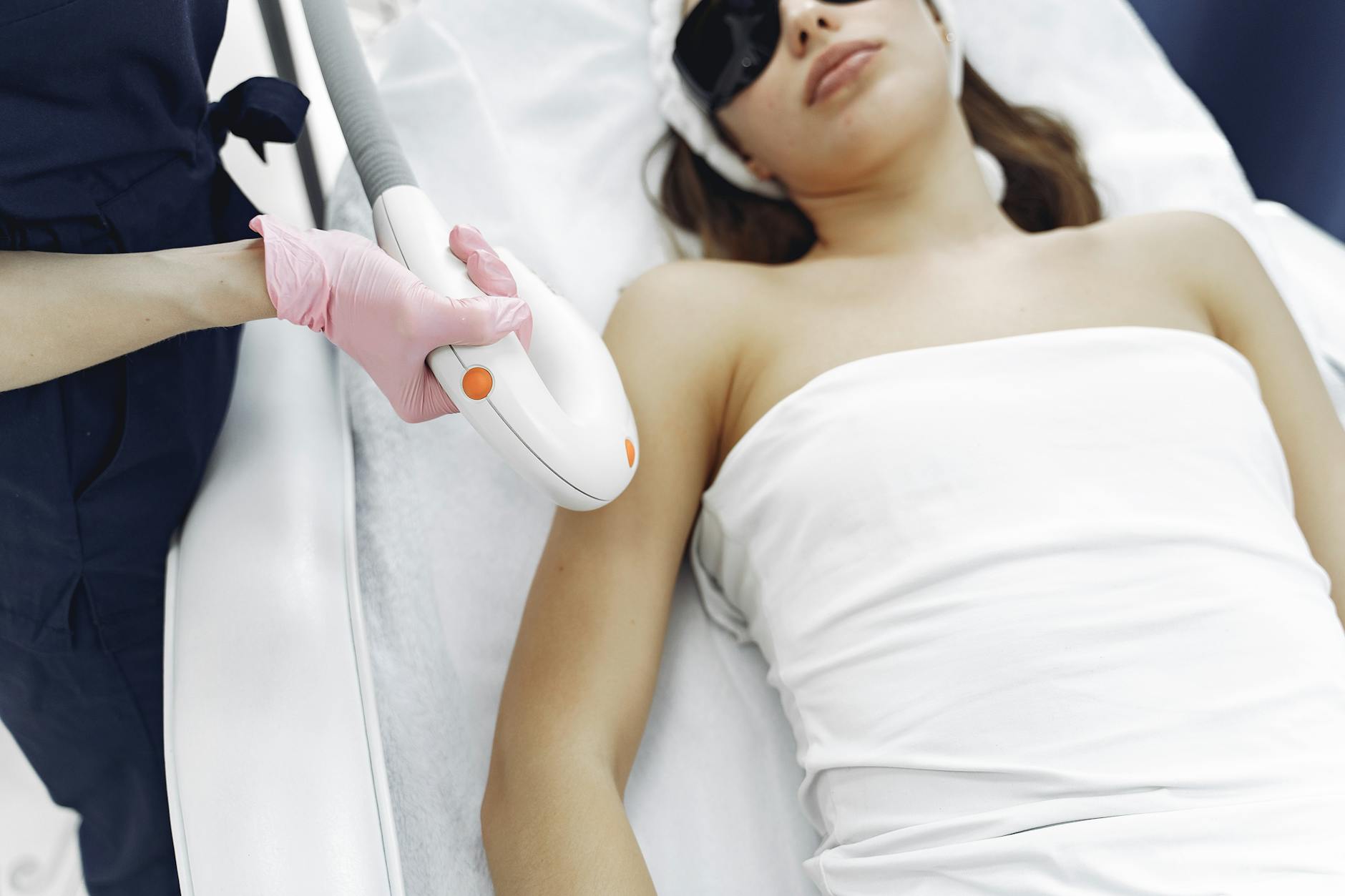
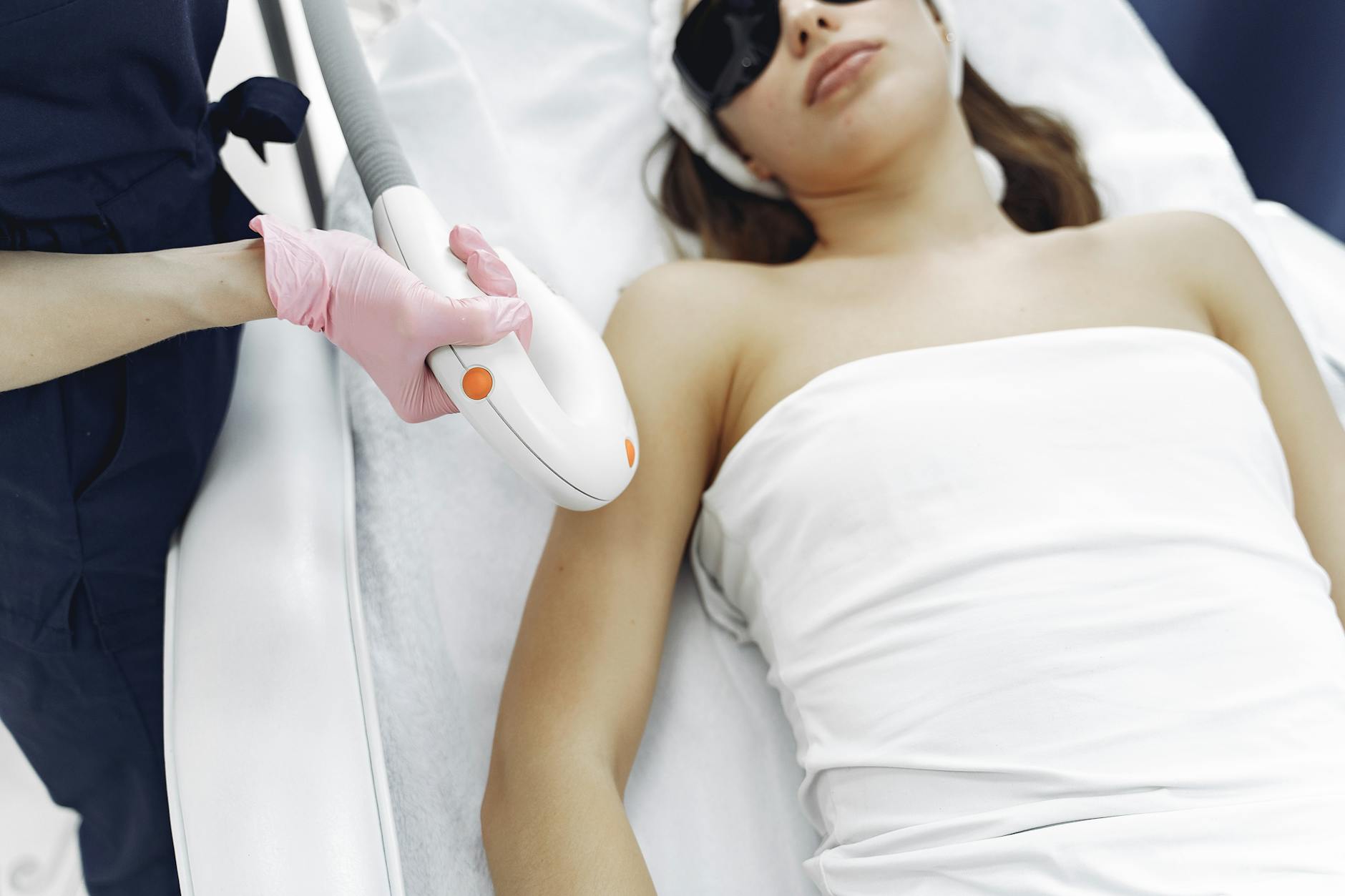
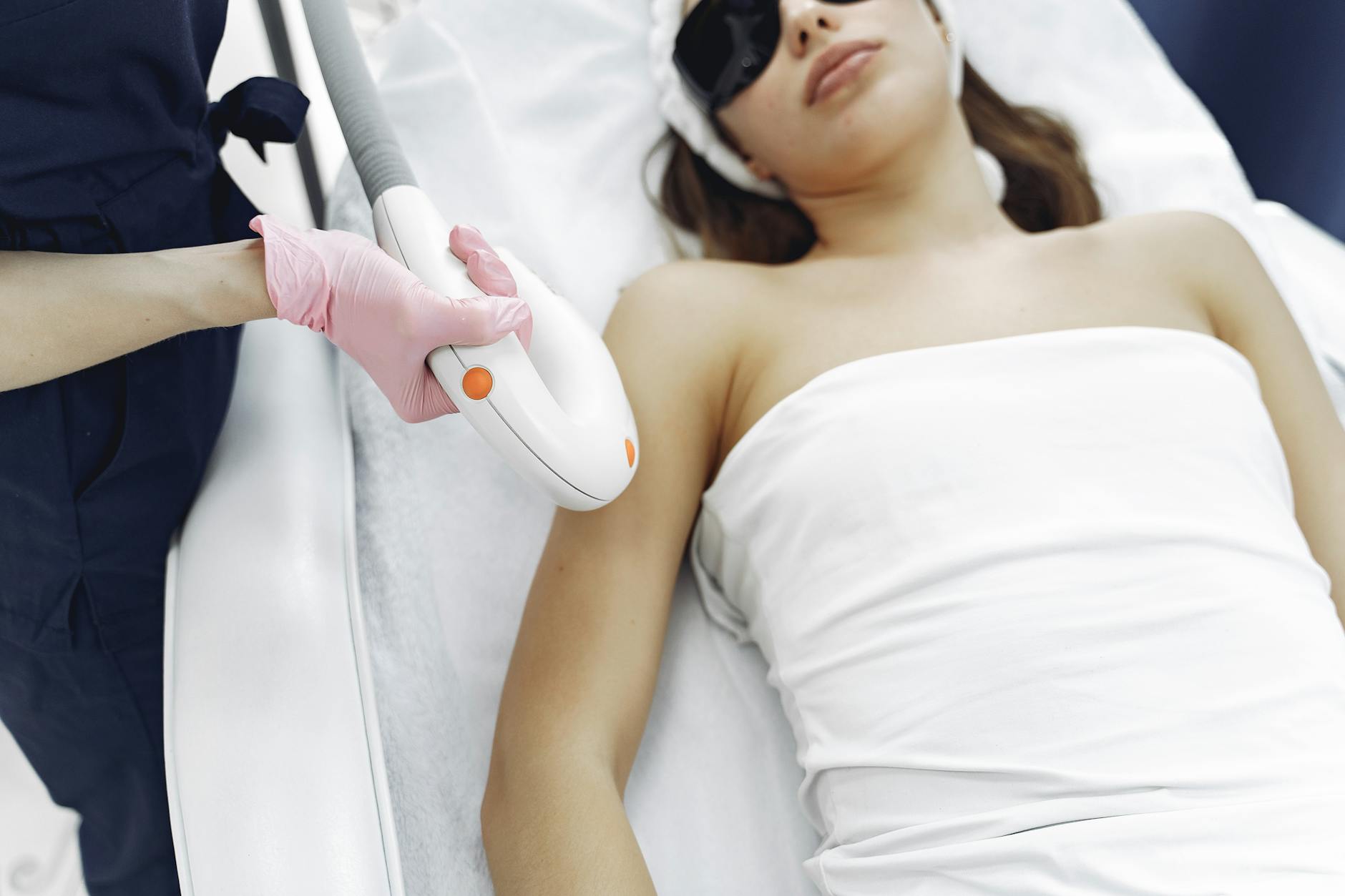
“Proper eye protection is non-negotiable during laser treatments to prevent irreversible vision damage.”
Eye injuries represent the most severe risk if protective eyewear fails or is removed during treatment. The laser beam can cause immediate and permanent retinal damage. Changes in skin pigmentation, particularly darkening or lightening of treated areas, may persist for months or become permanent in rare cases.
For example, patients with darker skin tones face higher risks of pigmentation changes when treated with inappropriate laser types. These complications emphasize why choosing experienced, certified practitioners matters for your safety and results.
Who Should Avoid Laser Hair Removal
Certain individuals should postpone or avoid Laser Hair Removal entirely to prevent complications and ensure optimal results. Pregnant women must wait until after delivery, as hormonal changes can affect hair growth patterns and treatment effectiveness.
Those with active skin infections, including bacterial or fungal conditions, should complete treatment before scheduling sessions. Recent sun exposure within four weeks increases burn risk and should be avoided.
Individuals prone to keloid scarring face higher complication risks and require careful evaluation. Additionally, patients taking photosensitizing medications like antibiotics or retinoids may experience severe skin reactions and should consult their dermatologist about timing alternatives.
How to Minimize Side Effects
Preventing complications from Laser Hair Removal requires careful preparation and diligent aftercare. While concerns about permanent scarring are understandable, following proven protocols significantly reduces risks and helps achieve optimal results safely.
Shave the treatment area 24-48 hours before your appointment and avoid sun exposure for four weeks prior.
Apply SPF 30+ sunscreen daily and avoid hot showers, saunas, and intense exercise for 24-48 hours.
Choose board-certified dermatologists or licensed technicians with extensive laser experience and proper equipment maintenance.
For example, patients who skip sun protection often experience hyperpigmentation, while those who choose unqualified practitioners face higher complication rates. Following these guidelines protects your investment and ensures safer treatment outcomes.
When to Contact Your Provider

Most laser hair removal side effects resolve within days, but certain warning signs require immediate professional evaluation. Contact your provider if you develop signs of infection like increasing redness, warmth, pus, or red streaking from the treatment area.
Seek prompt care for severe pain that worsens after 48 hours, blistering larger than a pencil eraser, or unexpected scarring that appears raised or discolored. For example, if treated skin develops thick, rope-like scars or deep indentations, professional assessment prevents permanent damage.
Call immediately if you experience allergic reactions including widespread hives, difficulty breathing, or facial swelling, which may indicate serious sensitivity requiring emergency treatment.
Alternative Hair Removal Options
Laser hair removal isn't suitable for everyone. Pregnant women, those with certain skin conditions, or people taking specific medications may need alternative approaches. Traditional methods like shaving, waxing, and threading remain safe options for sensitive patients.
Chemical Peels can address ingrown hairs that often accompany traditional hair removal methods. These acid treatments remove damaged skin layers through controlled chemical exfoliation, helping prevent the bumps and irritation that cause social embarrassment.
Consider alternatives when you have active skin infections, recent sun exposure, or unrealistic expectations about laser results. Your dermatologist can recommend the safest hair removal method based on your skin type and medical history.
Choose hair removal methods that match your skin sensitivity and medical conditions to avoid complications.
Frequently Asked Questions
What are the most common side effects of laser hair removal?
Most patients experience mild, temporary reactions including redness and swelling around treated hair follicles that appear within minutes and fade within 24-48 hours. Your skin may feel similar to a mild sunburn during this period. The actual treatment feels like small rubber band snaps against your skin, which is completely normal.
Can laser hair removal cause permanent scarring?
Burns and blistering can occur when laser settings are too aggressive for your skin type, potentially leading to permanent scarring. However, this serious side effect happens when procedures are performed incorrectly or safety protocols are ignored. Following proven protocols and choosing experienced, certified practitioners significantly reduces these risks.
Who should not get laser hair removal?
Pregnant women must wait until after delivery due to hormonal changes affecting hair growth patterns. Those with active skin infections, recent sun exposure within four weeks, or individuals prone to keloid scarring should avoid treatment. Patients taking photosensitizing medications like antibiotics or retinoids may experience severe reactions and should consult their dermatologist first.
How long do laser hair removal side effects last?
Temporary redness and swelling typically fade within 24-48 hours after treatment. Some patients notice temporary darkening or lightening of treated areas that can last 2-4 weeks before returning to normal. Increased skin sensitivity to sun exposure also occurs temporarily, making sunscreen application essential during the healing period.
What should I do before and after laser hair removal to prevent side effects?
Shave the treatment area 24-48 hours before your appointment and avoid sun exposure for four weeks prior to treatment. After treatment, apply SPF 30+ sunscreen daily and avoid hot showers, saunas, and intense exercise for 24-48 hours. These steps help minimize complications and ensure optimal results.
Disclaimer: This content is for informational purposes only and does not constitute medical advice. Always consult a qualified healthcare provider before making health decisions.