Understanding Laser Hair Removal Technology

Laser hair removal works by targeting melanin, the pigment in hair follicles, with concentrated light energy. The laser beam passes through your skin and gets absorbed by the dark pigment in hair roots, heating them enough to damage the follicle without harming surrounding skin tissue. This process disrupts hair growth while keeping your skin safe from permanent scarring.
“Different laser wavelengths penetrate skin at varying depths, making technology selection crucial for safe and effective treatment.”
Different wavelengths matter because skin tones vary in melanin content. Alexandrite lasers work best on light skin with dark hair, while Nd:YAG lasers safely treat darker skin tones. Diode lasers offer versatility for medium skin tones. Your dermatologist selects the appropriate wavelength to maximize hair targeting while minimizing skin heating.
IPL (Intense Pulsed Light) differs from true laser technology by using broad-spectrum light rather than focused laser beams. True lasers provide more precise targeting and consistent results. IPL treatments require more sessions but cost less per treatment, while lasers offer faster results with fewer appointments needed.
Alexandrite Lasers
Alexandrite lasers represent the gold standard for laser hair removal on lighter skin tones. These devices emit light at 755 nanometers, a wavelength specifically designed to target melanin in hair follicles while minimizing damage to surrounding skin tissue.
“Alexandrite lasers offer the perfect balance of effectiveness and speed for patients with light to medium skin tones.”
The 755nm wavelength penetrates deep enough to reach hair roots while remaining selective for darker hair pigments. This precision reduces the risk of permanent scarring that many patients worry about, especially when treatments are performed by qualified professionals on appropriate candidates.
These lasers excel at treating coarse, dark hair on individuals with Fitzpatrick skin types I through III. Fine blonde, red, or gray hairs respond poorly because they contain minimal melanin for the laser to target.
Treatment speed stands out as a major advantage. Large spot sizes allow practitioners to cover extensive areas quickly. A full leg session that might take hours with other methods can be completed in 30-45 minutes with alexandrite technology.
For example, patients with dark leg hair and fair skin typically see 80-90% hair reduction after six to eight sessions spaced six weeks apart.
Diode Lasers

Diode lasers represent the most versatile hair removal technology available today. Operating at an 810nm wavelength, these lasers strike an optimal balance between effective hair follicle targeting and safe penetration through various skin types. The 810nm wavelength sits perfectly between the shorter alexandrite wavelengths and longer Nd:YAG options, making it suitable for light, medium, and darker skin tones.
The deep penetration capabilities of diode lasers reach hair follicles that other laser types might miss. This technology can effectively treat coarse, thick hair while remaining gentle enough for sensitive areas like the face and bikini line. Many patients worry about permanent scarring from laser treatments, but diode lasers minimize this risk through precise wavelength control and adjustable energy settings.
Modern diode systems include built-in cooling mechanisms that protect your skin during treatment. For example, contact cooling tips maintain skin temperature while the laser targets hair follicles beneath the surface. This combination of effectiveness and comfort makes diode lasers an excellent choice for first-time patients seeking reliable results across different skin types.
Nd:YAG Lasers
Nd:YAG lasers represent the gold standard for laser hair removal on darker skin tones. These devices use a 1064nm wavelength that penetrates deeper into the skin while bypassing the melanin in the epidermis. This unique approach makes them the safest choice for people with dark skin who want permanent hair reduction without risking pigmentation changes or scarring.
The longer wavelength works by traveling through the upper layers of skin to target hair follicles directly. Unlike other laser types that can mistake melanin-rich skin for hair follicles, Nd:YAG systems distinguish between the two effectively. This precision eliminates the concern about permanent discoloration that affects many patients considering laser treatment.
The trade-off comes in treatment duration. Nd:YAG lasers require longer sessions compared to other types because they work more gradually. However, this slower approach actually benefits your skin by reducing thermal damage and ensuring even results across all treatment areas. Most patients need six to eight sessions spaced six weeks apart for optimal hair reduction.
IPL (Intense Pulsed Light)
IPL technology differs fundamentally from true laser hair removal systems. Instead of producing a single, focused wavelength of light, IPL devices emit broad spectrum light containing multiple wavelengths simultaneously. This scattered approach covers wavelengths from 500 to 1200 nanometers, targeting various chromophores in hair follicles.
The multiple wavelength approach offers gentler treatment but reduces precision. IPL works best on light skin with dark, coarse hair. Fine or light-colored hair responds poorly because the broad spectrum lacks focused energy concentration.
Cost advantages make IPL attractive for budget-conscious patients. Sessions typically cost $75-150 versus $200-400 for laser treatments. However, you'll likely need more sessions to achieve comparable results. IPL poses minimal scarring risk when performed correctly, though results develop more gradually than focused laser systems.
Many dermatology offices offer IPL as an entry-level option before progressing to laser treatments if stronger intervention becomes necessary.
Choosing the Right Type for Your Needs

Selecting the right laser hair removal technology depends on your unique combination of skin tone, hair color, and treatment goals. Darker hair on lighter skin responds best to traditional lasers like Alexandrite and diode systems, while Nd:YAG lasers work safely on darker skin tones without risking pigmentation changes or scarring.
Treatment area size influences your choice significantly. Large areas like legs benefit from IPL's broader coverage and faster sessions, while precision areas like the upper lip require focused laser beams for accurate targeting. Pain tolerance matters too – Nd:YAG lasers typically cause more discomfort than diode systems, though cooling features help minimize sensation.
Hair thickness and coarseness affect treatment selection. Coarse, dark hair responds well to any laser type, but fine or light hair may require multiple IPL sessions or specific wavelengths. Red and blonde hair present challenges for all light-based treatments, sometimes requiring electrolysis instead.
Professional consultation remains essential before starting treatment. Experienced practitioners assess your skin type, medical history, and realistic expectations. They may also discuss complementary treatments like Chemical Peels for improving overall skin texture and appearance alongside hair removal goals.
What to Expect During Treatment
Laser Hair Removal typically requires multiple sessions spaced 4-6 weeks apart for optimal results. Each treatment session lasts between 15 minutes for small areas like the upper lip to 90 minutes for larger areas like legs or back.
Shave the treatment area 24 hours before your appointment and avoid sun exposure for two weeks prior.
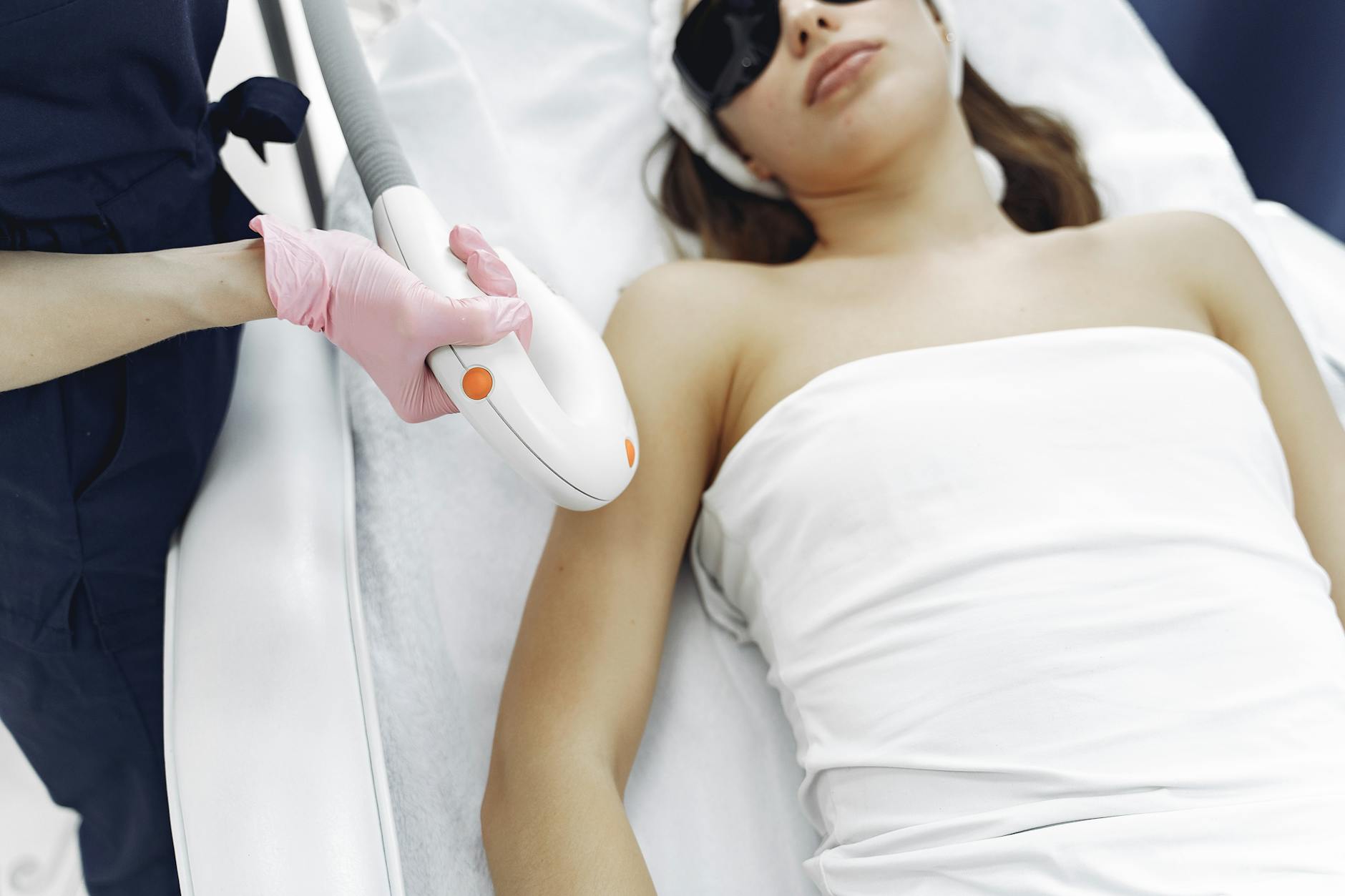
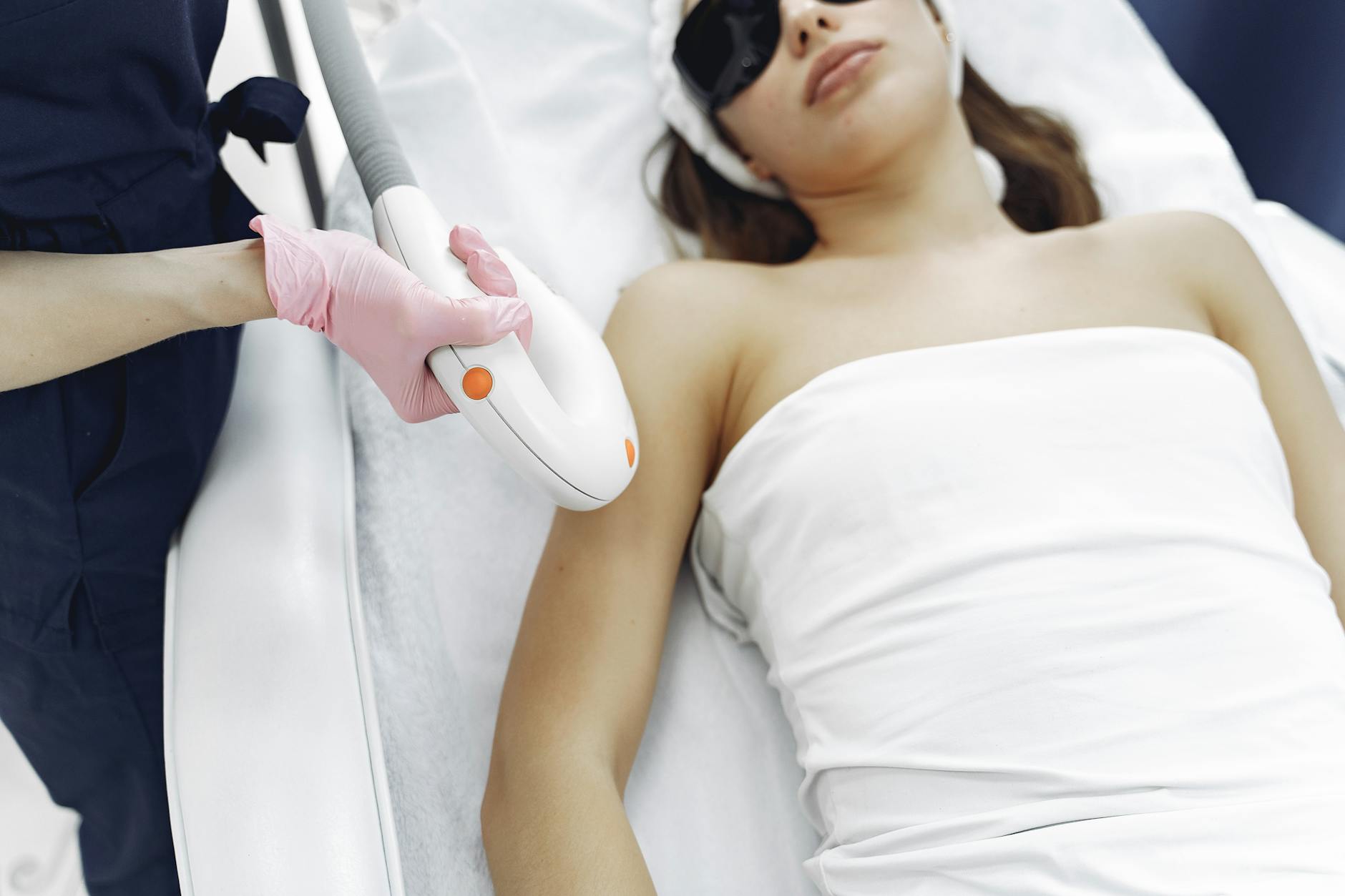
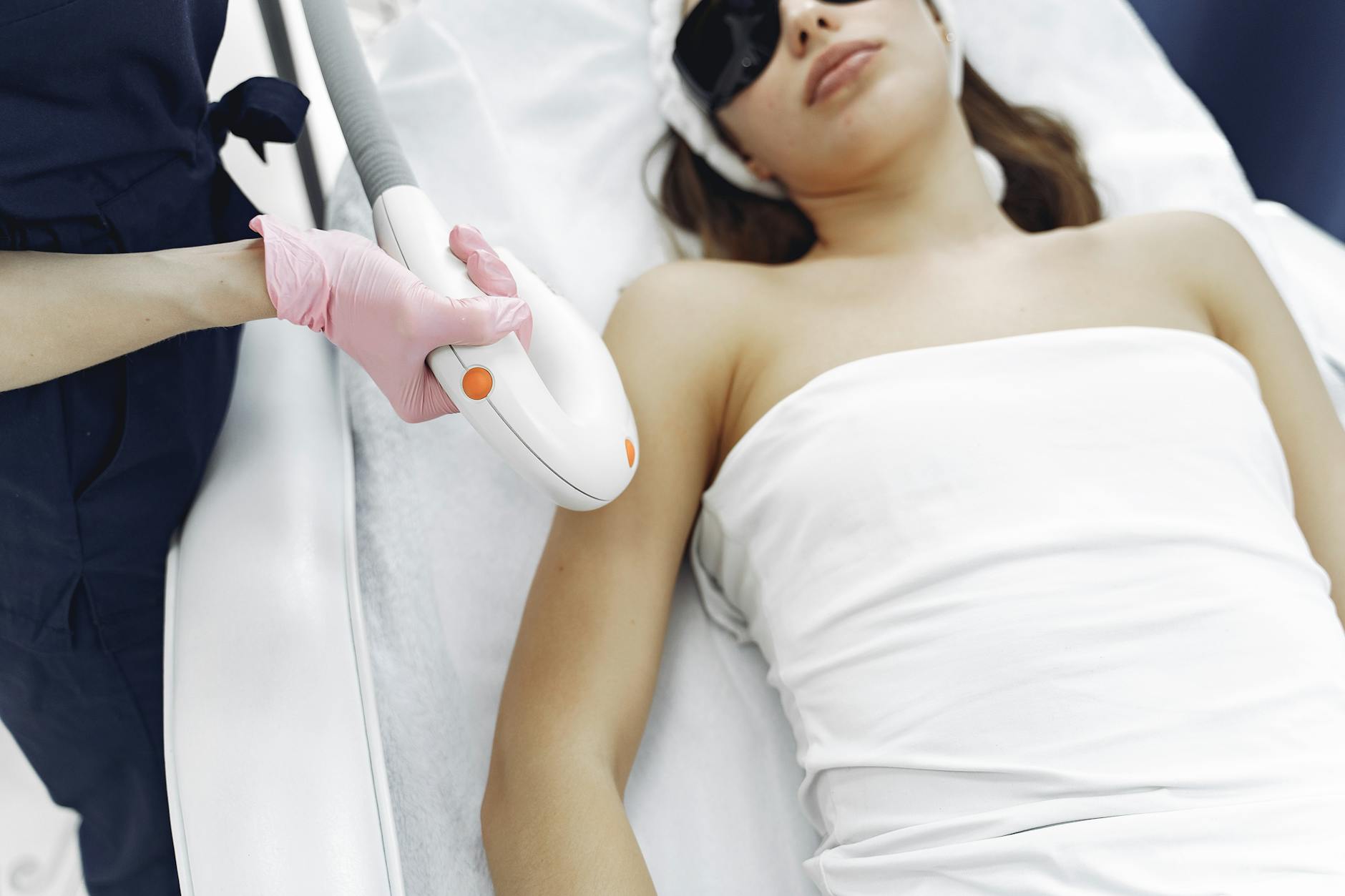
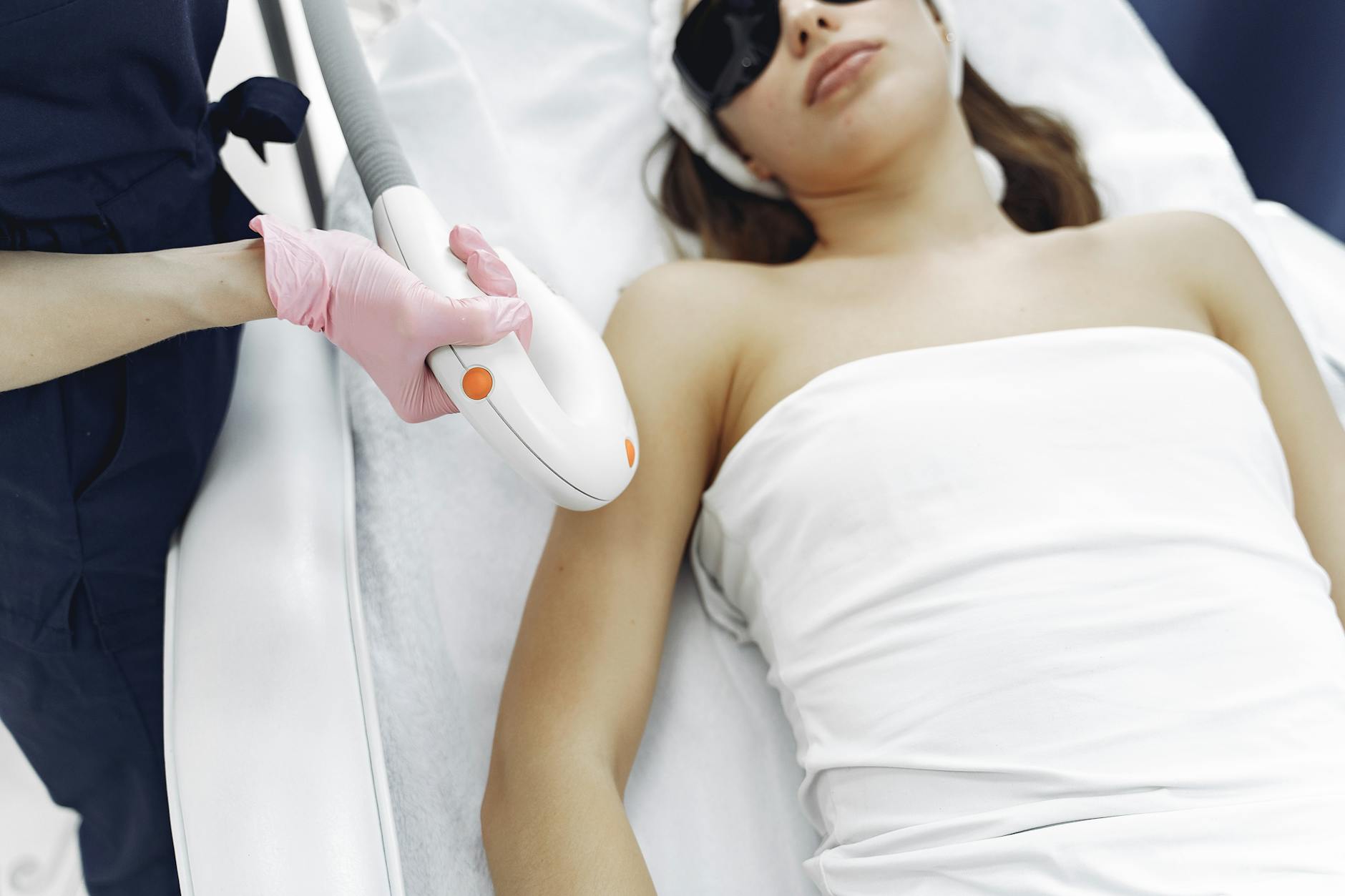
Your practitioner applies cooling gel and uses protective eyewear while delivering precise laser pulses to target hair follicles.
Apply ice packs for comfort and use broad-spectrum sunscreen daily to prevent skin discoloration.
Most patients notice significant hair reduction after 3-4 sessions, with complete results visible after 6-8 treatments. Professional laser treatments minimize scarring risks when performed correctly by trained technicians.
Patience and proper aftercare ensure safe, effective laser hair removal results without permanent skin damage.
Frequently Asked Questions
How does laser hair removal work?
Laser hair removal works by targeting melanin, the pigment in hair follicles, with concentrated light energy. The laser beam passes through your skin and gets absorbed by the dark pigment in hair roots, heating them enough to damage the follicle without harming surrounding skin tissue. This process disrupts hair growth while keeping your skin safe from permanent scarring.
What's the difference between IPL and laser hair removal?
IPL (Intense Pulsed Light) differs from true laser technology by using broad-spectrum light rather than focused laser beams. True lasers provide more precise targeting and consistent results. IPL treatments require more sessions but cost less per treatment, while lasers offer faster results with fewer appointments needed.
Which laser is best for light skin tones?
Alexandrite lasers represent the gold standard for laser hair removal on lighter skin tones. These devices emit light at 755 nanometers, a wavelength specifically designed to target melanin in hair follicles while minimizing damage to surrounding skin tissue. They excel at treating coarse, dark hair on individuals with Fitzpatrick skin types I through III.
What makes diode lasers different from other laser types?
Diode lasers operate at an 810nm wavelength and represent the most versatile hair removal technology available today. The 810nm wavelength sits perfectly between shorter alexandrite wavelengths and longer Nd:YAG options, making it suitable for light, medium, and darker skin tones. They can effectively treat coarse, thick hair while remaining gentle enough for sensitive areas like the face and bikini line.
How long does an alexandrite laser treatment take?
Treatment speed stands out as a major advantage of alexandrite lasers due to their large spot sizes that allow practitioners to cover extensive areas quickly. A full leg session that might take hours with other methods can be completed in 30-45 minutes with alexandrite technology.
Disclaimer: This content is for informational purposes only and does not constitute medical advice. Always consult a qualified healthcare provider before making health decisions.