How LED Light Therapy Treats Acne

LED light therapy targets acne through two distinct wavelengths that work at different levels of your skin. Blue light at 415 nanometers penetrates the skin's surface and kills Propionibacterium acnes bacteria, the primary culprit behind inflammatory breakouts. This specific wavelength activates compounds within the bacteria called porphyrins, which then produce toxic substances that destroy the bacteria from within.
“Blue light kills acne bacteria while red light calms inflammation, creating a dual approach that prevents scarring.”
Red light at 660 nanometers works deeper in your skin to reduce inflammation and accelerate healing. This wavelength stimulates cellular repair processes and increases blood circulation, helping existing blemishes heal faster and with less risk of permanent scarring. The anti-inflammatory effects also prevent new breakouts from becoming severely inflamed.
Unlike harsh topical treatments, LED therapy uses a non-thermal approach that won't burn or irritate your skin. The gentle light energy triggers natural biological processes without causing additional trauma to already sensitive acne-prone skin. Most patients see initial improvements within two weeks of consistent treatment, with optimal results appearing after 8-12 weeks of regular sessions.
Types of Acne That Respond to LED Treatment
LED light therapy works best for mild to moderate acne vulgaris, the most common type of acne that causes red bumps and pimples on your face, chest, and back. If you're dealing with a handful of breakouts rather than severe cystic acne covering large areas of your skin, LED therapy can significantly reduce inflammation and prevent new pimples from forming.
“LED therapy excels at treating inflammatory acne but won't magically clear stubborn blackheads overnight.”
The treatment also helps with inflammatory cystic acne by reducing the swelling and redness that makes these deep, painful bumps so noticeable. While it won't eliminate severe cystic acne entirely, many patients see meaningful improvement when combining LED therapy with other treatments.
LED therapy shows limited effectiveness against non-inflammatory acne like blackheads and whiteheads. These comedones form from clogged pores rather than bacterial inflammation, so they require different treatment approaches. For example, someone with primarily blackheads on their nose might need chemical exfoliation or extraction instead of LED sessions.
LED Light Therapy Treatment Process

Professional LED light therapy treatments follow a straightforward process that requires minimal preparation. Understanding each step helps reduce anxiety about the procedure and ensures you know what to expect during your appointment.
Your skin is thoroughly cleansed to remove makeup, oils, and bacteria that could interfere with light penetration.
Special protective eyewear is provided to shield your eyes from the bright LED lights during treatment.
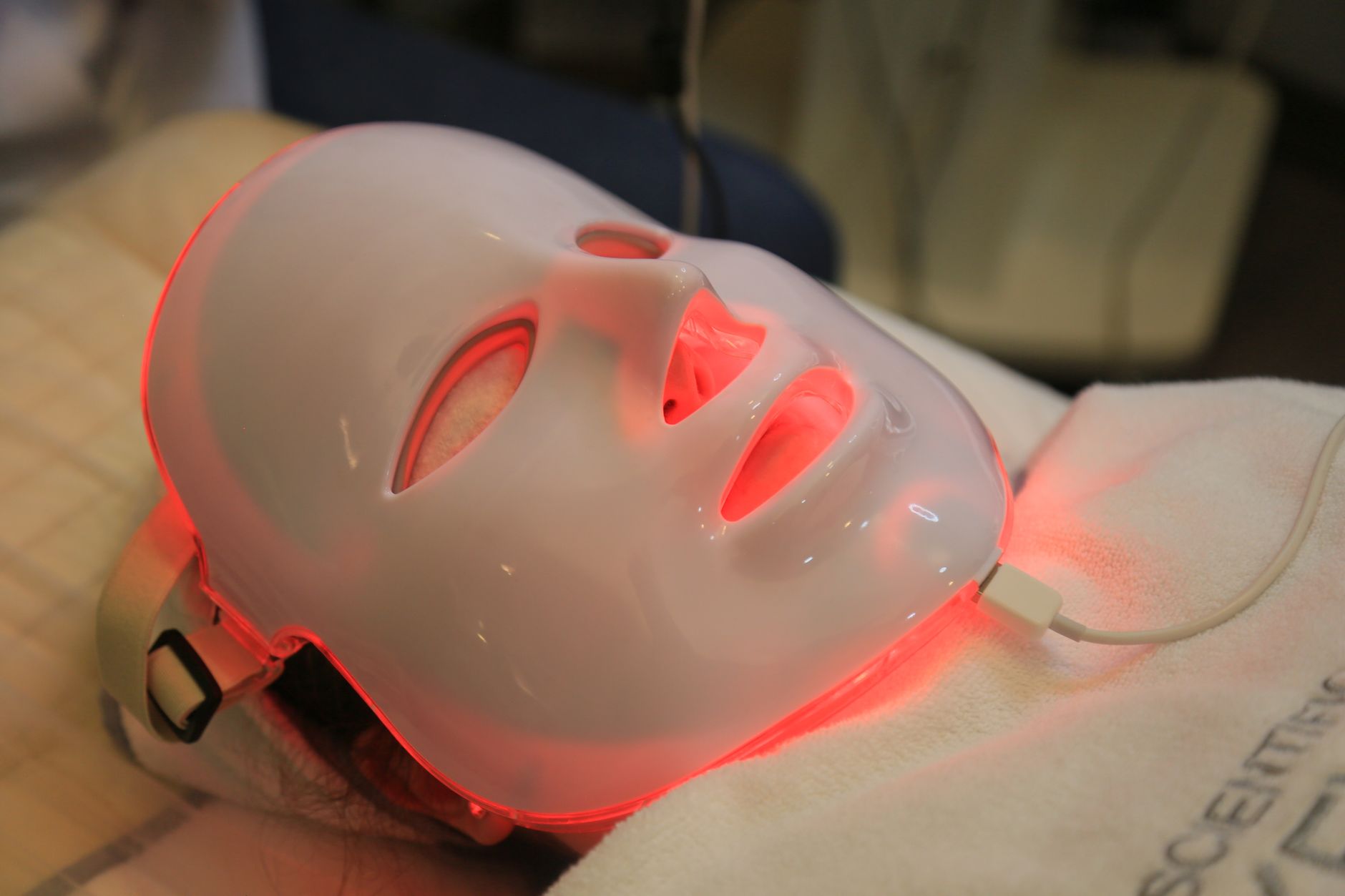
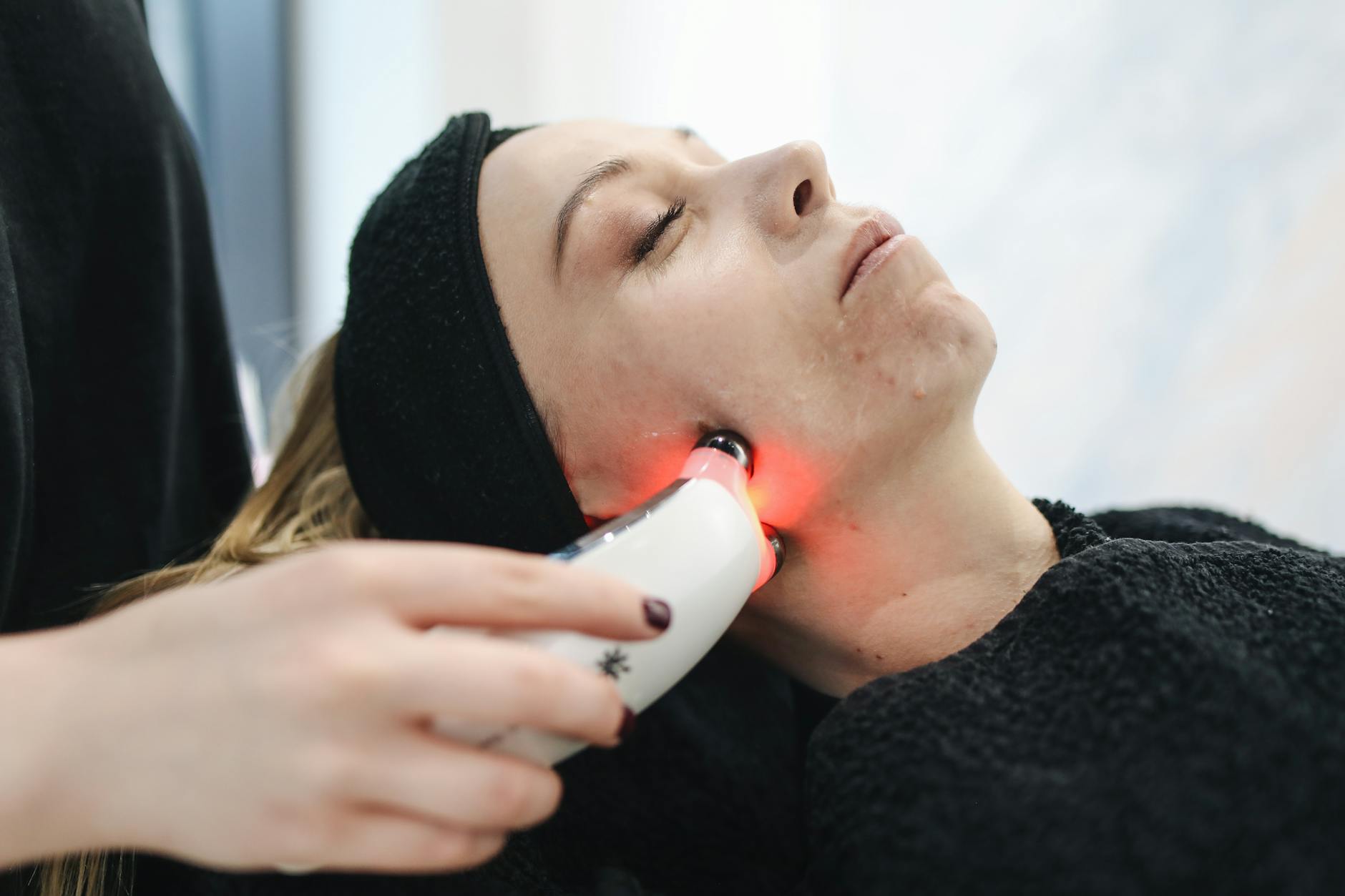
LED panels are positioned close to your skin for 15-20 minutes while you relax comfortably.
During the session, you'll feel a gentle warmth as the lights work on your acne-causing bacteria. The treatment itself is painless and many patients find it relaxing. You can listen to music or simply rest during the 15-20 minute exposure time.
One significant advantage of LED therapy is the complete absence of downtime. You can return to work, school, or normal activities immediately after treatment. Your skin won't be red, irritated, or sensitive like it might be after other acne treatments. This makes LED therapy particularly appealing for people concerned about visible signs of treatment that could draw unwanted attention.
Treatment Schedule and Timeline
LED light therapy requires patience and consistency to deliver meaningful results. Most dermatologists recommend starting with 2-3 sessions per week for the first 4-6 weeks. Each session typically lasts 15-20 minutes, making it easy to fit into your schedule.
You'll likely notice initial improvements within 2-4 weeks, including reduced inflammation and fewer new breakouts forming. This early progress helps prevent the deep, painful acne that can lead to permanent scarring when left untreated.
Full results typically emerge after 8-12 weeks of consistent treatment. Your skin will appear clearer, with less redness and fewer active lesions. Many patients then transition to maintenance sessions once or twice weekly to prevent future breakouts and maintain their progress long-term.
Combining LED with Other Acne Treatments
LED light therapy works exceptionally well when combined with other acne treatments, creating synergistic effects that can accelerate your journey to clear skin. This combination approach addresses acne from multiple angles while minimizing the risk of permanent scarring that concerns many patients.
Topical retinoids pair particularly well with LED therapy. The retinoids help unclog pores and increase skin cell turnover, while the LED light reduces inflammation and kills acne bacteria. You can safely use both treatments on the same day, typically applying retinoids in the evening and using LED therapy in the morning.
Chemical Peels, which are acid treatments that remove damaged skin layers to improve texture and appearance through controlled chemical exfoliation, can be followed by LED therapy once your skin has healed. This combination helps prevent future breakouts while improving overall skin texture.
Most oral acne medications, including antibiotics and hormonal treatments, are compatible with LED therapy. Always inform your dermatologist about all treatments you're using to ensure the safest, most effective combination for your specific skin needs.
Expected Results and Success Rates

LED light therapy shows promising results for acne treatment, with clinical studies demonstrating that 60-80% of patients experience noticeable improvement in their skin condition. However, results vary based on acne severity and individual skin response.
The treatment works best for mild to moderate inflammatory acne, including papules and pustules. People with severe cystic acne typically need additional treatments for optimal results. For example, teenagers with hormonal breakouts often see significant clearing within 6-8 weeks of consistent sessions.
Most patients require maintenance sessions every 2-4 weeks after initial improvement to prevent new breakouts. This ongoing approach helps maintain clear skin and reduces the risk of permanent scarring that causes social embarrassment.
Next Steps: Getting Started with LED Light Therapy
Starting LED light therapy begins with consulting a board-certified dermatologist who can evaluate your specific acne type and skin condition. Your doctor will determine if you're a good candidate and recommend the best treatment approach for your needs.
Book an appointment with a dermatologist to assess your acne severity and treatment options.
Arrive with clean, makeup-free skin and a list of current skincare products you're using.
Expect to see initial improvements after 4-6 weeks of consistent treatments twice weekly.
Professional treatment prevents the scarring you're worried about while delivering better results than at-home devices. Most patients start seeing clearer skin within a month of beginning their LED therapy routine.
Professional dermatologist consultation ensures you receive the most effective LED treatment plan for lasting acne improvement.
Frequently Asked Questions
How does LED light therapy work for acne?
LED light therapy uses two specific wavelengths to target acne at different levels of the skin. Blue light at 415 nanometers kills Propionibacterium acnes bacteria by activating compounds called porphyrins that destroy the bacteria from within. Red light at 660 nanometers works deeper to reduce inflammation and accelerate healing by stimulating cellular repair processes and increasing blood circulation.
What types of acne does LED therapy treat best?
LED light therapy works most effectively for mild to moderate acne vulgaris and inflammatory cystic acne. It excels at reducing inflammation and preventing new pimples from forming in cases where you have a handful of breakouts rather than severe cystic acne covering large areas. However, it shows limited effectiveness against non-inflammatory acne like blackheads and whiteheads since these form from clogged pores rather than bacterial inflammation.
How long does it take to see results from LED acne treatment?
Most patients see initial improvements within two weeks of consistent LED light therapy treatment. Optimal results typically appear after 8-12 weeks of regular sessions. The treatment uses a gentle, non-thermal approach that won't burn or irritate sensitive acne-prone skin while triggering natural biological processes.
What happens during an LED light therapy session?
The treatment process involves three main steps: thorough skin cleansing to remove makeup and oils, wearing protective eyewear to shield your eyes from bright lights, and 15-20 minutes of light exposure while you relax comfortably. During the session, you'll feel gentle warmth as the LED panels work on acne-causing bacteria, and the treatment is painless with many patients finding it relaxing.
Disclaimer: This content is for informational purposes only and does not constitute medical advice. Always consult a qualified healthcare provider before making health decisions.