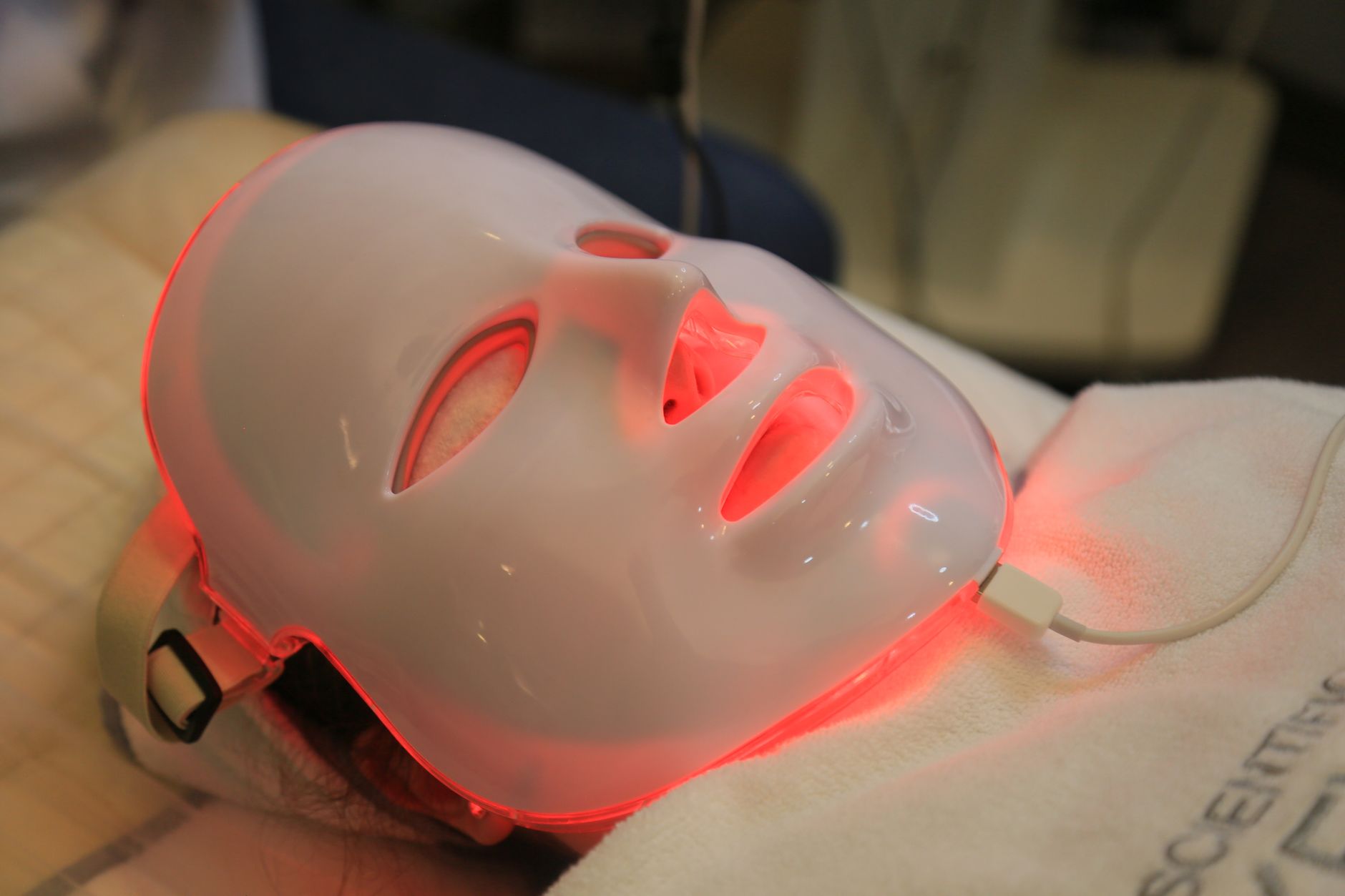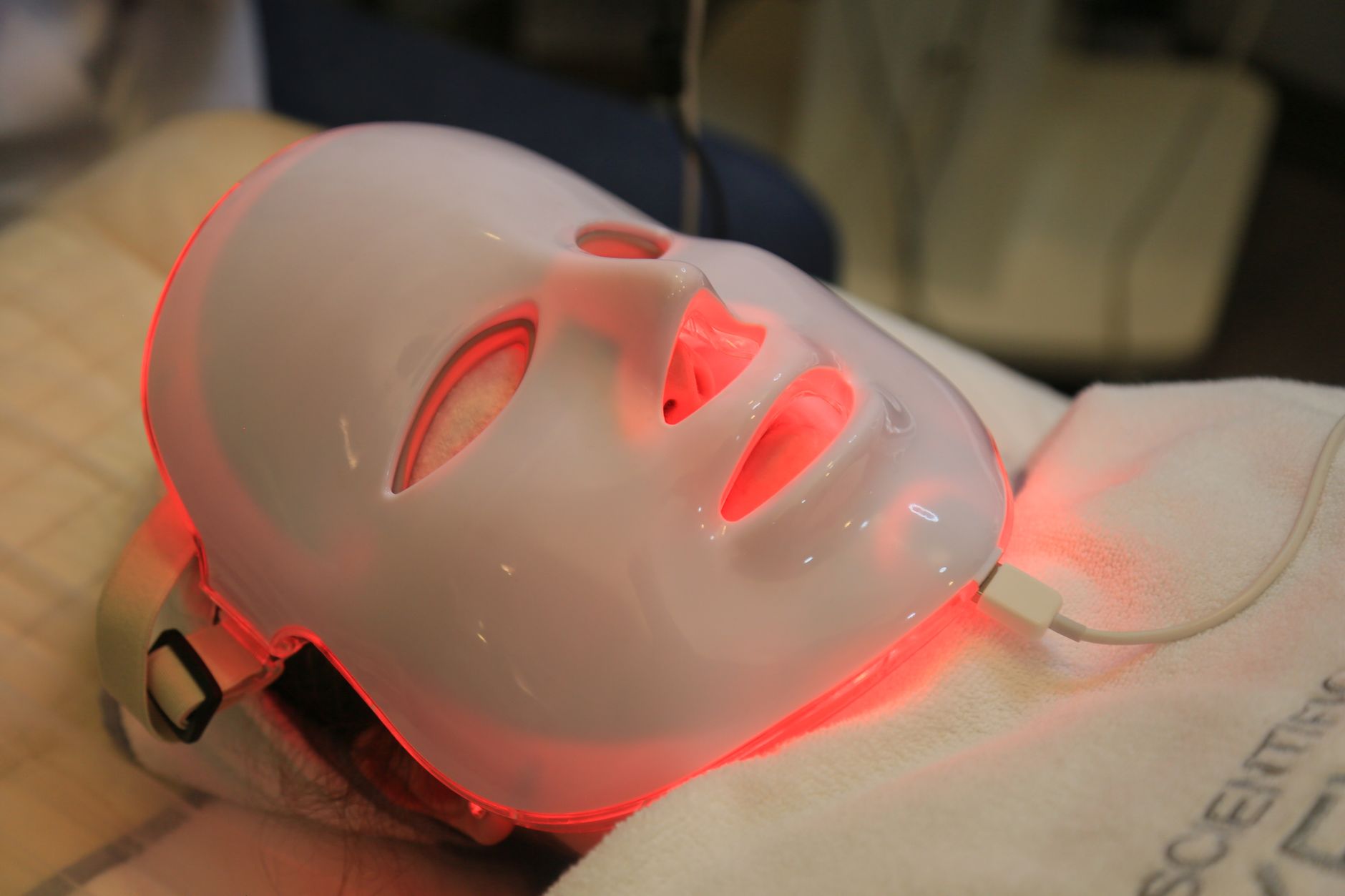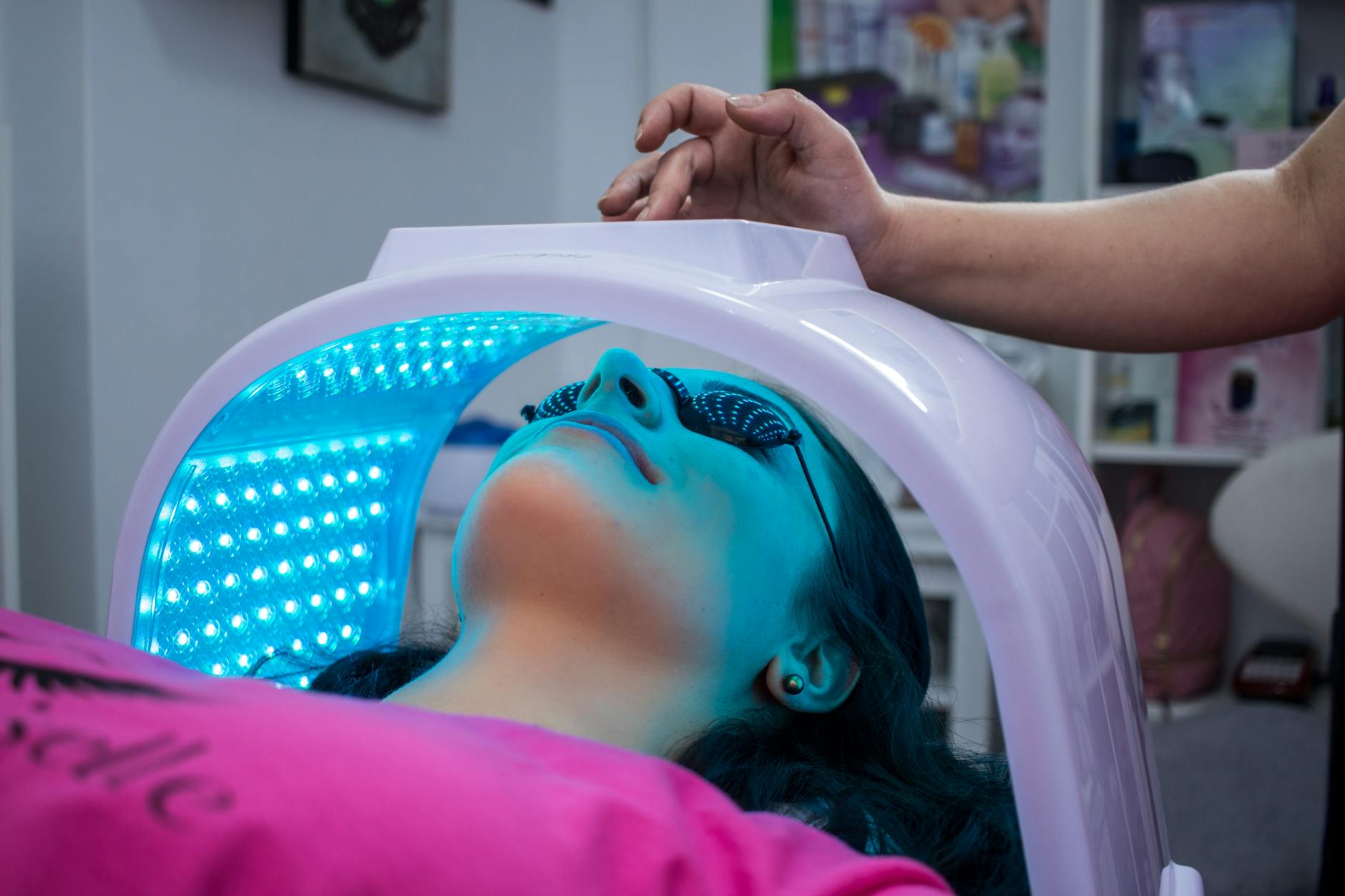
Why Preparation and Aftercare Matter for LED Light Therapy

Proper preparation and aftercare protocols directly impact your LED light therapy results. When you skip these steps, you risk reducing treatment effectiveness by up to 40% and may experience unnecessary side effects like irritation or temporary darkening of treated areas.
“The difference between good and exceptional LED therapy results lies in what you do before and after each session.”
Clean, properly prepared skin allows LED wavelengths to penetrate deeper into your tissue. Oil, makeup, or dead skin cells create barriers that block therapeutic light from reaching target cells. This means your acne-fighting or anti-aging benefits become significantly weaker.
Following aftercare guidelines prevents common complications that could temporarily worsen your skin appearance. Your skin becomes more sensitive immediately after treatment, making it vulnerable to irritation from harsh products or sun exposure. Understanding these risks helps you avoid setbacks that could delay your clear skin goals and maintain steady progress toward healthier skin.
Pre-Treatment Preparation: What to Do Before Your Session

Proper preparation significantly impacts your LED light therapy results and reduces the risk of adverse reactions. Following these steps helps ensure your skin responds optimally to treatment while minimizing potential complications that could delay your progress toward clearer skin.
Remove all makeup, sunscreen, and skincare products using a gentle cleanser 30 minutes before treatment.
Inform your provider about all medications, especially photosensitizing drugs like antibiotics or acne treatments.
Discontinue retinoids, alpha hydroxy acids, and vitamin C serums 48-72 hours before treatment.
Schedule LED therapy at least two weeks after Chemical Peels or other aggressive procedures.
Chemical Peels, which use acid treatments to remove damaged skin layers through controlled chemical exfoliation, require special timing considerations. Your skin needs adequate recovery time before LED exposure to prevent irritation or unpredictable reactions.
"Clean skin absorbs light energy more effectively, leading to better treatment outcomes and faster results."
Skip waxing, dermaplaning, or laser treatments for one week prior to LED therapy. These procedures can increase skin sensitivity and potentially cause unwanted reactions when combined with light exposure. Your provider will assess your skin condition and medication history during consultation to create a personalized preparation timeline that maximizes safety and effectiveness.
What to Avoid Before LED Light Therapy
Proper preparation means knowing what to skip before your LED session. Certain activities and products can increase skin sensitivity and reduce treatment effectiveness.
Avoid sun exposure for 24-48 hours before treatment. Sunburned or tanned skin absorbs light differently, which can lead to uneven results or increased irritation. If you must go outside, use broad-spectrum SPF 30+ sunscreen and protective clothing.
Skip harsh skincare ingredients for 3-7 days prior. Retinoids, alpha hydroxy acids, beta hydroxy acids, and benzoyl peroxide can make your skin photosensitive. This temporary avoidance prevents excessive dryness and reduces the risk of unwanted reactions that might cause temporary redness or peeling.
Postpone other facial treatments. Chemical Peels should be scheduled at least two weeks before or after LED therapy. These acid treatments that remove damaged skin layers through controlled chemical exfoliation can leave skin too sensitive for light exposure. Similarly, avoid microdermabrasion, laser treatments, and professional extractions during this window.
Inform your provider about medical conditions and medications. Certain antibiotics, acne medications, and autoimmune conditions can increase light sensitivity. Blood thinners may affect healing response. Your dermatologist needs this information to ensure safe treatment timing and avoid complications that could delay your journey to clearer skin.
Immediate Post-Treatment Care (First 24-48 Hours)
Your skin will likely appear slightly pink or warm immediately after LED light therapy, similar to a mild sunburn. This reaction is completely normal and typically subsides within 2-4 hours. Some patients experience no visible changes at all, which is equally normal.
Use a mild, fragrance-free cleanser and lukewarm water for the first 48 hours.
Choose a basic, hypoallergenic moisturizer without active ingredients like retinol or acids.
Apply SPF 30 or higher sunscreen every two hours if going outdoors.
Avoid makeup for at least 4-6 hours after treatment to let your pores breathe. When you do apply cosmetics, stick to mineral-based products that won't clog pores or irritate sensitive skin.
Skip intense workouts for 24 hours since excessive sweating can irritate freshly treated skin. Light activities like walking are perfectly fine. Your skin won't be damaged permanently from this treatment, so there's no need to worry about lasting marks or scars.
For example, if you had treatment on Monday morning, you could return to your regular skincare routine by Wednesday evening, but continue using SPF diligently.
Long-Term Aftercare for Optimal Results

Your skin's transformation continues long after your LED treatment ends. Establishing a consistent routine prevents future breakouts and maintains your results without risking permanent scarring.
Use mild cleansers and avoid harsh scrubs that could irritate healing skin.
Apply fragrance-free moisturizer twice daily to support your skin barrier.
Wear SPF 30 or higher every day to protect newly treated skin.
Schedule follow-up treatments every 2-4 weeks initially, then monthly for maintenance. Most patients see optimal results after 6-8 sessions spread over 3-4 months.
Watch for warning signs like increased redness lasting more than 48 hours, unusual swelling, or new breakouts in treated areas. These symptoms warrant immediate contact with your provider.
Your dermatologist may recommend introducing active ingredients like retinol or vitamin C after your skin fully heals, typically 1-2 weeks post-treatment. This gradual approach prevents irritation while maximizing your long-term skin health goals.
Common Mistakes to Avoid
Skipping proper skin preparation ruins LED results. Many patients apply makeup or use retinoids before treatment, blocking light penetration. Avoid this by cleansing thoroughly and stopping actives 24 hours prior.
Aftercare errors create complications instead of healing. Using harsh scrubs immediately post-treatment can damage sensitive skin and increase scarring risk. Skip aggressive products for 48 hours and stick to gentle cleansers.
Expecting overnight results leads to disappointment and treatment abandonment. LED therapy requires 4-6 weeks for visible improvements. Sarah stopped after two weeks thinking it wasn't working, missing her breakthrough moment.
Follow preparation and aftercare instructions precisely while maintaining realistic timeline expectations for optimal LED therapy results.
Frequently Asked Questions
Why is preparation important for LED light therapy?
Proper preparation and aftercare protocols directly impact your LED light therapy results. When you skip these steps, you risk reducing treatment effectiveness by up to 40% and may experience unnecessary side effects like irritation or temporary darkening of treated areas. Clean, properly prepared skin allows LED wavelengths to penetrate deeper into your tissue, while oil, makeup, or dead skin cells create barriers that block therapeutic light from reaching target cells.
How should I clean my skin before LED light therapy?
You should remove all makeup, sunscreen, and skincare products using a gentle cleanser 30 minutes before treatment. Clean skin absorbs light energy more effectively, leading to better treatment outcomes and faster results. This thorough cleaning ensures that LED wavelengths can penetrate deeper into your tissue without barriers.
What skincare products should I avoid before LED therapy?
You should discontinue retinoids, alpha hydroxy acids, and vitamin C serums 48-72 hours before treatment. Additionally, skip harsh skincare ingredients for 3-7 days prior to your session. These products can increase skin sensitivity and potentially cause unwanted reactions when combined with light exposure.
How long should I wait after other treatments before LED therapy?
You should schedule LED therapy at least two weeks after Chemical Peels or other aggressive procedures. Skip waxing, dermaplaning, or laser treatments for one week prior to LED therapy. Your skin needs adequate recovery time before LED exposure to prevent irritation or unpredictable reactions.
Should I avoid sun exposure before LED light therapy?
Yes, you should avoid sun exposure for 24-48 hours before treatment. Sunburned or tanned skin absorbs light differently, which can lead to uneven results or increased irritation. If you must go outside, use broad-spectrum SPF 30+ sunscreen and protective clothing.
Disclaimer: This content is for informational purposes only and does not constitute medical advice. Always consult a qualified healthcare provider before making health decisions.