How Does LED Light Therapy Work?

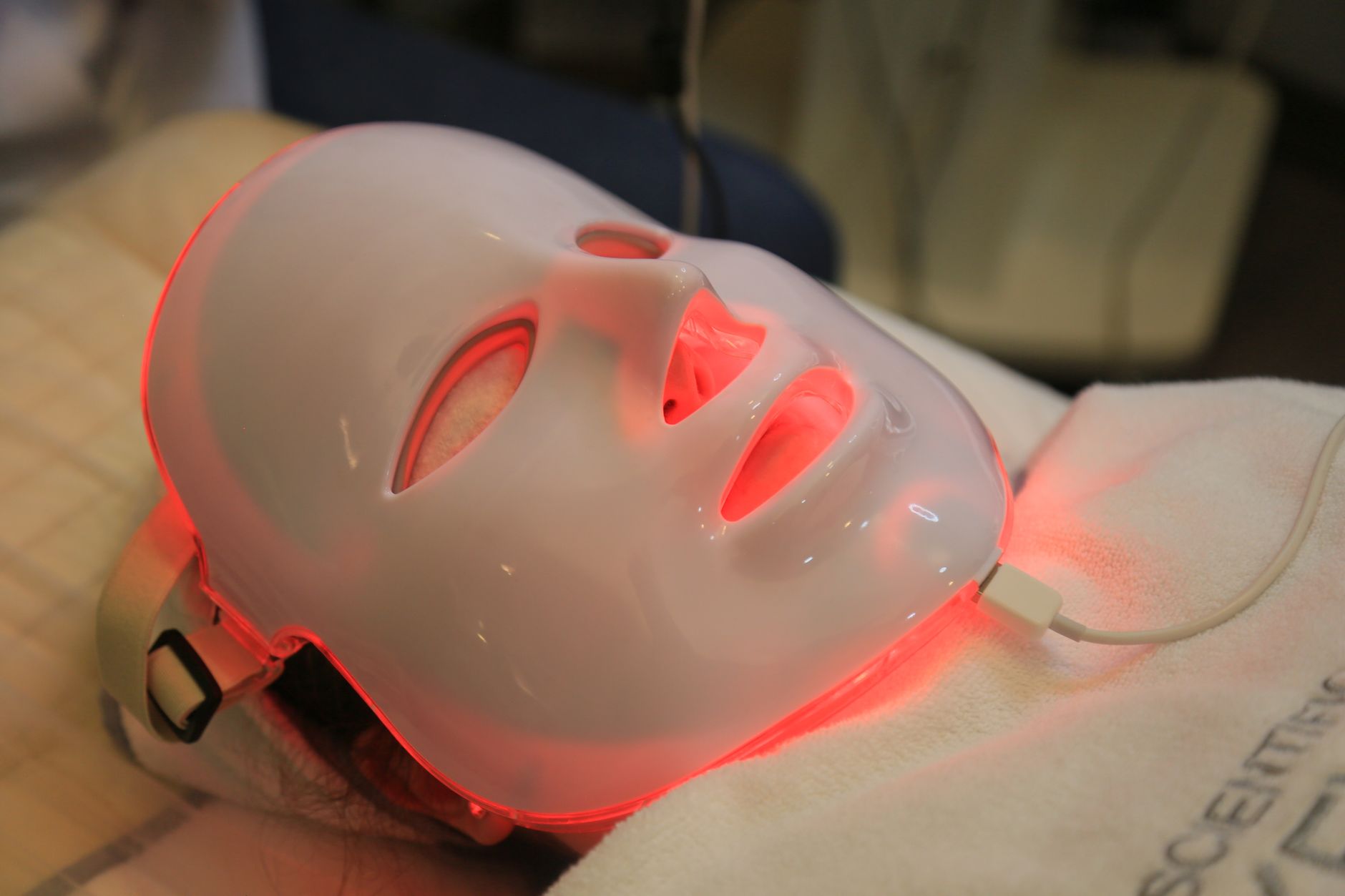
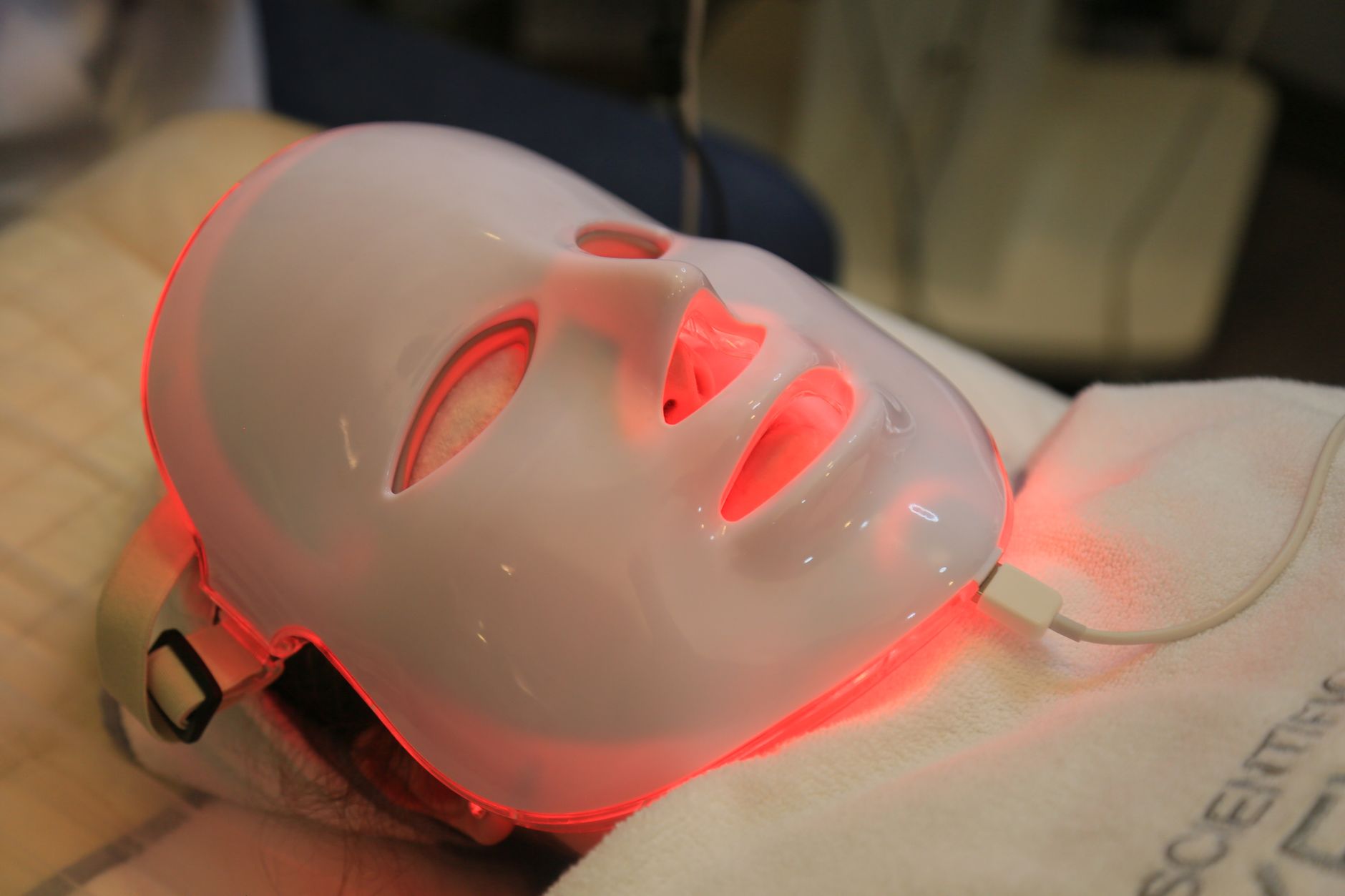
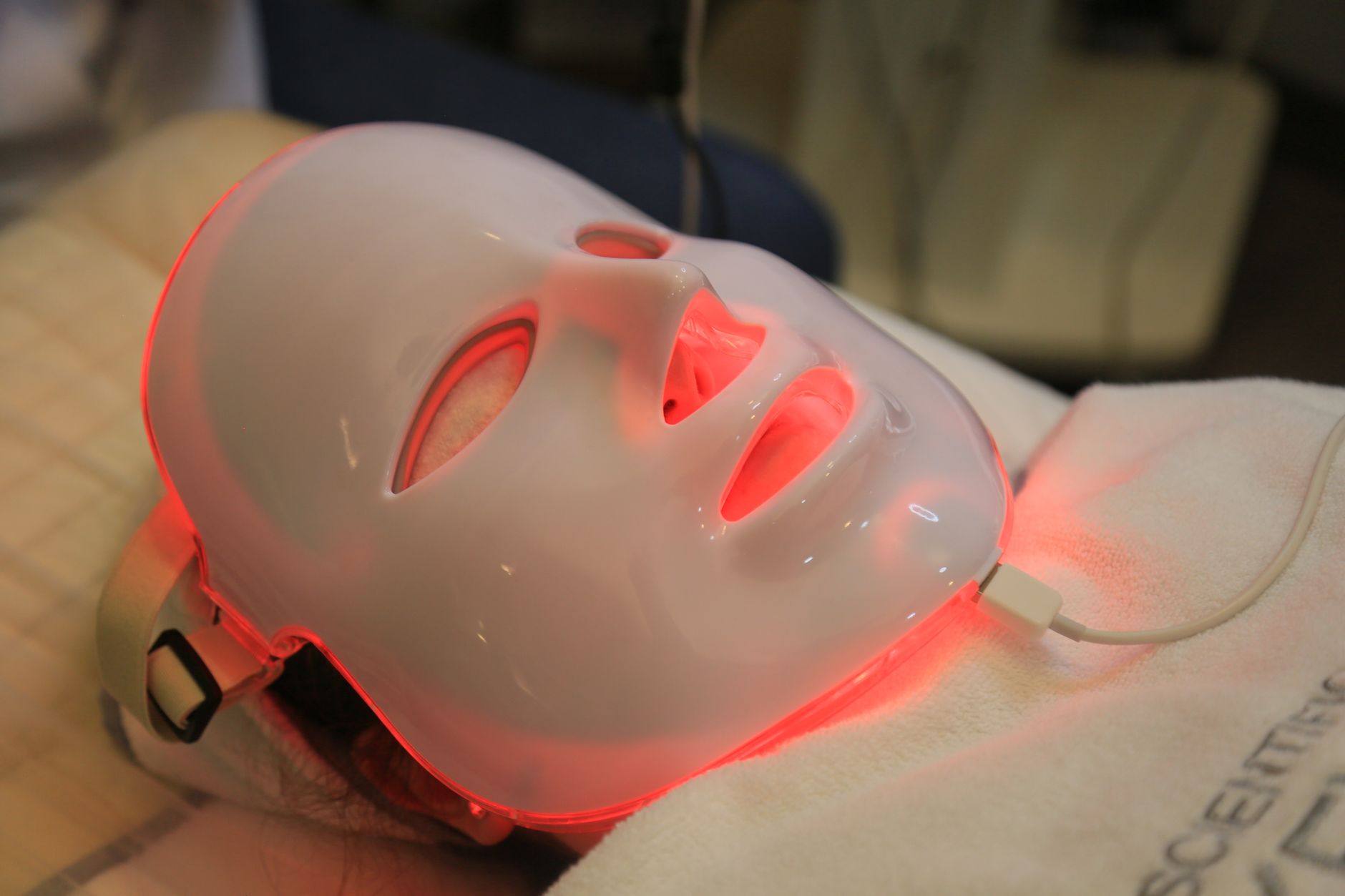
LED light therapy uses specific wavelengths of light to trigger natural healing processes in your skin cells. Think of it like giving your skin a gentle energy boost that helps it repair and renew itself more effectively.
Different colored lights penetrate your skin at various depths to target specific concerns. Red light, typically around 660-700 nanometers, reaches deeper layers where it stimulates collagen production and reduces inflammation. This process helps minimize existing acne scars and prevents new ones from forming, addressing concerns about permanent scarring.
“LED therapy works by delivering concentrated light energy directly to skin cells, activating natural repair mechanisms without any invasive procedures.”
Blue light, around 415 nanometers, stays closer to the surface where acne-causing bacteria live. The light creates an environment that destroys these harmful bacteria, helping clear existing breakouts and prevent new ones from developing.
The treatment feels completely painless—most patients describe it as relaxing, like sitting under warm sunlight. There's no downtime, burning, or discomfort, making it an appealing option for people nervous about more aggressive treatments. Sessions typically last 10-20 minutes, and you can return to normal activities immediately afterward.
What Skin Conditions Can LED Light Therapy Treat?
LED light therapy effectively treats multiple skin conditions that often cause permanent scarring and social embarrassment. Red light penetrates deeper to stimulate collagen production, while blue light targets acne-causing bacteria near the surface.
“LED therapy addresses both active breakouts and the lasting damage they leave behind.”
Acne and acne scarring respond particularly well to LED treatment. Blue light kills P. acnes bacteria that cause breakouts, while red light reduces inflammation and promotes healing to minimize scarring risk.
Fine lines and wrinkles improve as red light stimulates your skin's natural collagen production. This same process helps fade sun damage and age spots by encouraging cellular turnover.
Rosacea patients see reduced redness and inflammation from gentle red light exposure. The anti-inflammatory effects calm irritated skin without harsh side effects.
Overall skin texture improvement occurs gradually as LED therapy promotes healthy cell regeneration. For example, patients often notice smoother, more even-toned skin after 4-6 weeks of consistent treatment sessions.
How Often Should I Get LED Light Therapy Treatments?

LED light therapy requires consistent sessions to see meaningful results. Most dermatologists recommend starting with a series of 6-12 treatments scheduled 1-2 times per week. This frequency allows your skin cells enough time to respond to each session while maintaining steady progress.
The treatment schedule varies based on your specific skin concerns. Acne-prone patients typically see improvements after 2-3 weeks of regular sessions, while anti-aging benefits may take 4-6 weeks to become noticeable. This gradual improvement helps prevent any sudden skin reactions that could lead to temporary marks or discoloration.
After completing your initial series, maintenance treatments every 4-6 weeks help preserve your results. Many patients find this schedule fits easily into their routine while keeping their skin clear and healthy. Your dermatologist can adjust the frequency based on how your skin responds to treatment.
When Will I See Results from LED Light Therapy?
Most patients notice initial improvements in their skin after 3-4 LED light therapy sessions. Your skin texture may appear smoother and inflammation typically begins to reduce during this early phase.
Optimal results emerge after completing a full treatment series, which usually consists of 8-12 sessions. At this point, you'll see the most dramatic improvements in acne clearance, skin tone, and overall complexion quality.
Your skin continues improving for several weeks after completing treatments as cellular regeneration processes continue working. Individual results vary based on your specific skin condition, age, and treatment consistency.
Remember that LED therapy prevents future breakouts while treating existing concerns, helping address the worry about ongoing skin problems that cause social discomfort.
Is LED Light Therapy Safe for All Skin Types?
LED light therapy is remarkably safe across all skin tones and types. Unlike laser treatments or chemical peels that can cause hyperpigmentation in darker skin, LED therapy poses no risk of permanent scarring or discoloration.
The treatment produces minimal side effects compared to other acne therapies. Most people experience no discomfort during sessions, and there's zero downtime required afterward. You can return to work or social activities immediately without visible signs of treatment.
However, certain contraindications exist. Pregnant women should avoid LED therapy as a precaution, though no specific risks have been documented. People taking photosensitizing medications like tetracycline antibiotics or retinoids may experience increased light sensitivity.
Those with active skin cancer in the treatment area should consult their dermatologist first. Eye protection is essential during facial treatments to prevent potential retinal damage from bright lights.
Can I Combine LED Light Therapy with Other Treatments?

LED light therapy works exceptionally well alongside other dermatology treatments, often enhancing their effectiveness. The gentle nature of LED therapy makes it compatible with most skin treatments when properly scheduled.
Chemical Peels pair particularly well with LED therapy. These acid treatments remove damaged skin layers through controlled chemical exfoliation, improving acne scars, fine lines, and uneven skin tone. When combined with LED therapy, patients often see faster healing and better results. The LED treatment can be performed before chemical peels to prepare the skin or afterward to accelerate recovery.
You can safely use LED therapy with topical treatments like retinoids, vitamin C serums, and prescription acne medications. The light therapy actually helps these products penetrate deeper into your skin, making them more effective.
Timing matters significantly when combining treatments. Schedule LED sessions at least 24-48 hours apart from more aggressive treatments to avoid irritation. Your dermatologist should coordinate all treatments to prevent any complications that could worsen scarring or delay healing. Professional guidance ensures you achieve clear skin safely without setbacks.
What Should I Expect During and After Treatment?
LED light therapy provides a comfortable, spa-like experience that's completely painless. You'll recline in a treatment chair while LED panels position above your skin. Your provider gives you protective eyewear to shield your eyes from the bright lights. Many patients find the session relaxing and use the time to unwind.
During treatment, you'll feel only gentle warmth from the lights. There's no burning, stinging, or discomfort—unlike some other skin treatments that can cause irritation or scarring. Sessions typically last 10-20 minutes, making them easy to fit into your schedule.
You can return to your normal activities immediately after treatment. Your skin might appear slightly pink for an hour, but this fades quickly. Continue your regular skincare routine, though you should use sunscreen since your skin may be more light-sensitive for 24 hours.
LED light therapy is painless with no downtime, allowing you to resume normal activities immediately while your skin begins its natural healing process.
Frequently Asked Questions
How does LED light therapy work for skin?
LED light therapy uses specific wavelengths of light to trigger natural healing processes in your skin cells, giving your skin a gentle energy boost that helps it repair and renew itself more effectively. Red light penetrates deeper layers to stimulate collagen production and reduce inflammation, while blue light stays closer to the surface to destroy acne-causing bacteria. The treatment feels completely painless and relaxing, with no downtime or discomfort required.
What skin conditions can LED light therapy treat?
LED light therapy effectively treats acne, acne scarring, fine lines, wrinkles, sun damage, age spots, and rosacea. Blue light kills P. acnes bacteria that cause breakouts, while red light reduces inflammation and promotes healing to minimize scarring risk. The treatment also stimulates collagen production to improve overall skin texture and tone.
How often should I get LED light therapy treatments?
Most dermatologists recommend starting with 6-12 treatments scheduled 1-2 times per week to see meaningful results. Acne-prone patients typically see improvements after 2-3 weeks of regular sessions, while anti-aging benefits may take 4-6 weeks to become noticeable. After completing your initial series, maintenance treatments every 4-6 weeks help preserve your results.
Is LED light therapy painful?
LED light therapy feels completely painless and most patients describe it as relaxing, like sitting under warm sunlight. There's no downtime, burning, or discomfort during the treatment. Sessions typically last 10-20 minutes and you can return to normal activities immediately afterward.
Disclaimer: This content is for informational purposes only and does not constitute medical advice. Always consult a qualified healthcare provider before making health decisions.