How LED Light Therapy Works for Rosacea

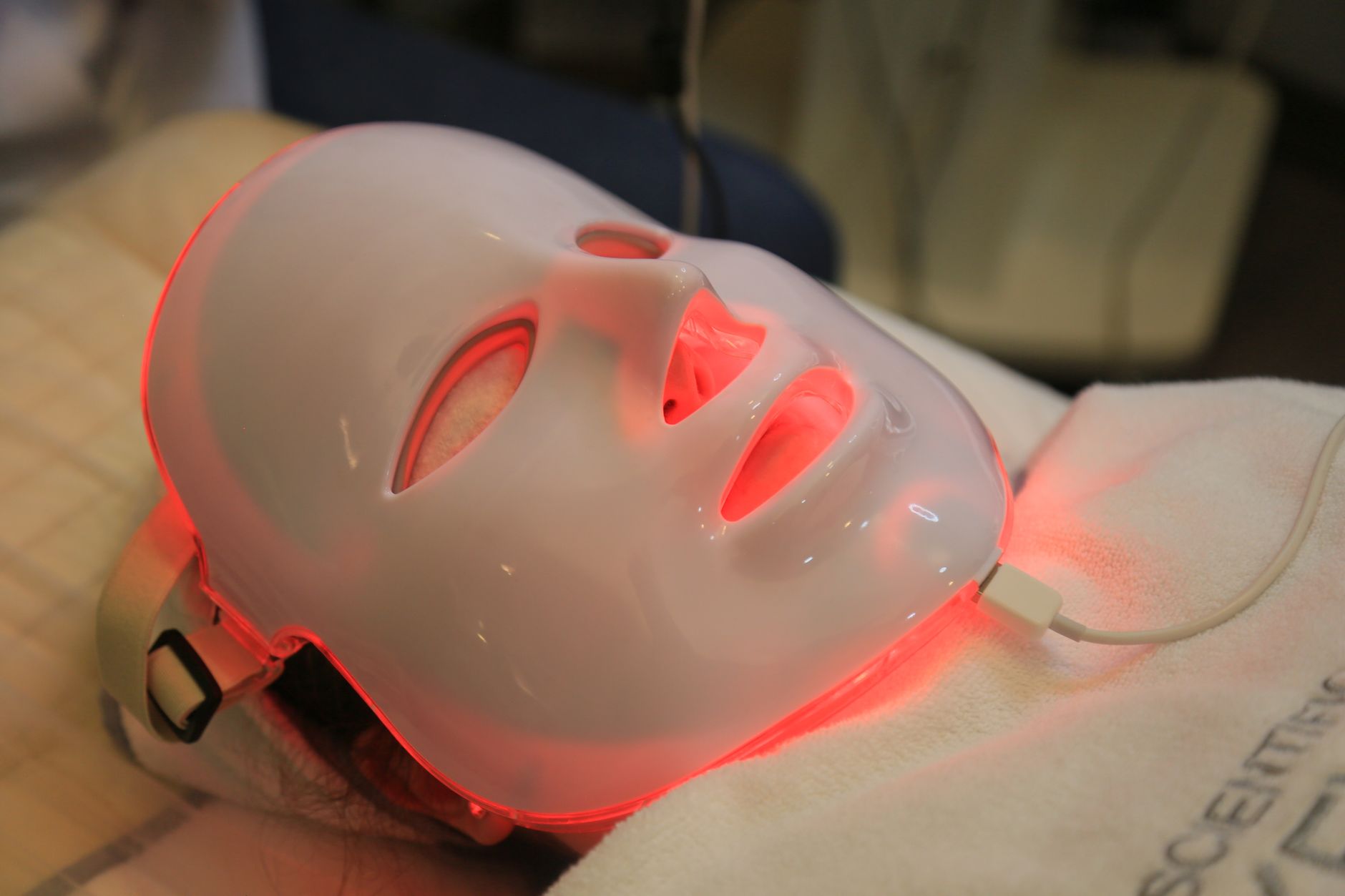
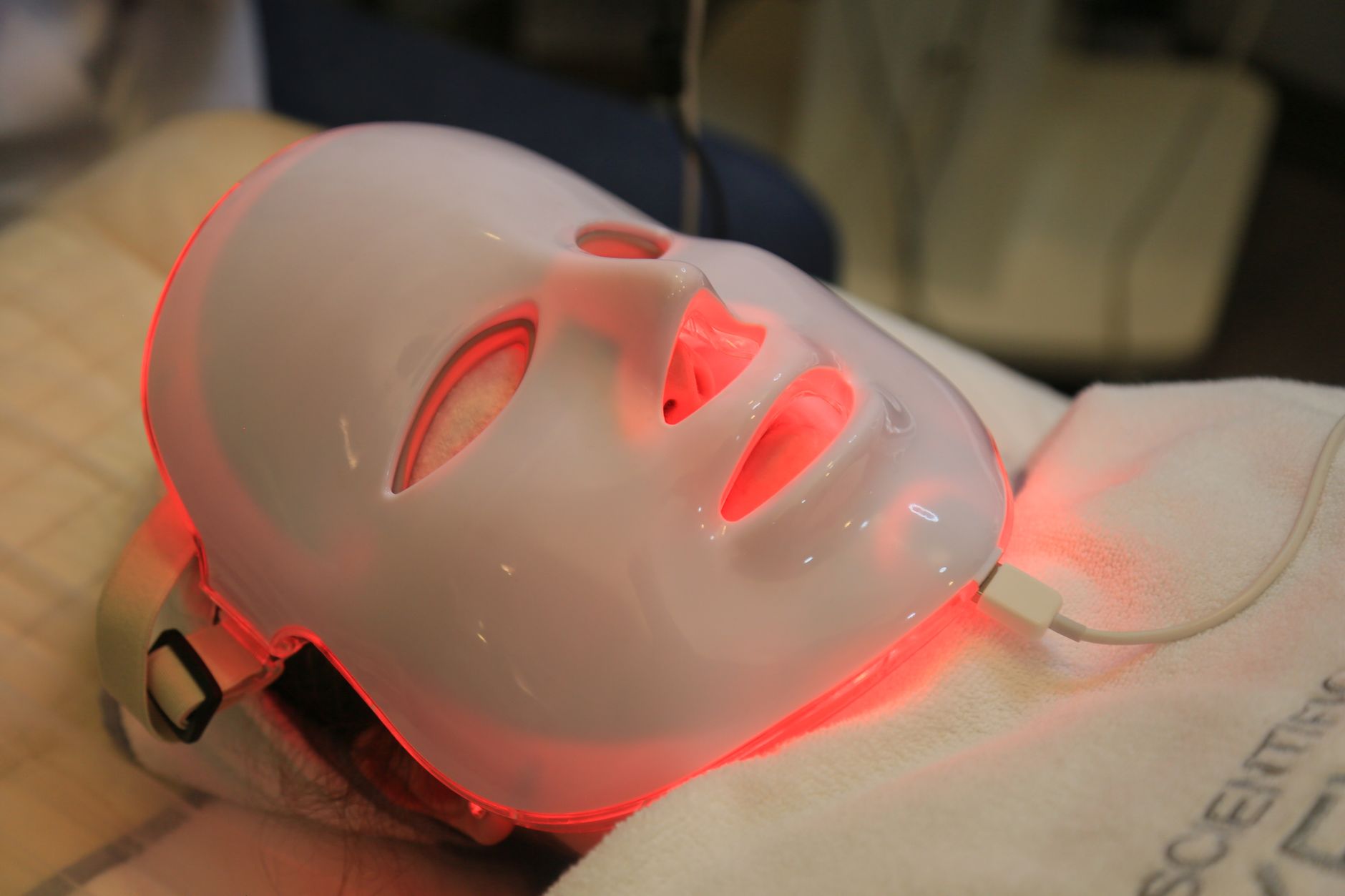
LED light therapy uses specific wavelengths of red and near-infrared light to target the underlying inflammation that causes rosacea symptoms. These therapeutic wavelengths, typically between 630-850 nanometers, penetrate deep into your skin without generating heat or causing irritation that could worsen your condition.
"LED therapy works by calming overactive blood vessels and reducing the inflammatory response that triggers rosacea flares."
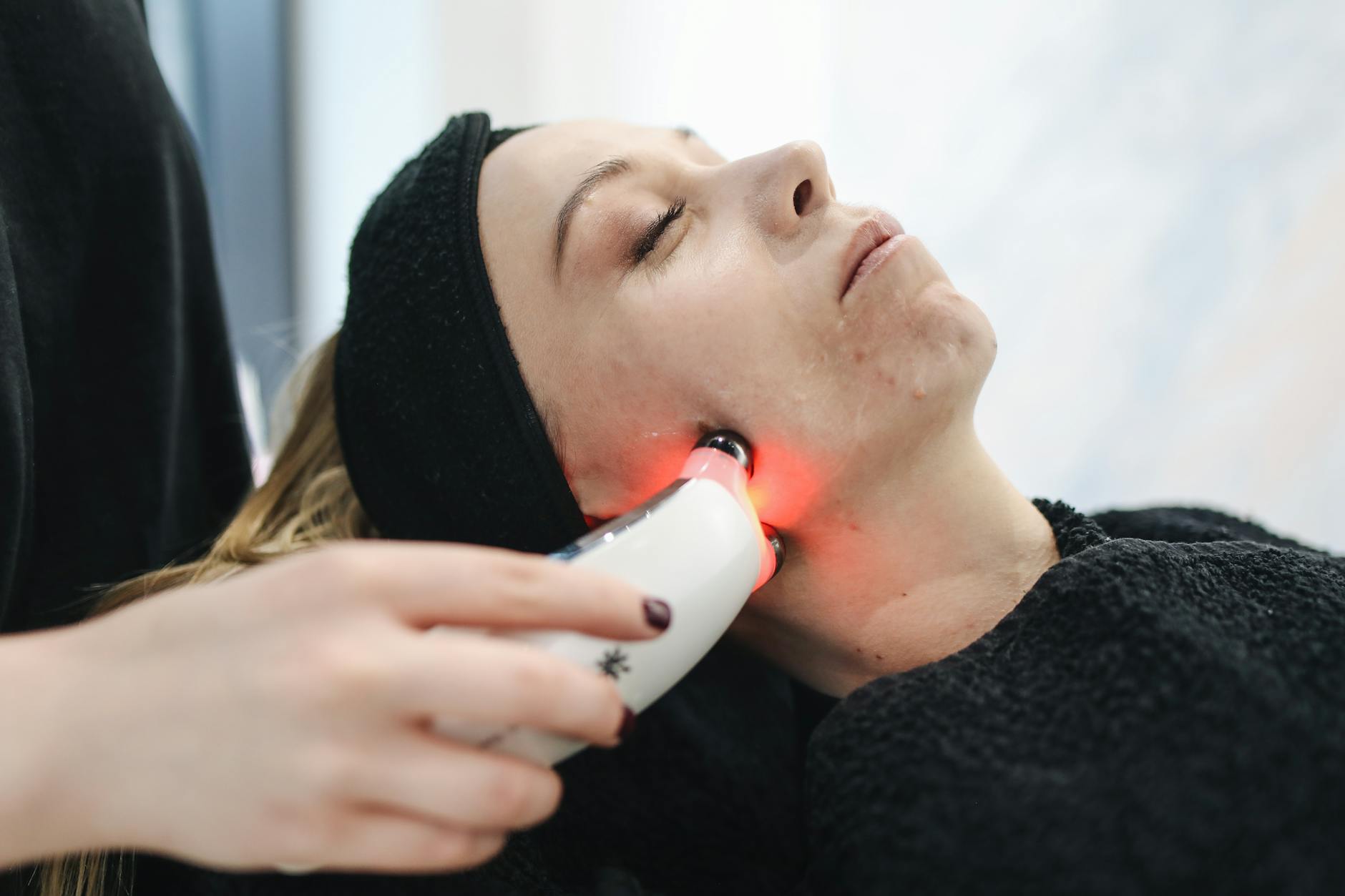
The red light wavelengths directly target inflamed blood vessels beneath your skin's surface, helping to reduce the persistent redness and visible capillaries that characterize rosacea. This gentle approach means you don't need to worry about additional irritation or damage to your already sensitive skin.
Near-infrared light penetrates even deeper, stimulating your skin's natural cellular repair processes. This promotes healing of damaged tissue while strengthening your skin barrier function. The treatment encourages better circulation and reduces the inflammatory markers that contribute to rosacea symptoms, helping prevent future flares while addressing current redness and sensitivity.
What to Expect During LED Treatment

LED light therapy sessions are surprisingly gentle and relaxing, making them ideal for sensitive rosacea skin. You'll recline comfortably in a treatment chair while the LED panel positions above your face. The therapist provides protective eyewear to shield your eyes from the bright light.
“The treatment feels like warm sunshine on your face with no discomfort whatsoever.”
Each session lasts 15-20 minutes, during which many patients simply close their eyes and unwind. The red and near-infrared lights emit no heat or sensation beyond a gentle warmth. Unlike harsh treatments that can trigger rosacea flares, LED therapy won't cause irritation or worsen your condition.
You can return to normal activities immediately afterward since there's zero downtime. Your skin may appear slightly pink for 30 minutes, similar to mild sun exposure, but this fades quickly without causing the persistent redness that rosacea patients fear.
Results Timeline and Treatment Schedule
Most patients notice initial improvements in redness and inflammation within 2-4 weeks of starting LED light therapy for rosacea. Your skin may appear calmer and less reactive during this early phase, which helps reduce the social anxiety that often accompanies visible flare-ups.
Optimal results typically occur after 8-12 treatment sessions, with many patients experiencing significant reduction in persistent redness and fewer inflammatory episodes. The treatment schedule usually involves 2-3 sessions per week during the initial phase.
Once you achieve desired results, maintenance treatments every 4-6 weeks help prevent future breakouts and maintain skin clarity. This ongoing approach ensures long-term management of rosacea symptoms without the worry of permanent damage or scarring.
LED Therapy vs Other Rosacea Treatments
LED therapy offers unique advantages for rosacea patients compared to more aggressive treatments. Unlike Chemical Peels, which use controlled chemical exfoliation to remove damaged skin layers, LED therapy works through gentle light wavelengths that won't irritate already sensitive rosacea skin. Chemical peels carry risks of increased inflammation and potential scarring for rosacea patients, making them generally unsuitable for this condition.
LED therapy complements topical rosacea medications without interfering with their effectiveness. You can continue using prescribed creams and gels while adding LED sessions to your routine. The treatment poses no risk of post-inflammatory hyperpigmentation, a common concern with other therapies. This makes LED particularly valuable for patients with darker skin tones or those prone to scarring, addressing fears about permanent skin damage while providing gentle, consistent improvement.
Who Should Consider LED Light Therapy

LED light therapy works best for people with persistent facial redness and papulopustular rosacea, the type that causes both constant flushing and acne-like bumps. This treatment offers hope for those who worry about permanent scarring, as it's gentle enough to calm irritated skin without causing additional damage.
The therapy suits all skin types and tones, making it an inclusive option when many rosacea treatments fail darker complexions. People who cannot tolerate retinoids, acids, or other harsh topical medications find LED therapy particularly valuable since it reduces inflammation without stinging or burning.
You're an ideal candidate if you experience frequent flare-ups, work in stressful environments, or have sensitive skin that reacts poorly to most products. LED therapy also benefits those seeking a non-invasive alternative to prescription medications or laser treatments that might temporarily worsen redness.
Getting Started with Treatment
Starting LED light therapy for rosacea requires professional guidance to ensure safe, effective treatment. A consultation with a dermatology provider is essential first step, as they'll assess your specific rosacea type and severity. Your provider will create a customized treatment plan that addresses your skin's unique needs while minimizing the risk of irritation.
Meet with a dermatologist to evaluate your rosacea and discuss treatment options.
Start with lower intensity sessions to test your skin's response.
Track improvements and adjust treatment frequency with your provider's guidance.
LED therapy can often combine safely with other gentle treatments like prescription topicals or lifestyle modifications. This comprehensive approach helps achieve clearer skin without the aggressive techniques that worsen rosacea symptoms.
Professional consultation ensures LED light therapy is tailored to your rosacea severity for optimal results.
Frequently Asked Questions
How does LED light therapy work for rosacea?
LED light therapy uses specific wavelengths of red and near-infrared light (630-850 nanometers) to target the underlying inflammation that causes rosacea symptoms. The red light wavelengths directly target inflamed blood vessels beneath your skin's surface, helping to reduce persistent redness and visible capillaries. Near-infrared light penetrates deeper to stimulate your skin's natural cellular repair processes and strengthen the skin barrier function.
What does LED light therapy feel like during treatment?
LED light therapy feels like warm sunshine on your face with no discomfort whatsoever. Each session lasts 15-20 minutes while you recline comfortably in a treatment chair, and many patients simply close their eyes and unwind. The red and near-infrared lights emit no heat or sensation beyond a gentle warmth, making it ideal for sensitive rosacea skin.
How long does it take to see results from LED therapy for rosacea?
Most patients notice initial improvements in redness and inflammation within 2-4 weeks of starting LED light therapy. Optimal results typically occur after 8-12 treatment sessions, with many patients experiencing significant reduction in persistent redness and fewer inflammatory episodes. The treatment schedule usually involves 2-3 sessions per week during the initial phase.
How often do I need LED therapy maintenance treatments for rosacea?
Once you achieve desired results, maintenance treatments every 4-6 weeks help prevent future breakouts and maintain skin clarity. This ongoing approach ensures long-term management of rosacea symptoms without worry of permanent damage or scarring. The maintenance schedule helps sustain the 75% patient improvement rate achieved during the initial treatment phase.
Is there any downtime after LED light therapy for rosacea?
There is zero downtime after LED light therapy, and you can return to normal activities immediately afterward. Your skin may appear slightly pink for 30 minutes, similar to mild sun exposure, but this fades quickly without causing the persistent redness that rosacea patients fear. Unlike harsh treatments that can trigger rosacea flares, LED therapy won't cause irritation or worsen your condition.
Disclaimer: This content is for informational purposes only and does not constitute medical advice. Always consult a qualified healthcare provider before making health decisions.