Common Side Effects of LED Light Therapy

LED light therapy is generally well-tolerated, but like any treatment, it can cause side effects. Most people experience mild reactions that resolve quickly, and serious complications are rare. Understanding what to expect helps you prepare for treatment and recognize when something needs attention.
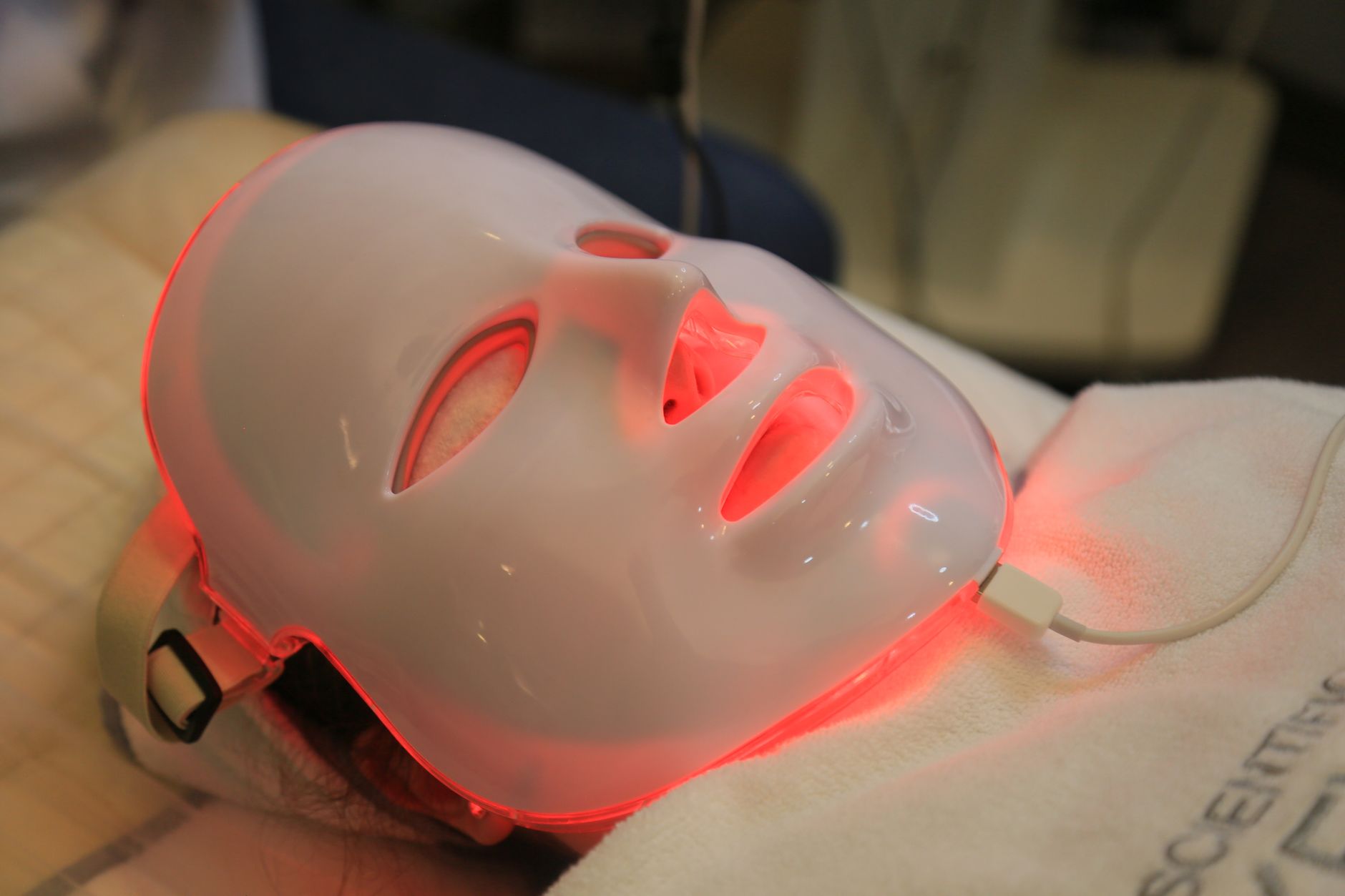
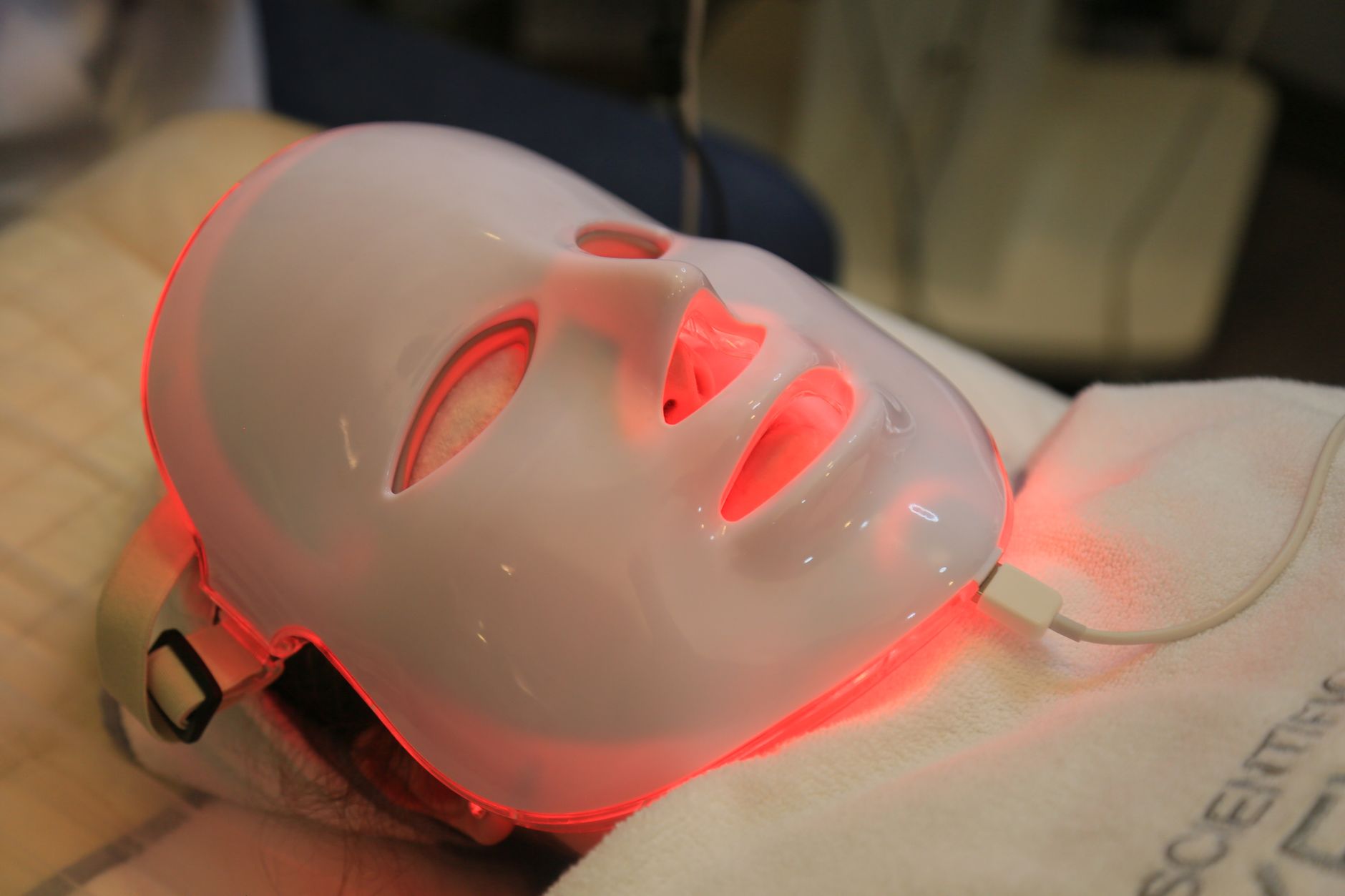
Eye strain and headaches are the most common complaints during LED sessions. The bright lights can cause discomfort similar to staring at a computer screen for too long. Most clinics provide protective eyewear, but some people still experience mild headaches or eye fatigue afterward. These symptoms typically fade within an hour or two.
“Most LED therapy side effects are temporary and resolve within 24 hours of treatment.”
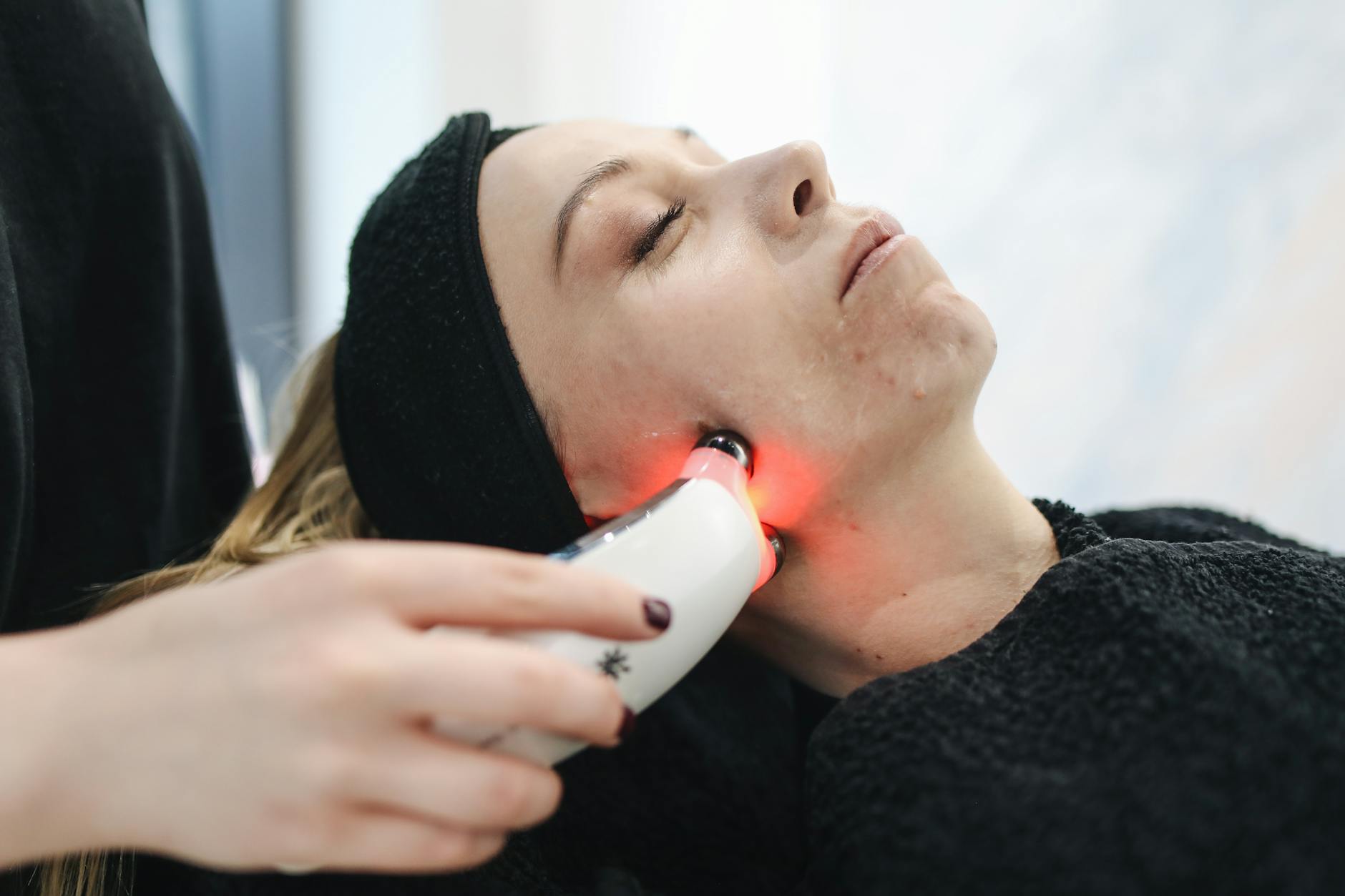
Temporary skin redness occurs in about 30% of patients, especially during the first few sessions. Your skin might look flushed or slightly pink immediately after treatment, similar to a mild sunburn. This redness usually disappears within 2-4 hours and doesn't cause permanent damage or scarring.
Increased photosensitivity makes your skin more sensitive to sunlight for 24-48 hours after treatment. You might sunburn more easily during this period, which is why dermatologists recommend avoiding direct sun exposure and using SPF 30 or higher sunscreen.
Mild skin dryness or flaking can develop 2-3 days post-treatment as your skin cells turnover increases. For example, some patients notice small flakes around their nose or forehead area. This typically indicates the therapy is working to remove dead skin cells and promote new cell growth.
Who Should Avoid LED Light Therapy

While LED light therapy is generally safe for most people, certain groups should avoid this treatment entirely or seek medical clearance before starting. Understanding these contraindications helps prevent complications and ensures your skin heals properly without permanent scarring.
Pregnant and breastfeeding women should skip LED light therapy. While no studies have shown direct harm, researchers haven't established safety during pregnancy or nursing. The hormonal changes during these periods also affect skin sensitivity, making reactions more unpredictable.
“Active skin infections and open wounds create entry points for bacteria, making LED therapy potentially dangerous rather than helpful.”
People with active skin infections, cold sores, or open wounds must wait until their skin heals completely. Light therapy can spread bacteria to healthy areas and worsen existing infections. Even small cuts or recent extractions need time to close before treatment begins.
Cancer patients and immunocompromised individuals face higher risks because their bodies struggle to fight off infections. Chemotherapy, radiation, and immune-suppressing medications make skin more vulnerable to damage. These patients should always consult their oncologist before considering any light therapy.
Certain medications increase photosensitivity, making your skin react poorly to light exposure. Common photosensitizing drugs include some antibiotics like doxycycline, acne medications containing tretinoin, and blood pressure medications. Check with your pharmacist about any medications you take regularly.
People with lupus or other autoimmune conditions affecting the skin should also exercise caution. These conditions often involve light sensitivity, and LED therapy might trigger flares or worsen existing symptoms. Your dermatologist can determine if LED therapy fits safely into your treatment plan.
Medication and Treatment Interactions
Certain medications can make your skin significantly more sensitive to LED light therapy, potentially causing burns or irritation. Photosensitizing medications create the biggest concern. These include common antibiotics like doxycycline and tetracycline, often prescribed for acne, which can make your skin react strongly to light treatments for weeks after your last dose.
Acne medications deserve special attention. Retinoids, including prescription tretinoin and over-the-counter retinol, thin your skin's protective barrier. Using LED therapy while on these medications can lead to excessive dryness, peeling, or inflammation. Your dermatologist may recommend stopping retinoids for several days before LED treatments.
Recent cosmetic procedures create additional risks. Chemical Peels, which use acid treatments that remove damaged skin layers to improve texture and appearance through controlled chemical exfoliation, leave your skin vulnerable for 7-14 days. LED therapy during this healing period can cause severe irritation or interfere with proper recovery. The same applies to laser treatments, microneedling, or aggressive facials.
Timing becomes crucial when combining treatments. Your provider will typically space procedures at least one week apart, sometimes longer depending on your skin's sensitivity. Blood-thinning medications like warfarin don't directly interact with LED therapy but may increase bruising if your skin becomes irritated.
Always provide your complete medication list, including supplements and topical treatments, before starting LED therapy to prevent unwanted reactions.
Safety Precautions During Treatment

Taking proper safety measures prevents complications and ensures optimal LED therapy results. Following these guidelines protects your skin while maximizing treatment benefits.
Always wear the protective eyewear provided by your clinic or purchase FDA-approved LED safety glasses for home devices.
Perform a patch test on a small area 24 hours before your first full treatment to check for sensitivity reactions.
Remove all makeup, sunscreen, and skincare products before treatment to ensure optimal light penetration.
Stick to recommended session durations, typically 10-20 minutes, and maintain appropriate frequency schedules.
Most clinics recommend starting with twice-weekly sessions for four weeks, then reducing frequency. Overdoing treatments can cause irritation rather than faster results. Remember that consistency matters more than intensity.
After treatment, avoid direct sunlight for 24 hours and skip harsh skincare ingredients like retinoids or acids. Your skin needs time to respond to the light therapy without additional stressors. Apply gentle moisturizer and use broad-spectrum SPF 30 or higher when outdoors.
When to Stop Treatment and Seek Help
While LED therapy is generally safe, certain warning signs require immediate attention. Stop treatment immediately if you develop severe skin reactions like blistering, burns, or widespread rash that doesn't match the normal mild redness expected after sessions.
Eye-related symptoms demand urgent care. If you experience persistent irritation, pain, vision changes, or see spots or halos after treatment, discontinue use and contact an eye care professional. These symptoms could indicate retinal damage, especially if you skipped proper eye protection.
Watch for worsening skin conditions. If your acne becomes more inflamed, existing conditions like eczema or rosacea flare dramatically, or you develop new skin problems, the therapy may not be suitable for you.
Signs of infection require medical evaluation. Look for increased warmth, pus, red streaking from treatment areas, or wounds that heal slower than expected. For example, a small breakout that develops yellow crusting or spreads rapidly needs professional assessment to prevent scarring.
Stop LED therapy immediately if you experience severe reactions, eye problems, worsening skin conditions, or signs of infection.
Frequently Asked Questions
What are the most common side effects of LED light therapy?
The most common side effects of LED light therapy are eye strain and headaches, which occur during or after sessions due to exposure to bright lights. About 30% of patients also experience temporary skin redness that looks like a mild sunburn and typically disappears within 2-4 hours. Most side effects are mild and resolve within 24 hours of treatment.
Can I go in the sun after LED light therapy?
You should avoid direct sun exposure for 24-48 hours after LED light therapy because the treatment increases your skin's photosensitivity. During this period, you might sunburn more easily than usual. Dermatologists recommend using SPF 30 or higher sunscreen when you do go outside during this sensitive period.
Who should not get LED light therapy?
Pregnant and breastfeeding women should avoid LED light therapy since safety hasn't been established during these periods. People with active skin infections, cold sores, or open wounds must wait until their skin heals completely before treatment. Cancer patients, immunocompromised individuals, and those with autoimmune conditions like lupus should consult their doctors before considering LED therapy.
Can medications affect LED light therapy results?
Yes, certain medications can increase photosensitivity and make your skin react poorly to LED light exposure, potentially causing burns or irritation. Common photosensitizing drugs include some antibiotics like doxycycline, acne medications containing tretinoin, and some blood pressure medications. You should check with your pharmacist about any medications you take regularly before starting LED therapy.
Is skin peeling normal after LED light therapy?
Mild skin dryness or flaking 2-3 days after treatment is normal and actually indicates the therapy is working effectively. This occurs because LED therapy increases skin cell turnover, helping to remove dead skin cells and promote new cell growth. Patients commonly notice small flakes around areas like the nose or forehead, which is part of the natural healing process.
Disclaimer: This content is for informational purposes only and does not constitute medical advice. Always consult a qualified healthcare provider before making health decisions.