Quick Verdict: LED vs IPL

Choose LED light therapy for gentle, ongoing skin maintenance with minimal risk of scarring. This approach requires consistent sessions but builds results gradually without dramatic side effects.
“LED offers safety and consistency, while IPL delivers dramatic results with higher stakes.”
IPL treatment delivers powerful results for stubborn pigmentation and sun damage but requires greater investment and recovery time. Both treatments target different skin concerns effectively when used properly by qualified professionals.
How Each Treatment Works
LED light therapy and IPL operate on completely different principles, targeting your skin concerns through distinct mechanisms. Understanding these differences helps you choose the right treatment without worrying about unwanted side effects.
“LED gently stimulates your cells to heal themselves, while IPL targets and destroys unwanted pigment with intense light pulses.”
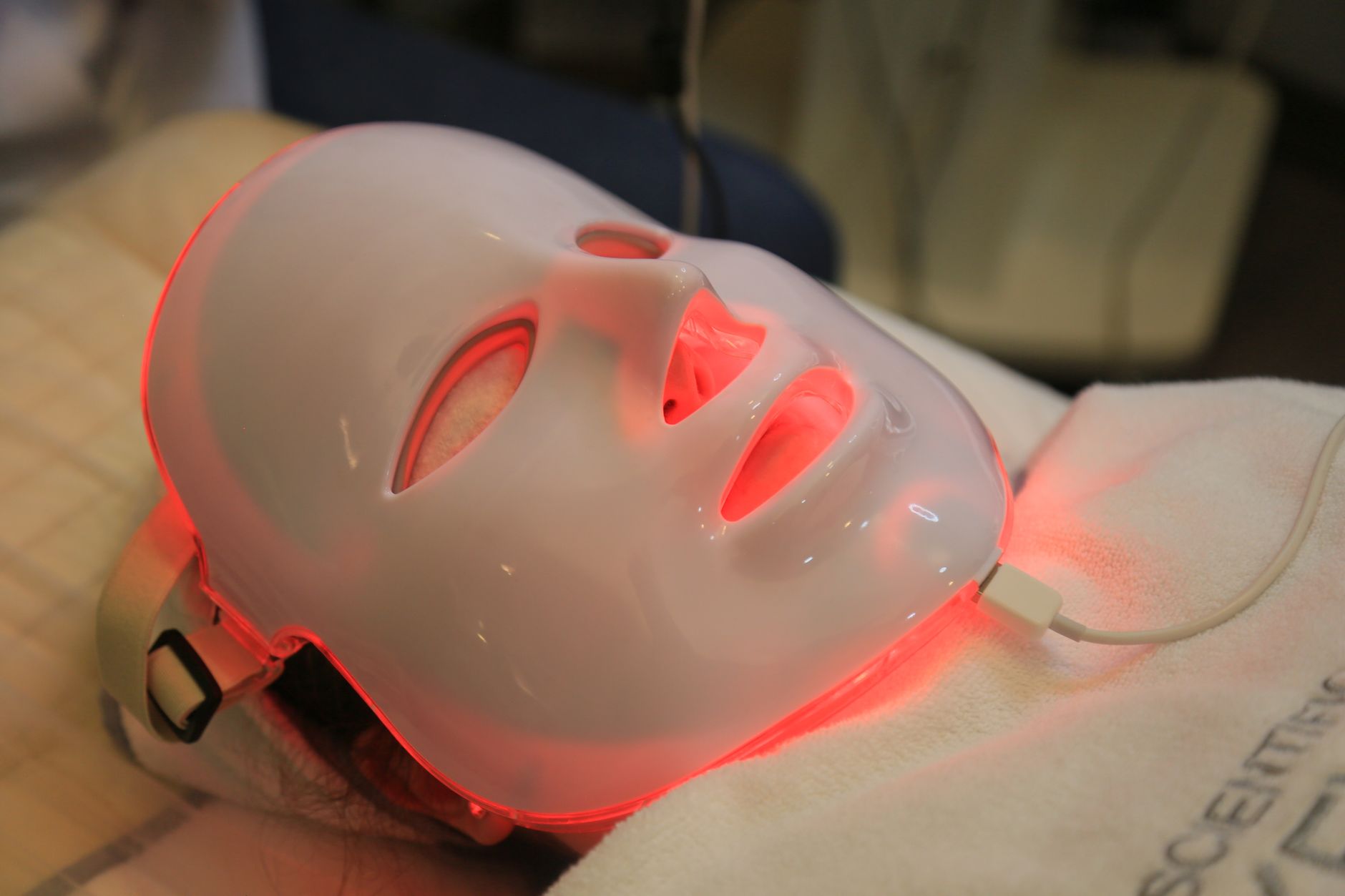
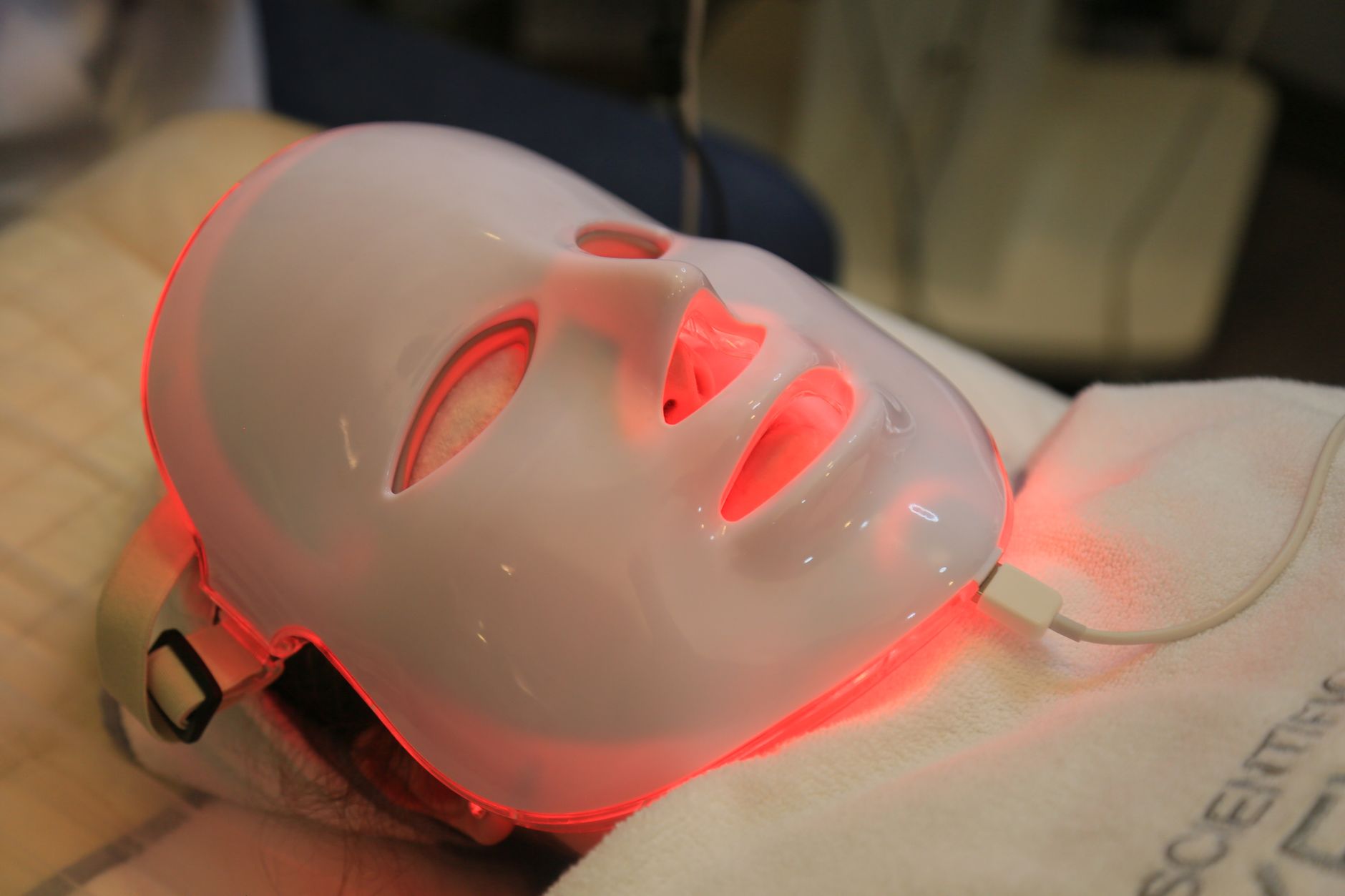
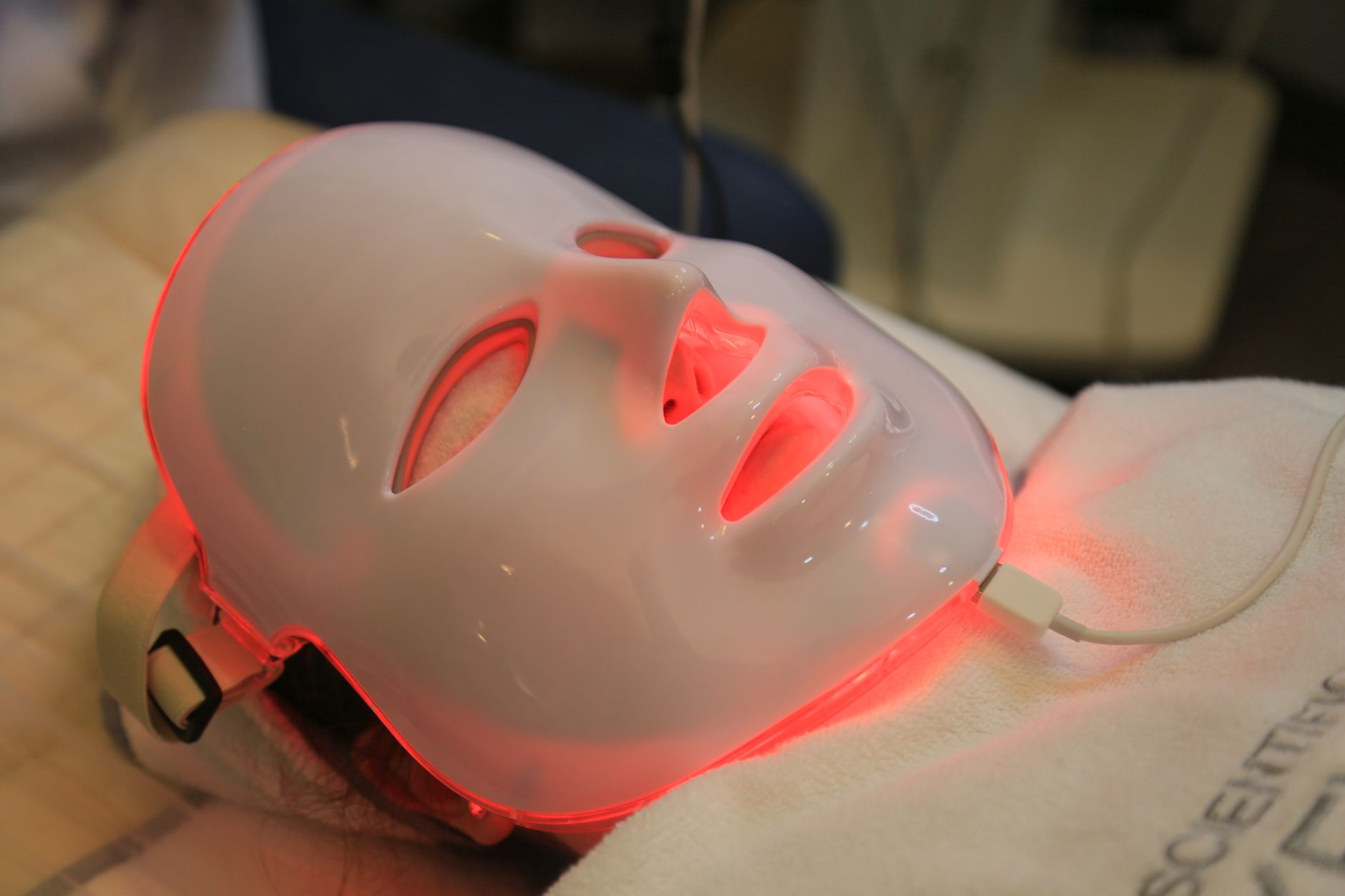
LED therapy uses specific wavelengths of light—typically red (660nm) and near-infrared (850nm)—to penetrate your skin and stimulate cellular activity. Think of it like giving your skin cells a gentle energy boost to produce more collagen and reduce inflammation naturally.
IPL takes a more aggressive approach, using broad spectrum light pulses that target melanin and hemoglobin in your skin. The intense light heats and destroys unwanted pigments, breaking down dark spots and redness. For example, IPL can eliminate age spots by fragmenting the melanin clusters beneath your skin's surface.
Treatment Comparison Table

Understanding the practical differences between LED light therapy and IPL helps you make an informed choice. These treatments vary significantly in cost, time commitment, and effectiveness for different skin concerns.
LED requires 8-12 sessions with no downtime, making it ideal for sensitive skin prone to scarring. IPL delivers faster results in 3-5 sessions but causes temporary redness and peeling. LED treats acne and inflammation gently, while IPL tackles pigmentation, sun damage, and deeper skin issues more aggressively. Your skin type and tolerance for temporary side effects should guide your decision.
Skin Conditions: Which Treats What Best
LED light therapy shines brightest for acne breakouts and anti-aging concerns. Red light penetrates deeper to stimulate collagen production, reducing fine lines and wrinkles. Blue light targets acne-causing bacteria directly, making it ideal for active breakouts without fear of scarring that aggressive treatments might cause.
IPL dominates pigmentation issues like sun spots, age spots, and melasma. Its broad-spectrum light breaks down excess melanin effectively, delivering dramatic results for sun damage that LED simply cannot match.
Both treatments show promise for rosacea, though IPL typically produces faster results. For severe cases, dermatologists often combine these with Chemical Peels to address multiple skin layers simultaneously, creating comprehensive treatment plans tailored to individual needs.
Cost and Time Investment
LED therapy typically costs $25-75 per session but requires 8-12 treatments initially, plus monthly maintenance. Your total investment spreads over several months, making it budget-friendly for gradual improvement.
IPL demands a higher upfront investment at $300-600 per session, but you'll need only 3-5 treatments total. This front-loaded approach delivers faster results but requires significant immediate financial commitment.
Long-term maintenance differs significantly. LED requires ongoing monthly sessions to maintain results, while IPL typically needs touch-ups every 1-2 years. Consider your lifestyle and budget preferences when choosing your path to clear skin.
Who Should Choose LED vs IPL

Choose LED light therapy if you have sensitive skin, rosacea, or prefer gradual improvement without downtime. LED works perfectly for maintenance treatments and gentle acne management without risking permanent scarring that many patients fear.
IPL suits you better if you need dramatic pigmentation correction, have sun damage, or want faster results for age spots and broken capillaries. However, IPL requires recovery time and isn't suitable for darker skin tones.
Your lifestyle matters significantly in this decision. Busy professionals often prefer LED since they can return to work immediately, while those with flexible schedules might choose IPL's more intensive approach. For example, teachers often schedule IPL treatments during summer breaks to allow proper healing time.
Consider your skin goals carefully—LED excels at prevention and maintenance, while IPL delivers dramatic transformation for specific concerns.
Final Recommendation
Choose LED therapy for sensitive skin, mild acne, or anti-aging goals with minimal downtime. Select IPL for stubborn pigmentation, sun damage, or when you want faster results despite temporary redness. Both treatments carry minimal scarring risk when performed by qualified professionals.
Schedule consultations with experienced providers to discuss your specific concerns and medical history. Many patients benefit from combining both treatments – using IPL for initial correction followed by LED maintenance sessions.
Professional consultation determines the safest, most effective treatment plan for your unique skin type and goals.
Frequently Asked Questions
What's the difference between LED light therapy and IPL?
LED light therapy uses specific wavelengths of light to gently stimulate cellular activity and boost collagen production naturally. IPL takes a more aggressive approach, using broad spectrum light pulses to target and destroy unwanted pigments like melanin and hemoglobin. LED offers safety and consistency with no downtime, while IPL delivers dramatic results with higher stakes and temporary side effects.
How much does LED vs IPL cost per session?
LED light therapy typically costs around $50 per session, while IPL treatments cost approximately $300 per session. LED requires 8-12 sessions to achieve results, making it ideal for ongoing maintenance. IPL delivers faster results in just 3-5 sessions but requires a greater investment upfront.
Which is better for acne - LED or IPL?
LED light therapy is generally better for acne treatment, with blue light showing 85% improvement in acne by targeting bacteria directly. LED treats acne and inflammation gently without risk of scarring that aggressive treatments might cause. IPL is more suited for pigmentation issues rather than active breakouts.
Does IPL or LED have downtime?
LED light therapy has zero downtime days, making it perfect for sensitive skin and regular treatments. IPL causes temporary redness and peeling, requiring recovery time after each session. LED allows you to continue your normal activities immediately, while IPL may affect your appearance for several days.
Which treatment is better for sun damage and age spots?
IPL is significantly better for sun damage and age spots, showing 70% pigmentation reduction by breaking down excess melanin effectively. IPL's broad-spectrum light targets and destroys unwanted pigments like age spots and melasma that LED simply cannot match. For stubborn pigmentation and sun damage, IPL delivers the dramatic results needed.
Disclaimer: This content is for informational purposes only and does not constitute medical advice. Always consult a qualified healthcare provider before making health decisions.