What Is LED Light Therapy?

LED light therapy is a non-invasive skincare treatment that uses specific wavelengths of light-emitting diodes to target various skin concerns. Unlike harsh chemical treatments or procedures that might worry you about potential scarring, LED therapy works gently by delivering controlled light energy to your skin cells.
"LED light therapy harnesses the power of specific light wavelengths to naturally stimulate your skin's healing processes without causing damage or downtime."
This treatment differs significantly from other light-based procedures like IPL or laser treatments. While those methods use intense, focused light that can cause discomfort and require recovery time, LED therapy uses gentle, low-level light that feels warm and soothing during application.
The basic mechanism works by penetrating your skin at different depths depending on the light color used. Red light typically reaches deeper layers to promote collagen production, while blue light targets surface bacteria that cause breakouts. Your skin cells absorb this light energy and convert it into cellular fuel, accelerating natural repair processes.
The FDA has cleared various LED devices for treating acne, reducing wrinkles, and improving overall skin appearance. For example, many dermatology offices use FDA-cleared devices like the Omnilux or HealLite systems. This regulatory approval provides confidence that the treatment meets safety and efficacy standards for professional and at-home use.
How LED Light Therapy Works

LED light therapy works through a process called photobiomodulation, where specific wavelengths of light penetrate your skin and trigger beneficial cellular responses. When these carefully calibrated light waves reach your skin cells, they're absorbed by mitochondria—the powerhouses of your cells—which then ramp up energy production.
“Different wavelengths penetrate to different depths, targeting specific skin concerns at the cellular level.”
Red light, typically around 660-850 nanometers, penetrates deepest into your skin, reaching the dermis where it stimulates collagen production and reduces inflammation. This deeper penetration helps address concerns like fine lines and persistent acne without causing the surface damage that leads to scarring. Blue light, around 415 nanometers, stays closer to the surface and targets acne-causing bacteria in your pores.
Your cells respond to this light exposure by increasing circulation, accelerating healing, and producing more ATP (cellular energy). Think of it like photosynthesis for your skin—the light provides energy that your cells use to repair and regenerate more efficiently.
For example, when treating active breakouts, blue light kills Propionibacterium acnes bacteria within 24-48 hours, while red light simultaneously calms the surrounding inflammation. This dual approach helps clear existing blemishes while preventing the inflammatory response that can lead to post-acne marks or scarring.
Types of LED Light and Their Benefits
Different wavelengths of LED light target specific skin concerns, making this therapy customizable for your unique needs. Understanding which colors work best for your skin issues helps you choose the right treatment approach and avoid wasting time on ineffective options.
Red light therapy operates at 630-700 nanometers and excels at anti-aging treatments. This wavelength stimulates collagen production, reduces fine lines, and improves skin texture. Many patients see visible improvements in skin firmness after 4-6 weeks of consistent use.
Blue light therapy targets acne at 415 nanometers by killing Propionibacterium acnes bacteria that cause breakouts. This treatment helps prevent the scarring and embarrassment that often accompany severe acne. Unlike harsh topical treatments, blue light therapy works without causing dryness or irritation.
Near-infrared light penetrates deeper into tissues at 700-1000 nanometers, promoting cellular repair and reducing inflammation. This wavelength speeds healing of existing blemishes and helps fade post-acne marks more quickly than natural skin turnover alone.
Combination therapy uses multiple wavelengths simultaneously for comprehensive skin improvement. For example, pairing red and blue light addresses both current acne and prevents future aging, making it ideal for patients wanting both clear skin now and long-term skin health benefits.
What to Expect During LED Light Therapy
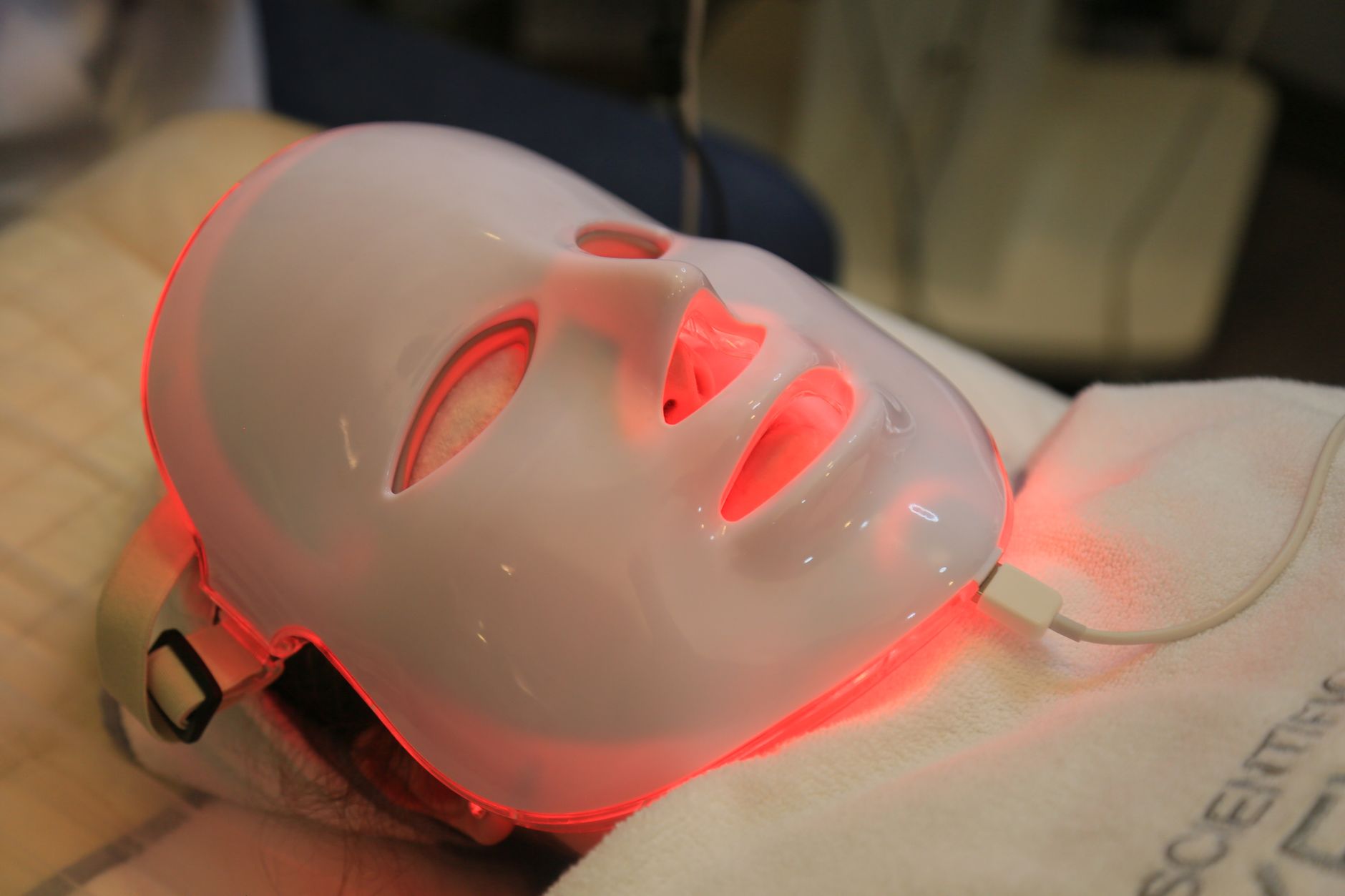
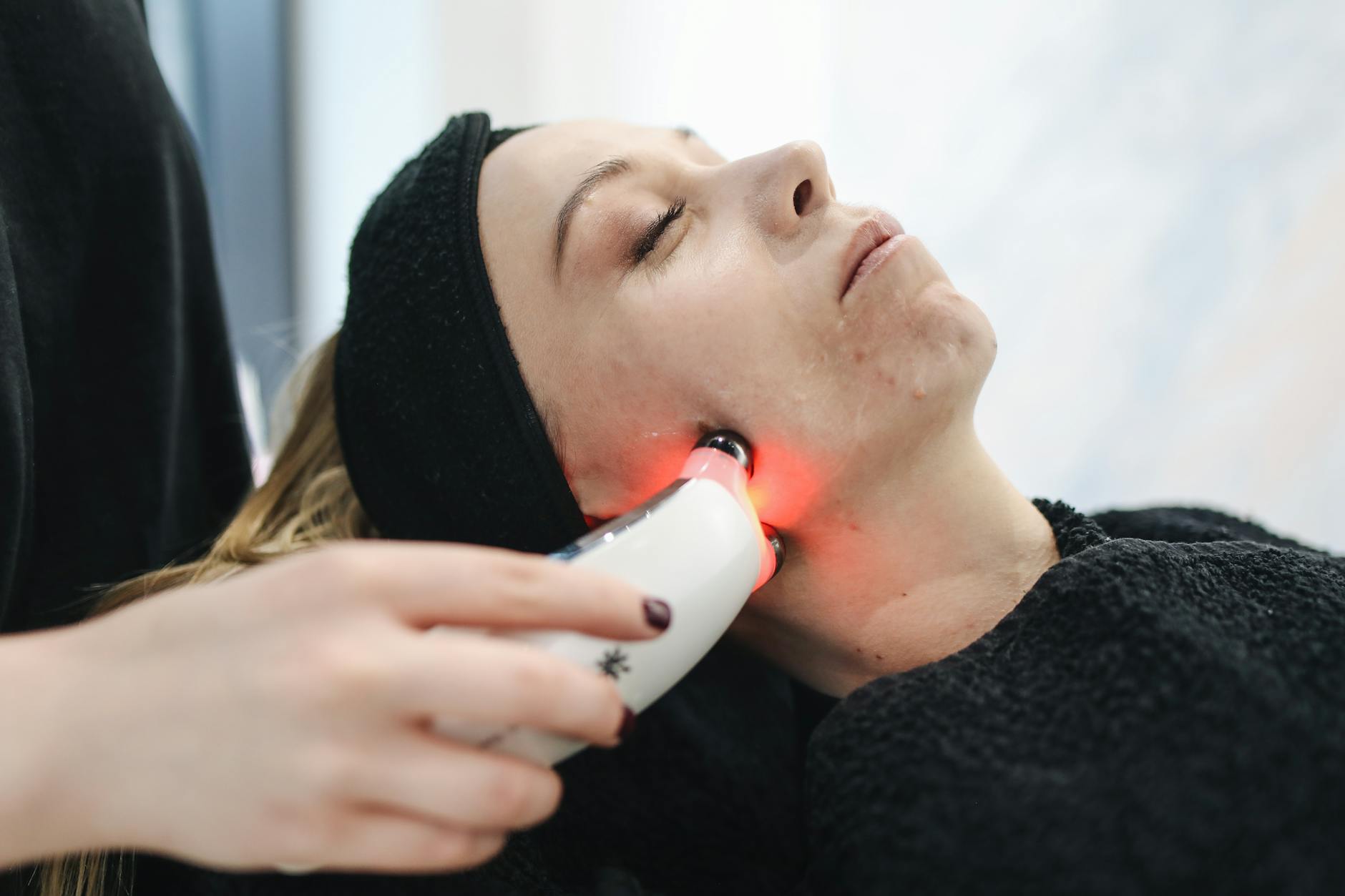
LED light therapy sessions are straightforward and comfortable. Your dermatologist will position LED panels or handheld devices about 6-12 inches from your clean, makeup-free skin. You'll wear protective eyewear to shield your eyes from the bright lights.
During treatment, you'll feel a gentle warming sensation as the LED lights penetrate your skin. Unlike harsh chemical treatments that can worsen scarring concerns, LED therapy is completely non-invasive and painless. Many patients describe it as relaxing, similar to sunbathing without heat.
Most treatment plans require 6-12 sessions scheduled twice weekly for optimal results. Each session lasts 15-30 minutes depending on the area being treated. For example, treating acne across your entire face takes longer than targeting specific problem spots.
Results appear gradually as your skin responds to the light therapy. You might notice reduced inflammation after 2-3 sessions, with clearer skin becoming visible after 2-4 weeks of consistent treatment. Your dermatologist will track your progress and adjust the treatment schedule based on your skin's response.
LED Light Therapy vs Other Skin Treatments

LED light therapy stands out as one of the gentlest options available for treating acne and aging concerns. Unlike Chemical Peels, which use acid treatments to remove damaged skin layers through controlled chemical exfoliation, LED therapy works by stimulating your skin's natural healing processes without causing visible damage or downtime.
The non-invasive nature of LED therapy makes it particularly appealing if you're worried about scarring or harsh side effects. While Chemical Peels can cause redness, peeling, and require 7-14 days of sun avoidance, LED treatments let you return to normal activities immediately.
LED therapy works exceptionally well alongside other treatments rather than replacing them entirely. Many dermatologists combine LED sessions with topical treatments or use them as maintenance therapy after more intensive procedures. This complementary approach helps maximize results while minimizing irritation.
If you have sensitive skin that reacts poorly to acids or strong actives, LED therapy offers a safe alternative. The treatment provides consistent results without the unpredictable healing times or potential complications that can occur with more aggressive treatments, making it an excellent starting point for those new to professional skin care.
Is LED Light Therapy Right for You?
LED light therapy works best for people with mild to moderate acne, fine lines, or sun damage who want a gentle treatment without downtime. You're an ideal candidate if you have sensitive skin that reacts poorly to chemical peels or harsh topicals, or if you're looking for a maintenance treatment between more aggressive procedures.
This therapy particularly benefits rosacea sufferers, those with persistent breakouts, and anyone wanting to improve skin texture gradually. Unlike treatments that carry scarring risks, LED therapy poses minimal danger when performed correctly.
However, you should avoid LED therapy if you're pregnant, taking certain medications like Accutane, or have active skin cancer in the treatment area. People with lupus or other light-sensitive conditions need medical clearance first.
Set realistic expectations: you'll likely see subtle improvements after 4-6 sessions, with optimal results developing over 8-12 weeks. LED therapy won't dramatically transform severe acne overnight, but it can significantly improve mild breakouts and prevent future ones when combined with proper skincare.
LED therapy offers gentle, consistent results for mild skin concerns without the downtime or scarring risks of more aggressive treatments.
Frequently Asked Questions
What is LED light therapy?
LED light therapy is a non-invasive skincare treatment that uses specific wavelengths of light-emitting diodes to target various skin concerns. Unlike harsh chemical treatments or procedures, LED therapy works gently by delivering controlled light energy to your skin cells. The treatment is FDA-cleared for treating acne, reducing wrinkles, and improving overall skin appearance.
How does LED light therapy work?
LED light therapy works through photobiomodulation, where specific wavelengths of light penetrate your skin and trigger beneficial cellular responses. When these light waves reach your skin cells, they're absorbed by mitochondria, which then increase energy production. Your cells respond by increasing circulation, accelerating healing, and producing more ATP (cellular energy).
What's the difference between red and blue LED light?
Red light typically penetrates deeper into your skin, reaching the dermis where it stimulates collagen production and reduces inflammation. Blue light stays closer to the surface and targets acne-causing bacteria in your pores. Red light helps address concerns like fine lines, while blue light is effective for treating active breakouts by killing bacteria within 24-48 hours.
Is LED light therapy safe?
Yes, LED light therapy is considered safe and non-invasive. The FDA has cleared various LED devices for treating acne, reducing wrinkles, and improving overall skin appearance. Unlike intense light treatments like IPL or lasers, LED therapy uses gentle, low-level light that feels warm and soothing during application without causing discomfort or requiring recovery time.
What wavelengths are used in LED light therapy?
LED light therapy uses specific wavelengths measured in nanometers for different purposes. Red light typically operates around 660-850 nanometers and penetrates deepest into the skin. Blue light operates around 415 nanometers and stays closer to the surface to target bacteria.
Disclaimer: This content is for informational purposes only and does not constitute medical advice. Always consult a qualified healthcare provider before making health decisions.