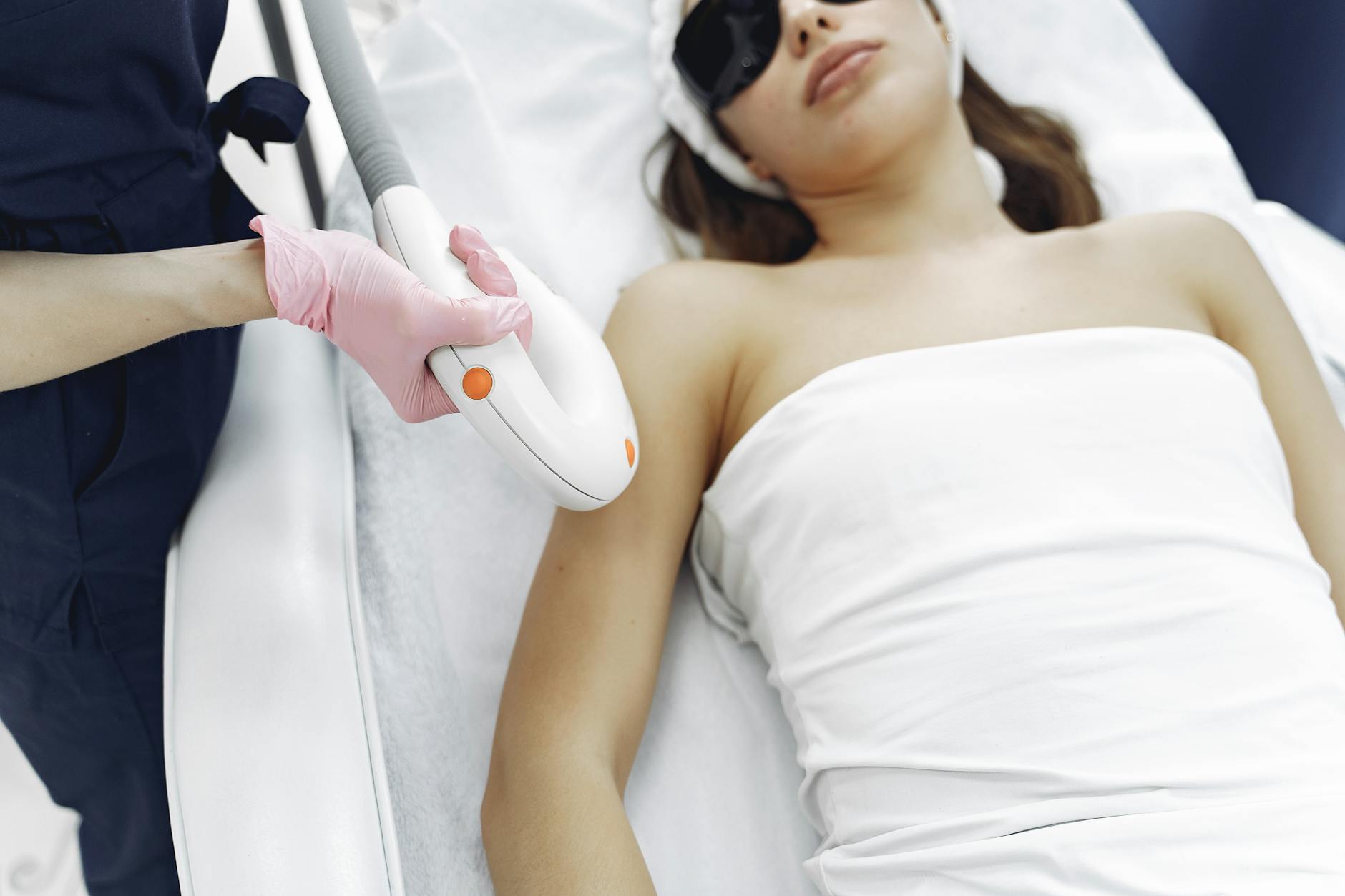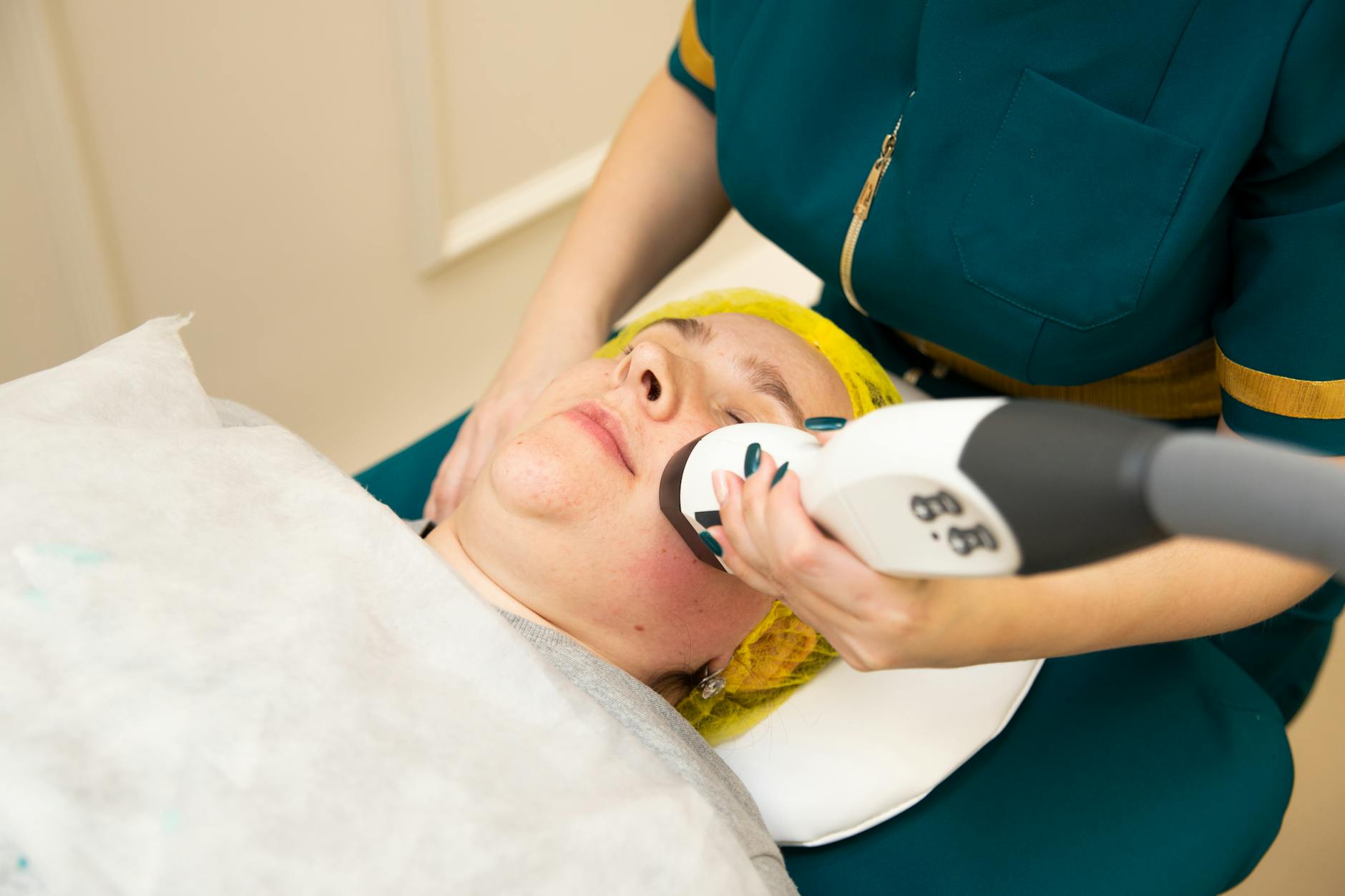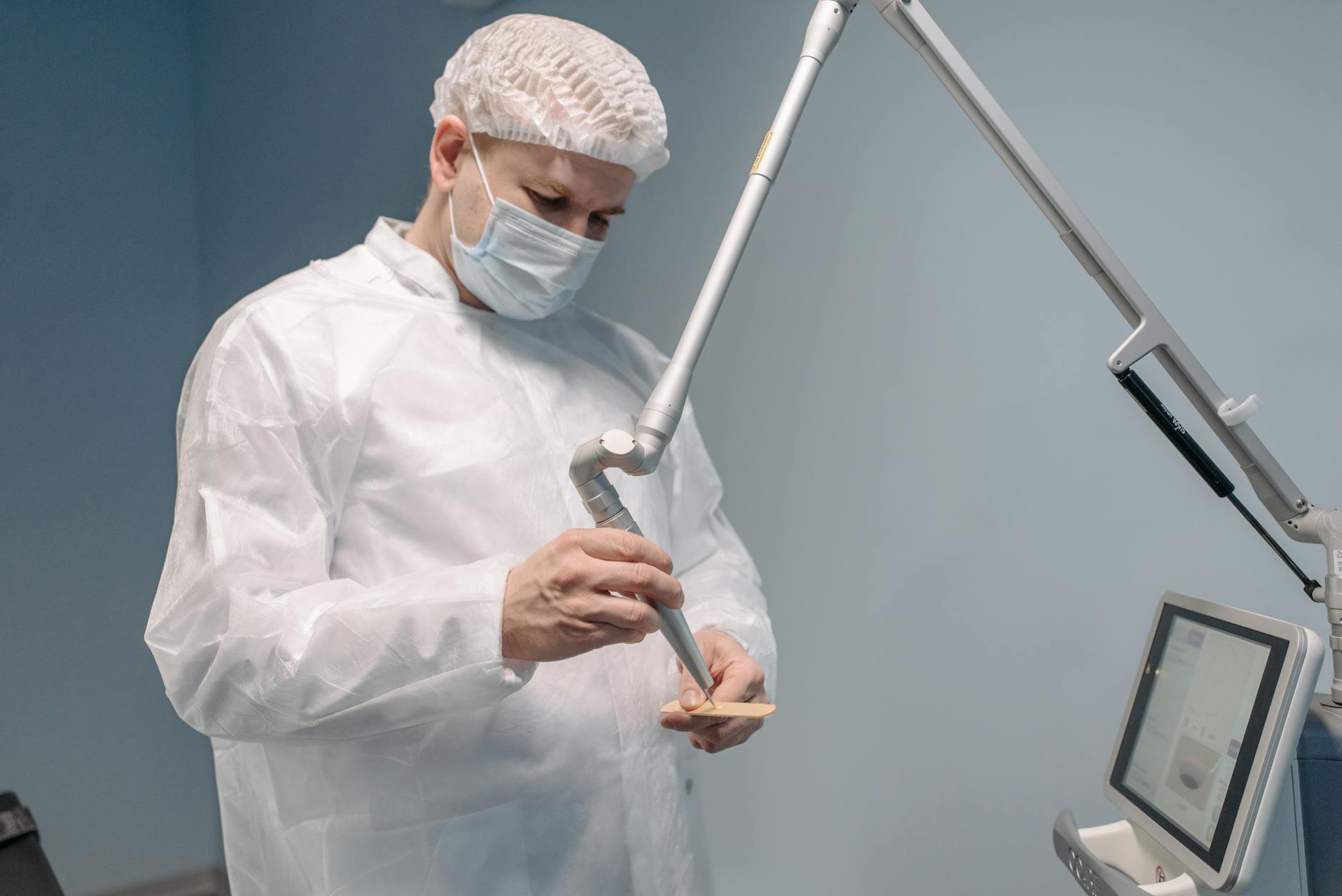
What to Expect: Your Nd:YAG Recovery Timeline

Understanding your recovery timeline helps ease anxiety about the healing process. Immediately after your Nd:YAG laser treatment, your skin will appear red and slightly swollen, similar to a mild sunburn. This reaction is completely normal and shows the laser is working effectively to target problem areas.
“Most patients see their skin return to normal appearance within 3-5 days, with continued improvement over the following weeks.”
Days one through three bring the most noticeable changes. Your skin may feel tight and warm, with redness gradually fading from bright pink to a subtle flush. Some patients notice small scabs forming over treated areas, which naturally shed without picking or scrubbing.
By day four, the initial inflammation subsides significantly. Your skin begins revealing smoother texture and improved tone. Most people feel comfortable returning to normal social activities at this point.
Final results emerge between four to six weeks post-treatment. This timeframe allows your skin's natural collagen production to increase, creating the lasting improvements you're seeking. Patience during this period prevents complications that could lead to scarring or delayed healing.
Essential Skincare After Nd:YAG Treatment

Your skin needs gentle, consistent care after Nd:YAG treatment to heal properly and prevent complications. Following the right skincare routine reduces your risk of scarring and helps you achieve the clear results you want faster.
“The products you use in the first week after treatment determine how well your skin heals.”
Use lukewarm water and a fragrance-free cleanser like Cetaphil Gentle Skin Cleanser twice daily.
Apply a thick, occlusive moisturizer like Aquaphor or CeraVe Healing Ointment while skin is still damp.
Use broad-spectrum SPF 30 or higher every day, even indoors near windows.
Avoid products containing retinoids, alpha hydroxy acids, beta hydroxy acids, benzoyl peroxide, or vitamin C for at least one week. These ingredients can irritate healing skin and increase inflammation. Skip makeup for the first 24-48 hours unless your dermatologist approves mineral-based formulas.
Pat your skin dry instead of rubbing, and resist picking at any crusting or peeling areas. This gentle approach prevents infection and minimizes the chance of permanent marks.
Activity Restrictions and Lifestyle Adjustments
Your skin needs time to heal properly after Nd:YAG treatment, and certain activities can interfere with this process or increase your risk of complications. Following these guidelines protects your investment and helps prevent the scarring that many patients worry about.
Avoid intense exercise for 48-72 hours after treatment. Sweating can irritate treated areas and introduce bacteria to vulnerable skin. Light walking is fine, but skip the gym, hot yoga, or running until your skin stops feeling tender. When you do resume exercise, shower immediately afterward and pat your skin dry gently.
Heat exposure poses the biggest risk during recovery. Stay away from saunas, hot tubs, steam rooms, and direct sunlight for at least one week. Even hot showers can cause problems—keep water lukewarm and limit shower time to 10 minutes. If you must go outside, apply broad-spectrum SPF 30+ sunscreen every two hours.
Wait 24-48 hours before applying makeup to treated areas. Your skin barrier is compromised and needs time to rebuild. When you do resume makeup, use clean brushes and gentle, non-comedogenic products.
Sleep with your head elevated on an extra pillow for the first few nights to reduce swelling and promote healing.
Managing Side Effects and Discomfort
Understanding what's normal during recovery helps ease concerns about permanent scarring. Most patients experience mild redness and swelling for 24-48 hours after treatment, similar to a moderate sunburn. Your skin may feel tight or slightly warm to the touch, which signals healthy healing.
Pain management starts with over-the-counter options. Ibuprofen reduces both discomfort and inflammation, while acetaminophen addresses pain without anti-inflammatory effects. Apply cool compresses for 10-15 minutes several times daily to minimize swelling. Avoid ice directly on skin, as this can cause additional irritation.
Redness typically peaks within the first 24 hours, then gradually fades over 3-5 days. Gentle moisturizers containing ceramides or hyaluronic acid help maintain skin barrier function. Skip products with alcohol, fragrances, or active ingredients like retinoids during this period.
Contact your provider immediately if you notice increasing pain after day two, yellow or green discharge, red streaking from the treatment area, or fever. These symptoms may indicate infection requiring prompt medical attention.
Some patients develop temporary darkening of treated spots before they lighten. This hyperpigmentation usually resolves within 4-6 weeks with proper sun protection and gentle skincare.
Combining Treatments: When and How

Your skin needs adequate healing time before introducing additional treatments. Most dermatologists recommend waiting at least 4-6 weeks after Nd:YAG laser treatment before scheduling other procedures. This waiting period prevents complications and reduces your risk of permanent scarring.
Chemical Peels work well as complementary treatments once your skin has fully recovered. These acid treatments remove damaged skin layers through controlled chemical exfoliation, addressing acne scars, fine lines, and uneven skin tone. However, combining them too early can cause excessive irritation and delayed healing.
Safe complementary procedures include gentle facials, LED light therapy, and topical treatments like retinoids after the initial healing period. Your dermatologist will assess your skin's response to the laser treatment before recommending additional options.
Timing matters significantly for optimal results. Schedule follow-up appointments 2-4 weeks apart to monitor progress and determine when your skin is ready for the next step. This systematic approach helps you achieve clear skin while protecting against adverse reactions that could set back your treatment goals.
Maximizing Your Results Long-Term
Your Nd:YAG laser treatment marks the beginning of healthier skin, not the end of your skincare journey. Consistent follow-up care determines whether you'll maintain clear skin or watch improvements fade over time.
Schedule your follow-up appointment within four to six weeks after treatment. Your dermatologist will assess healing progress and identify any areas needing additional attention. These visits catch potential complications early, reducing your risk of permanent scarring while ensuring optimal results.
Use broad-spectrum SPF 30+ sunscreen every morning and gentle, fragrance-free moisturizer twice daily.
Schedule touch-up treatments every three to six months based on your skin's response and dermatologist recommendations.
Most patients need periodic maintenance treatments to sustain results. Your dermatologist will recommend a personalized schedule based on your skin type and original concerns.
Consistent follow-up care and maintenance treatments are essential for preventing future breakouts and maintaining clear, healthy skin long-term.
Frequently Asked Questions
How long does it take to recover from Nd:YAG laser treatment?
Most patients see their skin return to normal appearance within 3-5 days, with continued improvement over the following weeks. The initial redness and swelling, similar to a mild sunburn, gradually fades from bright pink to a subtle flush during the first three days. By day four, the initial inflammation subsides significantly and most people feel comfortable returning to normal social activities. Final results emerge between four to six weeks post-treatment as your skin's natural collagen production increases.
What skincare products should I avoid after Nd:YAG treatment?
Avoid products containing retinoids, alpha hydroxy acids, beta hydroxy acids, benzoyl peroxide, or vitamin C for at least one week after treatment. These ingredients can irritate healing skin and increase inflammation. Instead, use gentle, fragrance-free cleansers like Cetaphil and apply thick, occlusive moisturizers like Aquaphor or CeraVe Healing Ointment while skin is still damp.
Can I exercise after Nd:YAG laser treatment?
You should avoid intense exercise for 48-72 hours after Nd:YAG treatment. Sweating can irritate treated areas and introduce bacteria to vulnerable skin. Light walking is fine, but skip the gym, hot yoga, or running until your skin stops feeling tender. When you do resume exercise, shower immediately afterward and pat your skin dry gently.
What should I expect immediately after Nd:YAG laser treatment?
Immediately after your Nd:YAG laser treatment, your skin will appear red and slightly swollen, similar to a mild sunburn. This reaction is completely normal and shows the laser is working effectively to target problem areas. Your skin may feel tight and warm, with some patients noticing small scabs forming over treated areas that naturally shed without picking or scrubbing.
Do I need to avoid sun exposure after Nd:YAG treatment?
Yes, you should stay away from direct sunlight for at least one week after Nd:YAG treatment. Use broad-spectrum SPF 30 or higher every day, even indoors near windows. Heat exposure poses the biggest risk during recovery, so also avoid saunas, hot tubs, steam rooms, and even hot showers during the healing period.
Disclaimer: This content is for informational purposes only and does not constitute medical advice. Always consult a qualified healthcare provider before making health decisions.