Understanding Nd:YAG Laser Treatment Costs

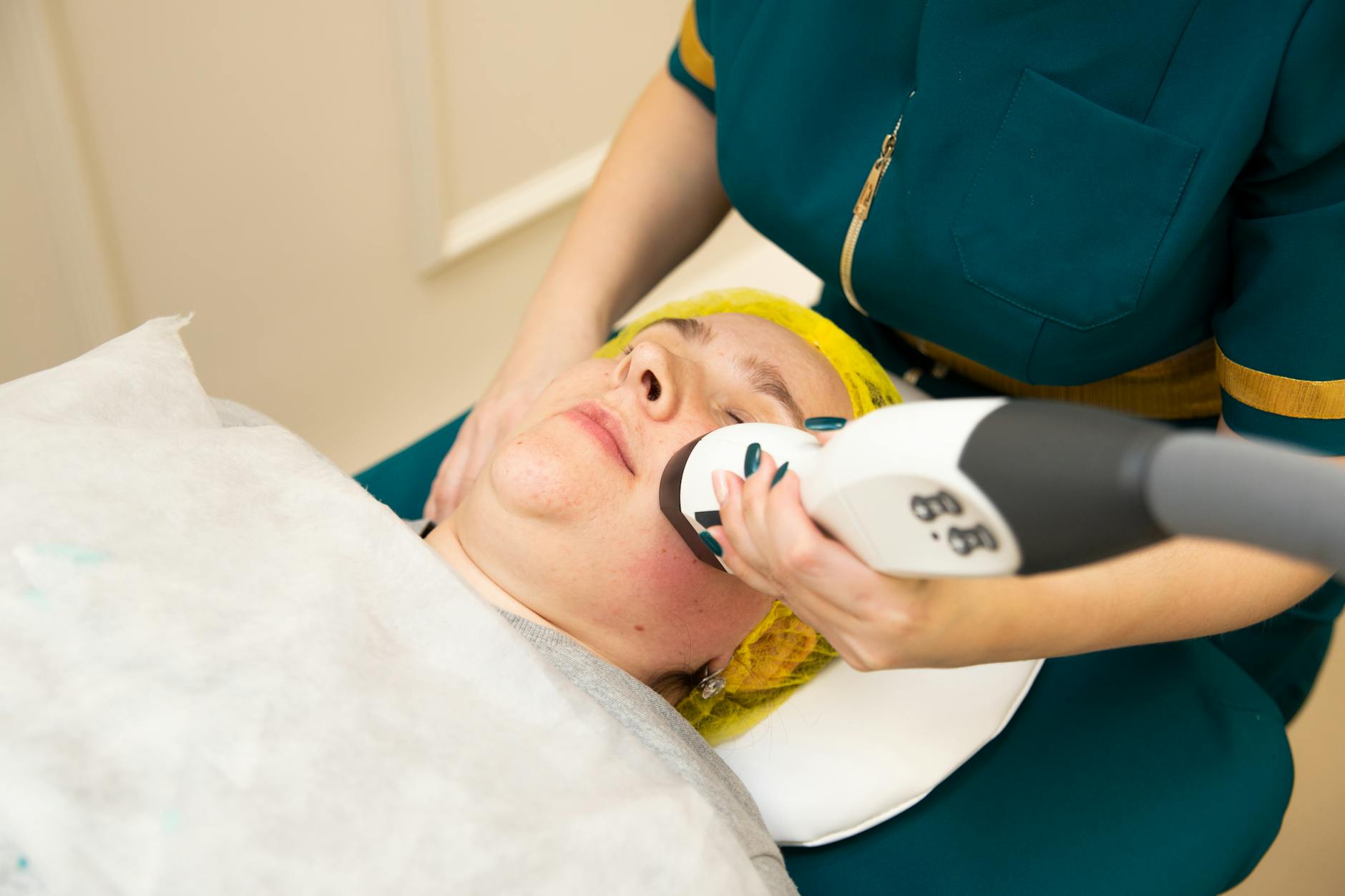
Nd:YAG laser treatments typically range from $200 to $800 per session, depending on what skin condition you're treating. Acne treatments generally cost between $200-400 per session, while hair removal sessions range from $300-600. Tattoo removal commands higher prices at $400-800 per session due to the complexity and power required.
“The investment in professional laser treatment often prevents the long-term costs and emotional impact of untreated skin conditions.”
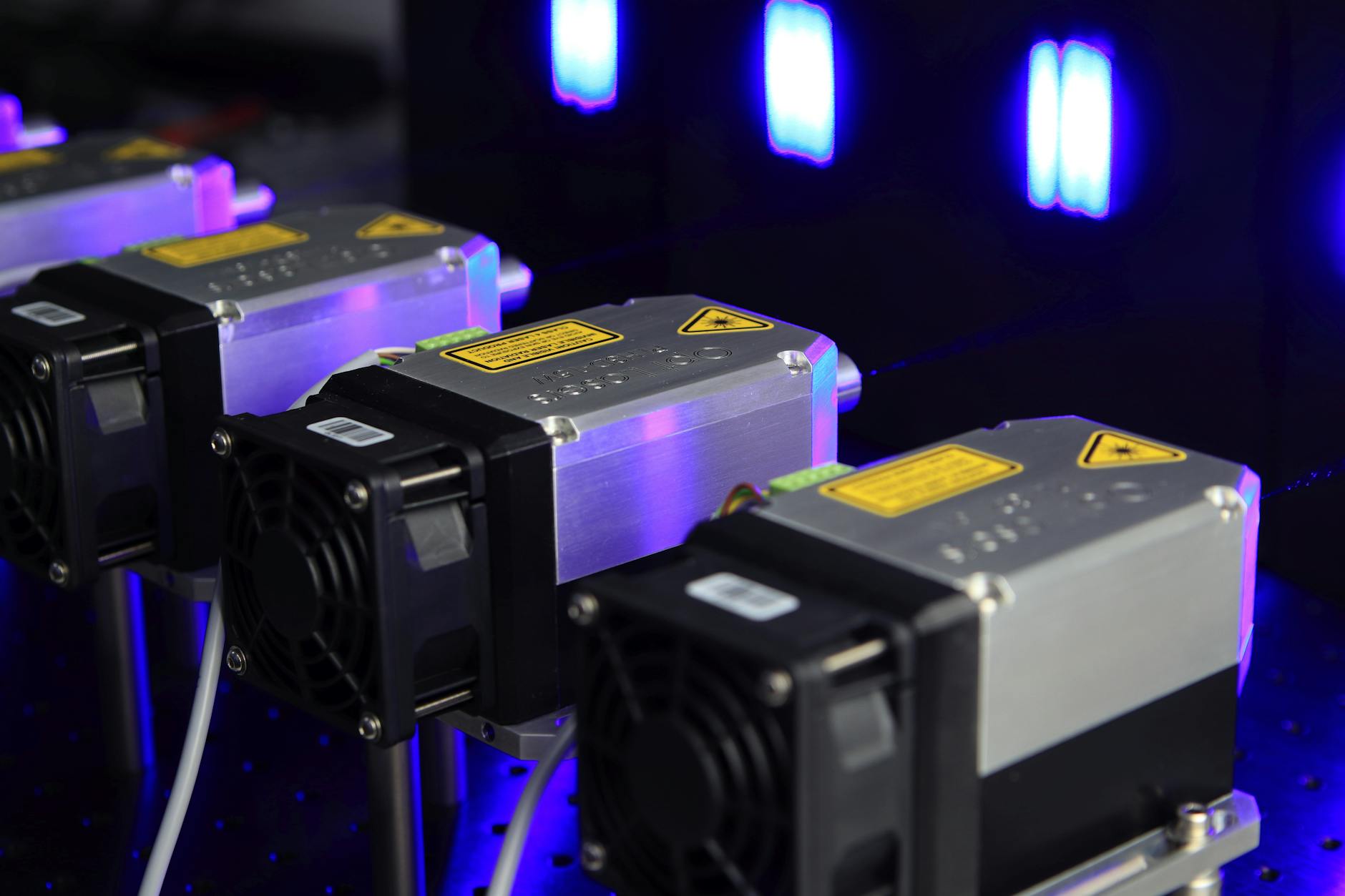
Several factors influence these pricing differences between providers. Board-certified dermatologists typically charge more than medical spas because of their specialized training and ability to handle complications safely. The laser equipment itself varies in quality and effectiveness, with newer, more advanced machines commanding higher treatment fees.
Geographic location significantly impacts pricing structures. Major metropolitan areas like New York and Los Angeles see prices 30-50% higher than smaller cities. For example, a single acne treatment session might cost $400 in Manhattan but only $250 in Kansas City. Rural areas often have limited options but may offer more competitive pricing to attract patients.
Most conditions require multiple sessions spaced weeks apart. Budget for 4-6 treatments for acne improvement, 6-8 sessions for hair removal, and 8-12 sessions for tattoo removal. Many providers offer package deals that reduce the per-session cost when you commit to a complete treatment series upfront.
Cost Breakdown by Treatment Type
Nd:YAG laser pricing varies significantly depending on what skin concern you're treating. Understanding these cost differences helps you budget appropriately and avoid unexpected expenses that could delay your treatment plan.
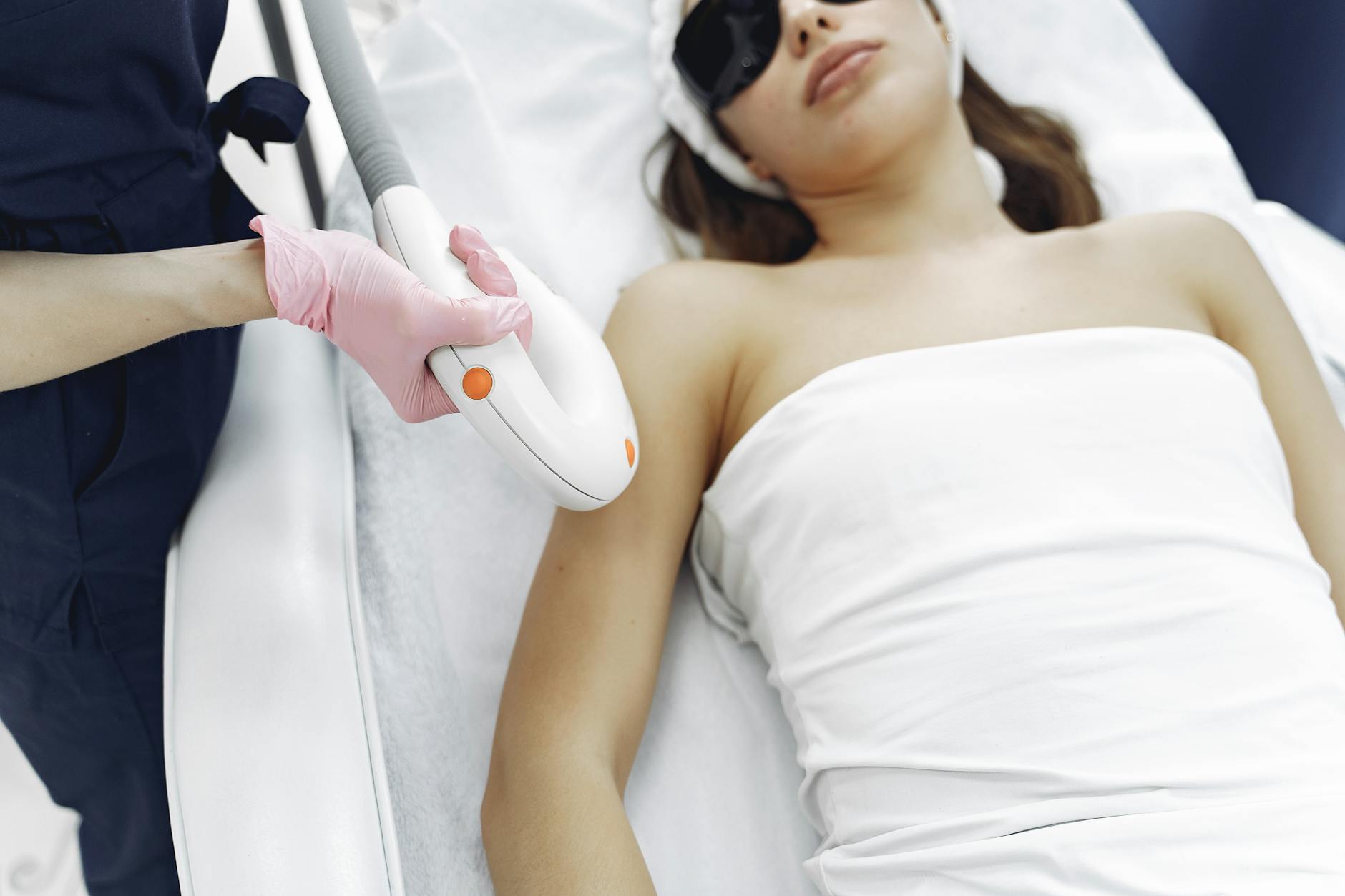
Hair removal represents the most common Nd:YAG application, with single sessions ranging from $100 to $400. Small areas like the upper lip cost around $75 to $150 per session, while larger areas such as legs or back can reach $300 to $500. Most patients need six to eight sessions spaced four to six weeks apart for optimal results.
“The key to avoiding treatment complications is choosing an experienced provider who understands your skin type and adjusts laser settings accordingly.”
Vascular lesion treatments, which target spider veins and broken capillaries, typically cost between $150 to $400 per session. Facial treatments generally fall on the lower end, while treating larger areas like leg veins commands higher prices. Most vascular issues require two to four sessions for complete clearance.
Pigmentation treatment costs vary from $200 to $600 per session, depending on the size and depth of discoloration. Age spots and sun damage usually need fewer sessions than melasma or post-inflammatory hyperpigmentation. Deep pigmentation may require three to five treatments for satisfactory results.
Package pricing offers substantial savings over individual sessions. Most clinics provide 10% to 20% discounts when you purchase multiple treatments upfront. For example, a six-session hair removal package that would cost $1,800 individually might be offered at $1,440 with package pricing. This approach also ensures treatment continuity, reducing the risk of inconsistent results that can occur with treatment gaps.
Factors That Influence Nd:YAG Laser Pricing

Several key variables determine how much you'll pay for Nd:YAG laser treatments. Understanding these factors helps you budget accurately and avoid surprise costs that might delay your path to clearer skin.
Treatment area size significantly impacts pricing. A small tattoo on your wrist costs much less than hair removal across your entire back. Providers typically charge per pulse or by treatment zones, with larger areas requiring more time and laser energy. Face treatments for melasma usually cost $200-400 per session, while full-leg hair removal ranges from $600-900.
The number of sessions required varies dramatically based on your skin condition. Broken capillaries might clear in 1-2 treatments, while stubborn tattoos often need 6-10 sessions. Your provider should give you a realistic session estimate during consultation, preventing unexpected financial commitments.
Provider expertise and location create substantial price differences. Board-certified dermatologists in major cities charge premium rates compared to medical spas in smaller towns. However, experienced providers reduce your risk of complications or scarring that could require expensive corrective treatments later.
Equipment quality affects both results and costs. Newer laser systems deliver more precise energy with better cooling systems, often justifying higher treatment prices. Clinics using older technology may charge less but require more sessions to achieve similar results, potentially increasing your total investment.
Insurance Coverage and Medical Necessity
Understanding insurance coverage for Nd:YAG laser treatments requires knowing the difference between cosmetic and medical necessity. Insurance companies typically cover laser treatments only when they address medical conditions like active acne with documented scarring risk, not for purely aesthetic improvements.
Medical necessity criteria focus on functional impairment or psychological distress that significantly impacts daily life. Your dermatologist must document failed conservative treatments, infection risk, or severe inflammatory acne that could lead to permanent scarring. Insurance won't cover treatments aimed solely at improving appearance or minor skin texture issues.
Required documentation includes comprehensive medical records showing previous treatment attempts, photographs demonstrating severity, and detailed notes about how the condition affects your quality of life. Your provider should submit pre-authorization requests with clear medical justification explaining why laser treatment is necessary rather than elective.
Health Savings Accounts and Flexible Spending Accounts can cover medically necessary laser treatments with proper documentation. However, purely cosmetic procedures remain ineligible for HSA or FSA reimbursement. Keep detailed receipts and medical records to support any claims for tax-advantaged account withdrawals.
Financing Options and Payment Plans
Don't let cost prevent you from getting the clear skin you want. Several financing options can make Nd:YAG laser treatments more affordable while you work toward your goal of preventing future breakouts and avoiding permanent scarring.
Medical financing companies like CareCredit, Cherry, and PatientFi offer specialized healthcare loans with promotional interest rates. Many provide 6-24 month interest-free periods if you qualify, letting you spread payments without extra costs. These companies partner directly with dermatology practices and approve applications quickly, often within minutes.
Most laser treatment providers offer in-house payment plans that divide your total cost into monthly installments. For example, a $2,000 treatment series might become $167 monthly over 12 months. These plans typically require a down payment of 20-30% and may include small financing fees.
Credit cards with promotional 0% APR periods can work for smaller treatment costs, but avoid regular credit cards with high interest rates that could double your expenses over time.
Start saving early by setting aside money monthly before your first appointment. Some practices offer discounts for upfront payment, potentially saving you 5-10% of the total cost. Ask about package deals that bundle multiple sessions at reduced rates.
Comparing Nd:YAG Costs to Alternative Treatments
When weighing Nd:YAG laser costs against other skin treatments, understanding the full picture helps you make informed decisions. While Nd:YAG sessions typically cost $200-500 each, IPL treatments range from $150-400 per session. However, IPL often requires more sessions to achieve similar results, potentially equalizing total costs.
Chemical Peels present a budget-friendly alternative at $50-200 per treatment. These acid treatments remove damaged skin layers through controlled chemical exfoliation, addressing acne scars, fine lines, and uneven tone. While gentler on your wallet, chemical peels require multiple sessions and deliver more gradual results compared to laser treatments.
Long-term value considerations favor laser treatments for permanent hair removal and deeper skin concerns. Nd:YAG lasers target specific chromophores with precision, reducing risks of scarring that worry many patients. One laser session often equals the effectiveness of three IPL treatments or five chemical peels.
Treatment efficacy versus cost analysis reveals laser therapy's superior results justify higher upfront investment. For acne scarring, Nd:YAG lasers penetrate deeper tissue layers, stimulating collagen production more effectively than surface treatments. This means fewer total sessions and faster results, ultimately saving money while achieving your clear skin goals more quickly than alternative methods.
Getting Accurate Pricing Estimates

Getting reliable cost estimates requires asking the right questions during consultations. Start by asking about the total number of sessions needed for your specific skin condition, not just the per-session cost. Request a written breakdown that includes consultation fees, treatment costs, and any follow-up care required.
Watch for pricing red flags that could indicate inexperienced providers or hidden costs. Be cautious of prices significantly below market rates, pressure to prepay for multiple sessions, or providers who can't explain their pricing structure clearly. Legitimate clinics provide transparent pricing without requiring immediate decisions.
Request detailed quotes from at least three providers including all potential costs.
Calculate the complete cost including initial consultation and estimated session totals.
Confirm the practitioner's training and experience with your specific skin concerns.
When comparing quotes, focus on value rather than just price. A slightly more expensive provider with extensive experience may prevent the permanent scarring you're worried about, making the investment worthwhile. Ask about their success rates and view before-and-after photos of similar cases to yours.
Tips for Managing Treatment Costs
Smart timing can significantly reduce your Nd:YAG laser treatment expenses. Many practices offer promotional pricing during slower months, typically January through March. Booking during these periods often yields 15-30% savings compared to peak summer months when demand surges.
Package deals represent your best opportunity for substantial savings. Most clinics provide discounts when you purchase multiple sessions upfront. For instance, buying a five-session package might cost $2,000 instead of $2,500 for individual treatments. This approach also ensures treatment continuity, which helps prevent the scarring and social embarrassment you're working to avoid.
Maximize your investment value by combining treatments strategically. Some providers offer bundled services that address multiple skin concerns simultaneously. Rather than separate appointments for different issues, discuss comprehensive treatment plans that tackle acne scarring, pigmentation, and prevention in coordinated sessions.
Consider flexible payment options that many practices now offer. Medical credit programs like CareCredit provide interest-free periods, making treatments more manageable financially. Some clinics also offer in-house payment plans that spread costs over several months without credit checks.
Maintain realistic expectations about treatment timelines. Rushing through sessions or skipping recommended intervals often requires additional treatments later, ultimately increasing total costs. Following your provider's schedule protects both your skin and your wallet.
Strategic timing, package deals, and consistent treatment schedules offer the best opportunities to reduce Nd:YAG laser costs while achieving optimal results.
Frequently Asked Questions
How much does Nd:YAG laser treatment cost per session?
Nd:YAG laser treatments typically range from $200 to $800 per session, depending on the specific skin condition being treated. Acne treatments generally cost between $200-400 per session, while hair removal sessions range from $300-600. Tattoo removal commands higher prices at $400-800 per session due to the complexity and power required.
How many Nd:YAG laser sessions do I need for hair removal?
Most patients need six to eight sessions spaced four to six weeks apart for optimal hair removal results. The exact number of sessions required may vary depending on factors like hair thickness, skin type, and the treatment area size. Many providers offer package deals that reduce the per-session cost when you commit to a complete treatment series upfront.
Why do Nd:YAG laser prices vary between different providers?
Several factors influence pricing differences between providers, including the practitioner's qualifications and equipment quality. Board-certified dermatologists typically charge more than medical spas because of their specialized training and ability to handle complications safely. The laser equipment itself varies in quality and effectiveness, with newer, more advanced machines commanding higher treatment fees.
How much does Nd:YAG laser treatment cost for vascular lesions?
Vascular lesion treatments, which target spider veins and broken capillaries, typically cost between $150 to $400 per session. Facial treatments generally fall on the lower end of this range, while treating larger areas like leg veins commands higher prices. Most vascular issues require two to four sessions for complete clearance.
Does location affect Nd:YAG laser treatment pricing?
Geographic location significantly impacts pricing structures for Nd:YAG laser treatments. Major metropolitan areas like New York and Los Angeles see prices 30-50% higher than smaller cities. For example, a single acne treatment session might cost $400 in Manhattan but only $250 in Kansas City, while rural areas often offer more competitive pricing to attract patients.
Disclaimer: This content is for informational purposes only and does not constitute medical advice. Always consult a qualified healthcare provider before making health decisions.