Why Nd:YAG Lasers Work Better for Dark Skin

Traditional laser hair removal has failed many people with darker skin tones, often causing burns, scars, and permanent discoloration. The problem lies in wavelength selection. Most older lasers operate at shorter wavelengths that cannot distinguish between the melanin in your skin and the melanin in your hair follicles.
“The 1064nm wavelength passes through surface melanin like light through tinted glass, reaching the hair follicle without burning the skin above.”
Nd:YAG lasers solve this problem by using a 1064nm wavelength that bypasses melanin in your skin's surface layers. Think of it like a specialized key that only fits the lock of hair follicle melanin. This longer wavelength penetrates deeper into your skin without being absorbed by surface pigmentation, dramatically reducing your risk of burns and the permanent scarring you're worried about.
For example, someone with Fitzpatrick skin type V or VI can receive effective treatment without the hyperpigmentation that plagued earlier laser technologies. The laser energy travels past your skin's protective melanin barrier and concentrates its power specifically on destroying hair follicles where it's needed most.
This targeted approach means safer treatments with visible results, giving you the clear, smooth skin you want without compromising your natural complexion.
Understanding the Hair Removal Process
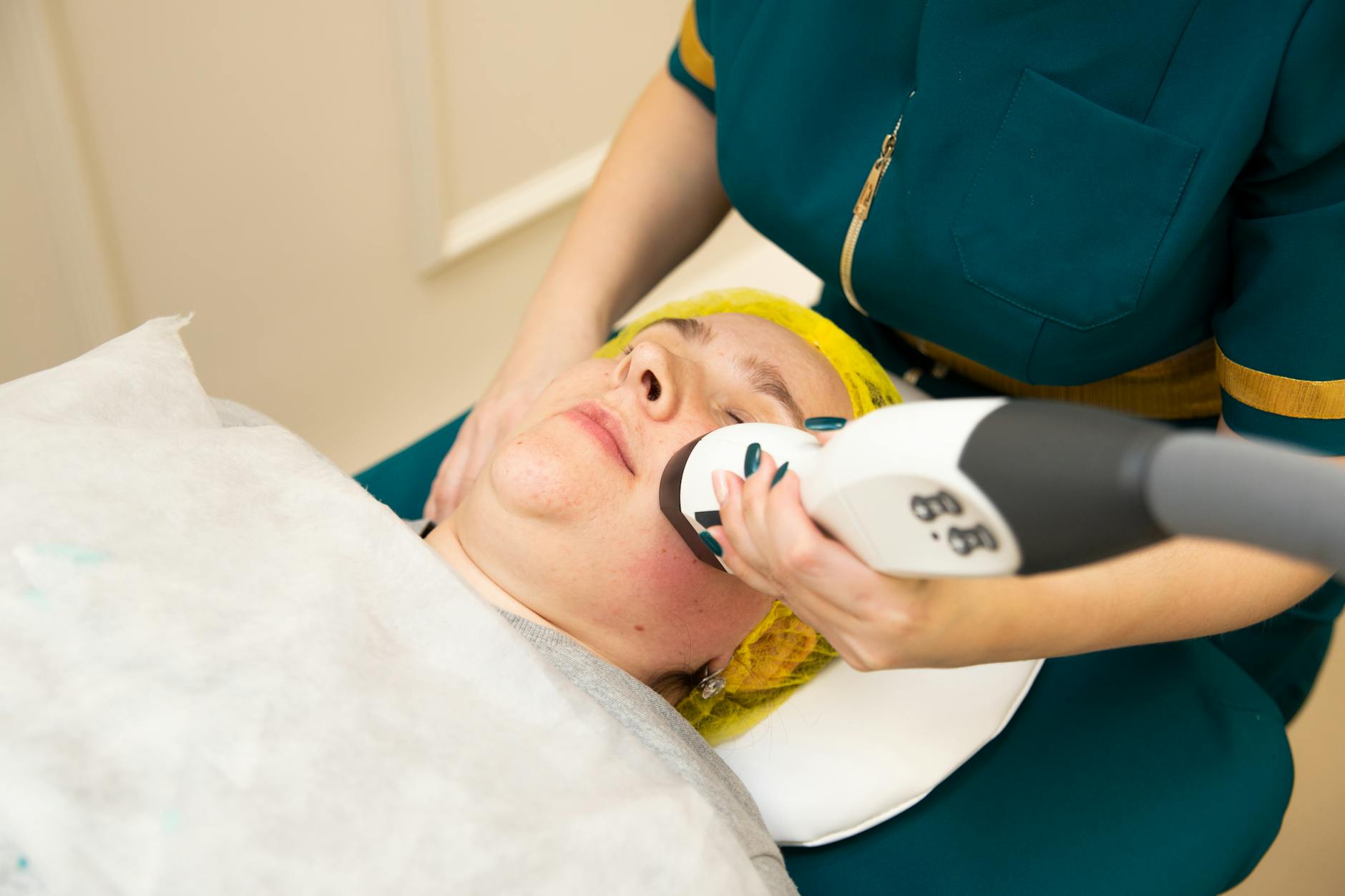
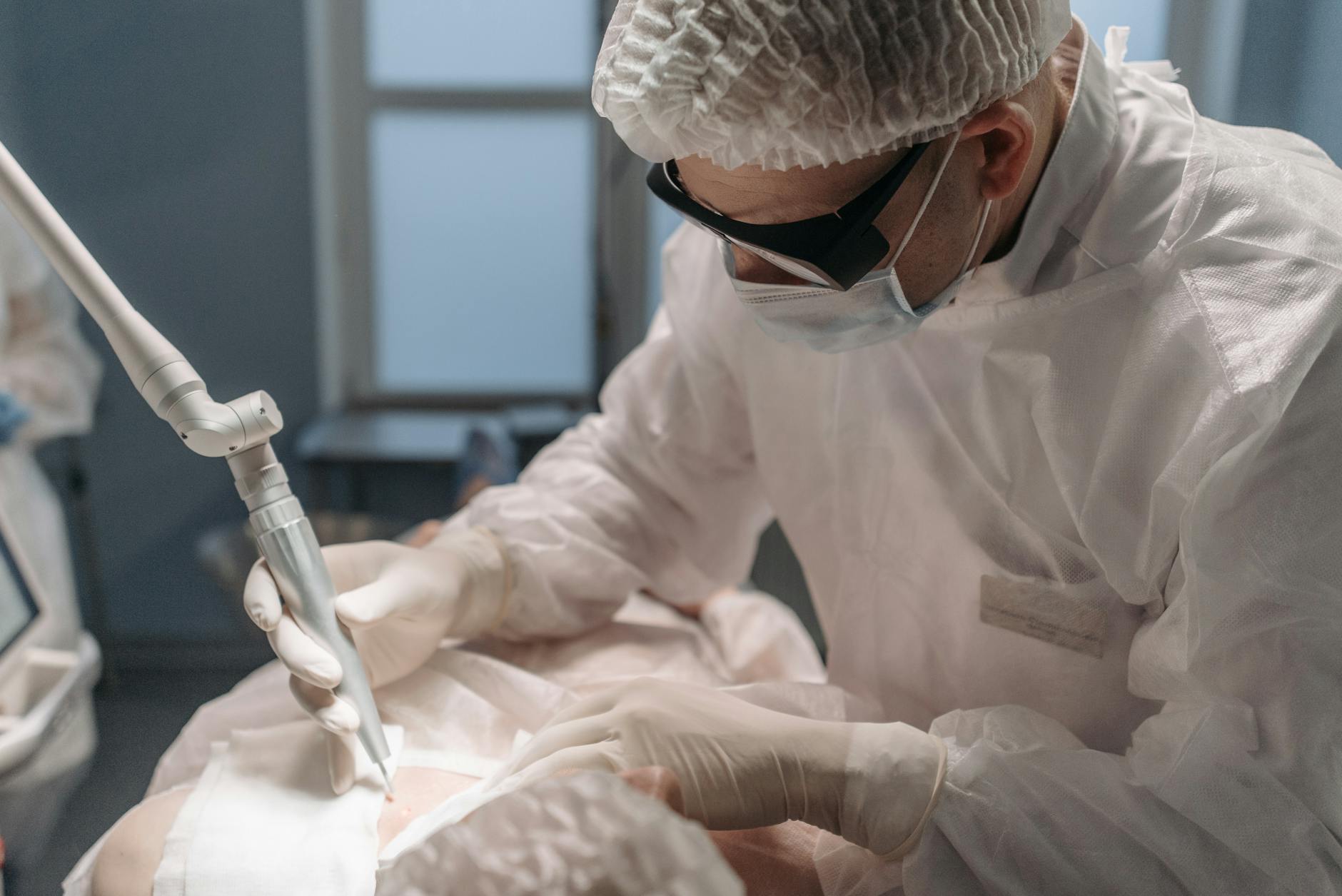
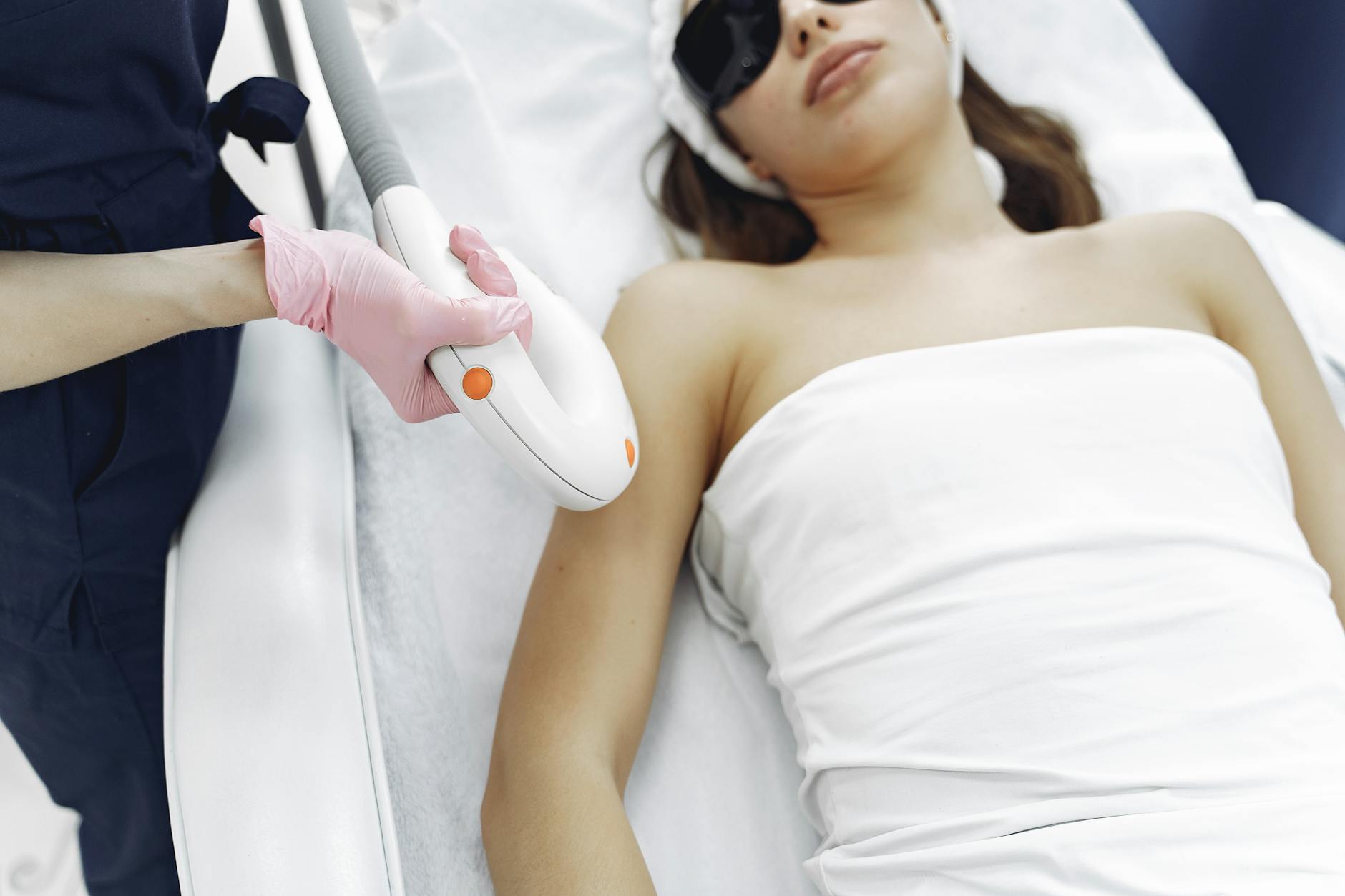
Nd:YAG laser hair removal works by delivering concentrated light pulses directly into individual hair follicles. The laser's specific wavelength targets the melanin pigment within the hair shaft, heating it enough to damage the follicle's ability to produce new hair. A cooling gel applied before treatment protects the surrounding skin from heat damage, reducing discomfort and preventing burns or scarring.
“The laser targets melanin in hair follicles while cooling gel protects surrounding skin from heat damage.”
This treatment effectively addresses various unwanted hair growth conditions, including hirsutism (excessive hair growth in women) and pseudofolliculitis barbae (razor bumps from ingrown hairs). The laser can safely treat multiple body areas during each session, including the face, legs, arms, bikini area, underarms, back, and chest.
Each pulse lasts milliseconds and covers roughly a quarter-sized area. The treatment feels like a rubber band snapping against your skin, with most people finding it quite tolerable. Unlike other hair removal methods that only temporarily remove visible hair, laser hair removal targets the root cause by damaging the follicle itself, leading to permanent hair reduction over multiple sessions.
What to Expect: Results and Timeline

Laser hair removal delivers gradual but significant results over several months. Most patients achieve permanent hair reduction of 80-90% after completing 6-8 sessions, though individual outcomes vary based on hair color, thickness, and skin tone.
You'll notice visible improvements after 2-3 treatments, with hair growing back thinner and sparser. The complete process typically spans 6-12 months, requiring follow-up sessions every 4-8 weeks to target hair in different growth phases.
Unlike temporary methods like shaving or waxing, laser hair removal provides long-lasting results without the daily maintenance routine. For example, legs that once required weekly shaving may only need occasional touch-ups after treatment completion. Some patients experience minimal regrowth that's barely noticeable, while others achieve complete permanent hair removal in treated areas.
Preparing for Your Treatment
Proper preparation ensures your laser hair removal treatment is both safe and effective. Taking the right steps beforehand reduces your risk of complications like scarring or burns that can cause long-term embarrassment.
Use a clean razor 24-48 hours before your appointment to remove surface hair.
Stay out of direct sunlight and skip tanning beds for 4 weeks prior to treatment.
Discontinue these hair removal methods 6 weeks before your session to ensure hair follicles are intact.
Certain conditions prevent safe laser treatment. Pregnancy is an absolute contraindication since hormonal changes affect hair growth patterns. Many medications increase light sensitivity, including antibiotics like tetracycline and acne treatments containing retinoids. Your provider will review your complete medication list during consultation.
Skip makeup, deodorant, and lotions on treatment day. These products can interfere with laser penetration and increase burn risk.
Post-Treatment Care and Safety
Proper aftercare following laser hair removal protects your skin from complications and helps prevent the scarring that concerns many patients. Your skin becomes more sensitive after treatment, making it vulnerable to damage from sun exposure and improper care.
Use broad-spectrum sunscreen for at least two weeks after treatment to prevent hyperpigmentation.
Check treated areas daily for unusual darkening, lightening, or persistent redness that doesn't fade within 48 hours.
Stay out of direct sunlight completely for the first week, then limit exposure for another week.
Contact your dermatologist immediately if you notice any pigmentation changes, blistering, or signs of infection. These symptoms require prompt professional attention to prevent permanent complications and ensure optimal healing.
Complementary Skin Treatments

After completing your laser hair removal sessions, you might want to address other skin concerns like acne scars or uneven texture. Chemical Peels offer an excellent complementary treatment that removes damaged skin layers through controlled chemical exfoliation, revealing smoother, more even-toned skin underneath.
These acid treatments can effectively tackle acne scars, fine lines, and uneven skin tone that may become more noticeable once unwanted hair is removed. The improved skin texture and reduced pigmentation become visible within 1-4 weeks, depending on the peel depth used.
Timing matters significantly when combining treatments. You'll need to space Chemical Peels appropriately around your laser sessions to avoid skin irritation or complications. Your dermatologist will create a treatment schedule that maximizes results while protecting your skin from potential scarring or adverse reactions.
Making the Right Choice
Nd:YAG laser hair removal works best for people with darker skin tones (types IV-VI) who want permanent hair reduction. This laser type penetrates deeper than others, making it safer for melanin-rich skin while minimizing scarring risks that concern many patients.
Schedule a dermatologist consultation if you have hormonal hair growth, previous laser complications, or take medications affecting photosensitivity. Your doctor will assess your skin type, hair texture, and medical history to create a safe treatment plan.
Compared to alexandrite or diode lasers, Nd:YAG offers superior safety for darker skin but requires more sessions for lighter hair colors. IPL treatments work faster but carry higher risks for pigmented skin. Most patients see significant hair reduction within six to eight sessions.
Consult a qualified dermatologist to determine if Nd:YAG laser matches your skin type and hair removal goals safely.
Frequently Asked Questions
Why is Nd:YAG laser better for dark skin than other laser hair removal?
Nd:YAG lasers use a 1064nm wavelength that bypasses melanin in your skin's surface layers, unlike shorter wavelengths that can't distinguish between skin melanin and hair follicle melanin. This longer wavelength penetrates deeper without being absorbed by surface pigmentation, dramatically reducing the risk of burns and permanent scarring. Traditional lasers often cause burns, scars, and permanent discoloration on darker skin tones because they operate at shorter wavelengths.
How does Nd:YAG laser hair removal work?
The laser delivers concentrated light pulses directly into individual hair follicles, targeting the melanin pigment within the hair shaft and heating it enough to damage the follicle's ability to produce new hair. A cooling gel applied before treatment protects the surrounding skin from heat damage, reducing discomfort and preventing burns or scarring. Each pulse lasts milliseconds and covers roughly a quarter-sized area, feeling like a rubber band snapping against your skin.
How many sessions are needed for laser hair removal results?
Most patients achieve permanent hair reduction of 80-90% after completing 6-8 sessions, though individual outcomes vary based on hair color, thickness, and skin tone. You'll notice visible improvements after 2-3 treatments, with hair growing back thinner and sparser. The complete process typically spans 6-12 months, requiring follow-up sessions every 4-8 weeks to target hair in different growth phases.
What conditions can Nd:YAG laser hair removal treat?
This treatment effectively addresses various unwanted hair growth conditions, including hirsutism (excessive hair growth in women) and pseudofolliculitis barbae (razor bumps from ingrown hairs). The laser can safely treat multiple body areas during each session, including the face, legs, arms, bikini area, underarms, back, and chest. It targets the root cause by damaging the follicle itself, leading to permanent hair reduction over multiple sessions.
Disclaimer: This content is for informational purposes only and does not constitute medical advice. Always consult a qualified healthcare provider before making health decisions.