What You'll Learn About Nd:YAG Laser for Pigmentation

If dark spots and uneven skin tone have you feeling self-conscious, this comprehensive guide will walk you through everything about Nd:YAG laser treatment. You'll discover how this proven technology targets stubborn pigmentation without the permanent scarring risks that worry many patients.
“Nd:YAG laser treatment offers a precise, controlled approach to removing pigmentation while preserving healthy surrounding skin tissue.”
We'll break down exactly how the treatment works to eliminate melasma, age spots, and sun damage. You'll learn the complete step-by-step process from consultation to final results, including realistic timelines for improvement. Most patients see noticeable clearing within 4-6 weeks.
This guide covers essential preparation steps to maximize your results and minimize downtime. You'll understand what to expect during recovery, how to protect your healing skin, and proven strategies to prevent new pigmentation from forming. By the end, you'll have the knowledge to make an informed decision about whether Nd:YAG laser treatment aligns with your skin goals.
Understanding Nd:YAG Laser Technology for Pigmentation
Nd:YAG lasers work like precision spotlights that target dark pigment in your skin while leaving healthy tissue untouched. The technology uses two specific wavelengths—532nm and 1064nm—each designed for different depths and types of pigmentation problems.
The 532nm wavelength targets surface-level dark spots like age spots and sun damage. It penetrates just deep enough to break up melanin clusters in the upper layers of skin. The 1064nm wavelength goes deeper, reaching melasma and stubborn pigmentation that sits in the dermis. This dual approach means your dermatologist can customize treatment based on exactly where your pigmentation lives.
“The laser energy heats pigment particles until they shatter into tiny fragments that your body naturally eliminates over the following weeks.”
What makes Nd:YAG particularly safe is its ability to bypass melanin in your normal skin tone. Unlike some laser treatments that can cause permanent lightening or darkening, Nd:YAG recognizes the difference between problematic pigment clumps and your natural skin color. This selective targeting dramatically reduces the risk of scarring or uneven skin tone that many patients worry about.
This technology stands apart from IPL (intense pulsed light) or chemical peels because it creates controlled thermal injury only where pigment exists. While IPL uses broad-spectrum light that can affect multiple skin components, Nd:YAG's focused wavelengths provide more predictable results with less downtime. The laser's nanosecond pulses create a photoacoustic effect—essentially using sound waves to shatter pigment without burning surrounding tissue.
Types of Pigmentation Nd:YAG Laser Can Treat

Nd:YAG lasers excel at treating several specific types of pigmentation, though success varies based on the depth and nature of your dark spots. Understanding which conditions respond best helps you set realistic expectations and avoid disappointment.
Melasma and hormonal pigmentation present the most complex challenge. These brown or gray patches, often triggered by pregnancy or birth control, sit deeper in the skin and can be stubborn. While Nd:YAG lasers can lighten melasma significantly, complete clearance may require multiple sessions and careful post-treatment care to prevent recurrence.
Age spots and solar lentigines respond exceptionally well to treatment. These flat, brown spots from sun damage typically lighten dramatically after just one or two sessions. A 65-year-old patient might see their hand spots fade by 70-80% within four weeks, for example.
Post-inflammatory hyperpigmentation from acne, cuts, or burns also responds well, though darker skin tones require extra caution to prevent paradoxical darkening. Your dermatologist will adjust laser settings specifically for your skin type to minimize this risk.
Café-au-lait spots, those light brown birthmarks, can be successfully treated, though they may require more sessions than acquired pigmentation. Children often see excellent results, though treatment timing depends on the spot's size and location.
Step-by-Step: What to Expect During Treatment
Understanding the treatment process helps ease anxiety and ensures you're fully prepared for your Nd:YAG laser session. The procedure follows a structured approach designed for safety and optimal results.
Your dermatologist examines your skin, discusses medical history, and determines the appropriate laser settings for your specific pigmentation type.
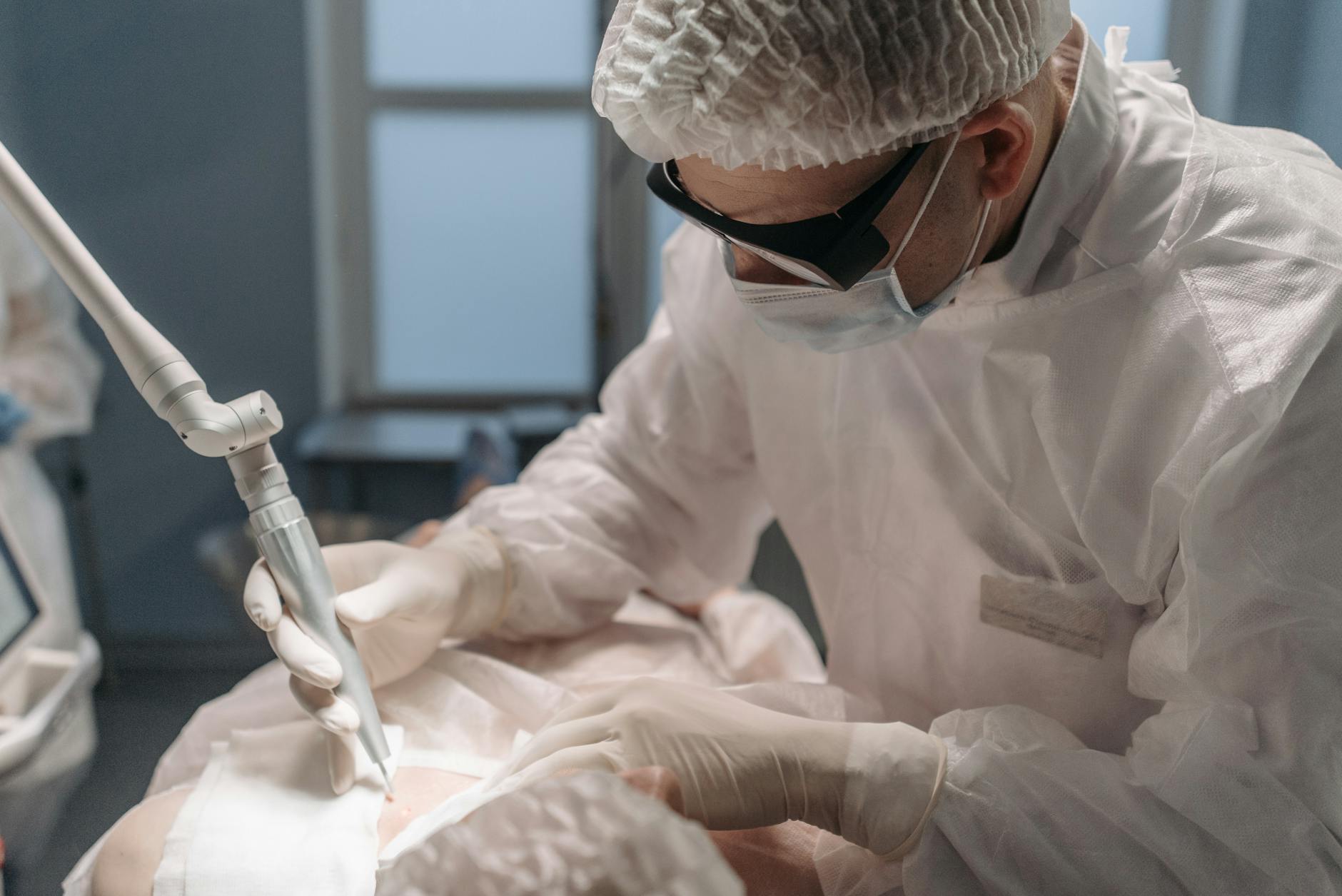
The treatment area is thoroughly cleansed, and protective eyewear is provided to shield your eyes from the laser light.
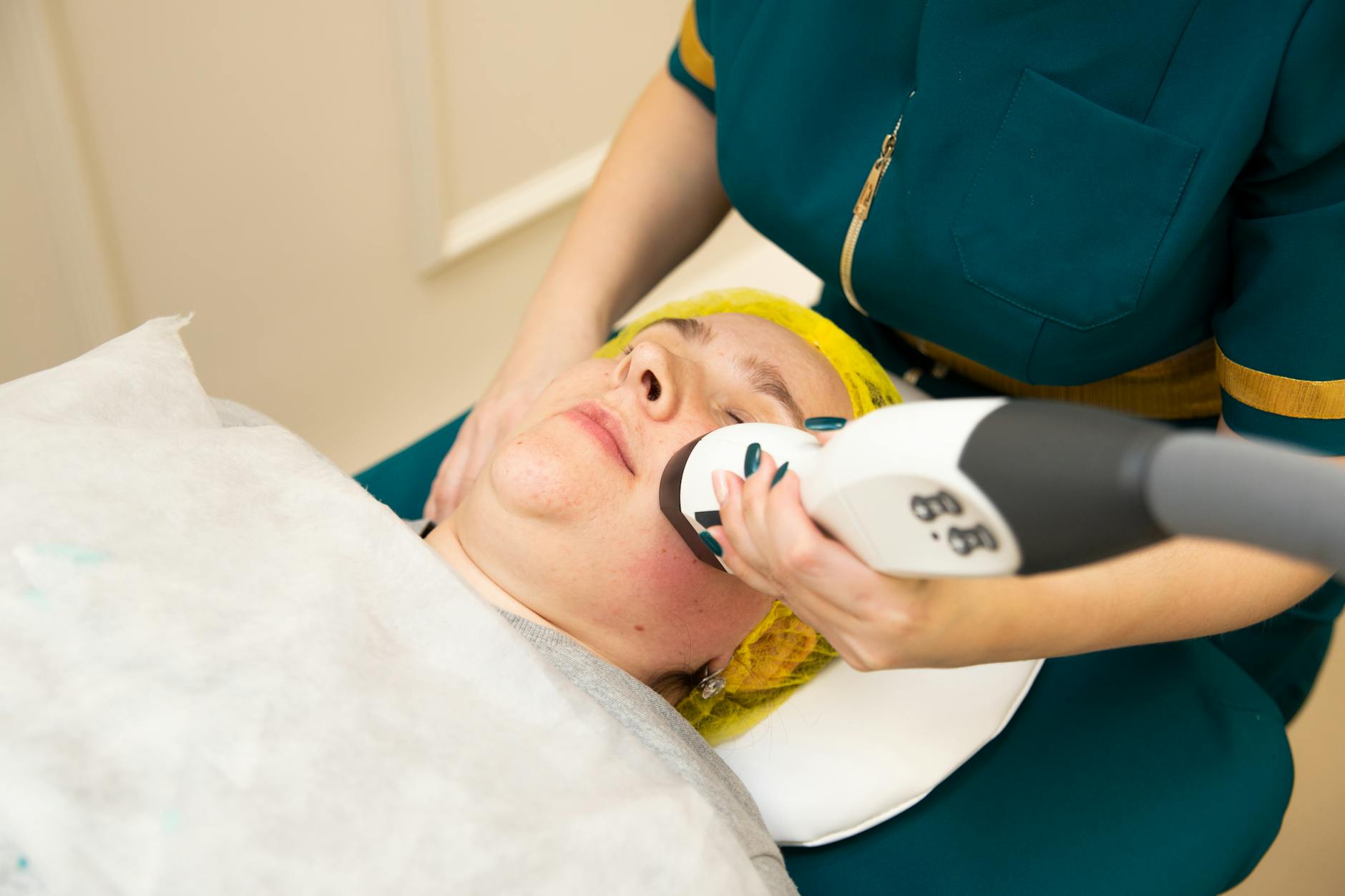
The handheld device delivers precise pulses of light to targeted areas, with most sessions lasting 15-30 minutes depending on treatment size.
Cool compresses are applied to reduce any redness or swelling, and specific aftercare instructions are provided.
During the initial consultation, your provider maps out the treatment areas and explains exactly what you'll experience. They'll test a small area first to gauge your skin's response and adjust settings accordingly. This careful approach minimizes risks and helps prevent the scarring that many patients worry about.
The actual treatment feels like rubber band snaps against your skin. Most patients tolerate this well, though topical numbing cream can be applied for sensitive areas. You'll hear the laser's clicking sound and may notice a slight burning smell as the pigment absorbs the light energy.
Immediately after treatment, the targeted pigmentation often appears darker or more pronounced. This is completely normal and indicates the laser is working effectively. The darkened areas will naturally flake off over the following days as your skin heals.
Your skin will be red and slightly swollen for a few hours post-treatment, similar to a mild sunburn. Ice packs help reduce discomfort, and most people return to normal activities the same day. Proper sun protection becomes crucial during the healing period to prevent new pigmentation from forming.
For example, patients treating age spots on their hands typically see the spots darken within hours, then gradually peel away over 7-10 days, revealing clearer skin underneath.
Preparing for Your Nd:YAG Laser Session
Proper preparation can significantly improve your treatment results and reduce the risk of complications. Start planning two weeks before your scheduled appointment to give your skin the best chance to respond positively to the laser.
Stay out of direct sunlight for at least two weeks and apply SPF 30+ sunscreen daily to prevent darkening of treated areas.
Discontinue retinoids, chemical exfoliants, and vitamin C serums seven days before treatment to prevent skin irritation.
Inform your provider about any blood-thinning medications or photosensitizing drugs that could affect treatment safety.
Avoid self-tanners and tanning beds for at least four weeks as artificial color can interfere with laser effectiveness.
Your skin should appear its natural color on treatment day without any active irritation or recent trauma. If you develop a cold sore, rash, or sunburn in the treatment area, reschedule your appointment to avoid complications that could lead to scarring.
Arrive with clean skin free of makeup, lotions, or skincare products. Your dermatologist will examine the treatment area before proceeding to ensure your skin is ready for the laser. This careful preparation helps ensure optimal results while minimizing any risk of adverse effects.
Recovery and Aftercare Guidelines

Your skin will look and feel different immediately after Nd:YAG laser treatment, and knowing what to expect helps you navigate recovery confidently. Most patients notice redness and mild swelling for 24 to 48 hours, similar to a sunburn sensation. Some treated pigmented areas may appear darker initially before they begin to fade and flake off naturally over the next week to ten days.
Apply cool compresses for 10-15 minutes every few hours on the first day to reduce swelling and discomfort.
Use lukewarm water and a mild, fragrance-free cleanser twice daily without scrubbing or rubbing the treated areas.
Apply a gentle, hypoallergenic moisturizer multiple times throughout the day to support healing and prevent excessive dryness.
Use broad-spectrum SPF 30 or higher sunscreen daily and avoid direct sun exposure for at least two weeks.
Avoid harsh skincare products containing retinoids, alpha hydroxy acids, or vitamin C for one week after treatment. Skip makeup for the first 24 hours unless your provider approves mineral-based formulas. Never pick, scratch, or scrub at darkened or flaking areas, as this increases your risk of scarring and can interfere with optimal healing.
Contact your dermatology provider immediately if you experience severe pain, increasing redness after day three, signs of infection like pus or excessive warmth, or any blistering. These symptoms are uncommon but require professional evaluation to prevent complications.
Most patients see initial improvement within two to four weeks, with continued fading over the following months. Your provider will schedule a follow-up appointment to assess your progress and determine if additional sessions are needed to achieve your desired results.
Alternative and Complementary Treatments
While Nd:YAG lasers excel at treating deep pigmentation, Chemical Peels offer an effective alternative for surface-level discoloration and mild melasma. These acid treatments remove damaged skin layers through controlled chemical exfoliation, making them particularly useful for treating acne scars, fine lines, age spots, and uneven skin tone on the face, neck, chest, hands, and back.
Chemical peels work best when pigmentation sits in the upper layers of skin, while Nd:YAG lasers target deeper melanin deposits. Your dermatologist might recommend peels first for superficial concerns or when you want to avoid laser downtime. However, peels require careful preparation including discontinuing retinoids one week prior and avoiding waxing or other laser treatments.
Many patients achieve optimal results through combination approaches. Your doctor might start with chemical peels to address surface irregularities, then follow with Nd:YAG treatments for stubborn deeper pigmentation. This layered strategy often produces more comprehensive improvement than either treatment alone.
Maintenance protocols typically involve alternating treatments every few months. For example, you might receive quarterly chemical peels with annual Nd:YAG sessions for touch-ups. This approach helps prevent new pigmentation while maintaining your results without the risk of permanent scarring that concerns many patients.
Combine Nd:YAG laser treatments with chemical peels for comprehensive pigmentation control and long-lasting results.
Frequently Asked Questions
How does Nd:YAG laser work for pigmentation removal?
Nd:YAG lasers work like precision spotlights that target dark pigment in your skin while leaving healthy tissue untouched. The laser energy heats pigment particles until they shatter into tiny fragments that your body naturally eliminates over the following weeks. The technology uses two specific wavelengths—532nm for surface-level dark spots and 1064nm for deeper pigmentation like melasma.
How long does it take to see results from Nd:YAG laser treatment?
Most patients see noticeable clearing within 4-6 weeks after treatment. The process works gradually as your body naturally eliminates the shattered pigment fragments over the following weeks after each session.
How many Nd:YAG laser sessions are needed for pigmentation?
Most patients need 3-6 sessions to achieve optimal results for pigmentation removal. The exact number depends on the type, depth, and extent of your pigmentation issues.
What types of pigmentation can Nd:YAG laser treat?
Nd:YAG lasers can treat age spots, sun damage, and melasma. The 532nm wavelength targets surface-level dark spots while the 1064nm wavelength reaches deeper pigmentation that sits in the dermis. Melasma and hormonal pigmentation present more complex challenges as they sit deeper in the skin.
Is Nd:YAG laser safe and does it cause scarring?
Nd:YAG laser is particularly safe because it can bypass melanin in your normal skin tone and selectively targets only problematic pigment clumps. This selective targeting dramatically reduces the risk of scarring or uneven skin tone that many patients worry about. The technology creates controlled thermal injury only where pigment exists, preserving healthy surrounding skin tissue.
Disclaimer: This content is for informational purposes only and does not constitute medical advice. Always consult a qualified healthcare provider before making health decisions.