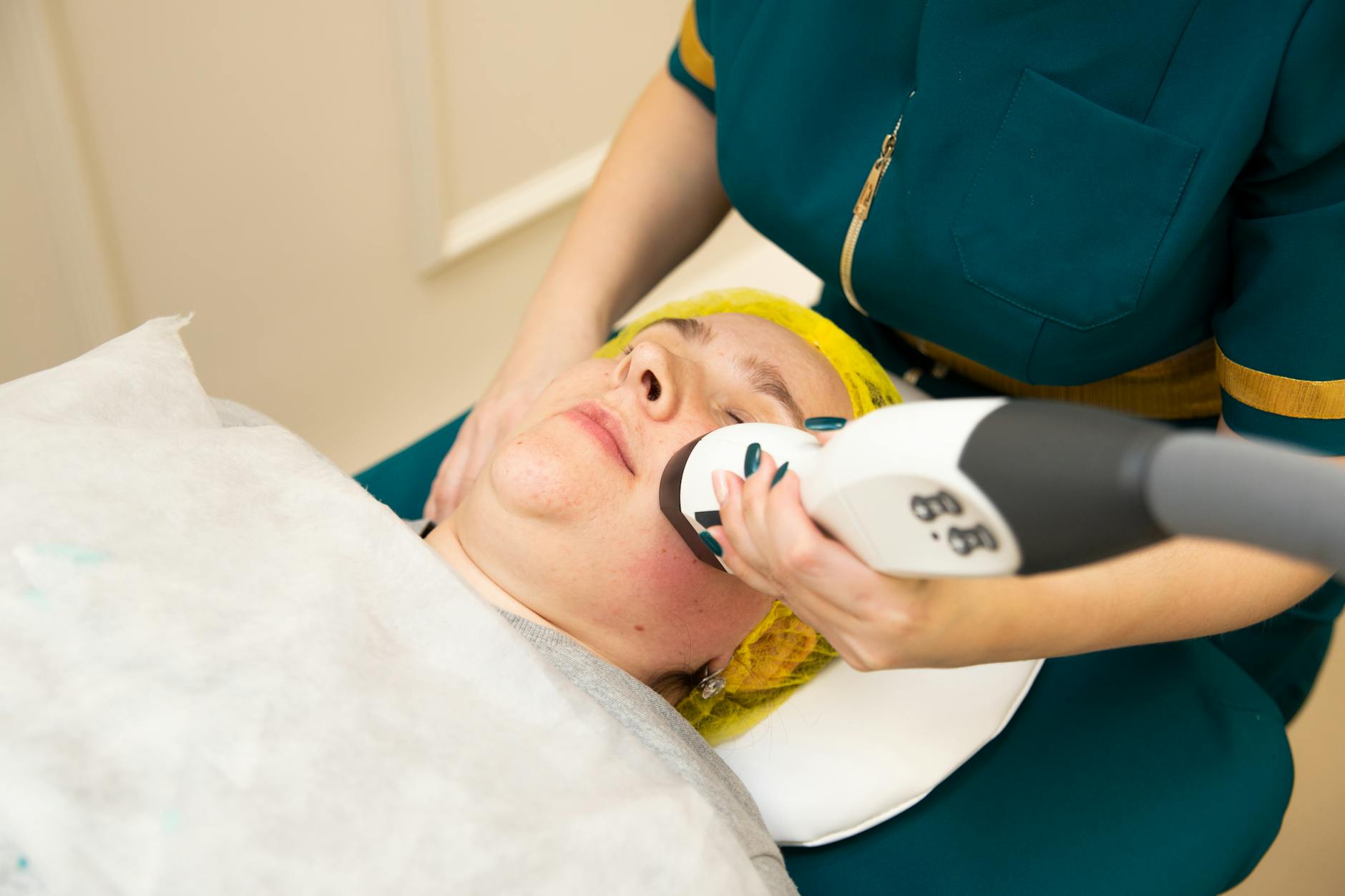
Common Side Effects You Can Expect

Understanding what happens after Nd:YAG laser treatment helps you prepare for the healing process without worrying about normal reactions. Most patients experience predictable side effects that resolve completely within a few days to weeks.
Immediately after treatment, you'll notice redness and swelling around the treated areas. This inflammatory response shows your skin is responding properly to the laser energy. The redness typically appears similar to a mild sunburn and gradually fades over 2-4 days.
“The redness and swelling you see after treatment are signs your skin is healing properly, not signs of damage.”
Mild discomfort during the procedure feels like rubber band snaps against your skin. Afterward, you might experience tenderness or a warm sensation for several hours. Your skin will also become temporarily more sensitive to sunlight and skincare products.
Most patients return to normal activities within 24-48 hours. Complete healing typically occurs within one to two weeks, and proper scarring is extremely rare when you follow post-treatment care instructions correctly.
Serious Risks and How to Avoid Them

While most Nd:YAG laser treatments proceed without major complications, understanding serious risks helps you make informed decisions and take proper precautions. These complications are rare when the procedure is performed correctly by experienced professionals.
“Permanent scarring from laser treatments is extremely rare when proper protocols are followed.”
Pigmentation changes represent the most significant concern. Hyperpigmentation creates dark spots that can persist for months, while hypopigmentation leaves permanent light patches. People with darker skin tones face higher risks. Your practitioner should perform a test spot and wait two weeks before proceeding with full treatment.
Burns occur when laser settings are too aggressive or cooling is inadequate. Proper technique includes using appropriate energy levels for your skin type and ensuring the cooling system functions correctly throughout treatment.
Scarring happens rarely but can result from treating already inflamed skin or using excessive energy. Avoid treatment during active breakouts and choose practitioners who regularly perform Nd:YAG procedures.
Infection prevention requires keeping treated areas clean and avoiding touching with unwashed hands. Follow all aftercare instructions precisely, including prescribed topical treatments and sun protection protocols.
Who Should Avoid Nd:YAG Laser Treatment
Certain individuals should postpone or avoid Nd:YAG laser treatment entirely to prevent complications and scarring. Pregnant and nursing women must wait, as hormonal changes can affect healing and increase sensitivity. Those with active skin infections, open wounds, or inflammatory conditions like severe acne flare-ups need treatment first before laser procedures.
Specific medications create risks too. Blood thinners, certain antibiotics, and retinoids can increase sensitivity and bleeding. Your provider must review all medications and supplements before treatment. Recent sun exposure or artificial tanning within four weeks makes skin vulnerable to burns and permanent discoloration.
People with very dark skin tones, keloid scarring history, or autoimmune conditions require careful evaluation. When you're honest about your medical history and current skin condition, your provider can determine the safest timing for treatment and minimize any risk of lasting complications.
Minimizing Your Risk: Before, During, and After

Taking the right precautions significantly reduces your risk of complications and helps ensure optimal results from your Nd:YAG laser treatment.
Select a board-certified dermatologist or plastic surgeon with extensive laser experience.
Avoid sun exposure, discontinue retinoids, and complete any prescribed prep routines.
Use gentle cleansers, apply prescribed ointments, and protect treated areas from sun exposure.
Inform your provider about all medications, recent treatments like Chemical Peels, and any history of keloid scarring. Your doctor needs this information to adjust treatment parameters and minimize risks.
Contact your provider immediately if you experience severe pain, signs of infection, or unusual changes in skin color that persist beyond expected healing times. Early intervention prevents minor issues from becoming permanent problems.
When to Contact Your Provider
Most patients recover smoothly from Nd:YAG laser treatments, but knowing when to seek medical attention protects you from complications. Contact your provider immediately if you notice signs of infection like increasing redness, warmth, pus, or red streaking around the treatment area.
Severe pain that worsens after the first day, excessive swelling, or unexpected changes in skin color warrant prompt evaluation. While proper scarring is extremely rare with professional treatment, delayed healing beyond two weeks requires assessment to ensure optimal results and prevent lasting skin changes.
Trust your instincts and contact your provider if anything feels wrong during your healing process.
Frequently Asked Questions
What are the common side effects of Nd:YAG laser treatment?
Common side effects include redness and swelling that appear similar to a mild sunburn, along with mild discomfort during treatment that feels like rubber band snaps. You may also experience tenderness and increased sensitivity to sunlight and skincare products for several hours afterward. These normal reactions typically resolve within 2-4 days, with complete healing occurring within one to two weeks.
Can Nd:YAG laser treatment cause permanent scarring?
Permanent scarring from Nd:YAG laser treatment is extremely rare when proper protocols are followed and the procedure is performed by experienced professionals. Scarring can occur if the skin is already inflamed or if excessive energy is used during treatment. To minimize this risk, avoid treatment during active breakouts and choose practitioners who regularly perform Nd:YAG procedures.
Who should avoid Nd:YAG laser treatment?
Pregnant and nursing women should wait due to hormonal changes that can affect healing and increase sensitivity. People with active skin infections, open wounds, severe acne flare-ups, or those taking blood thinners, certain antibiotics, and retinoids should postpone treatment. Additionally, individuals with recent sun exposure within four weeks, very dark skin tones, keloid scarring history, or autoimmune conditions require careful evaluation before proceeding.
What are the risks of pigmentation changes after Nd:YAG laser treatment?
Pigmentation changes are the most significant concern with Nd:YAG laser treatment, particularly for people with darker skin tones who face higher risks. Hyperpigmentation can create dark spots that persist for months, while hypopigmentation can leave permanent light patches. Your practitioner should perform a test spot and wait two weeks before proceeding with full treatment to minimize these risks.
How long does it take to recover from Nd:YAG laser treatment?
Most patients can return to normal activities within 24-48 hours after Nd:YAG laser treatment. The initial redness and swelling typically fade over 2-4 days, while complete healing usually occurs within one to two weeks. Following proper post-treatment care instructions is essential for optimal recovery and to prevent complications.
Disclaimer: This content is for informational purposes only and does not constitute medical advice. Always consult a qualified healthcare provider before making health decisions.