What Are Spider Veins and Broken Capillaries?

Spider veins and broken capillaries are two distinct types of visible blood vessels that appear on your skin's surface. Spider veins are small, twisted blood vessels that create web-like patterns, typically appearing red, blue, or purple. They most commonly develop on legs and thighs. Broken capillaries, meanwhile, are tiny damaged blood vessels that show up as red or purple lines, dots, or clusters, often on the face around the nose and cheeks.
“Understanding the difference between spider veins and broken capillaries helps you choose the most effective treatment approach.”
Several factors contribute to their development. Genetics plays a major role—if your parents had visible veins, you're more likely to develop them. Hormonal changes during pregnancy or menopause, prolonged standing, sun exposure, and aging all weaken blood vessel walls. The good news is that these conditions are purely cosmetic and won't cause permanent scarring or health complications.
Over time, these vessels become more prominent as collagen production decreases and skin loses elasticity, making existing damage more visible through thinner skin.
How Nd:YAG Laser Works on Vascular Lesions

The Nd:YAG laser operates on a simple but sophisticated principle: it emits light at a specific wavelength of 1064 nanometers that blood vessels absorb exceptionally well. When this targeted light energy hits the hemoglobin in your blood vessels, it converts to heat through a process called selective photothermolysis.
“The laser precisely targets blood vessels while leaving surrounding healthy skin completely untouched.”
Think of it like using a magnifying glass to focus sunlight on a specific spot. The laser energy heats the blood inside problematic vessels, causing them to collapse and seal shut. Your body then naturally reabsorbs these collapsed vessels over the following weeks, making them disappear from view.
The Nd:YAG laser excels at treating deeper vessels because its longer wavelength penetrates further into skin tissue than other laser types. This makes it particularly effective for leg veins and facial vessels that sit below the surface. The treatment causes minimal damage to surrounding skin, reducing your risk of scarring or permanent discoloration.
What to Expect During Nd:YAG Treatment
Your Nd:YAG treatment begins with a thorough consultation where your dermatologist examines your vascular lesions and reviews your medical history. They'll photograph the treatment areas, discuss realistic expectations, and create a customized treatment plan. This consultation ensures the laser settings match your specific skin type and lesion characteristics.
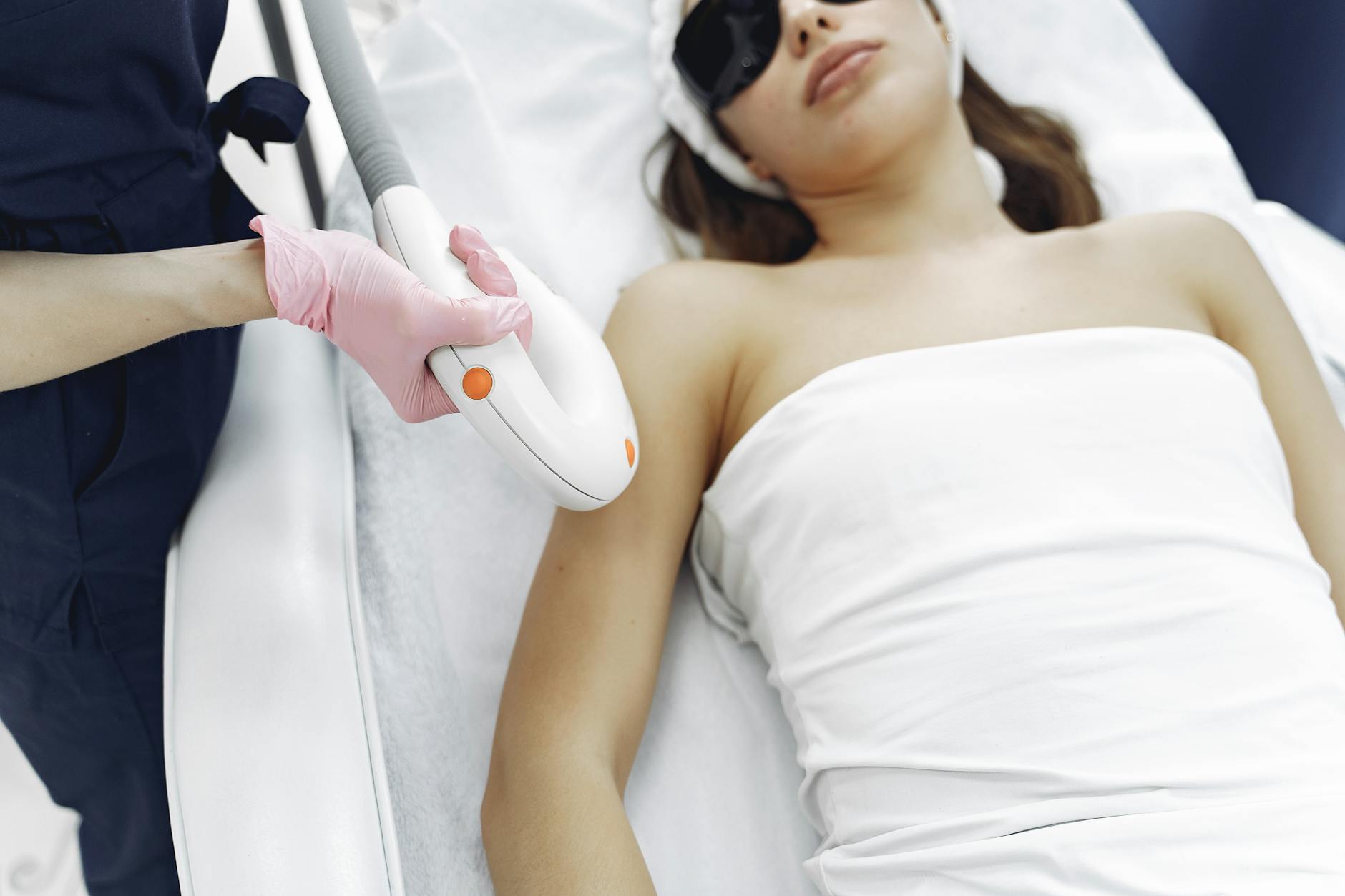
You'll receive protective eyewear and the treatment area will be cleaned thoroughly.
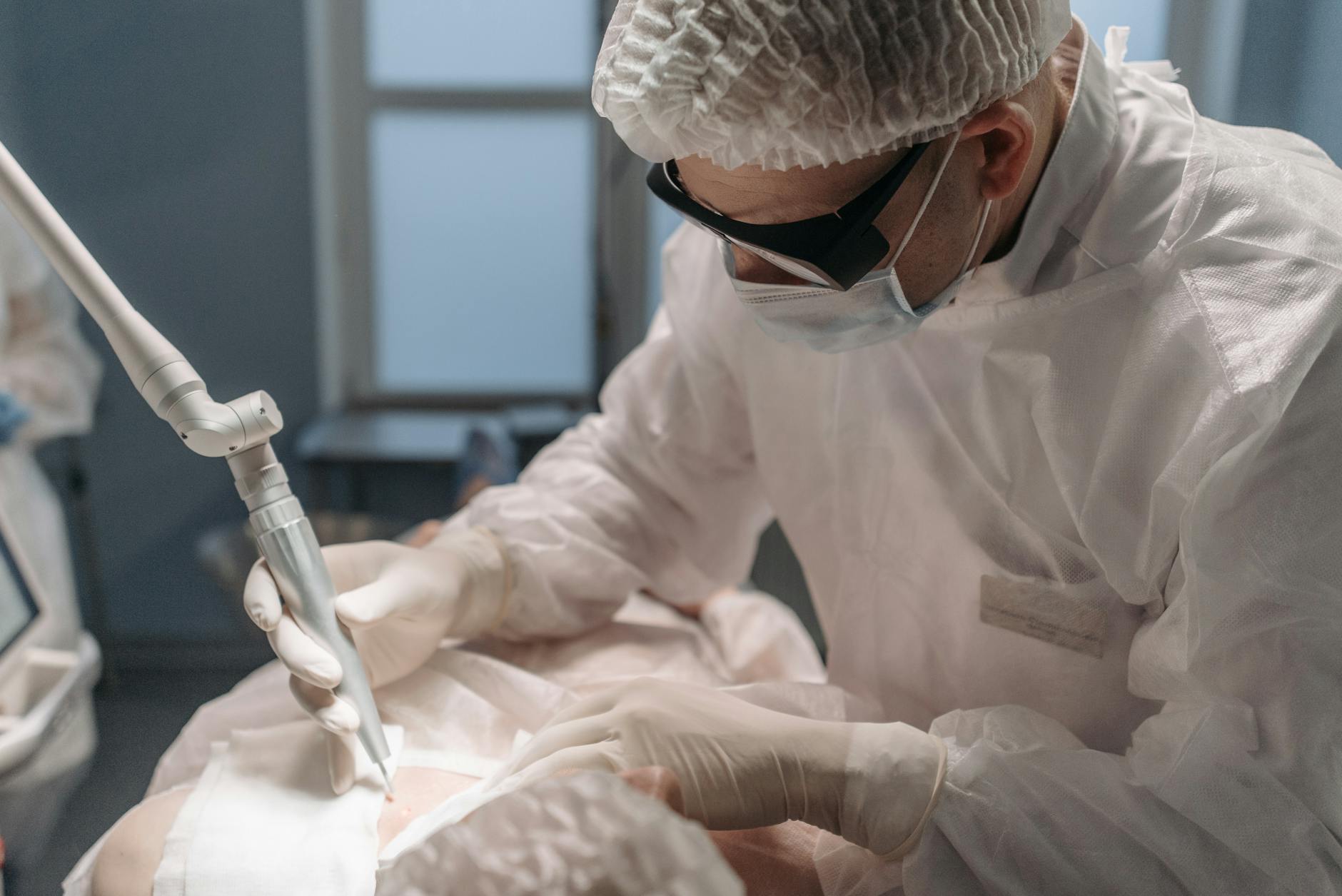
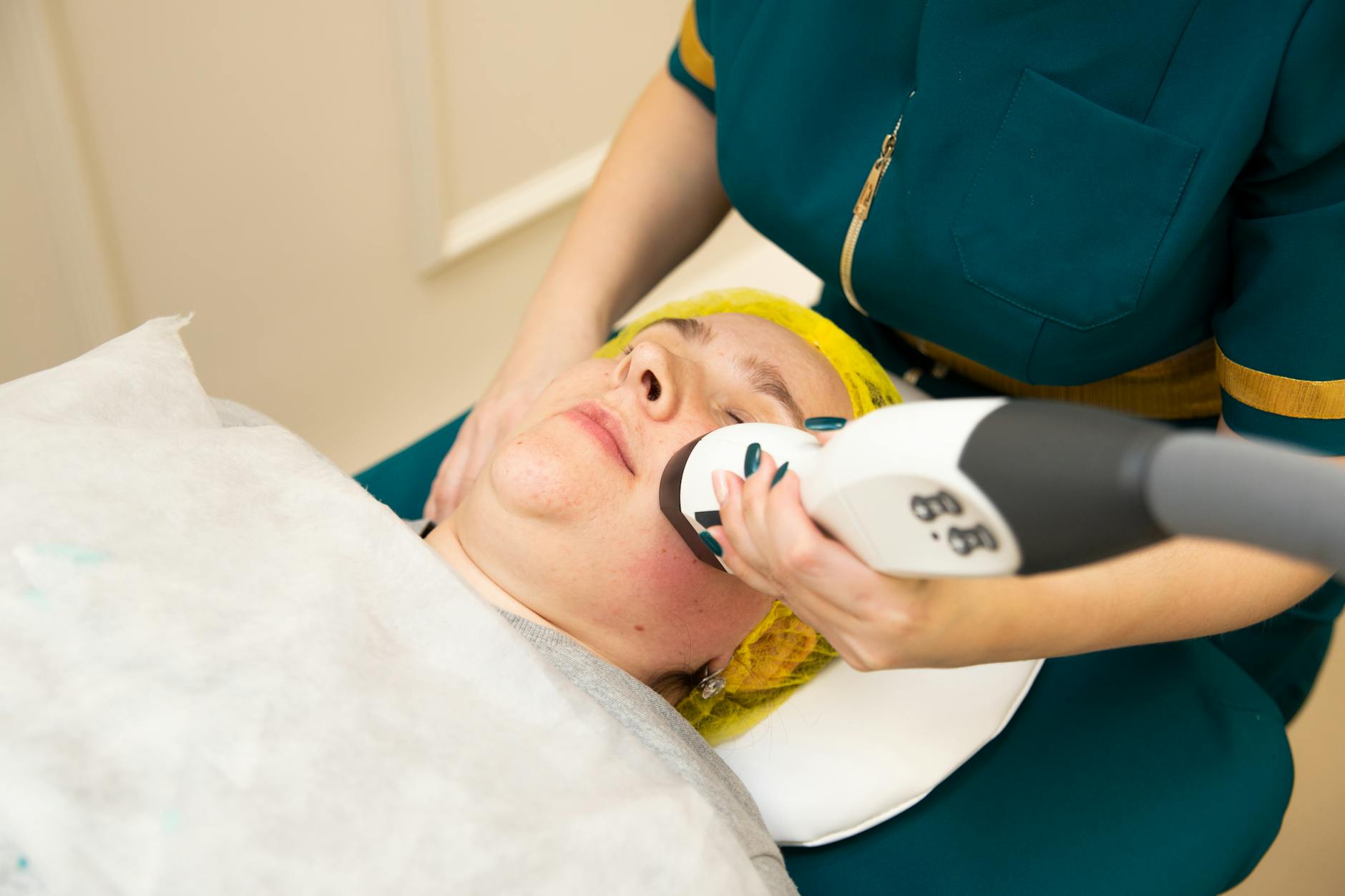
The dermatologist moves the laser handpiece over each vascular lesion with precise pulses.
A cooling system activates between pulses to protect your skin and minimize discomfort.
Your skin receives immediate cooling treatment and aftercare instructions.
Most patients describe the sensation as similar to a rubber band snapping against the skin, followed by a warm feeling. The built-in cooling system makes treatment comfortable for most people. Unlike some laser treatments that can cause permanent scarring when performed incorrectly, Nd:YAG lasers have an excellent safety profile when used by experienced practitioners.
Treatment duration varies based on the number and size of lesions. Small spider veins on the face might take 15 minutes, while larger areas like leg veins could require 30-45 minutes per session.
Results and Recovery Timeline
Right after your Nd:YAG treatment, treated blood vessels may appear darker or more pronounced. This temporary darkening is completely normal and shows the laser is working. Your skin might also look slightly red and feel warm, similar to a mild sunburn.
During the first week, you'll notice the darkened vessels beginning to fade as your body naturally breaks down the treated tissue. Most patients see significant improvement by week two, with vessels becoming much less visible. The redness typically subsides within 2-3 days.
Final results become apparent 4-6 weeks after treatment. Most patients need 2-4 sessions spaced 6-8 weeks apart for optimal results, depending on the size and depth of their vascular lesions. Spider veins on the face often respond faster than leg veins.
Rest assured that proper scarring from Nd:YAG is extremely rare when performed by trained professionals. Following aftercare instructions ensures smooth healing and prevents complications.
Who Is a Good Candidate for Nd:YAG Laser

Nd:YAG laser treatment works best for patients with deeper vascular lesions like spider veins, varicose veins, and cherry angiomas. The ideal candidate has realistic expectations and understands that multiple sessions may be needed for optimal results.
This laser safely treats all skin types, including darker skin tones, making it more versatile than other vascular lasers. You're a good candidate if you have visible blood vessels causing cosmetic concerns and are not pregnant or breastfeeding.
Certain conditions disqualify patients, including active infections, blood clotting disorders, or recent sun exposure. If you're not a candidate for laser treatment, alternatives like Chemical Peels can address surface-level skin concerns and improve overall skin texture, though they won't target vascular lesions specifically.
Your dermatologist will assess your medical history and examine your skin to determine if Nd:YAG laser is the right choice for your specific vascular concerns.
Maximizing Your Treatment Success
Your preparation significantly impacts both safety and results. Stop blood-thinning medications like aspirin one week before treatment, and avoid sun exposure for two weeks prior. Skip retinoids and exfoliating products for three days beforehand. Arrive with clean, makeup-free skin to prevent complications that could lead to scarring.
Apply cold compresses for 10-15 minutes every hour for the first day to reduce swelling.
Use SPF 30+ sunscreen daily and avoid direct sun for two weeks to prevent pigmentation changes.
Book follow-up treatments 4-6 weeks apart when your skin has fully healed.
Smoking slows healing and increases infection risk, while proper hydration and sleep accelerate recovery. Most patients need 2-4 sessions for optimal vascular clearance, with each treatment building on the previous results.
Consistent sun protection and following post-care instructions prevents complications and ensures the best possible results from your investment.
Frequently Asked Questions
What are spider veins and how are they different from broken capillaries?
Spider veins are small, twisted blood vessels that create web-like patterns and typically appear red, blue, or purple on legs and thighs. Broken capillaries are tiny damaged blood vessels that show up as red or purple lines, dots, or clusters, often on the face around the nose and cheeks. Both are purely cosmetic conditions that won't cause permanent scarring or health complications.
How does Nd:YAG laser treatment work for vascular lesions?
The Nd:YAG laser emits light at 1064 nanometers that blood vessels absorb exceptionally well, converting the light energy to heat through selective photothermolysis. This targeted heat causes the problematic blood vessels to collapse and seal shut while leaving surrounding healthy skin untouched. Your body then naturally reabsorbs these collapsed vessels over the following weeks, making them disappear from view.
How many Nd:YAG laser sessions are typically needed?
Most patients typically need 2-4 sessions to achieve optimal results with Nd:YAG laser treatment. The treatment has a 95% success rate for treating vascular lesions. The exact number of sessions depends on your specific skin type, lesion characteristics, and the treatment plan customized by your dermatologist.
What causes spider veins and broken capillaries to develop?
Several factors contribute to their development, with genetics playing a major role—if your parents had visible veins, you're more likely to develop them. Hormonal changes during pregnancy or menopause, prolonged standing, sun exposure, and aging all weaken blood vessel walls. Over time, these vessels become more prominent as collagen production decreases and skin loses elasticity, making existing damage more visible through thinner skin.
What happens during an Nd:YAG laser treatment session?
Your treatment begins with a thorough consultation where your dermatologist examines your vascular lesions, reviews your medical history, and creates a customized treatment plan. During the actual treatment, you'll receive protective eyewear and the treatment area will be cleaned thoroughly before the dermatologist moves the laser handpiece over each vascular lesion with precise pulses. A cooling system helps ensure comfort throughout the procedure.
Disclaimer: This content is for informational purposes only and does not constitute medical advice. Always consult a qualified healthcare provider before making health decisions.