Understanding Age Spots and Sun Damage

Age spots and sun spots are flat, brown patches that appear on skin exposed to ultraviolet radiation over time. These harmless but cosmetically concerning marks typically develop on the face, hands, shoulders, and arms after years of sun exposure. Despite their name, age spots aren't caused by aging alone – they're direct evidence of cumulative UV damage to your skin cells.
When UV rays penetrate your skin, they trigger melanocytes (pigment-producing cells) to create excess melanin as a protective response. Over time, this melanin clusters together in concentrated patches, forming the dark spots you see on the surface. Think of it like rust forming on metal exposed to moisture – the damage accumulates gradually until it becomes visible.
"Age spots are essentially your skin's permanent record of sun exposure throughout your lifetime."
These pigmented lesions prove stubborn to treat because the melanin sits deep within skin layers, well-protected from topical treatments. Unlike surface-level discoloration, age spots represent structural changes in how your skin produces and stores pigment. Standard bleaching creams often provide minimal improvement, leaving many people frustrated with slow or negligible results.
It's important to distinguish age spots from other pigmented lesions like melasma (hormone-related patches), seborrheic keratoses (raised, waxy growths), or moles (which can be raised or flat). Age spots remain consistently flat, have well-defined borders, and range from light brown to black. While concerns about scarring from treatment are understandable, modern laser technology can target these specific pigment deposits without damaging surrounding healthy tissue when performed by qualified professionals.
How Q-Switched Laser Works for Pigmentation

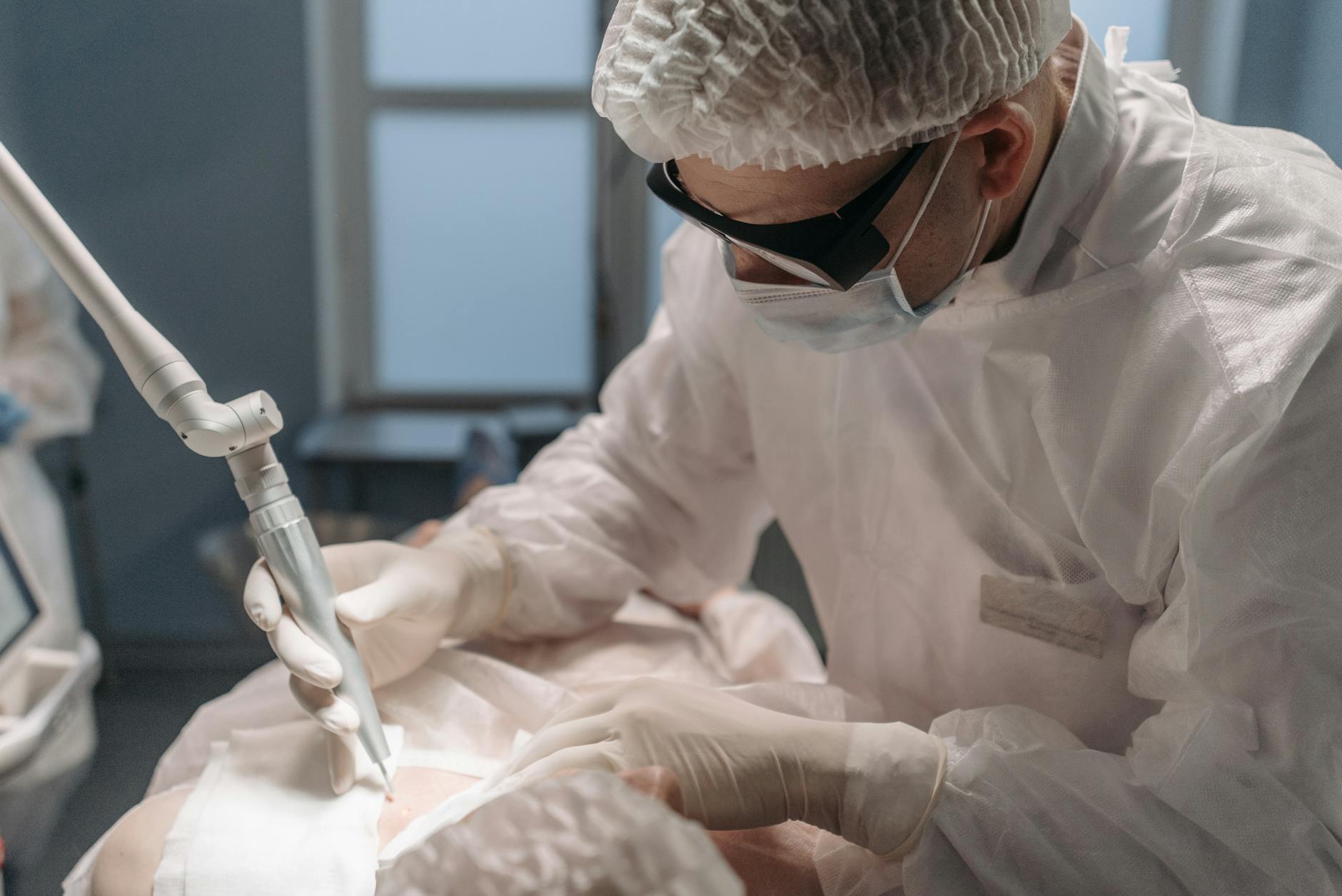
Q-switched laser technology operates on a precise mechanism that targets pigmented skin lesions without causing permanent scarring. The laser delivers energy in extremely short nanosecond pulses, creating intense light bursts that specifically target melanin pigment in your skin.
When the laser energy hits melanin clusters in age spots and sun damage, it breaks down these pigment particles into smaller fragments. Your body's natural immune system then removes these fragmented particles through normal cellular processes. This selective targeting means healthy surrounding skin tissue remains unharmed during treatment.
"Q-switched lasers deliver energy so quickly that they shatter pigment without heating surrounding tissue."
Different wavelengths target different types of pigmentation effectively. The 532nm wavelength works best for superficial brown spots and age spots on lighter skin tones. The 1064nm wavelength penetrates deeper, making it ideal for darker pigmentation and suitable for all skin types, including darker complexions.
Q-switched technology proves superior to other laser types for pigmented lesions because of its ultra-short pulse duration. Traditional lasers heat tissue gradually, which can damage surrounding skin and increase scarring risk. Q-switched pulses are so brief they create a photoacoustic effect rather than thermal damage.
This precision explains why Q-switched lasers achieve faster results with fewer treatments compared to IPL or other light-based therapies. The targeted approach means you see visible improvement in pigmentation within days of treatment, as your skin naturally sheds the treated pigment particles.
The technology's selectivity for melanin makes it particularly effective for age spots, sun spots, and melasma while preserving your skin's natural texture and minimizing recovery time.
What to Expect During Treatment
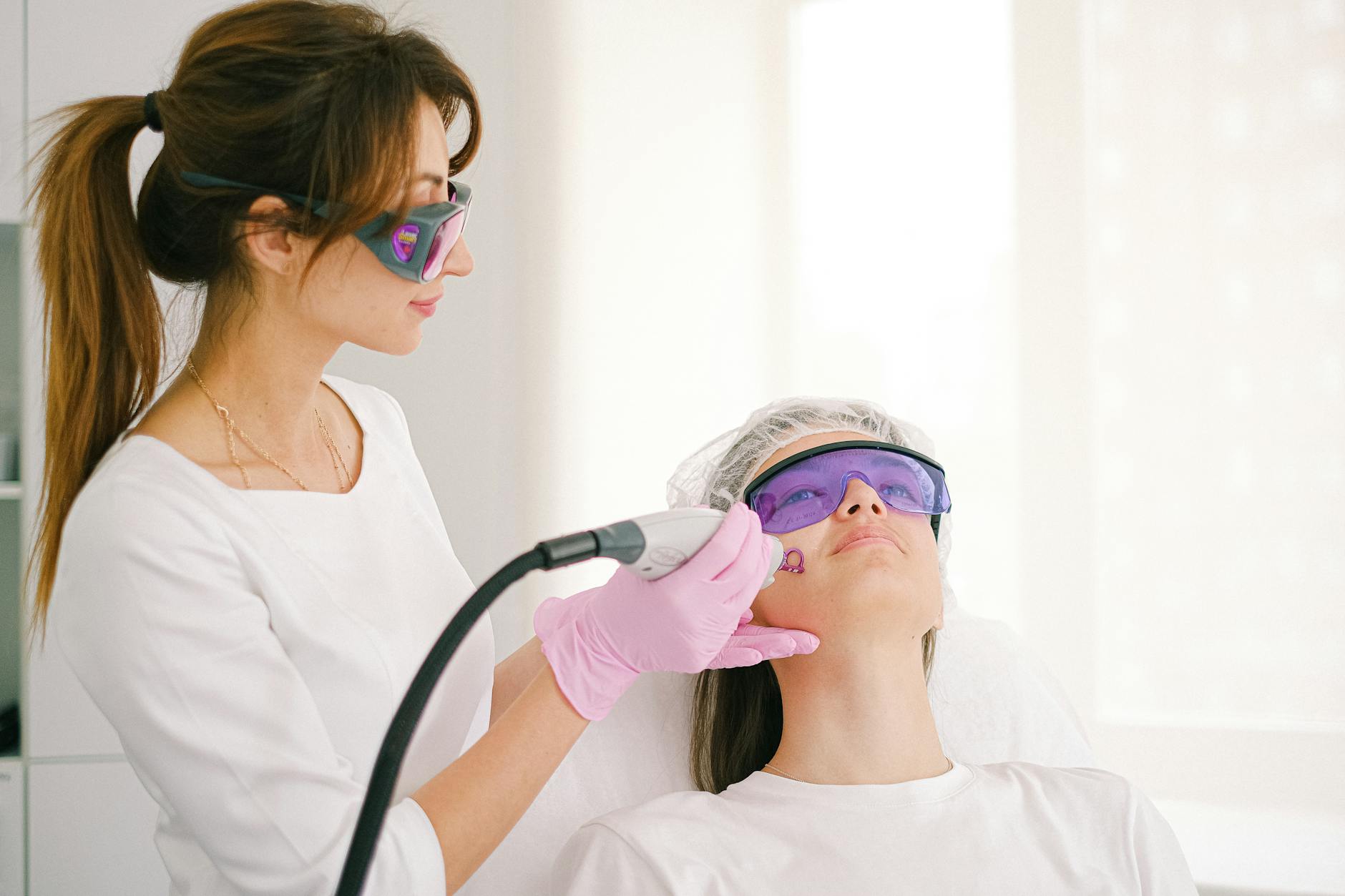
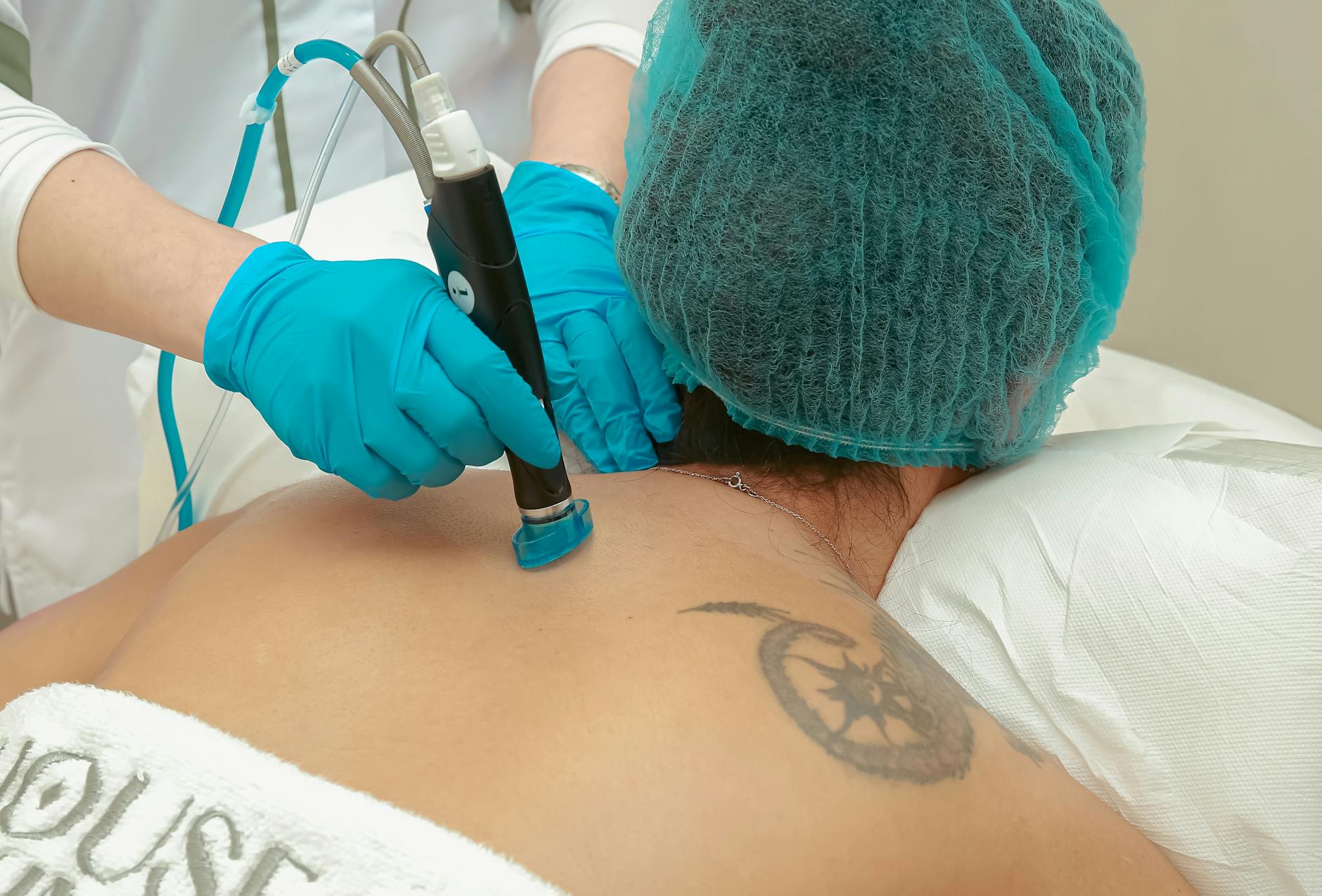
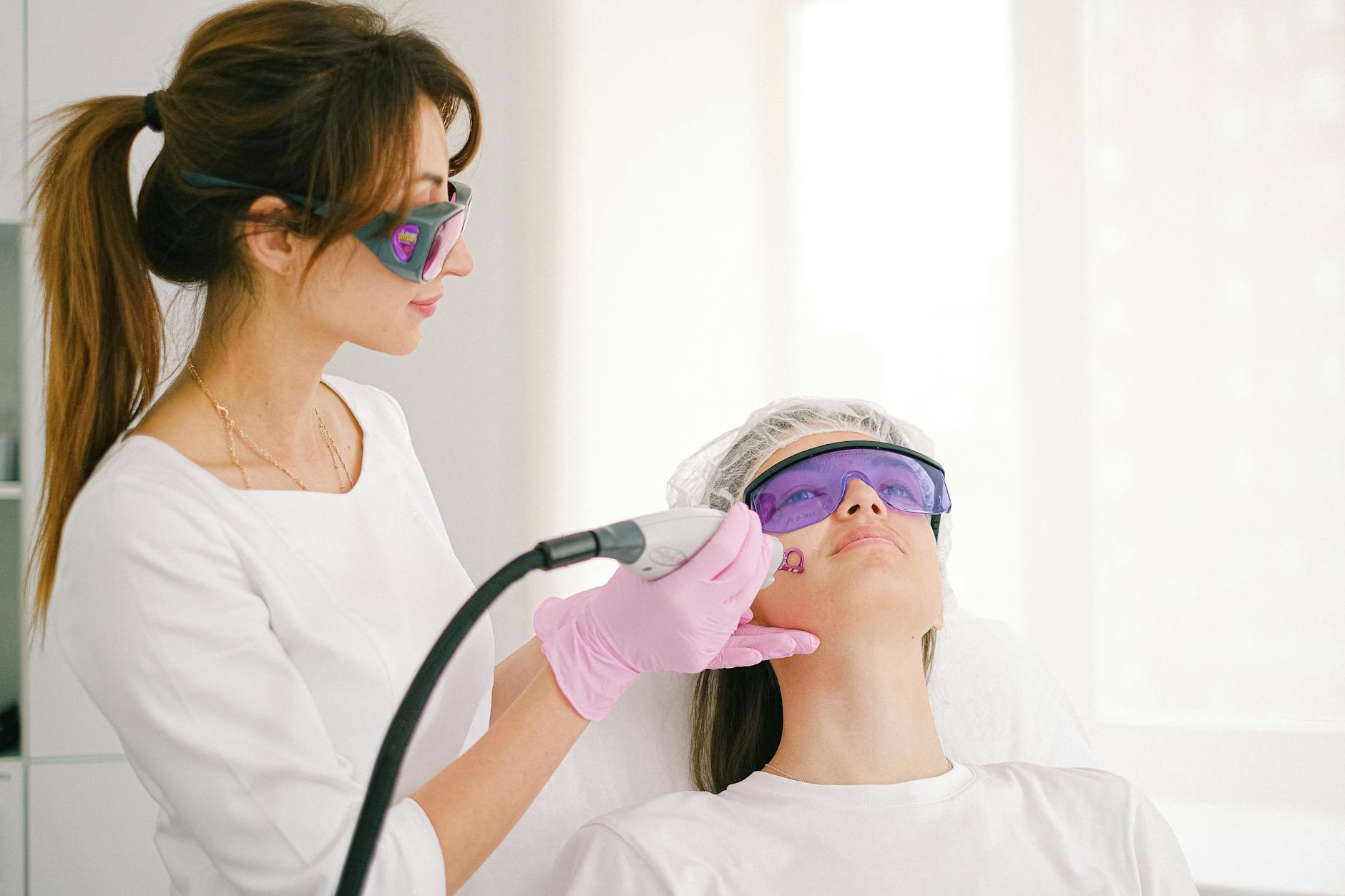
Q-switched laser treatment for age spots feels like a rubber band snapping against your skin. Most patients describe the sensation as tolerable, though areas with thinner skin like the backs of hands may be more sensitive. Your dermatologist will typically apply a cooling gel or use a cooling device to minimize discomfort during the procedure.
Each treatment session is remarkably quick. Treating a few scattered age spots on your face takes just 10-15 minutes, while larger areas like the backs of both hands might require 20-30 minutes. The laser targets each spot individually with precise pulses, so the actual laser exposure time is only seconds per spot.
Most age spots respond well to a single treatment, though stubborn or deeper spots may require 2-3 sessions spaced 6-8 weeks apart. Your dermatologist will assess your specific spots and skin type to determine the expected number of treatments during your consultation.
Immediately after treatment, the targeted spots will appear darker and may look slightly raised or swollen. This darkening is completely normal and indicates the treatment is working—the damaged pigment is moving toward the skin's surface. While this temporary darkening might cause initial concern about scarring, it's actually a positive sign that fades as your skin heals over the following weeks.
The treated areas may also show mild redness similar to a light sunburn, which typically subsides within a few hours to a day.
Recovery Timeline and Aftercare
Your treated age spots will look darker immediately after Q-switched laser treatment, which is completely normal and actually shows the laser worked properly. This darkening occurs because the laser breaks up the melanin pigment, bringing it closer to the skin's surface where it appears more concentrated.
The first 24 to 48 hours require gentle care. Your skin may feel slightly tender, similar to a mild sunburn. Avoid hot showers, steam rooms, and vigorous exercise during this initial period. Apply a thin layer of petroleum jelly or the healing ointment your dermatologist recommends to keep the treated areas moist.
Between days three and seven, the darkened spots begin forming small crusts or scabs. Resist the urge to pick at these areas, as this can lead to scarring or infection. Let them naturally flake off on their own timeline.
The most dramatic improvement happens during the second week when the dark crusts shed completely, revealing fresh, lighter skin underneath. Some spots may require multiple treatments spaced four to six weeks apart for complete removal.
Sun protection becomes absolutely critical during recovery and beyond. Use broad-spectrum sunscreen with SPF 30 or higher every single day, even indoors near windows. Reapply every two hours when outside. Consider wearing wide-brimmed hats and seeking shade during peak sun hours. Without proper sun protection, new age spots will form, and treated areas may develop post-inflammatory hyperpigmentation.
Most patients return to normal activities within 48 hours, though some prefer to schedule treatments before weekends to minimize any social concerns about the initial darkening phase.
Results and Success Rates

Q-switched laser treatments deliver impressive results for most patients, with studies showing 70-90% improvement in age spots and sun damage after a complete treatment series. Your final results depend on several key factors including your skin type, the depth of pigmentation, and how well you follow aftercare instructions.
You'll notice initial improvements within 7-10 days as treated spots darken and flake off. However, your final results won't be visible until 6-8 weeks after your last session. This timeline allows your skin to complete its natural healing process and reveal the full extent of pigment removal.
Success rates vary based on spot characteristics. Superficial sun spots respond excellently, often clearing completely in 2-3 sessions. Deeper melasma or stubborn age spots may require 4-6 treatments for optimal results. Lighter skin tones typically see faster improvement compared to darker complexions, where treatments must be more conservative to prevent unwanted pigmentation changes.
Retreatment becomes necessary when spots don't respond adequately after the initial series or when new sun damage appears. For example, a patient with extensive sun damage might achieve 80% clearing but choose additional sessions to address remaining faint spots.
The good news is that permanent scarring from Q-switched lasers is extremely rare when performed by qualified practitioners. Most patients achieve their goal of clearer skin without complications, making this one of the safest and most effective treatments for pigmentation issues.
Comparing Q-Switched Laser to Other Treatments
When treating age spots and sun damage, you have several effective options beyond Q-switched laser. Understanding how these treatments compare helps you make the right choice for your skin concerns and lifestyle.
Q-switched laser performs better than IPL (Intense Pulsed Light) for darker, stubborn age spots. While IPL offers gentler treatment with less downtime, it requires more sessions and works best on lighter pigmentation. Q-switched laser targets specific spots with pinpoint accuracy, while IPL treats larger areas but with less precision.
Chemical Peels remove damaged skin layers through controlled chemical exfoliation, treating acne scars, fine lines, wrinkles, age spots, sun damage, and uneven skin tone. Light peels require multiple sessions with minimal downtime, while deeper peels provide dramatic results but need weeks of recovery. Chemical peels excel at improving overall skin texture and tone, but Q-switched laser delivers faster results for isolated pigmented spots.
Topical treatments like hydroquinone, tretinoin, and vitamin C work gradually over months. Choose these when you have mild pigmentation, want to avoid procedures, or need maintenance after laser treatment. However, topical products cannot penetrate deeply enough to remove well-established age spots that Q-switched laser eliminates quickly.
Many dermatologists recommend combination approaches. You might start with Q-switched laser to remove existing spots, then maintain results with topical treatments and sunscreen. This strategy addresses current damage while preventing new spots from forming. The combination approach often provides the most comprehensive and long-lasting results without increasing your risk of complications or scarring.
Choose Q-switched laser when you have distinct, dark age spots that need quick removal. Opt for chemical peels when you want overall skin improvement. Consider topical treatments for mild pigmentation or ongoing maintenance.
Q-switched laser works best for specific dark age spots, while chemical peels improve overall skin texture and topical treatments provide gentle maintenance.
Frequently Asked Questions
What are age spots and what causes them?
Age spots are flat, brown patches that appear on skin exposed to ultraviolet radiation over time. They're caused by UV rays triggering melanocytes to create excess melanin as a protective response, which clusters together in concentrated patches. Despite their name, age spots aren't caused by aging alone but are direct evidence of cumulative UV damage to your skin cells.
How does Q-switched laser work to remove age spots?
Q-switched lasers deliver energy in extremely short nanosecond pulses that specifically target melanin pigment in age spots. The laser breaks down these pigment particles into smaller fragments, which your body's natural immune system then removes through normal cellular processes. This selective targeting means healthy surrounding skin tissue remains unharmed during treatment.
Does Q-switched laser treatment cause scarring?
Q-switched laser technology does not cause permanent scarring when performed by qualified professionals. The ultra-short pulse duration creates a photoacoustic effect rather than thermal damage, which means the laser shatters pigment without heating surrounding tissue. This precision targeting protects healthy skin from damage during treatment.
How many Q-switched laser sessions are needed to remove age spots?
Typically 3-5 Q-switched laser sessions are needed to effectively treat age spots. The treatment achieves a 90% spot clearance rate and delivers faster results with fewer treatments compared to IPL or other light-based therapies. The exact number of sessions depends on the depth and darkness of the pigmentation.
Can Q-switched laser treat age spots on all skin types?
Yes, Q-switched lasers can treat age spots on all skin types by using different wavelengths. The 532nm wavelength works best for superficial brown spots on lighter skin tones, while the 1064nm wavelength penetrates deeper and is suitable for all skin types, including darker complexions.
Disclaimer: This content is for informational purposes only and does not constitute medical advice. Always consult a qualified healthcare provider before making health decisions.