Q-Switched Laser Treatment Costs: What to Expect

Q-switched laser treatments range from $200 to $1,500 per session, depending on what you're treating and where you live. Small areas like age spots on your hands typically cost $200-400 per session, while larger areas like full-face pigmentation removal can reach $800-1,500.
“The size of your treatment area directly impacts the final cost more than any other factor.”
Geographic location plays a major role in pricing. Metropolitan areas like New York or Los Angeles charge 30-50% more than smaller cities. A tattoo removal session that costs $300 in Kansas City might cost $500 in San Francisco for the same treatment area.
Provider experience significantly influences rates. Board-certified dermatologists typically charge more than medical spas, but their expertise often means fewer sessions and better results. This can actually save money long-term while reducing your risk of complications or scarring.
Many providers offer package deals that reduce per-session costs by 15-25%. For example, a single melasma treatment might cost $600, but a four-session package could bring the per-session cost down to $450. These packages also provide treatment consistency, which improves your chances of achieving clear skin faster.
Always get written cost estimates before starting treatment, including potential additional sessions your provider might recommend.
Factors That Affect Your Treatment Price

Several variables determine your final Q-switched laser treatment cost, and understanding these factors helps you budget accurately and avoid surprises.
The size and complexity of your treatment area significantly impacts pricing. Removing a small tattoo on your wrist costs much less than treating large areas of melasma across your face. Complex designs with multiple colors require more intensive treatment sessions, driving up costs.
“Understanding pricing factors upfront prevents treatment delays and ensures you can complete your full course of sessions.”
The number of sessions needed varies dramatically based on your specific condition. Dark tattoos typically require 6-12 sessions, while stubborn pigmentation issues might need 3-6 treatments. Your dermatologist determines this during consultation based on your skin type and condition severity.
Clinic location matters significantly. Beverly Hills practices charge premium rates compared to suburban locations due to higher overhead costs and market positioning. Urban centers generally cost 20-40% more than rural areas.
The specific laser technology used affects pricing. Newer, more advanced Q-switched systems like PicoSure often command higher fees but may require fewer total sessions, potentially balancing overall costs.
How Many Sessions Will You Need?
Most Q-switched laser treatments require multiple sessions to achieve optimal results. The number depends entirely on what condition you're treating and how your skin responds to each session.
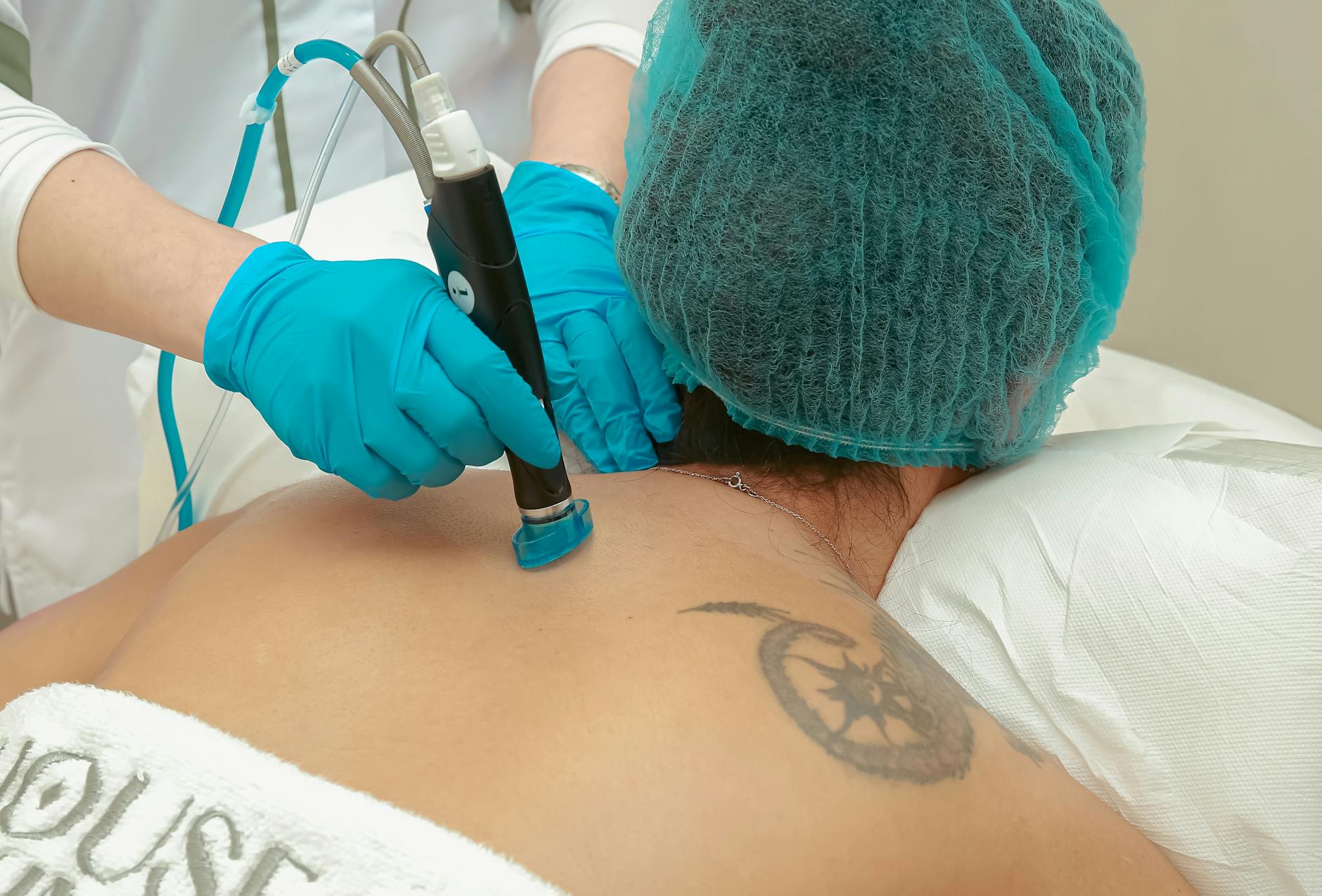
Tattoo removal typically needs 6-12 sessions for professional tattoos, while amateur tattoos may clear in 4-8 sessions. Dark pigmentation issues like age spots often improve after 2-4 treatments. Melasma requires 4-6 sessions but may need maintenance treatments. Acne scars usually respond after 3-5 sessions, though deeper scars need more time.
Several factors influence your session count. Skin tone, age of the condition, size of the treatment area, and your body's healing response all play roles. Darker skin requires more careful treatment, which may extend the timeline.
You'll wait 6-8 weeks between sessions to allow proper healing. This timeline prevents scarring and gives your skin time to process the targeted pigment. Starting treatments early often leads to better outcomes with fewer total sessions needed.
Comparing Q-Switched Laser to Alternative Treatments
When considering your investment in skin improvement, Q-switched lasers compete with several alternatives. Chemical Peels offer the most comparable results for pigmentation and texture concerns. These acid treatments remove damaged skin layers through controlled chemical exfoliation, targeting acne scars, age spots, and uneven tone across your face, neck, chest, hands, or back.
Chemical peels typically cost $150-300 per session versus Q-switched laser treatments at $300-800 each. However, peels require 4-6 sessions for optimal results and need annual maintenance. The treatment effectiveness differs significantly: Q-switched lasers penetrate deeper with minimal downtime, while chemical peels cause more visible peeling for 7-14 days.
Long-term value favors Q-switched lasers despite higher upfront costs. You achieve permanent pigment removal without ongoing maintenance treatments. This prevents the social embarrassment of repeated downtime periods while delivering more predictable results. Most patients find laser treatments worth the premium for lasting improvements and reduced lifetime costs.
Payment Options and Financing Solutions

Most dermatology practices offer package pricing for Q-switched laser treatments, which significantly reduces per-session costs. A six-session package typically costs 15-20% less than paying individually, saving you $300-600 on a complete treatment course.
Many clinics partner with financing companies like CareCredit or Alphaeon Credit to offer monthly payment plans. These programs often provide 6-12 months of interest-free financing, making treatments accessible without delaying your path to clear skin. Some practices also offer in-house payment plans with flexible terms.
Insurance rarely covers Q-switched laser treatments for cosmetic concerns, but may provide partial coverage for medical conditions like melasma or post-inflammatory hyperpigmentation. Contact your insurance provider to verify coverage before scheduling.
Start budgeting early by setting aside $200-300 monthly for treatments. Consider scheduling sessions during promotional periods or off-peak months when practices offer discounts. Some clinics provide loyalty programs or referral credits that further reduce costs, helping you achieve your skin goals without financial stress.
Getting the Best Value for Your Investment
Choosing the right provider makes the difference between successful treatment and potential complications that could lead to scarring. Board-certified dermatologists or plastic surgeons with extensive Q-switched laser experience offer the safest path to clear skin.
During your consultation, ask specific questions about the provider's experience with your skin type and condition. Request to see before-and-after photos of similar cases. Ask about the exact laser model they use and how many treatments they perform weekly. A qualified provider will answer these questions confidently and provide realistic expectations about your results.
Watch for red flags in pricing. Extremely low costs often signal outdated equipment, undertrained staff, or corners being cut on safety protocols. Prices significantly above market rates without clear justification also warrant caution.
Treatment packages can offer savings if you need multiple sessions, but avoid prepaying for more than three sessions until you see how your skin responds. For example, if you're treating acne scars that typically require 4-6 sessions, a three-session package provides value while maintaining flexibility.
Prioritize provider qualifications over low prices to achieve safe, effective results without risking permanent skin damage.
Frequently Asked Questions
How much does Q-switched laser treatment cost?
Q-switched laser treatments range from $200 to $1,500 per session, depending on the treatment area and your location. Small areas like age spots on hands typically cost $200-400 per session, while larger areas like full-face pigmentation removal can reach $800-1,500. Geographic location plays a major role, with metropolitan areas like New York or Los Angeles charging 30-50% more than smaller cities.
How many Q-switched laser sessions do I need?
The number of sessions varies significantly based on your specific condition. Tattoo removal typically needs 6-12 sessions for professional tattoos, while amateur tattoos may clear in 4-8 sessions. Dark pigmentation issues like age spots often improve after 2-4 treatments, and melasma requires 4-6 sessions but may need maintenance treatments.
What factors affect Q-switched laser treatment pricing?
Several factors determine your final treatment cost, including the size and complexity of your treatment area, clinic location, and provider experience. Board-certified dermatologists typically charge more than medical spas but often require fewer sessions due to their expertise. The specific laser technology used also affects pricing, with newer systems commanding higher fees but potentially requiring fewer total sessions.
Are there package deals for Q-switched laser treatments?
Many providers offer package deals that reduce per-session costs by 15-25%. For example, a single melasma treatment might cost $600, but a four-session package could bring the per-session cost down to $450. These packages also provide treatment consistency, which improves your chances of achieving clear skin faster.
Disclaimer: This content is for informational purposes only and does not constitute medical advice. Always consult a qualified healthcare provider before making health decisions.