What Is Q-Switched Laser Treatment for Melasma?

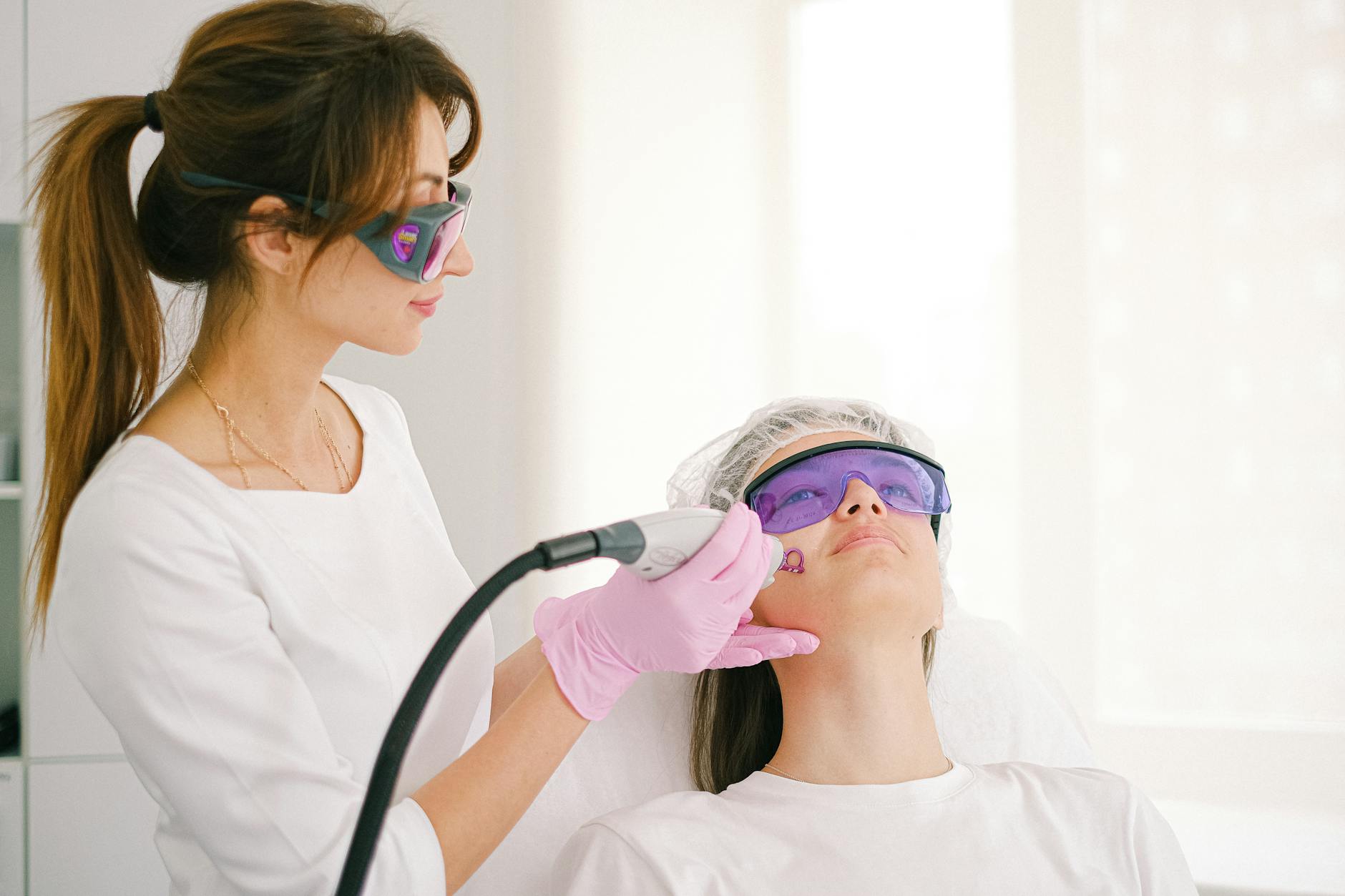
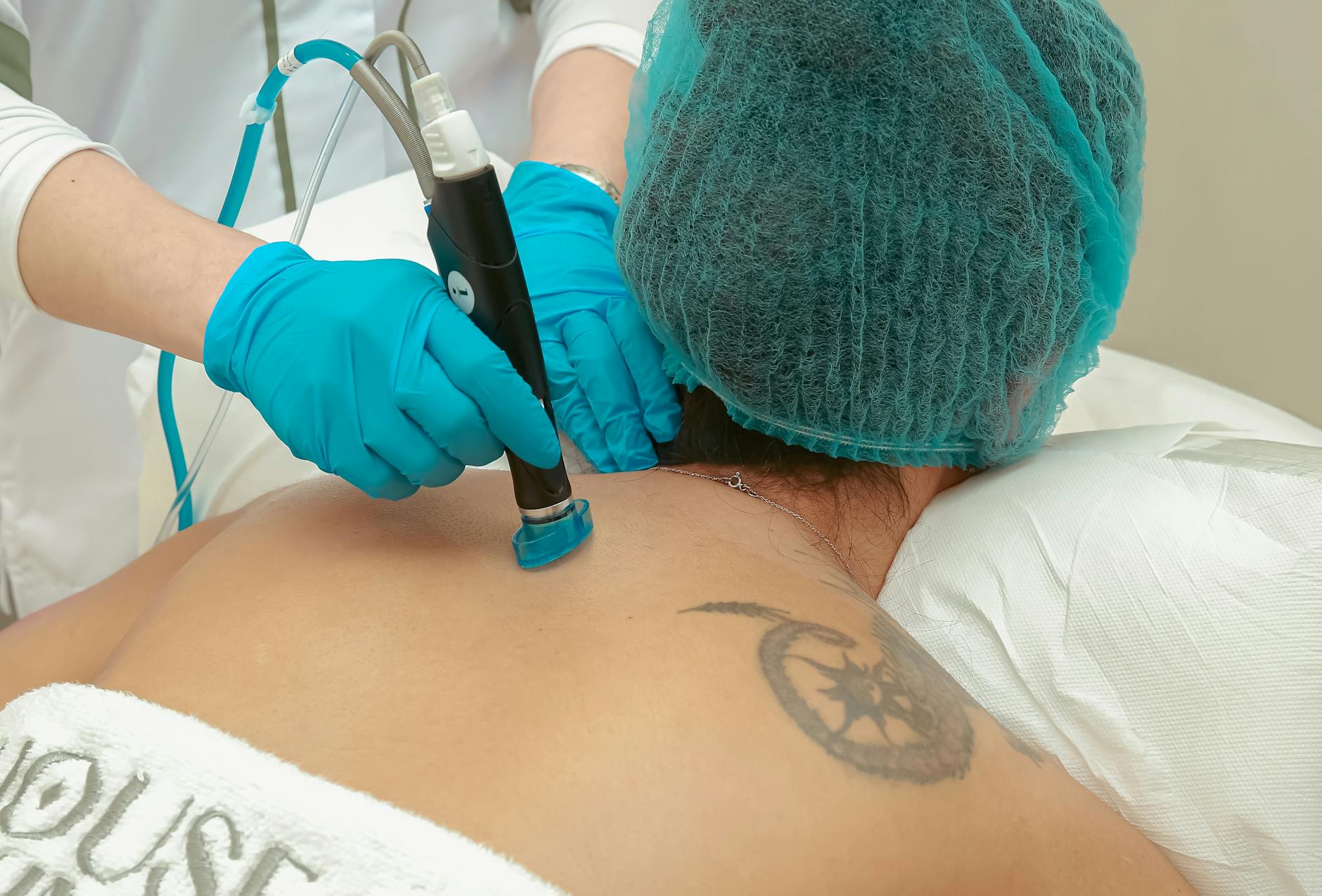
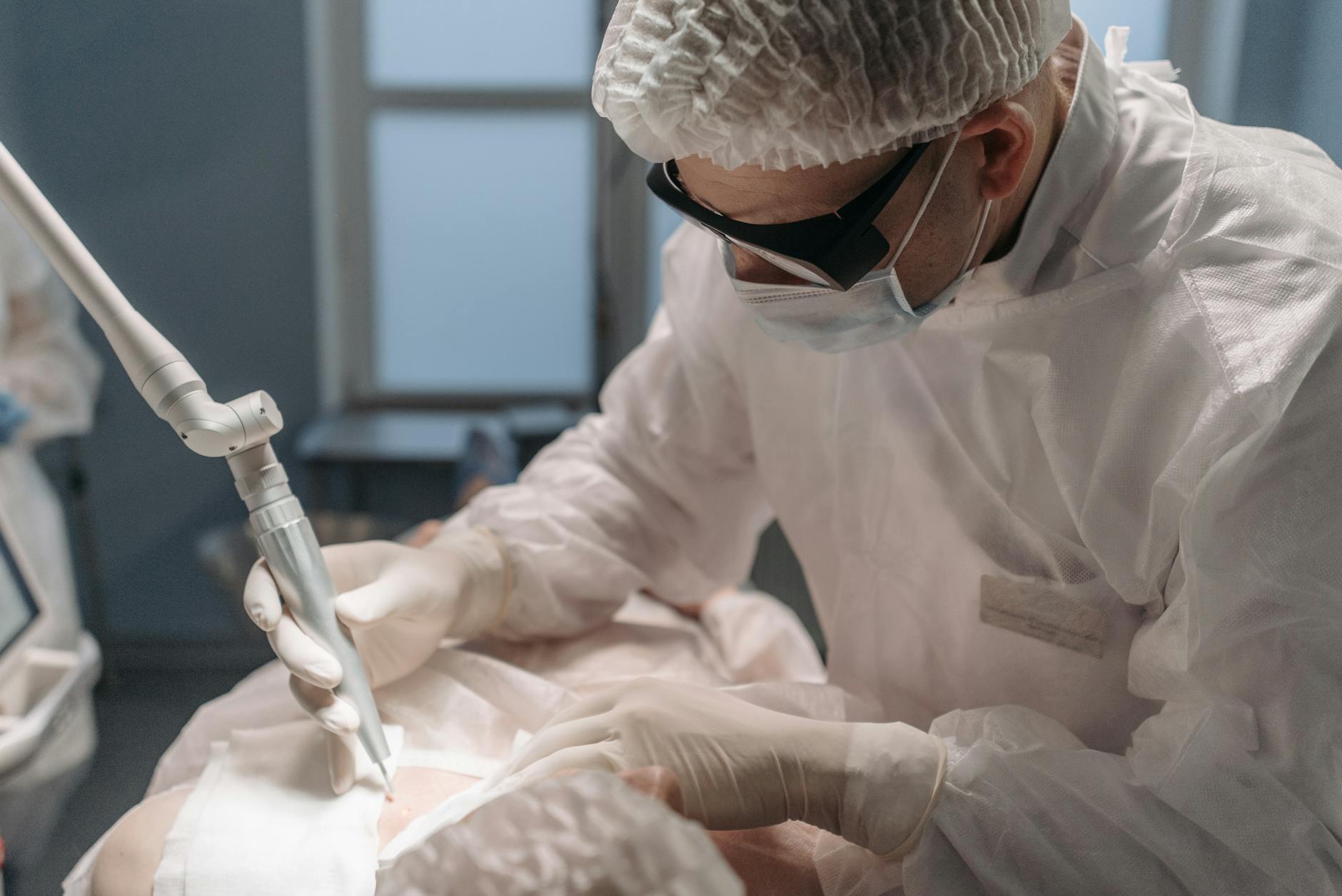
Q-switched laser technology represents a breakthrough approach to treating melasma, a stubborn form of hyperpigmentation that creates dark patches on the face. Unlike traditional continuous-wave lasers, Q-switched lasers deliver ultra-short pulses of high-intensity light that specifically target melanin clusters without damaging surrounding healthy tissue.
“Q-switched lasers break down melanin into microscopic particles that your body naturally eliminates, offering hope for even the most persistent melasma patches.”
Melasma requires this specialized approach because it involves deep, hormone-driven pigmentation that standard treatments often can't reach effectively. The condition typically affects women during pregnancy or while taking hormonal medications, creating symmetrical dark patches across the cheeks, forehead, and upper lip.
These lasers operate at specific wavelengths—commonly 532nm, 694nm, 755nm, and 1064nm—each targeting different depths of melanin deposits. The 1064nm wavelength penetrates deepest, making it particularly effective for dermal melasma, while shorter wavelengths address surface-level pigmentation.
The precision of Q-switched technology significantly reduces the risk of permanent scarring that concerns many patients. By fragmenting melanin without creating thermal damage, this treatment offers a safer path to clearer skin compared to older laser technologies or aggressive chemical peels.
How Q-Switched Laser Works on Melasma

Q-switched lasers target melasma using nanosecond pulse technology, delivering incredibly short bursts of light energy that last just billionths of a second. These ultra-fast pulses create enough power to shatter melanin clusters without damaging surrounding healthy skin tissue.
“The laser's precision allows it to target pigment cells while leaving healthy skin completely untouched.”
The process works through selective photothermolysis, where the laser energy specifically targets dark pigment while ignoring lighter skin tones. When melanin absorbs the laser light, it heats up rapidly and breaks into tiny fragments that your body's natural immune system can remove over time.
Think of it like breaking a large rock into small pebbles that water can easily wash away. The laser fragments melasma pigment clusters into microscopic pieces your lymphatic system eliminates naturally through cellular cleanup processes.
Multiple sessions are necessary because melasma pigment sits at different depths within your skin layers. Each treatment targets pigment at specific depths, gradually clearing the discoloration from surface to deeper levels. Most patients need 4-6 sessions spaced 4-6 weeks apart for optimal results, ensuring your skin has adequate healing time between treatments.
Special Considerations for Melasma Treatment
Melasma presents unique challenges that set it apart from other pigmentation conditions. Understanding these complexities helps prevent treatment setbacks and ensures better outcomes.
Hormone sensitivity makes melasma particularly stubborn. Pregnancy, birth control pills, and hormone replacement therapy can trigger melasma or worsen existing patches. These hormonal fluctuations mean that even successful laser treatment may not provide permanent results if underlying hormone triggers remain active. Your dermatologist will discuss timing treatments around hormonal changes for optimal success.
Post-inflammatory hyperpigmentation represents a serious concern that addresses your fear of permanent scarring. Q-switched lasers can potentially darken melasma patches rather than lighten them, especially in darker skin tones. This paradoxical darkening occurs when laser energy triggers more melanin production instead of breaking it down.
Pre-treatment preparation becomes crucial for melasma success. Most dermatologists require 4-6 weeks of skin preparation using hydroquinone, tretinoin, or Chemical Peels before laser treatment. Chemical Peels help remove damaged skin layers through controlled chemical exfoliation, preparing the skin for laser therapy. This preparation reduces treatment risks and improves laser penetration effectiveness.
Q-Switched Laser Treatment Protocol for Melasma
Melasma treatment with Q-switched lasers requires a careful, graduated approach that differs significantly from treating other pigmentation issues. Most patients need 4-6 treatment sessions spaced 4-6 weeks apart to see meaningful results without triggering post-inflammatory hyperpigmentation.
Wavelength selection depends entirely on your skin type. Fair skin typically responds well to 532nm wavelengths, while darker skin tones require longer wavelengths like 1064nm to prevent scarring and darkening. Your dermatologist will start with lower energy settings and gradually increase intensity based on your skin's response.
For example, a patient with Fitzpatrick skin type III might begin with 1064nm at 2-3 J/cm² during the first session, then progress to 4-5 J/cm² in subsequent treatments if no adverse reactions occur. This conservative approach minimizes the risk of permanent discoloration while maximizing melasma clearance over time.
Preventing Melasma Recurrence After Treatment

Successfully treating melasma is only half the battle. Without proper prevention strategies, this stubborn pigmentation often returns within months. The key lies in understanding that melasma requires ongoing management rather than a one-time fix.
Use mineral sunscreens containing zinc oxide or titanium dioxide, reapplying every two hours outdoors.
Use wide-brimmed hats, UV-blocking sunglasses, and seek shade between 10 AM and 4 PM.
Plan follow-up Q-switched laser treatments every 3-6 months as recommended by your dermatologist.
Hormone fluctuations can trigger melasma recurrence, so discuss birth control options and hormone replacement therapy with your physician. Heat exposure from saunas, hot yoga, or intense cooking can also reactivate pigment cells.
Your dermatologist may prescribe topical maintenance treatments like tretinoin or hydroquinone to use between laser sessions. These medications help suppress melanin production and maintain your results. Most patients need this combination approach for long-term success, as melasma tends to be a chronic condition requiring consistent prevention efforts rather than permanent elimination.
Is Q-Switched Laser Right for Your Melasma?
Q-switched laser works best for people with superficial melasma patches and realistic expectations. Ideal candidates have stable melasma that hasn't changed recently, aren't pregnant or nursing, and can commit to strict sun protection afterward.
Consider alternative treatments if you have very dark skin, active melasma that's still spreading, or deep dermal melasma. Chemical peels, topical treatments, or combination therapy might work better in these cases.
Results appear gradually over 2-6 months, not immediately. Most people need 3-6 sessions spaced 4-6 weeks apart. While scarring risks are minimal with proper technique, choosing an experienced dermatologist reduces any complications significantly.
Your best bet is scheduling a consultation to assess your specific melasma type and skin condition. A qualified dermatologist can determine if Q-switched laser matches your situation or recommend better alternatives for your unique needs.
Q-switched laser works best for superficial melasma when combined with realistic expectations and commitment to long-term sun protection.
Frequently Asked Questions
What is Q-switched laser treatment for melasma?
Q-switched laser treatment is a breakthrough technology that delivers ultra-short pulses of high-intensity light to specifically target melanin clusters without damaging surrounding healthy tissue. Unlike traditional continuous-wave lasers, these lasers break down melanin into microscopic particles that your body naturally eliminates. This specialized approach is particularly effective for melasma because it can reach deep, hormone-driven pigmentation that standard treatments often can't address effectively.
How does Q-switched laser work to remove melasma?
Q-switched lasers use nanosecond pulse technology to deliver incredibly short bursts of light energy that shatter melanin clusters without damaging surrounding skin tissue. The process works through selective photothermolysis, where laser energy specifically targets dark pigment while ignoring lighter skin tones. When melanin absorbs the laser light, it breaks into tiny fragments that your body's natural immune system removes over time through cellular cleanup processes.
How many Q-switched laser sessions are needed for melasma?
Most patients need 4-6 Q-switched laser sessions spaced 4-6 weeks apart for optimal melasma results. Multiple sessions are necessary because melasma pigment sits at different depths within your skin layers, and each treatment targets pigment at specific depths. The spacing between treatments ensures your skin has adequate healing time while gradually clearing discoloration from surface to deeper levels.
Can melasma come back after Q-switched laser treatment?
Yes, melasma can return after treatment due to its hormone-sensitive nature. Pregnancy, birth control pills, and hormone replacement therapy can trigger melasma or worsen existing patches even after successful laser treatment. The melasma recurrence rate is approximately 25%, and hormonal fluctuations mean that permanent results may not be achievable if underlying hormone triggers remain active.
Is Q-switched laser safe for melasma treatment?
Q-switched laser technology is considered safer than older laser technologies or aggressive chemical peels for melasma treatment. The precision of Q-switched technology significantly reduces the risk of permanent scarring by fragmenting melanin without creating thermal damage. The laser's ability to target pigment cells while leaving healthy skin completely untouched makes it a safer path to clearer skin.
Disclaimer: This content is for informational purposes only and does not constitute medical advice. Always consult a qualified healthcare provider before making health decisions.