Pre-Treatment Consultation and Preparation

Your Q-switched laser journey begins with a thorough consultation where your dermatologist examines your skin type, pigmentation concerns, and medical history. This assessment determines the appropriate laser settings and helps identify any factors that might affect healing, addressing concerns about potential complications or scarring.
“Proper preparation is the foundation of safe, effective laser treatment and optimal results.”
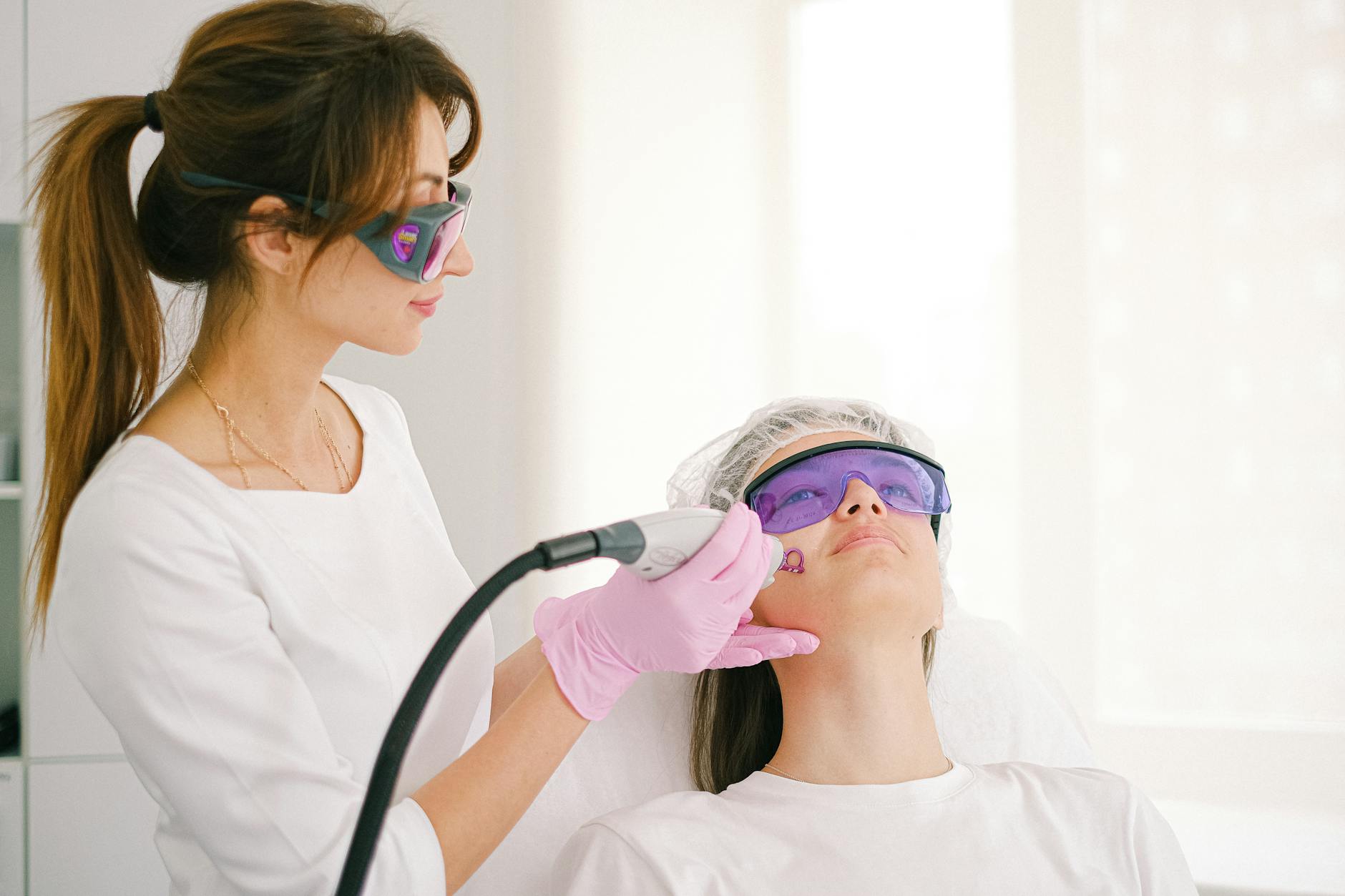
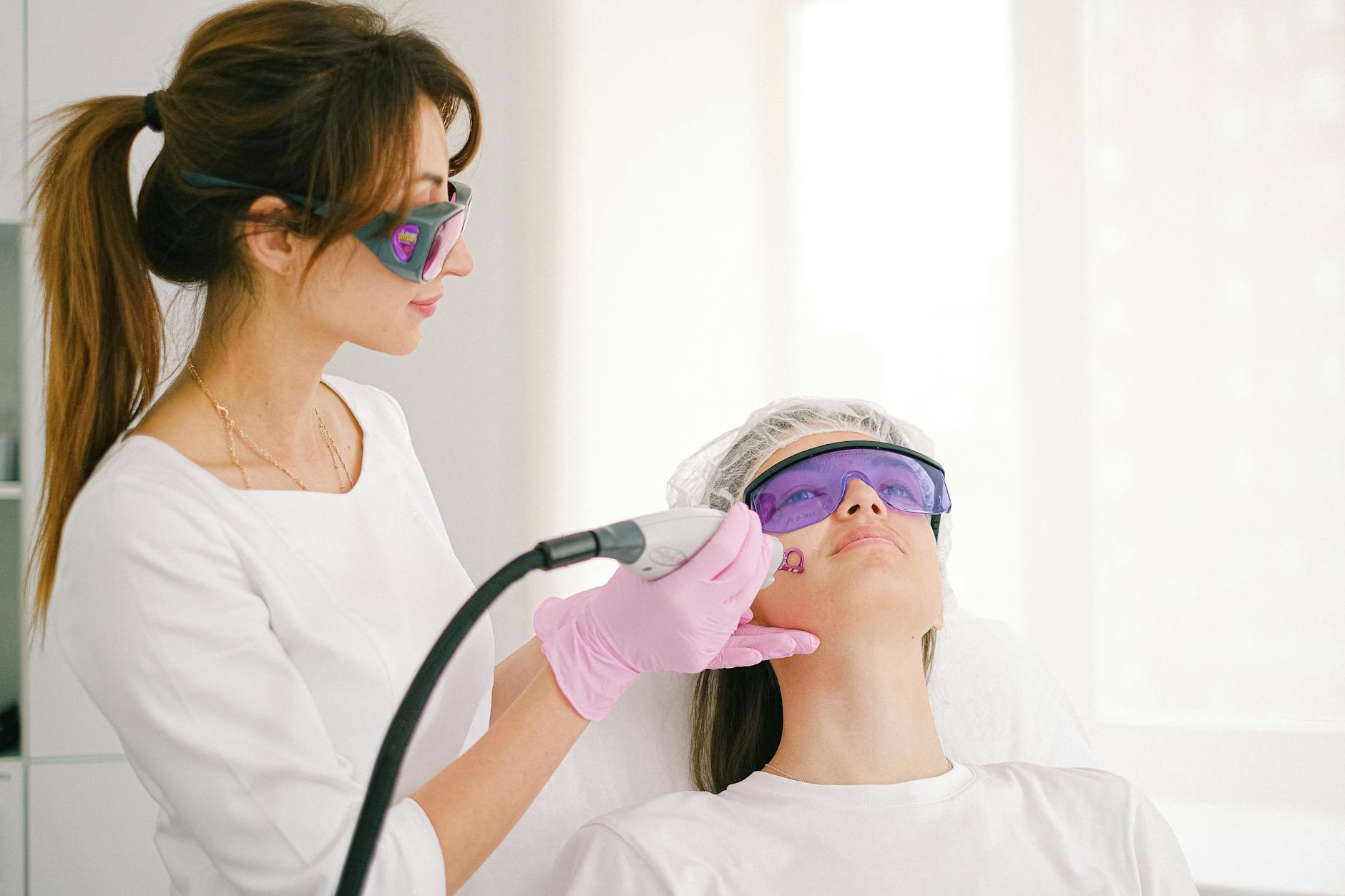
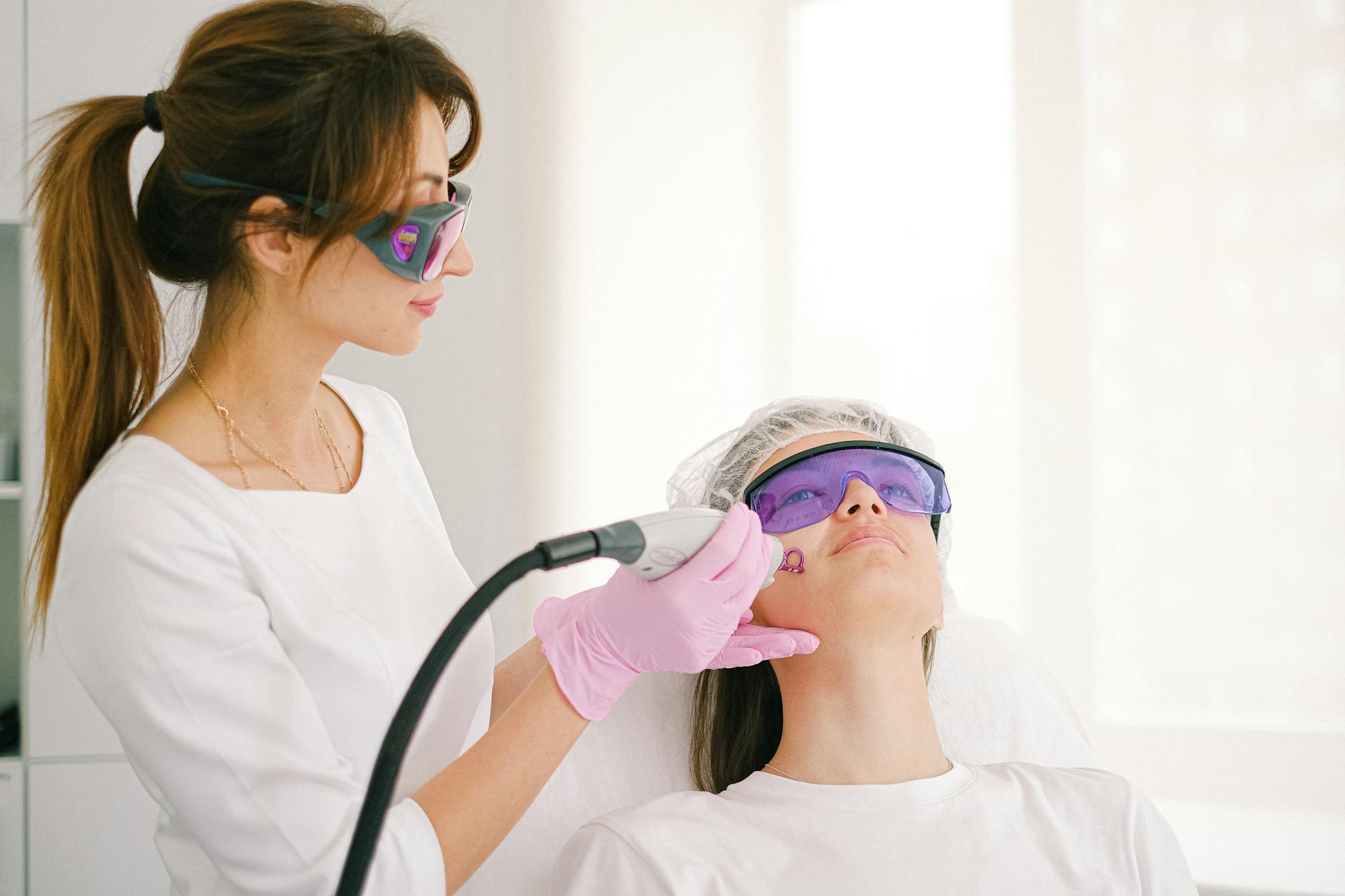
The preparation process follows a structured approach to ensure your safety and comfort. Your provider will mark the treatment areas with a surgical pen, allowing precise targeting of pigmented lesions or tattoos. Eye protection becomes essential during facial treatments—you'll receive specialized goggles or shields to prevent laser exposure to your eyes.
For sensitive areas or patients with lower pain tolerance, topical numbing cream may be applied 30-45 minutes before treatment. For example, patients receiving tattoo removal often benefit from this preparation step, while those treating small age spots may find it unnecessary. Your provider will discuss comfort options based on your specific treatment plan and pain sensitivity.
The Q-Switched Laser Treatment Process

Your dermatologist begins by calibrating the laser specifically for your skin type and pigmentation level. This precise adjustment ensures the laser energy targets unwanted pigment without causing damage to surrounding healthy tissue, addressing concerns about permanent scarring.
Both you and your provider wear specialized glasses to shield eyes from laser light.
A small test area receives initial pulses to confirm proper settings.
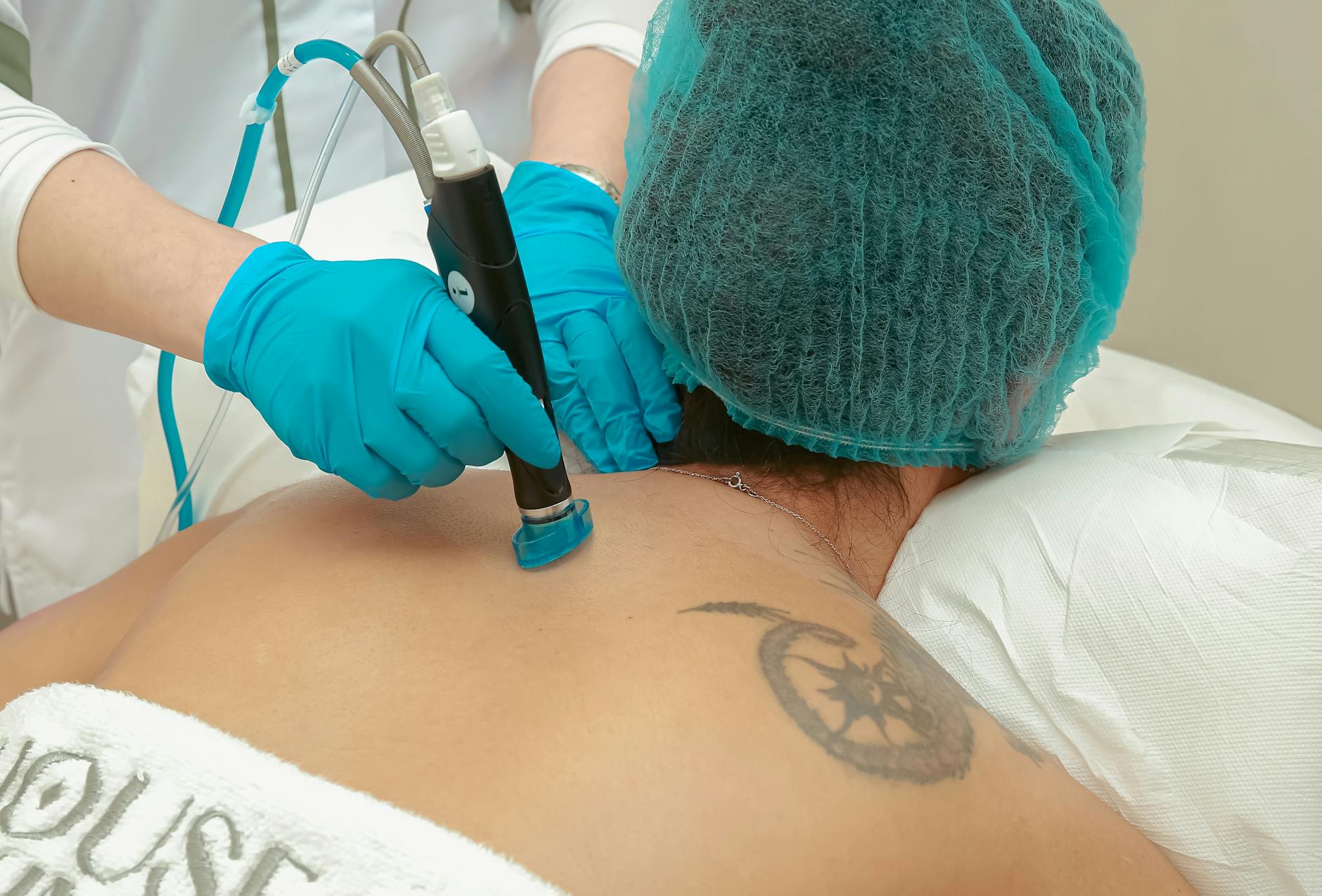
The laser delivers rapid pulses across the entire treatment area in overlapping patterns.
During treatment, you'll hear sharp snapping sounds as each pulse fires. Most patients describe the sensation as similar to a rubber band snapping against skin - uncomfortable but tolerable. The treated area may feel warm immediately afterward.
"The actual laser treatment feels like tiny rubber band snaps and is over much faster than most patients expect."
Treatment duration varies significantly by area size. Small spots like individual age marks take just minutes, while larger areas such as full facial sun damage require 15-30 minutes of active laser time.
Pain Levels and Comfort Management
Most patients describe Q-switched laser treatments as feeling like a rubber band snapping against the skin. The sensation is brief but noticeable during each laser pulse. Treatment areas with thinner skin, such as the face and neck, typically feel more sensitive than areas with thicker skin like the hands or arms.
Your dermatologist will use cooling techniques to minimize discomfort throughout the procedure. These include cooling gels applied before treatment, built-in cooling systems on the laser device, and cold air blown onto the treatment area. For particularly sensitive patients or larger treatment areas, topical anesthetic creams can be applied 30 minutes before the session.
The entire treatment usually takes 10-30 minutes, making any discomfort short-lived. Most patients find the pain completely manageable and return to normal activities immediately after treatment without lasting discomfort.
Immediate Post-Treatment Care and Next Steps

Immediately after your Q-switched laser treatment, your skin will appear red and slightly swollen, similar to a mild sunburn. This reaction is completely normal and indicates the laser worked effectively. The treated area may feel warm and tender for several hours.
Apply ice packs wrapped in cloth for 10-15 minutes every hour to reduce swelling and discomfort.
Use lukewarm water and a mild, fragrance-free cleanser twice daily for the first week.
Apply prescribed healing ointment and use broad-spectrum SPF 30+ sunscreen daily to prevent permanent scarring.
Your dermatologist will schedule follow-up appointments every 4-6 weeks to monitor healing and determine when additional treatments are needed. Some patients benefit from combining treatments like Chemical Peels to enhance results and achieve clearer skin faster.
Proper aftercare and sun protection are essential to prevent complications and achieve optimal results from your Q-switched laser treatment.
Frequently Asked Questions
What does Q-switched laser treatment feel like?
Most patients describe Q-switched laser treatments as feeling like a rubber band snapping against the skin. The sensation is brief but noticeable during each laser pulse. Treatment areas with thinner skin, such as the face and neck, typically feel more sensitive than areas with thicker skin like the hands or arms.
How long does a Q-switched laser treatment take?
Treatment duration varies significantly by area size. Small spots like individual age marks take just minutes, while larger areas such as full facial sun damage require 15-30 minutes of active laser time. The entire treatment usually takes 10-30 minutes total.
What happens during the consultation before Q-switched laser treatment?
Your Q-switched laser journey begins with a thorough consultation where your dermatologist examines your skin type, pigmentation concerns, and medical history. This assessment determines the appropriate laser settings and helps identify any factors that might affect healing. The provider will also address concerns about potential complications or scarring.
Is numbing cream used for Q-switched laser treatments?
For sensitive areas or patients with lower pain tolerance, topical numbing cream may be applied 30-45 minutes before treatment. Patients receiving tattoo removal often benefit from this preparation step, while those treating small age spots may find it unnecessary. Your provider will discuss comfort options based on your specific treatment plan and pain sensitivity.
What comfort measures are used during Q-switched laser treatment?
Your dermatologist will use cooling techniques to minimize discomfort throughout the procedure. These include cooling gels applied before treatment, built-in cooling systems on the laser device, and cold air blown onto the treatment area. For particularly sensitive patients or larger treatment areas, topical anesthetic creams can be applied 30 minutes before the session.
Disclaimer: This content is for informational purposes only and does not constitute medical advice. Always consult a qualified healthcare provider before making health decisions.