What to Expect in the First 24 Hours After Q-Switched Laser

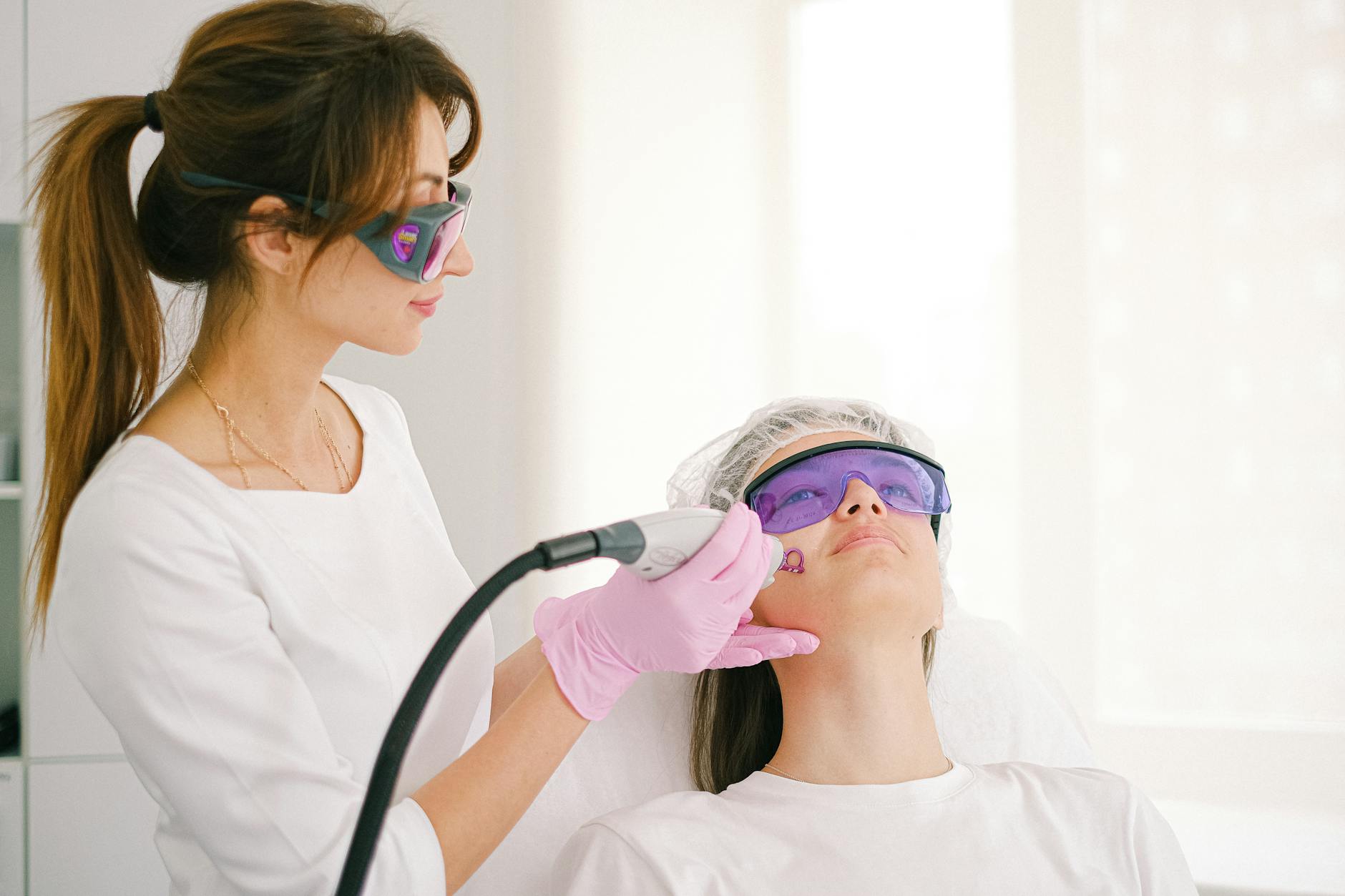
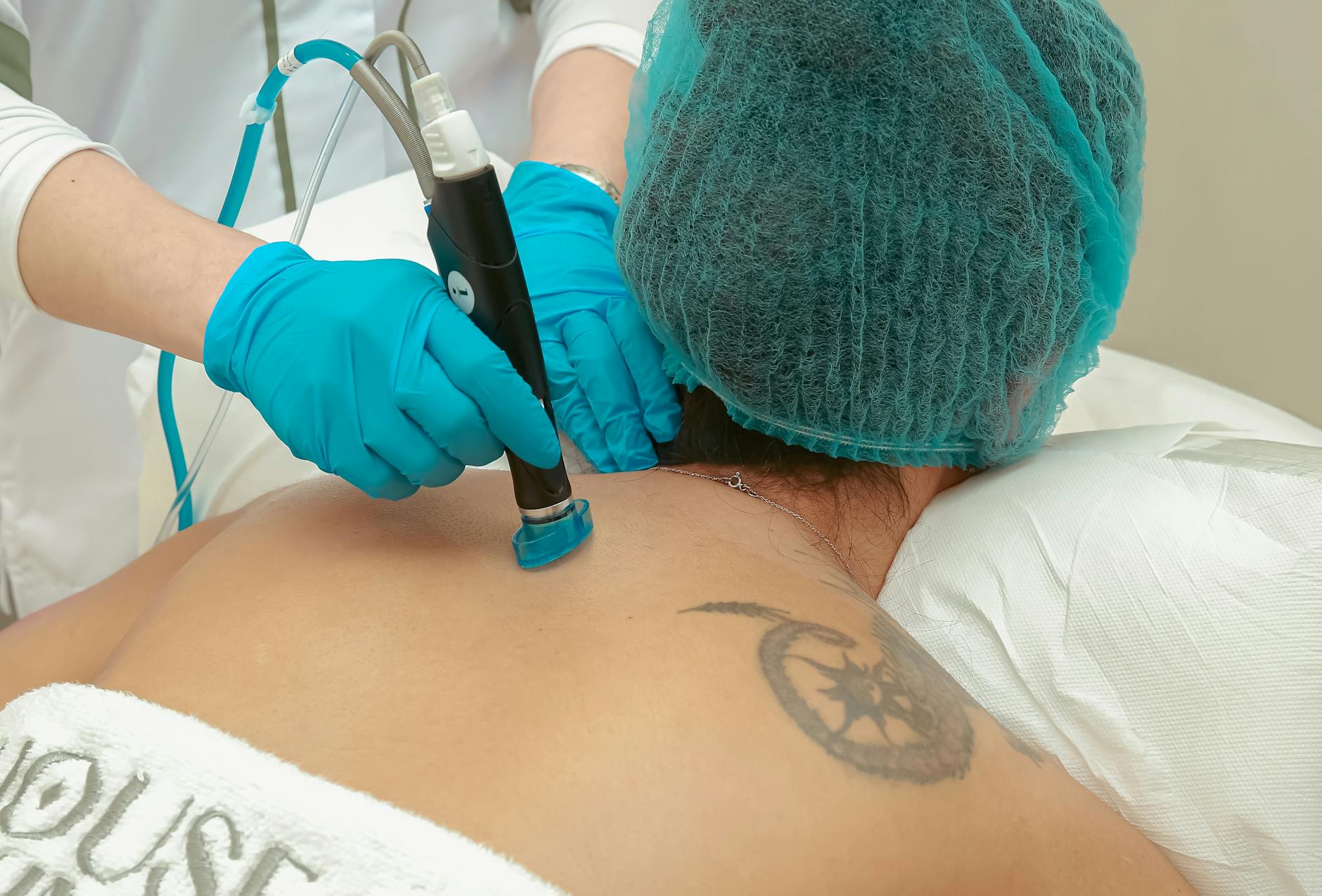
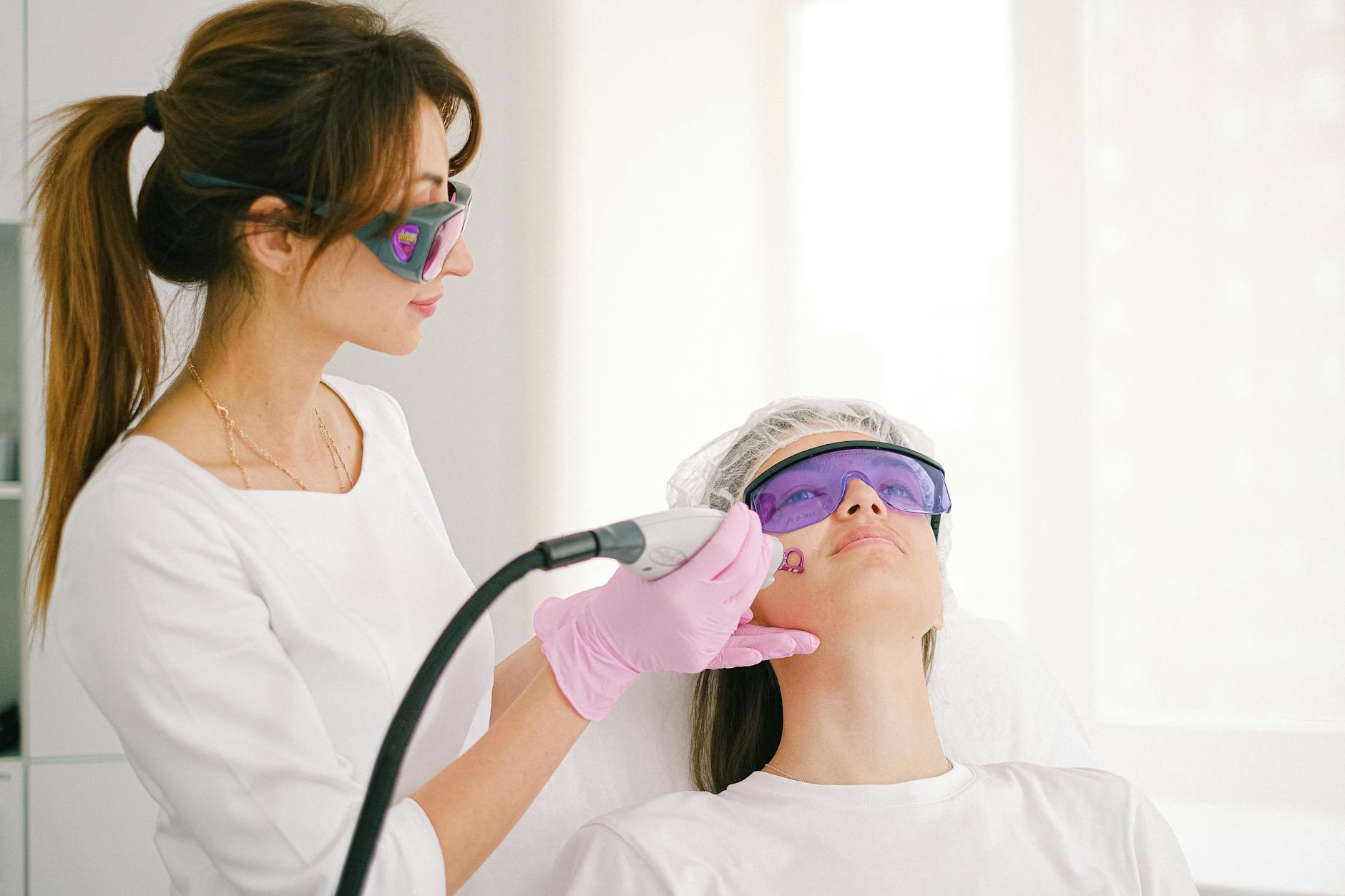
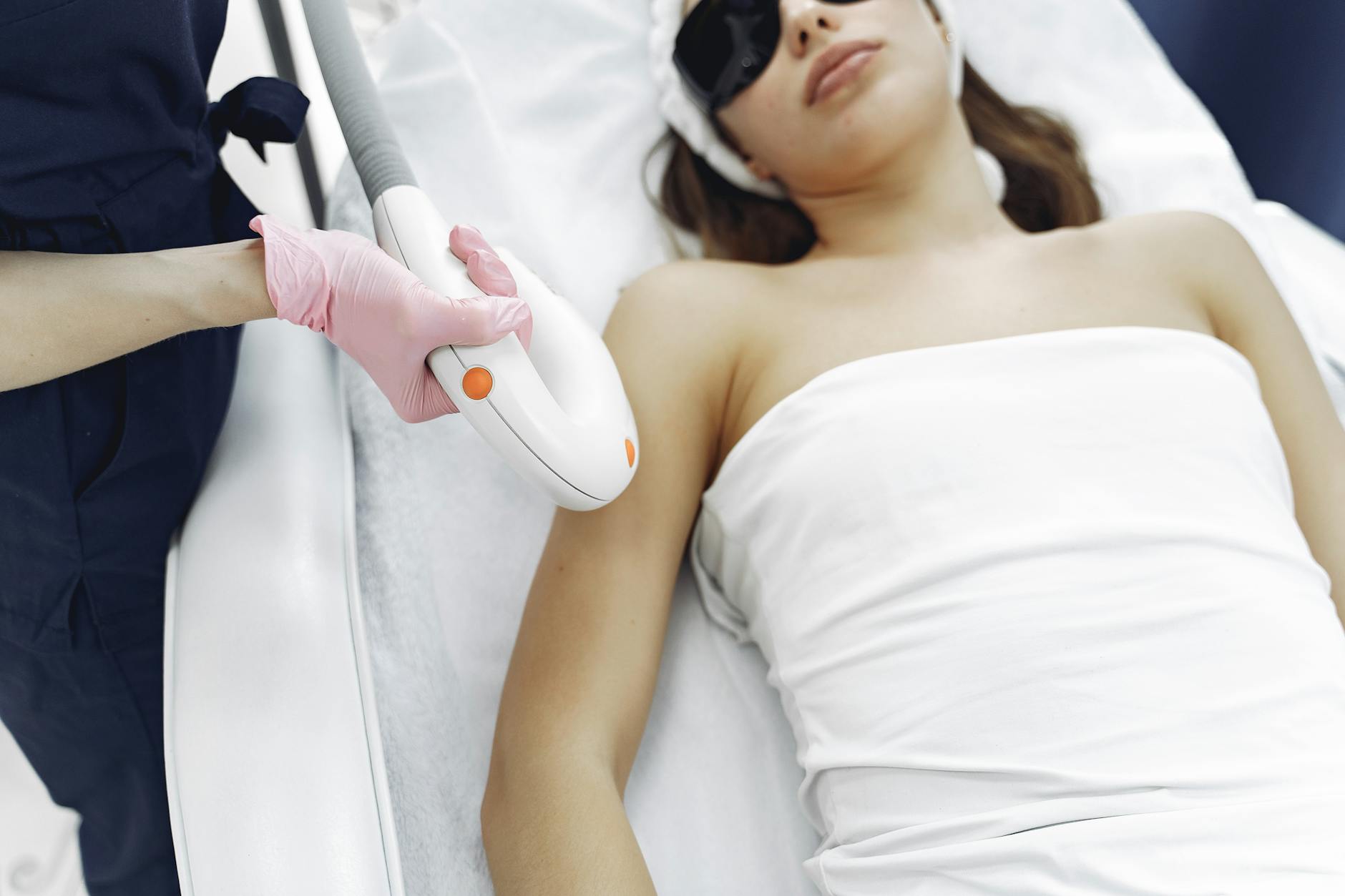
The first day after your Q-switched laser treatment marks the beginning of your skin's healing journey. Understanding what happens during these initial hours helps you respond appropriately to your body's natural recovery process and reduces anxiety about normal treatment effects.
“Your skin will look and feel different immediately after treatment, but these changes are temporary signs that the laser is working effectively.”
Expect your treated area to appear red and slightly swollen within the first few hours. This reaction resembles a mild sunburn and indicates your skin is responding correctly to the laser energy. Some patients notice a darkening of pigmented spots before they begin to fade, which is completely normal.
Apply ice packs wrapped in a thin cloth for 10-15 minute intervals every hour during your first day home. This reduces swelling and provides comfort without risking frostbite damage to your sensitive skin. Never place ice directly against your treated area.
Use wrapped ice packs for 10-15 minutes every hour while awake.
Wash with lukewarm water and mild cleanser, patting dry softly.
Avoid exercise, heat, and sun exposure for the remainder of the day.
Skip your workout and avoid hot showers, saunas, or prolonged sun exposure for 24 hours. These activities increase blood flow and heat, potentially worsening swelling and discomfort.
Contact your provider immediately if you experience severe pain, excessive swelling that worsens after 6 hours, signs of infection like pus or red streaking, or blistering beyond small, expected areas.
Week-by-Week Healing Timeline and What to Watch For
Understanding your skin's healing journey helps you recognize normal progress and avoid unnecessary worry about permanent scarring. Q-switched laser recovery follows a predictable pattern, though individual timelines may vary slightly based on your skin type and the treatment intensity.
Days 1-3: Initial Healing Phase
Your treated area will appear darker and feel tender, similar to a mild sunburn. Small pinpoint bleeding spots or tiny crusts may form where pigmented lesions were targeted. This darkening is actually a positive sign—it shows the laser successfully broke down unwanted pigment. Avoid picking at any forming crusts, as this can lead to scarring.
"The darkening you see in the first few days is actually your skin doing exactly what it should—breaking down and preparing to shed damaged pigment."
Days 4-7: Scabbing and Peeling
Light scabs and flaking begin as your skin naturally sheds treated tissue. You might notice the treated areas look patchy or uneven during this phase. For example, a sun spot might appear to get darker before small pieces begin flaking off. This uneven appearance is temporary and completely normal.
Week 2-4: Final Healing
Most visible healing completes during this period. New, healthy skin emerges as the last bits of damaged tissue shed away. Some patients notice slight redness that gradually fades. Your treated areas should begin showing their final results, though full improvement continues for up to three months.
Red Flags Requiring Medical Attention
Contact your dermatologist immediately if you experience increasing pain after day three, pus or yellow drainage, red streaking around the treatment area, or fever. These symptoms could indicate infection, which is rare but requires prompt treatment to prevent complications.
Most patients return to normal activities within a week, though you should continue protecting the area from sun exposure throughout the entire healing process.
Essential Daily Care Routine for Optimal Healing

Your skin needs gentle, consistent care during Q-switched laser recovery to heal properly and minimize the risk of permanent scarring. Following a structured daily routine protects your treated skin while promoting faster, healthier healing.
Wash with lukewarm water and a fragrance-free, gentle cleanser like Cetaphil or CeraVe twice daily, patting dry with a clean towel.
Apply a thick layer of fragrance-free moisturizer or healing ointment like Aquaphor within three minutes of cleansing to lock in hydration.
Use broad-spectrum SPF 30 or higher sunscreen every day, even indoors, and reapply every two hours when outside.
Skip retinoids, acids, scrubs, and fragranced products for at least two weeks or until your dermatologist approves their return.
Choose products specifically designed for sensitive or post-procedure skin. Brands like Vanicream, La Roche-Posay Toleriane, and EltaMD offer excellent options that won't interfere with healing. Your moisturizer should feel slightly heavy on your skin—this protective barrier prevents infection and reduces scab formation that can lead to scarring.
Sun protection deserves special attention since treated areas remain extremely photosensitive for weeks. Even brief sun exposure can cause permanent hyperpigmentation that's harder to treat than your original concern. Wear wide-brimmed hats and seek shade whenever possible, treating sun avoidance as essential medicine rather than an inconvenience.
Monitor your skin's response to each product. If you notice increased redness, burning, or unusual irritation, stop using that product immediately and contact your dermatologist. Your skin will guide you toward what works best during this vulnerable healing period.
Managing Common Side Effects and Discomfort
Experiencing redness, swelling, and scabbing after Q-switched laser treatment is completely normal and indicates your skin is healing properly. Understanding how to manage these side effects helps prevent complications and reduces concerns about permanent scarring.
Pain typically peaks within the first 24 hours and feels similar to a mild sunburn. Apply cold compresses for 10-15 minutes every few hours to reduce discomfort. Over-the-counter ibuprofen effectively manages both pain and inflammation, while acetaminophen addresses pain alone. Avoid aspirin, which can increase bleeding risk.
Swelling and redness usually subside within 2-4 days. Keep your head elevated while sleeping and continue cold compresses. Gentle moisturizer helps reduce tightness, but avoid products with fragrances or active ingredients like retinoids.
Scabs form naturally as your skin repairs itself. Never pick or scratch them, as this significantly increases scarring risk. Let scabs fall off naturally, typically within 5-7 days. If scabs feel tight, apply a thin layer of petroleum jelly to keep them moist.
Contact your dermatologist immediately if you notice signs of infection such as increasing redness after day three, yellow or green discharge, fever, or red streaks extending from the treated area. Severe pain that worsens rather than improves also warrants professional evaluation.
Most patients find these side effects manageable with proper care and see significant improvement within one week.
Activities and Lifestyle Modifications During Recovery
Your daily routine needs strategic adjustments during Q-switched laser recovery to protect your healing skin and prevent complications that could lead to scarring. Understanding these temporary limitations helps you plan ahead and maintain realistic expectations.
Avoid strenuous exercise for the first 48-72 hours after treatment. Sweating can introduce bacteria into healing skin and increase inflammation. Light walking is acceptable, but skip gym workouts, hot yoga, or activities that cause excessive perspiration. Resume normal exercise gradually once initial healing begins.
Skip makeup and active skincare ingredients for at least one week. Foundation, concealer, and powder can clog pores and interfere with the natural healing process. Avoid retinoids, alpha hydroxy acids, vitamin C serums, and exfoliating products until your dermatologist clears you to resume them. Stick to gentle, fragrance-free moisturizers and prescribed aftercare products only.
Plan your work schedule around potential downtime. Most patients experience visible redness and possible swelling for 2-5 days. Consider scheduling treatment before a weekend or when you can work from home if your job requires face-to-face interactions. Social events may need postponing during the peak healing period.
Postpone travel plans involving sun exposure, swimming, or long flights for at least two weeks. Pool chemicals, ocean water, and airplane cabin pressure can irritate healing skin. If travel is unavoidable, maintain strict sun protection and carry your prescribed aftercare products. Beach vacations and outdoor activities should wait until your skin fully recovers to prevent permanent discoloration.
When to Schedule Follow-Up Appointments and What to Discuss

Your first follow-up appointment typically occurs 2-4 weeks after your Q-switched laser treatment. This timing allows your provider to assess healing progress and monitor for any complications that could lead to permanent scarring.
During follow-up visits, your dermatologist evaluates several key factors. They examine how well your skin has healed, check for signs of infection or adverse reactions, and assess the treatment's effectiveness on your targeted concerns. Your provider also determines whether your skin is ready for additional treatments or if you need more recovery time.
Come prepared with specific questions about your healing process. Ask about any unusual symptoms you've experienced, when you can resume normal skincare routines, and timeline expectations for seeing final results. Discuss whether you're a candidate for complementary treatments like Chemical Peels, which use acid treatments that remove damaged skin layers to improve texture and appearance through controlled chemical exfoliation.
Planning additional laser sessions depends on your skin's response and treatment goals. Most patients need 3-6 sessions spaced 6-8 weeks apart for optimal results. Your provider will create a personalized treatment schedule based on your skin type, the condition being treated, and how well you've responded to the initial session.
Regular follow-up appointments ensure you achieve the best possible outcomes while minimizing risks. These visits provide opportunities to adjust your treatment plan and address any concerns promptly.
Long-Term Care Tips for Maintaining Your Results
Protecting your investment in Q-switched laser treatment requires consistent daily habits. Your skin will remain vulnerable to pigmentation changes for months after treatment, making prevention your strongest defense against needing additional sessions.
Use broad-spectrum sunscreen every morning, even on cloudy days and when staying indoors near windows.
Switch to gentle, fragrance-free products and avoid harsh exfoliants for at least six weeks post-treatment.
Limit alcohol consumption and manage stress levels, as both can trigger inflammation that affects healing.
Watch for signs that indicate you may benefit from touch-up treatments: new dark spots appearing, existing treated areas showing partial return of pigmentation, or uneven skin tone developing. These changes don't indicate treatment failure but rather the natural progression that many patients experience over time.
Consistent sun protection and gentle skincare habits will extend your results and minimize the need for future treatments.
Frequently Asked Questions
What should I expect in the first 24 hours after Q-switched laser treatment?
Your treated area will appear red and slightly swollen within the first few hours, resembling a mild sunburn. Some patients notice a darkening of pigmented spots before they begin to fade, which is completely normal. Apply ice packs wrapped in a thin cloth for 10-15 minute intervals every hour during your first day home to reduce swelling and provide comfort.
Is it normal for my skin to get darker after Q-switched laser treatment?
Yes, darkening of pigmented spots is completely normal and actually indicates the laser is working effectively. This darkening shows the laser successfully broke down unwanted pigment and is a positive sign. The darkening is temporary as your skin prepares to shed the damaged pigment over the following days and weeks.
What activities should I avoid after Q-switched laser treatment?
Skip your workout and avoid hot showers, saunas, or prolonged sun exposure for 24 hours after treatment. These activities increase blood flow and heat, potentially worsening swelling and discomfort. Rest and protect the treated area for the remainder of the first day.
How long does it take for Q-switched laser treatment to heal completely?
Most visible healing completes within 2-4 weeks after treatment. Days 1-3 involve initial healing with darkening and tenderness, days 4-7 include scabbing and peeling, and weeks 2-4 show final healing as new healthy skin emerges. Full improvement continues for up to three months as the treated areas show their final results.
When should I contact my doctor after Q-switched laser treatment?
Contact your provider immediately if you experience severe pain, excessive swelling that worsens after 6 hours, or signs of infection like pus or red streaking. Blistering beyond small, expected areas is also a red flag requiring medical attention. These symptoms are not part of normal healing and need professional evaluation.
Disclaimer: This content is for informational purposes only and does not constitute medical advice. Always consult a qualified healthcare provider before making health decisions.