Common Side Effects You Can Expect

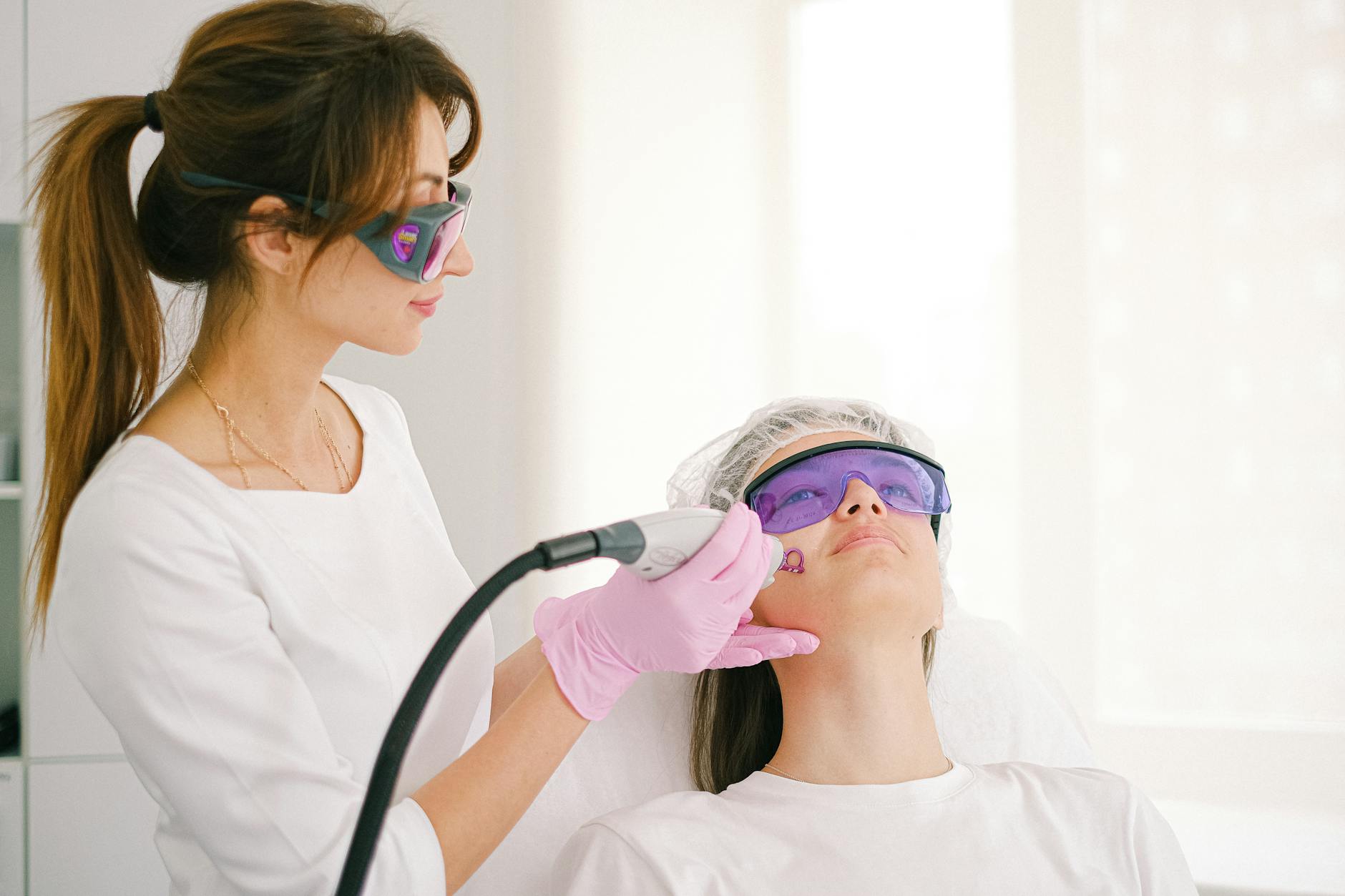
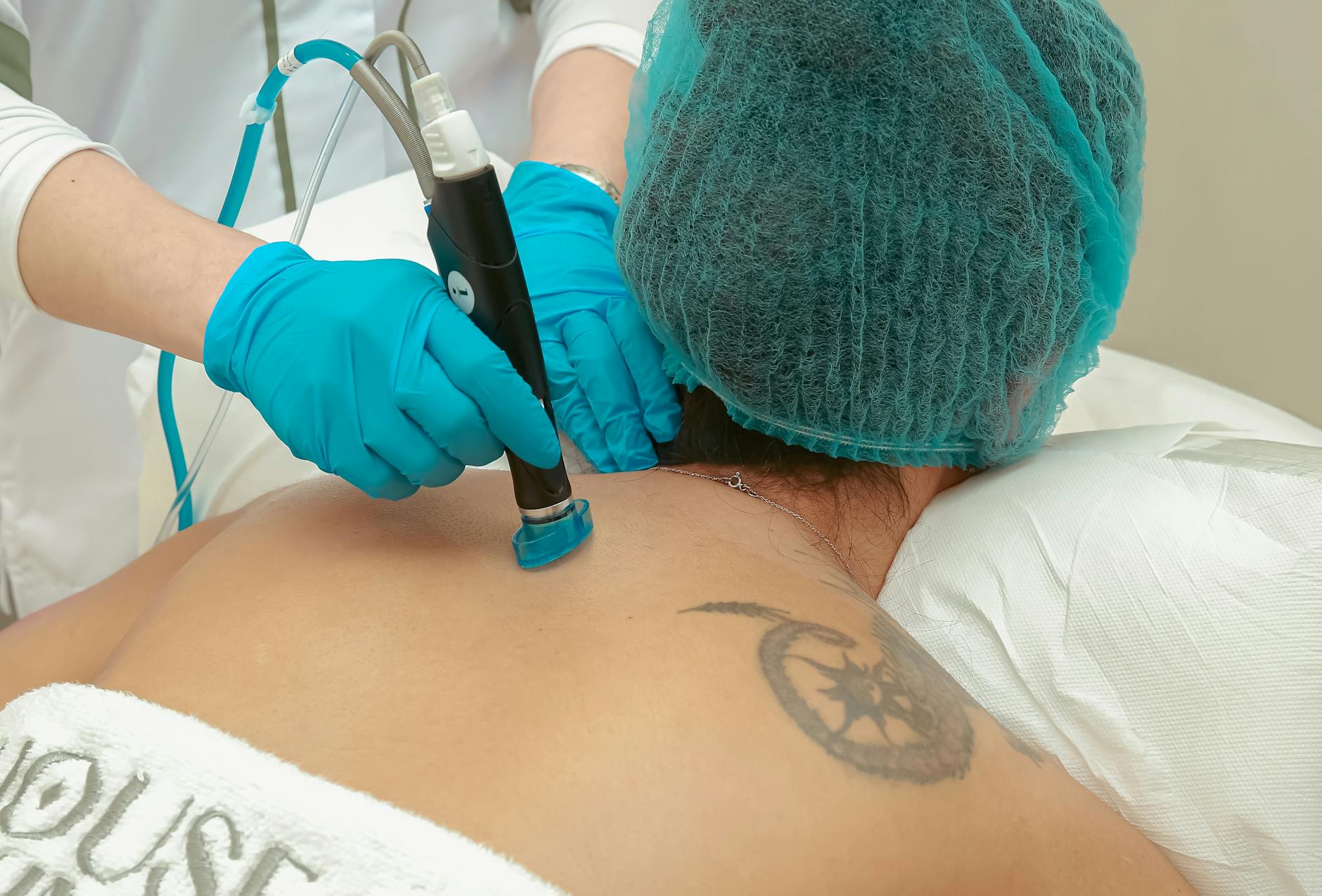
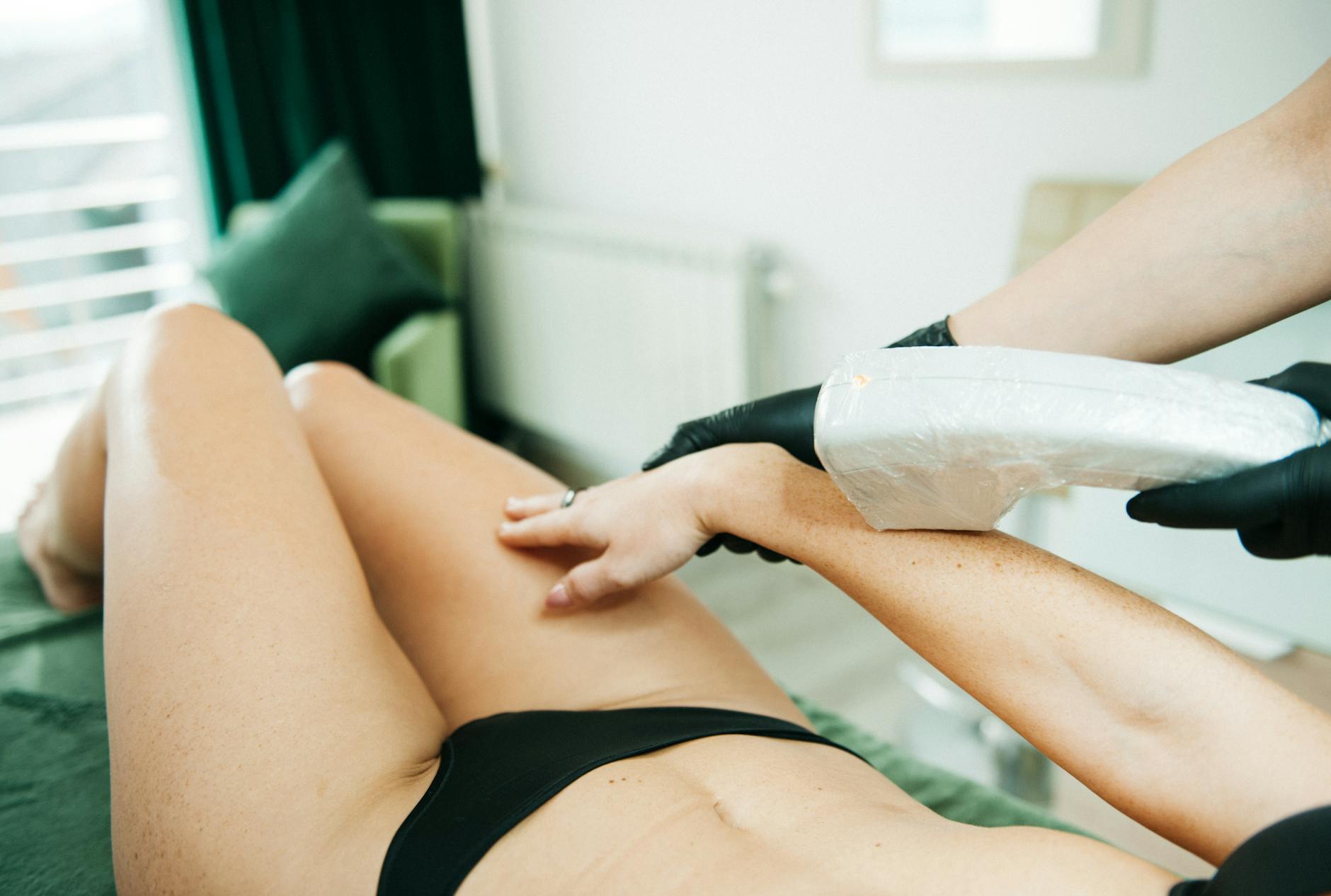
Q-switched laser treatments produce predictable, temporary side effects that signal your skin is healing properly. Understanding what's normal helps you recognize that your treatment is working as intended.
Immediately after treatment, you'll notice redness and mild swelling around the treated area. This typically lasts 2-4 hours and resembles a mild sunburn. Your skin may feel tender or slightly warm to the touch during this period.
“The darkening you see after treatment is actually your skin bringing pigmented cells to the surface for natural removal.”
Many patients worry when the treated area temporarily darkens within 24-48 hours. This darkening, called "frosting," is completely normal and indicates the laser successfully targeted the pigment. The darkened area will naturally flake off like a scab over 7-14 days.
Mild discomfort during treatment feels similar to a rubber band snapping against your skin. Afterward, any tenderness usually resolves within a day. Most people return to normal activities immediately, though you'll want to avoid direct sun exposure during the initial healing period.
Serious Risks and Complications

While most Q-switched laser treatments heal without problems, serious complications can occur when procedures go wrong or aftercare instructions aren't followed properly. Understanding these risks helps you recognize warning signs early and seek prompt medical attention when needed.
Hyperpigmentation creates dark patches that can last months or become permanent, especially in darker skin tones. Hypopigmentation causes permanent white spots where melanin cells are destroyed. Both conditions happen when laser settings are incorrect for your skin type or when you expose treated areas to sun too soon after treatment.
“Permanent scarring from Q-switched lasers is rare but becomes more likely when patients pick at scabs or ignore post-treatment care instructions.”
Scarring and textural changes occur when laser energy penetrates too deeply or when healing is disrupted. Raised or depressed scars can form, particularly if you have a history of keloid formation. Infection risks increase when treatment sites aren't kept clean or when bacterial contamination occurs during healing.
Severe blistering and burns result from excessive laser power or overlapping treatment areas. For example, treating the same spot multiple times in one session can cause third-degree burns requiring skin grafts. These complications are preventable with proper technique and appropriate settings.
Who Should Avoid Q-Switched Laser Treatment
Certain individuals face higher risks with Q-switched laser treatment and should carefully consider alternatives. People with darker skin tones have increased risk of pigmentation changes, as the laser can sometimes trigger unwanted darkening or lightening that may take months to fade.
Active skin infections, open wounds, or inflammatory conditions in the treatment area make laser therapy unsafe. The procedure can worsen these conditions and delay healing significantly.
Pregnant women should postpone treatment, as hormonal changes affect skin sensitivity and healing responses. Certain medications, particularly blood thinners and photosensitizing drugs, can increase bruising and adverse reactions.
Recent sun exposure or artificial tanning creates additional complications. Tanned skin absorbs more laser energy, raising the risk of burns and permanent scarring. Wait at least four weeks after significant sun exposure before considering treatment to protect your skin's appearance.
Minimizing Your Risk

Reducing Q-switched laser complications starts with selecting a board-certified dermatologist who performs hundreds of these procedures annually. Experienced practitioners properly assess your skin type, medical history, and realistic expectations before treatment.
Follow all pre-treatment instructions carefully. Stop using retinoids, avoid sun exposure for two weeks, and discontinue medications your provider specifies. These steps prevent unexpected reactions and optimize healing.
Post-treatment compliance significantly impacts your outcomes. Apply prescribed ointments exactly as directed, avoid picking at treated areas, and use broad-spectrum sunscreen daily. Unlike Chemical Peels that require specific neutralization timing, Q-switched lasers demand consistent aftercare for weeks.
Contact your provider immediately if you notice signs of infection, excessive swelling lasting beyond 48 hours, or unusual color changes. Early intervention prevents permanent scarring and ensures proper healing.
Choose experienced providers and follow aftercare instructions precisely to minimize complications and achieve optimal results.
Frequently Asked Questions
What are the normal side effects after Q-switched laser treatment?
Immediately after treatment, you'll notice redness and mild swelling that typically lasts 2-4 hours, resembling a mild sunburn. Within 24-48 hours, the treated area may temporarily darken, called 'frosting,' which is completely normal and indicates the laser successfully targeted the pigment. This darkened area will naturally flake off like a scab over 7-14 days.
Can Q-switched laser treatment cause permanent skin damage?
Yes, serious complications can include permanent hyperpigmentation (dark patches) or hypopigmentation (white spots) where melanin cells are destroyed, especially in darker skin tones. Permanent scarring can also occur when laser energy penetrates too deeply or when healing is disrupted. These complications are more likely when laser settings are incorrect for your skin type or when aftercare instructions aren't followed properly.
Who should not get Q-switched laser treatment?
People with darker skin tones face increased risk of pigmentation changes, while those with active skin infections, open wounds, or inflammatory conditions should avoid treatment as it can worsen these conditions. Pregnant women should postpone treatment due to hormonal changes affecting skin sensitivity. Those on blood thinners or photosensitizing drugs, or who have recent sun exposure or artificial tanning should also avoid treatment to prevent complications.
How long does it take to recover from Q-switched laser treatment?
Most people return to normal activities immediately after treatment, though mild discomfort and tenderness usually resolve within a day. The treated area may darken within 24-48 hours and will naturally flake off over 7-14 days. You'll need to avoid direct sun exposure during the initial healing period to prevent complications.
What does Q-switched laser treatment feel like during the procedure?
During treatment, mild discomfort feels similar to a rubber band snapping against your skin. Afterward, any tenderness usually resolves within a day. The skin may feel tender or slightly warm to the touch for 2-4 hours following the procedure.
Disclaimer: This content is for informational purposes only and does not constitute medical advice. Always consult a qualified healthcare provider before making health decisions.