What Is Q-Switched Laser Tattoo Removal?

Q-switched laser tattoo removal represents the most advanced method for safely eliminating unwanted tattoos without causing permanent scarring. This technology works by delivering incredibly short pulses of intense laser light—measured in nanoseconds—that specifically target tattoo pigments beneath your skin's surface.
“Q-switched lasers deliver precise energy bursts that shatter tattoo ink without damaging surrounding healthy tissue.”
The "Q-switching" mechanism allows the laser to build up maximum energy before releasing it in an ultra-brief burst. This rapid pulse duration ensures the laser energy focuses on breaking apart ink particles rather than heating surrounding skin tissue, which dramatically reduces your risk of scarring compared to older laser methods.
Q-switched technology surpasses older removal techniques like dermabrasion or chemical peels because it selectively targets only the tattoo ink. Previous methods essentially destroyed layers of skin to reach the pigment, often leaving noticeable scars and requiring lengthy healing periods.
Several types of Q-switched lasers exist, each optimized for different ink colors. The most common include Q-switched Nd:YAG lasers (effective on black and red inks), Q-switched alexandrite lasers (ideal for green and blue pigments), and Q-switched ruby lasers (excellent for black and blue tattoos). Your dermatologist selects the appropriate laser wavelength based on your specific tattoo colors and skin type.
For example, a small black tribal tattoo typically responds well to Q-switched Nd:YAG treatment, while a colorful butterfly design might require multiple laser types to address different pigments effectively.
How Q-Switched Lasers Remove Tattoos
Understanding how Q-switched lasers work can help ease concerns about the safety and effectiveness of tattoo removal. The process relies on precise physics rather than harsh chemicals or invasive procedures, which significantly reduces the risk of permanent scarring that many patients worry about.
The laser creates what scientists call a "photoacoustic effect." When the Q-switched laser fires extremely short pulses of light at your tattoo, it targets the ink particles beneath your skin. These pulses last only nanoseconds—that's billionths of a second—but they pack enough energy to shatter the ink particles into microscopic fragments without damaging the surrounding skin tissue.
“The laser shatters ink particles into fragments so small that your body's natural cleaning system can carry them away.”
Once the ink breaks apart, your body's lymphatic system takes over. This natural waste removal network recognizes the tiny ink fragments as foreign material and gradually flushes them away through your liver and kidneys. Think of it like your body's internal cleaning crew sweeping up the debris after the laser does its work.
This natural removal process explains why multiple sessions are necessary. Your lymphatic system can only process a limited amount of ink fragments at once. Each treatment breaks down more ink, but your body needs time between sessions to clear away what's already been shattered. Pushing treatments too close together would overwhelm your system and reduce effectiveness.
The number of sessions depends on your tattoo's size, age, colors, and location. Professional tattoos typically require more treatments than amateur ones because professional inks penetrate deeper and use higher-quality pigments that resist breaking down.
Factors Affecting Tattoo Removal Success

Several factors determine how quickly and completely your tattoo will fade, helping you understand what to expect from Q-switched laser treatments. Understanding these variables sets realistic expectations and prevents disappointment during your removal journey.
Tattoo age plays a significant role in removal success. Older tattoos typically respond better to laser treatment because the ink has already begun to break down naturally over time. Fresh tattoos contain more concentrated ink particles that require additional sessions to eliminate completely.
Size and location dramatically impact treatment duration. Small tattoos on areas with good blood circulation, like the arms or legs, clear faster than large pieces on areas with limited blood flow. Tattoos on the hands, feet, and lower legs take longer to fade because these areas have reduced circulation to carry away fragmented ink particles.
Ink colors present varying levels of difficulty for laser removal. Black and dark blue inks absorb laser energy most effectively, making them easiest to remove. Red, orange, and yellow pigments prove more challenging, while green and light blue colors often require specialized lasers or additional treatment sessions.
Your individual characteristics significantly influence removal success. Lighter skin types generally respond better to laser treatment with lower risk of pigmentation changes. Your immune system strength affects how efficiently your body clears fragmented ink particles - healthier immune function accelerates the removal process.
Professional tattoos with high-quality inks often resist removal more than amateur tattoos with cheaper pigments. While this might seem counterintuitive, professional inks penetrate deeper into the skin and contain more stable compounds that require more laser sessions to break apart effectively.
Proper aftercare following each session optimizes results and minimizes the risk of scarring that concerns many patients during the removal process.
The Q-Switched Laser Treatment Process
Understanding what happens during your Q-switched laser session helps reduce anxiety and prepares you for the experience. The process follows a systematic approach that prioritizes both effectiveness and your comfort throughout the treatment.
Your technician cleanses the tattoo area and applies topical numbing cream 20-30 minutes before treatment begins.
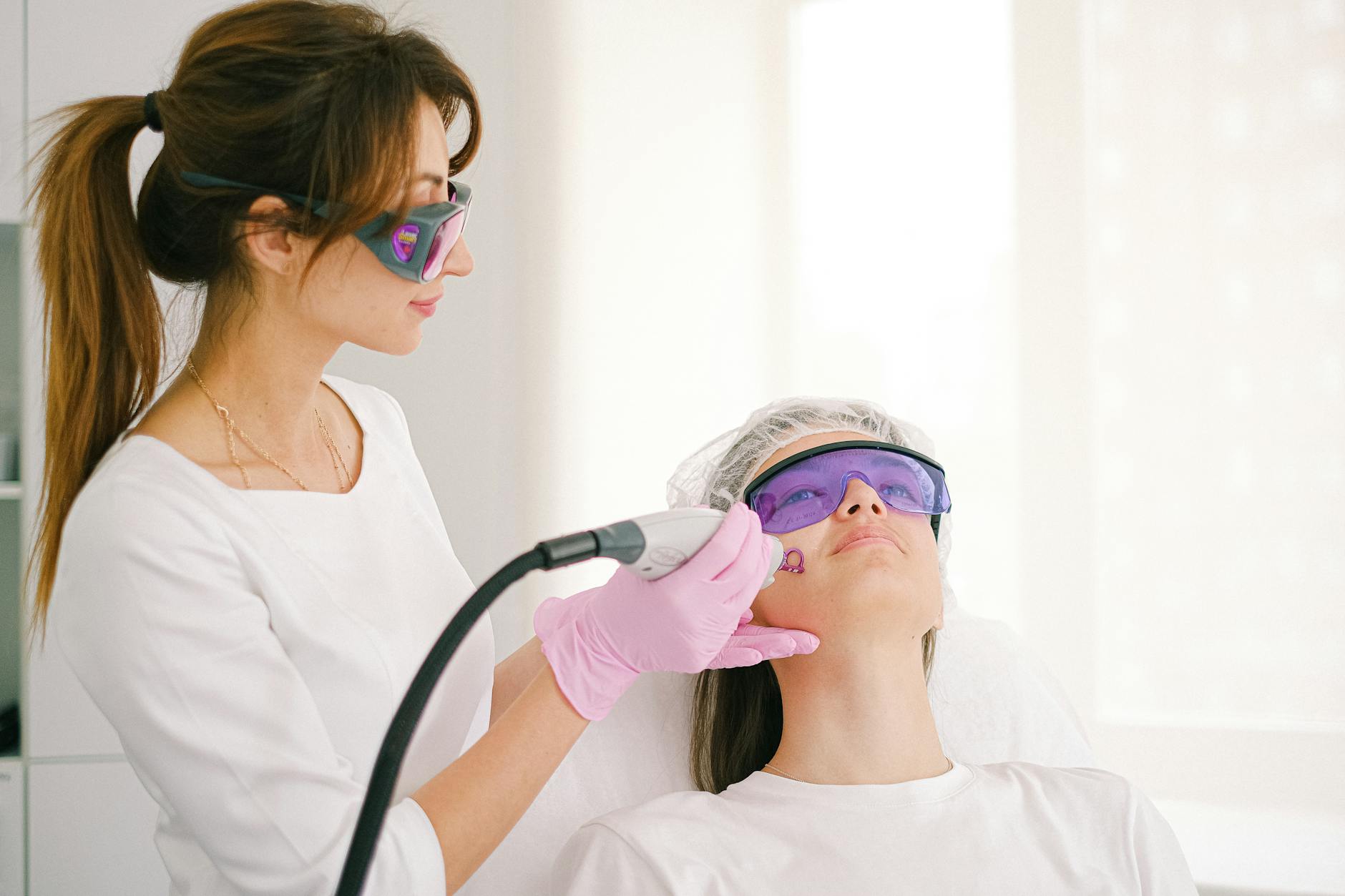
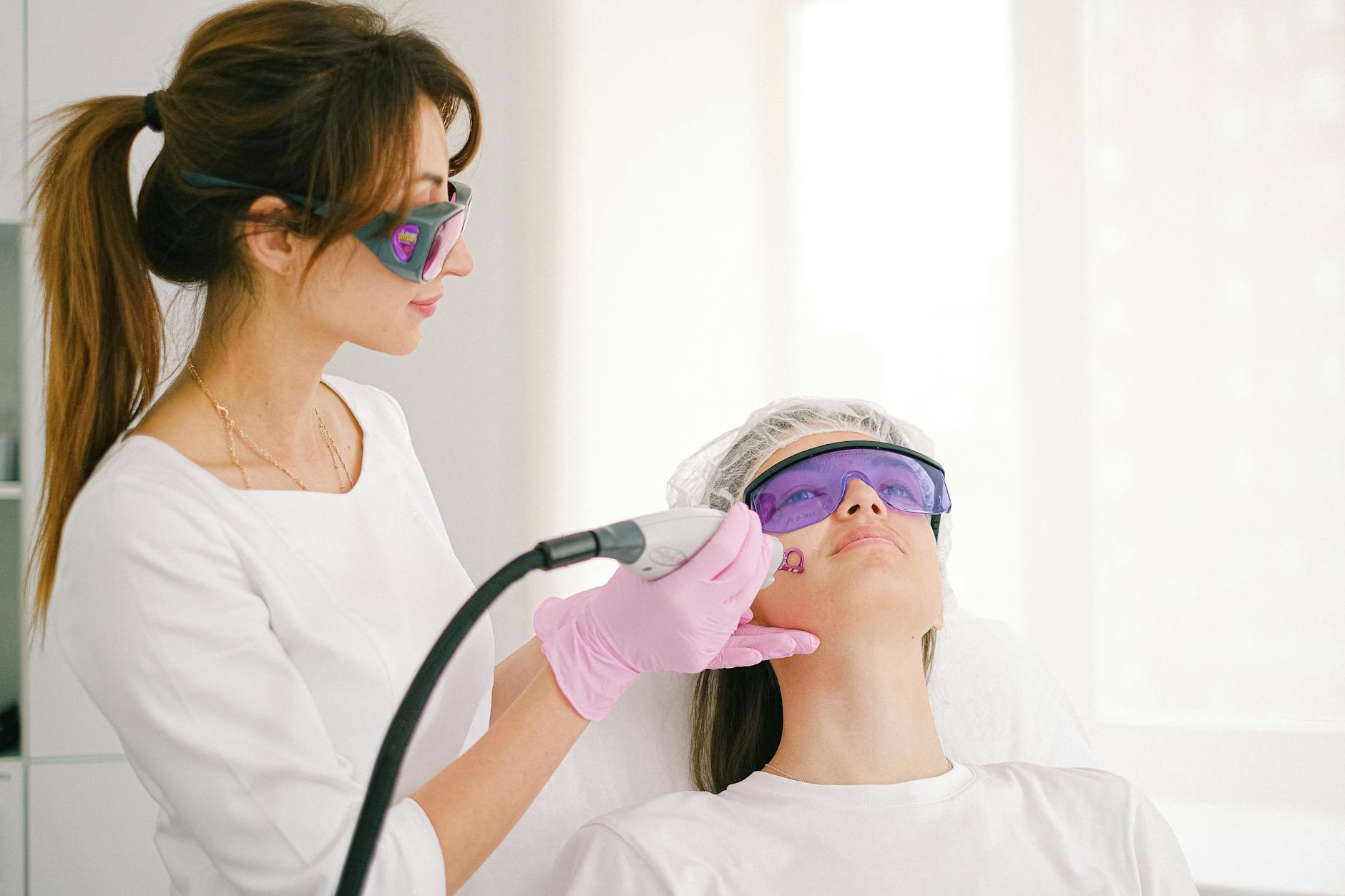
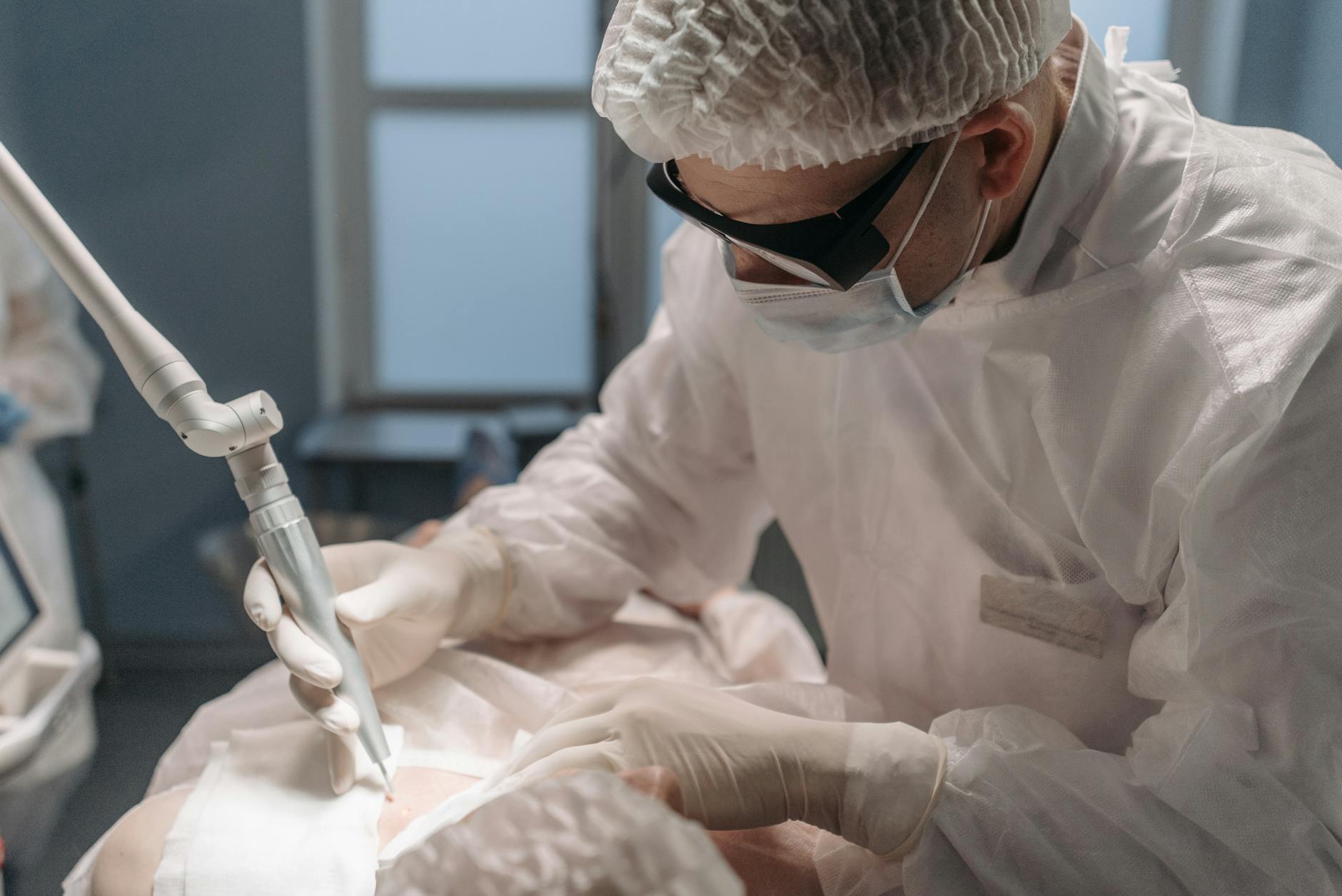
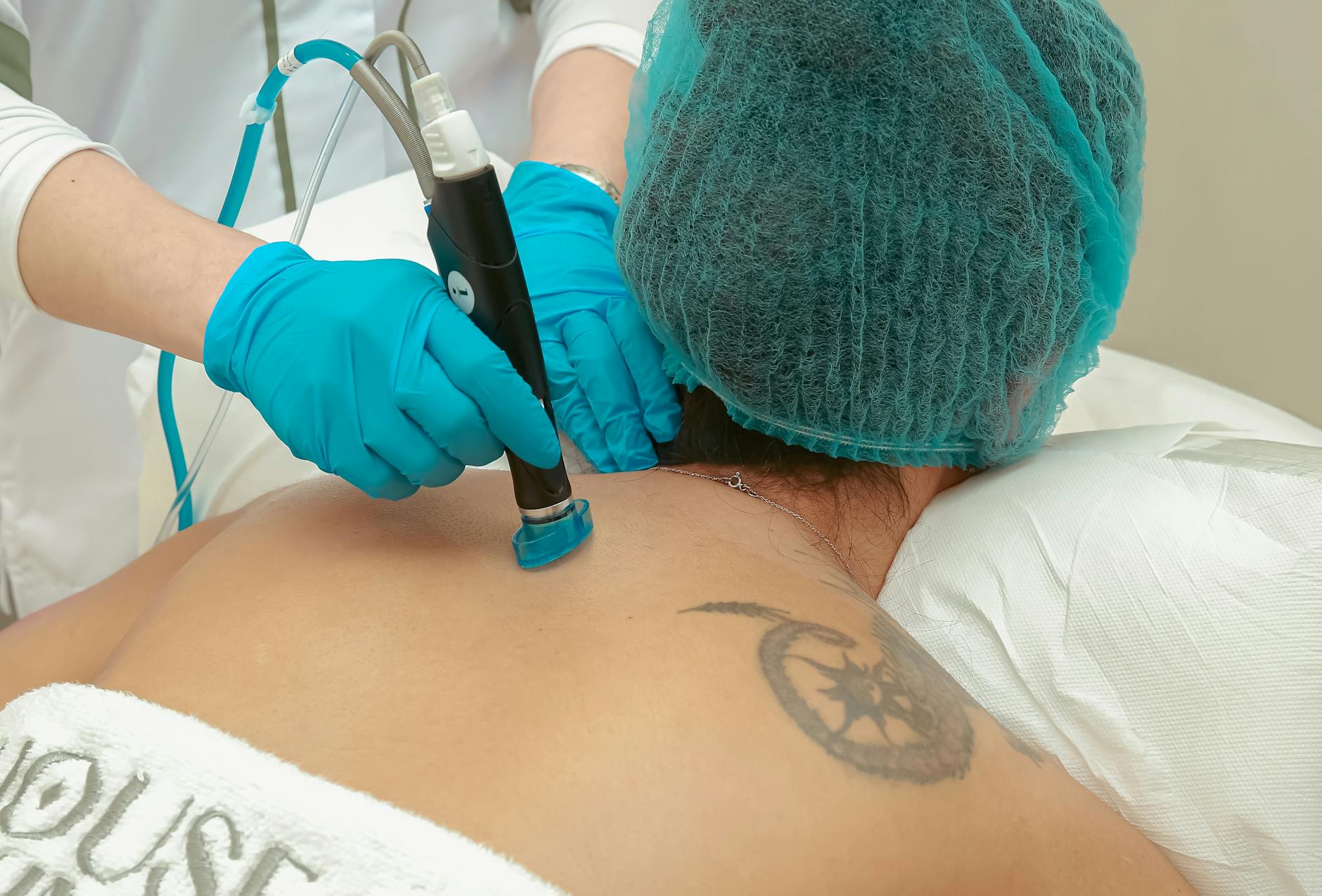
The Q-switched laser delivers precise pulses to the tattooed area while you wear protective eyewear.
Cool compresses and protective ointment are applied to minimize swelling and protect the treated skin.
Most patients describe the laser sensation as similar to rubber band snaps against the skin. The numbing cream significantly reduces discomfort, though some areas like ribs or ankles remain more sensitive. Treatment duration varies based on tattoo size—a small wrist tattoo takes about 5 minutes while a large back piece requires 30-45 minutes.
When performed by qualified professionals using proper technique, Q-switched lasers rarely cause permanent scarring. The key lies in following post-treatment instructions carefully. Immediately after treatment, your skin will appear red and slightly swollen, similar to a sunburn. Some patients develop small blisters within 24 hours, which is completely normal.
Your technician will apply antibiotic ointment and cover the area with a sterile bandage. Keep the treatment site clean and dry for the first 24 hours. Avoid hot showers, swimming, and direct sunlight during the initial healing phase. Most patients return to normal activities the same day, though you should avoid strenuous exercise for 24-48 hours to prevent excessive sweating that could irritate the treated area.
Number of Sessions and Timeline
Most patients need between 4-12 sessions to achieve complete tattoo removal, depending on several key factors. Small, newer tattoos with simple black ink typically require 4-6 sessions, while large, colorful, or professionally done tattoos often need 8-12 sessions or more.
The 6-8 week spacing between sessions isn't arbitrary—it's crucial for your skin's health and treatment success. Your immune system needs this time to flush out the shattered ink particles and fully heal the treated area. Rushing the process by scheduling sessions too close together can lead to scarring, which addresses one of patients' biggest concerns about laser removal.
You'll start seeing progress after your first session, though changes become more noticeable after the second or third treatment. Look for gradual lightening of the tattoo, with darker areas fading first. The tattoo may appear cloudy or hazy immediately after treatment—this is normal and indicates the laser is working effectively.
For example, a medium-sized black tribal tattoo on your arm might show 20-30% fading after three sessions, with complete removal achieved in 6-8 treatments over 12-15 months. Remember that older tattoos and those done by amateur artists typically respond faster to treatment than fresh, professional work.
Your dermatologist will photograph your progress at each visit to track improvements that might be subtle to your eye. This documentation helps adjust laser settings and provides realistic timeline updates throughout your treatment journey.
Alternative Treatments and Why Q-Switched Leads

While several tattoo removal methods exist, Q-switched lasers consistently outperform other options in safety and effectiveness. Understanding these alternatives helps explain why dermatologists recommend Q-switched technology for most patients.
Chemical Peels represent the most limited option for tattoo removal. These acid treatments remove damaged skin layers through controlled chemical exfoliation, but they only reach superficial ink particles. Chemical peels work well for very light, faded tattoos or those applied incorrectly, but they cannot penetrate deep enough to affect professional tattoo ink. Most patients need multiple aggressive peels that increase scarring risk without achieving complete removal.
Surgical excision involves cutting out tattooed skin and stitching the remaining tissue together. While this method guarantees complete removal, it leaves permanent linear scars that many patients find more noticeable than their original tattoo. Large tattoos require skin grafts, creating additional scarring at donor sites. Surgery also carries infection risks and requires significant downtime for healing.
IPL (Intense Pulsed Light) and other laser types lack the precision of Q-switched technology. IPL uses broad-spectrum light that heats surrounding tissue unnecessarily, increasing burn and scarring risks. Traditional continuous-wave lasers cause similar thermal damage. These methods often produce uneven results with higher complication rates.
Q-switched lasers target ink particles with nanosecond pulses that shatter pigments without heating surrounding skin. This precision minimizes scarring risk while maximizing ink removal, making Q-switched the gold standard for safe, effective tattoo removal across all skin types and tattoo colors.
Choosing the Right Provider
Your provider choice determines your results and safety. Look for board-certified dermatologists or plastic surgeons with specific Q-switched laser training. Ask how many tattoo removals they perform monthly and request before-and-after photos of similar tattoos to yours.
During consultation, ask these essential questions: What laser wavelengths will they use for your tattoo colors? How many sessions do they estimate? What are their infection control protocols? A qualified provider will explain the process thoroughly and never guarantee complete removal.
Check their medical license and laser certification through your state medical board.
Ensure they use proper sterilization equipment and maintain clean treatment rooms.
Red flags include extremely low prices, guarantees of complete removal, or pressure to prepay for all sessions. Avoid spas or salons offering laser tattoo removal, as they lack medical oversight. If a provider cannot explain how different wavelengths target specific ink colors, find someone else.
Remember that proper treatment prevents permanent scarring. A qualified provider will assess your skin type, tattoo characteristics, and medical history before creating your treatment plan. This thoroughness protects you from complications and ensures optimal results.
Choose a board-certified physician with proven Q-switched laser experience to ensure safe, effective tattoo removal.
Frequently Asked Questions
What is Q-switched laser tattoo removal?
Q-switched laser tattoo removal is the most advanced method for safely eliminating unwanted tattoos without causing permanent scarring. This technology works by delivering incredibly short pulses of intense laser light that specifically target tattoo pigments beneath your skin's surface. The Q-switching mechanism allows the laser to build up maximum energy before releasing it in an ultra-brief burst, focusing energy on breaking apart ink particles rather than heating surrounding skin tissue.
How many sessions does Q-switched laser tattoo removal typically take?
Q-switched laser tattoo removal typically requires 6-12 sessions to achieve optimal results. The exact number of sessions depends on factors like your tattoo's size, colors, age, and your skin type. Sessions are spaced 6-8 weeks apart to allow your body's lymphatic system time to flush away the shattered ink particles between treatments.
How much does Q-switched laser tattoo removal cost per session?
The average cost per Q-switched laser tattoo removal session is around $200. The total cost will depend on the number of sessions needed, which typically ranges from 6-12 treatments. Factors like tattoo size, complexity, and location can also influence the overall price.
How does Q-switched laser technology actually remove tattoos?
Q-switched lasers create a photoacoustic effect by firing extremely short pulses of light lasting only nanoseconds at tattoo ink particles. These pulses shatter the ink particles into microscopic fragments without damaging surrounding skin tissue. Your body's lymphatic system then naturally flushes away these tiny ink fragments through your liver and kidneys, gradually clearing the tattoo.
What is the success rate of Q-switched laser tattoo removal?
Q-switched laser tattoo removal has a 95% tattoo clearance rate, making it highly effective for most patients. Most treatments achieve around 75% tattoo clearance as a typical result. The technology surpasses older removal techniques because it selectively targets only the tattoo ink rather than destroying layers of skin.
Disclaimer: This content is for informational purposes only and does not constitute medical advice. Always consult a qualified healthcare provider before making health decisions.