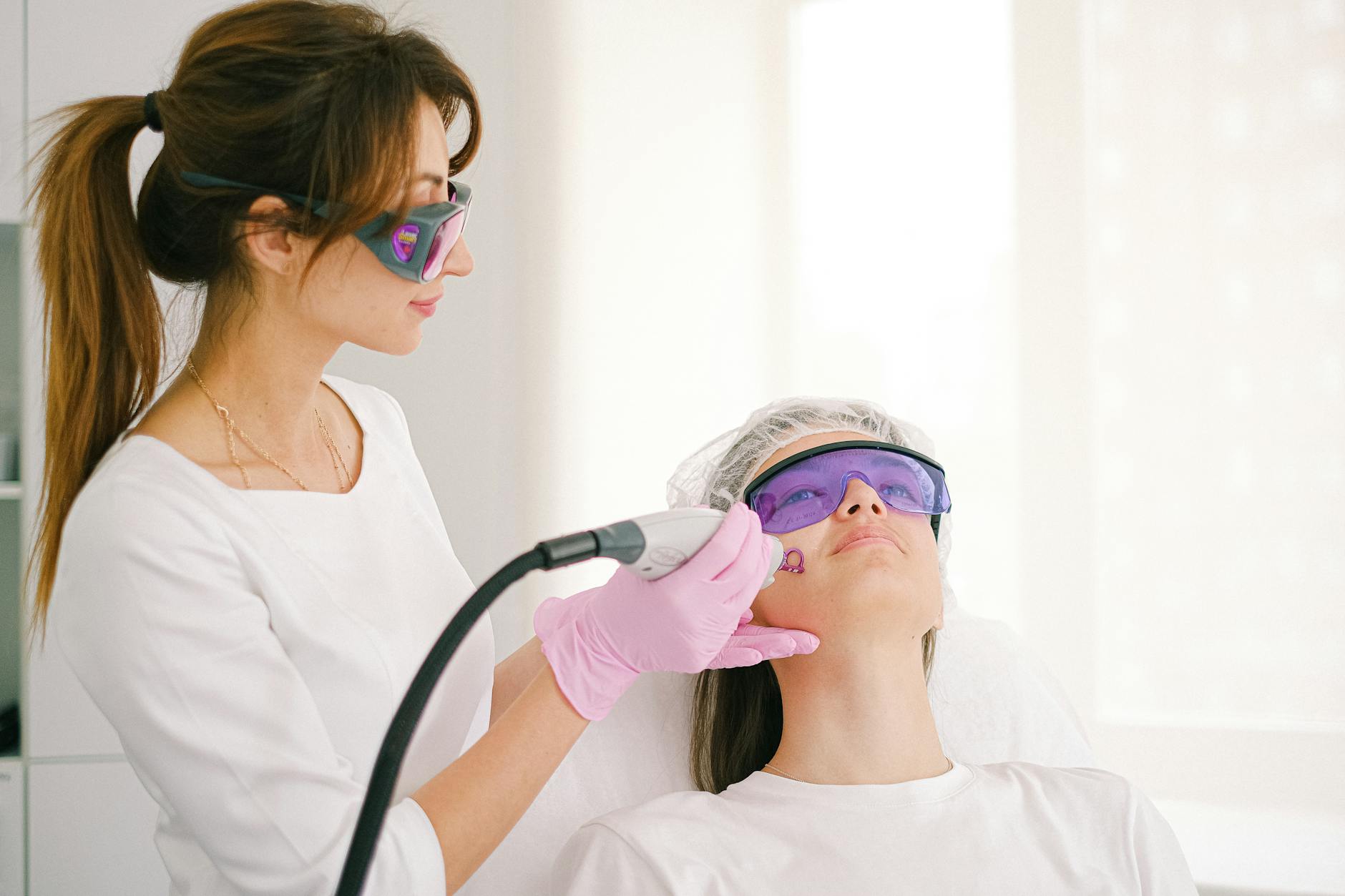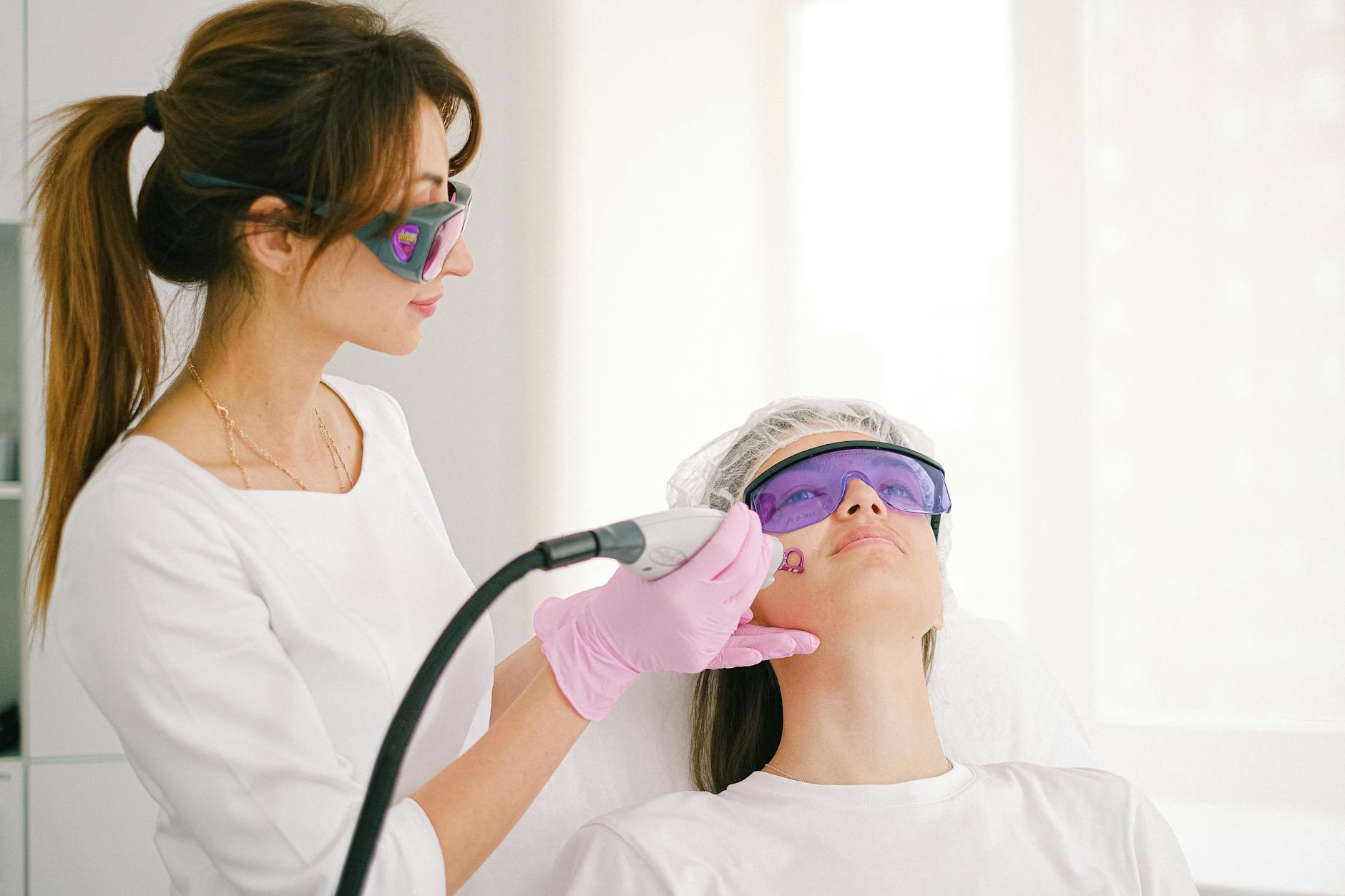
Quick Verdict: Which Laser Technology Wins?

For most patients seeking clear skin without the fear of permanent damage, picosecond lasers emerge as the superior choice. These advanced systems deliver faster results in fewer sessions, typically requiring 3-4 treatments compared to 6-8 sessions with Q-switched technology.
“Picosecond lasers cut treatment time in half while reducing the risk of scarring.”
Q-switched lasers remain excellent workhorses with decades of proven safety data, making them ideal for patients with darker skin tones or specific pigment types. However, their longer pulse duration means more sessions and potentially greater discomfort.
Your choice ultimately depends on your timeline and skin condition. If you need rapid results for an upcoming event, picosecond technology wins hands down. For budget-conscious patients or complex cases requiring proven protocols, Q-switched lasers offer reliable, time-tested solutions that minimize complications.
Technology Differences: How Each Laser Works
The fundamental difference between these laser technologies lies in how quickly they deliver energy to your skin. Think of it like the difference between a hammer blow and a precision tap—both can break things apart, but they work in completely different ways.
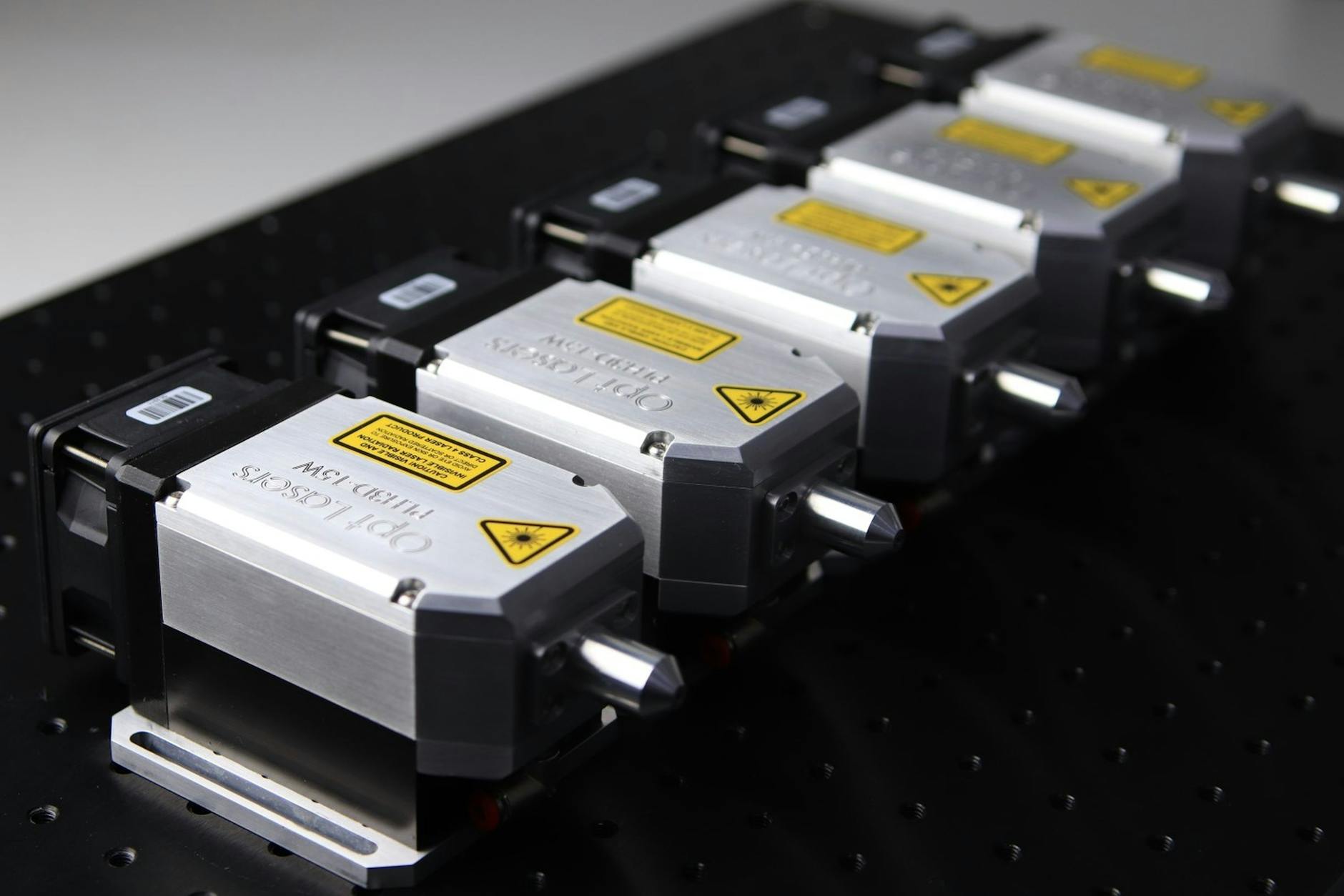
Q-switched lasers deliver their energy in nanoseconds, which are billionths of a second. While this sounds incredibly fast, picosecond lasers operate at an even more precise level, firing in trillionths of a second. This timing difference isn't just technical jargon—it directly affects how effectively each laser breaks down unwanted pigment in your skin.
“Pulse duration determines whether pigment shatters like glass or crumbles like sand.”
When Q-switched lasers hit pigment particles, they create enough heat to break them into smaller pieces. Picosecond lasers work differently—their ultra-short pulses create a photoacoustic effect that shatters pigment into much tinier fragments without generating as much heat. This means less thermal damage to surrounding healthy skin, reducing your risk of scarring or unwanted side effects.
For example, imagine trying to break a rock. Q-switched technology uses sustained pressure to crack it into chunks, while picosecond technology uses a precise shock wave to pulverize it into fine powder. Your body can remove those smaller particles more easily and safely.
Treatment Effectiveness Comparison

When comparing treatment effectiveness, picosecond lasers consistently outperform Q-switched technology across most skin conditions. The shorter pulse duration creates more precise tissue interaction, leading to better outcomes with fewer side effects.
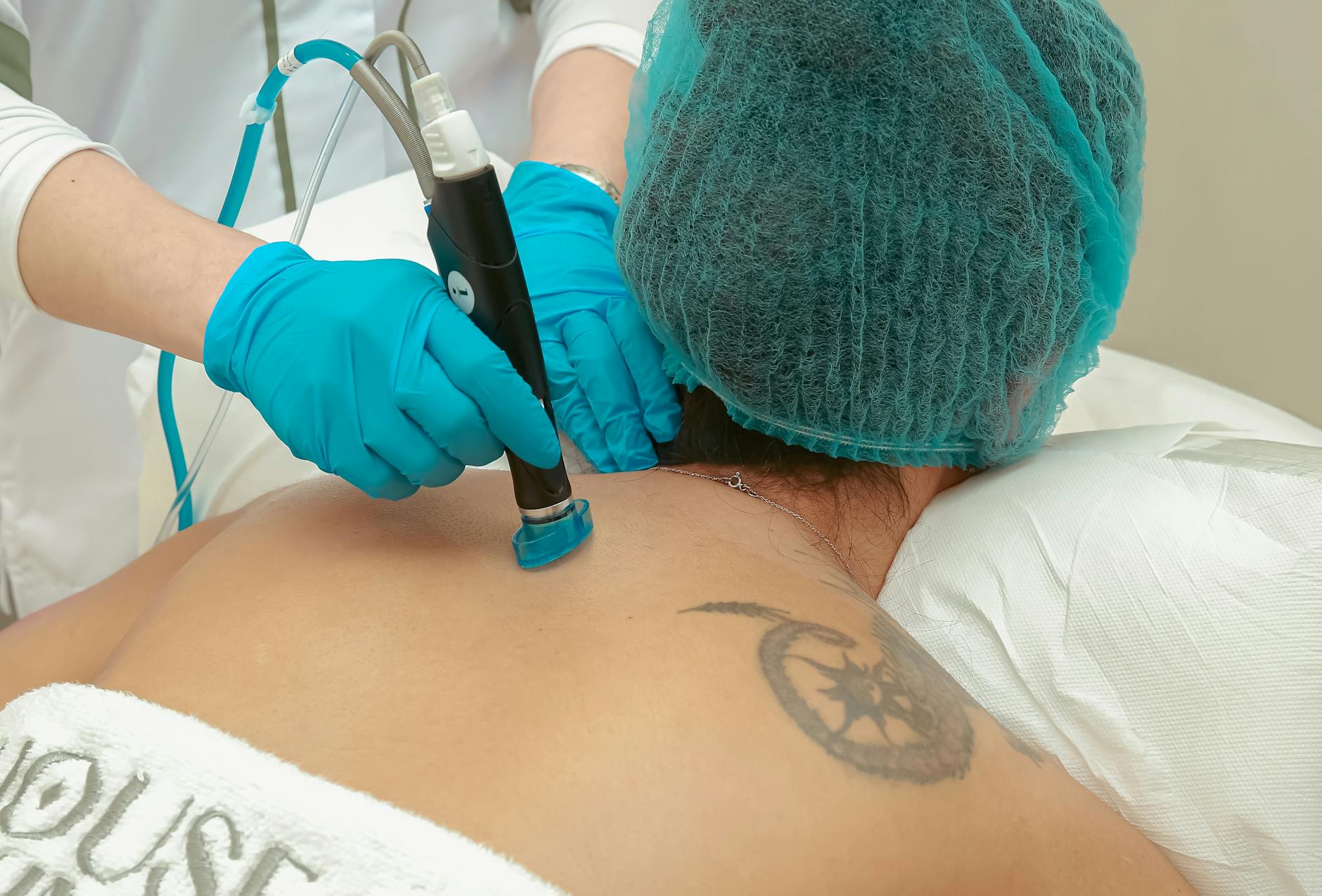
For tattoo removal, picosecond lasers show dramatic speed advantages. Black ink tattoos that require 10-12 Q-switched sessions often clear in 6-8 picosecond treatments. Colored tattoos see even greater improvements, with stubborn blues and greens responding much better to picosecond technology.
Pigmentation treatments reveal similar patterns. Melasma, age spots, and sun damage typically require 4-6 picosecond sessions compared to 6-10 Q-switched treatments. The gentler approach reduces your risk of post-inflammatory hyperpigmentation, especially important for darker skin types.
Session spacing differs between technologies. Q-switched treatments need 6-8 week intervals for proper healing, while picosecond lasers allow 4-6 week spacing due to reduced tissue trauma. This translates to faster overall treatment completion.
However, Q-switched lasers excel in specific scenarios. Deep, professional tattoos with dense ink saturation sometimes respond better to the higher energy delivery of Q-switched systems, particularly in initial sessions before switching to picosecond for finishing work.
Side-by-Side Comparison Table
Choosing between these laser types becomes clearer when you compare what matters most to patients. The differences in treatment experience can significantly impact your decision and peace of mind about potential scarring risks.
Q-switched lasers typically require 6-8 sessions with 2-3 days of noticeable redness and swelling. Sessions last 15-30 minutes depending on treatment area size. Picosecond lasers often achieve similar results in 4-6 sessions with minimal downtime—most patients return to normal activities immediately.
Cost-wise, picosecond treatments run 20-30% higher per session, but fewer total sessions often balance the expense. Recovery time represents the biggest practical difference. Q-switched treatments may require planning around social commitments, while picosecond lasers cause less visible irritation that heals faster.
Who Should Choose Q-Switched Lasers
Q-switched lasers work best for patients who prioritize affordability over speed. These systems typically cost 30-40% less per session than picosecond alternatives, making them attractive for budget-conscious individuals willing to invest in a longer treatment journey.
Patients with darker, denser pigmentation often respond well to Q-switched technology's longer pulse duration. The gentle approach reduces scarring risks while effectively breaking down stubborn melanin deposits that resist other treatments.
Choose Q-switched if you can commit to 6-8 sessions spaced 8-12 weeks apart. For example, someone treating age spots who prefers gradual improvement over rapid results would find this timeline manageable and the cost savings significant.
Who Should Choose Picosecond Lasers
Picosecond lasers work best for patients who want faster, more dramatic results with fewer treatment sessions. These advanced lasers excel at breaking down stubborn pigmentation that resists traditional methods, making them perfect for deep melasma, age spots, and persistent acne scars.
You're an ideal candidate if you have limited time for multiple appointments or want to see significant improvement quickly. Professionals with demanding schedules often choose picosecond technology because it typically requires 2-3 sessions instead of 5-6 with Q-switched lasers.
People with darker skin tones particularly benefit from picosecond lasers' precision, which reduces the risk of permanent scarring or unwanted pigment changes. For example, patients with post-inflammatory hyperpigmentation from acne often see clearer results within weeks rather than months.
If you're willing to invest in premium technology for faster healing and superior outcomes, picosecond lasers deliver the efficiency you're seeking.
Alternative Options to Consider

While laser treatments dominate skin resurfacing discussions, other proven options exist for specific concerns. Chemical Peels offer excellent results for acne scars, fine lines, and uneven skin tone through controlled acid exfoliation. These treatments work particularly well for superficial pigmentation issues and can be gentler than aggressive laser protocols.
Combination approaches often yield superior results than single treatments alone. Many dermatologists recommend pairing light chemical peels with laser sessions, spacing treatments appropriately to avoid overwhelming the skin. This strategy addresses multiple skin layers and concerns simultaneously while minimizing the risk of permanent scarring that worries many patients.
Non-laser alternatives include microneedling, IPL photofacials, and professional-grade topical treatments that gradually improve skin texture without the downtime associated with more intensive procedures.
Making Your Decision: Final Recommendation
Your choice between Q-switched and picosecond lasers depends on your specific skin concerns and treatment goals. Both technologies offer effective solutions with minimal risk of permanent scarring when performed by qualified professionals.
During your consultation, discuss your skin type, the specific issues you want to address, and your timeline for results. Ask about the provider's experience with each technology and request to see before-and-after photos of similar cases. Inquire about expected downtime, number of sessions needed, and total treatment costs.
Consider starting with a patch test to see how your skin responds. Most providers can recommend the best option based on your individual needs. If you have darker skin tones, ensure your provider has extensive experience with laser treatments on your skin type.
Schedule consultations with board-certified dermatologists or qualified laser specialists. They can evaluate your skin condition and recommend the most appropriate treatment approach for achieving clear, healthy skin safely.
Choose your laser treatment based on professional consultation rather than technology type alone.
Frequently Asked Questions
Which laser is better for tattoo removal - picosecond or Q-switched?
Picosecond lasers are generally superior for tattoo removal, requiring significantly fewer sessions than Q-switched technology. Black ink tattoos that need 10-12 Q-switched sessions often clear in just 6-8 picosecond treatments. Colored tattoos, especially stubborn blues and greens, respond much better to picosecond technology due to its more precise energy delivery.
How many sessions does picosecond laser treatment require compared to Q-switched?
Picosecond lasers typically require 3-4 treatment sessions compared to 6-8 sessions with Q-switched technology. This represents about 30% fewer sessions needed overall. The shorter pulse duration of picosecond lasers creates more effective tissue interaction, leading to faster results with fewer treatments.
What's the difference between Q-switched and picosecond laser technology?
The main difference lies in pulse duration - Q-switched lasers deliver energy in nanoseconds (billionths of a second) while picosecond lasers operate in trillionths of a second. Q-switched lasers break pigment into chunks using heat, while picosecond lasers use photoacoustic shock waves to shatter pigment into much smaller particles. This results in less thermal damage to surrounding skin and reduced risk of scarring.
Are picosecond lasers safer than Q-switched lasers?
Yes, picosecond lasers are generally safer because they generate less heat and thermal damage to surrounding healthy skin. Their ultra-short pulses create a photoacoustic effect rather than relying primarily on heat, which reduces the risk of scarring and unwanted side effects. This makes them particularly beneficial for patients with darker skin tones who are at higher risk for post-inflammatory hyperpigmentation.
How effective are picosecond lasers for treating pigmentation issues?
Picosecond lasers are highly effective for pigmentation treatments, typically requiring 4-6 sessions compared to 6-10 Q-switched treatments for conditions like melasma, age spots, and sun damage. They have a 95% patient satisfaction rate and offer gentler treatment with reduced risk of post-inflammatory hyperpigmentation. The recovery time is also shorter at 2-4 weeks compared to longer healing periods with other technologies.
Disclaimer: This content is for informational purposes only and does not constitute medical advice. Always consult a qualified healthcare provider before making health decisions.