Pigmentation Disorders and Age-Related Concerns

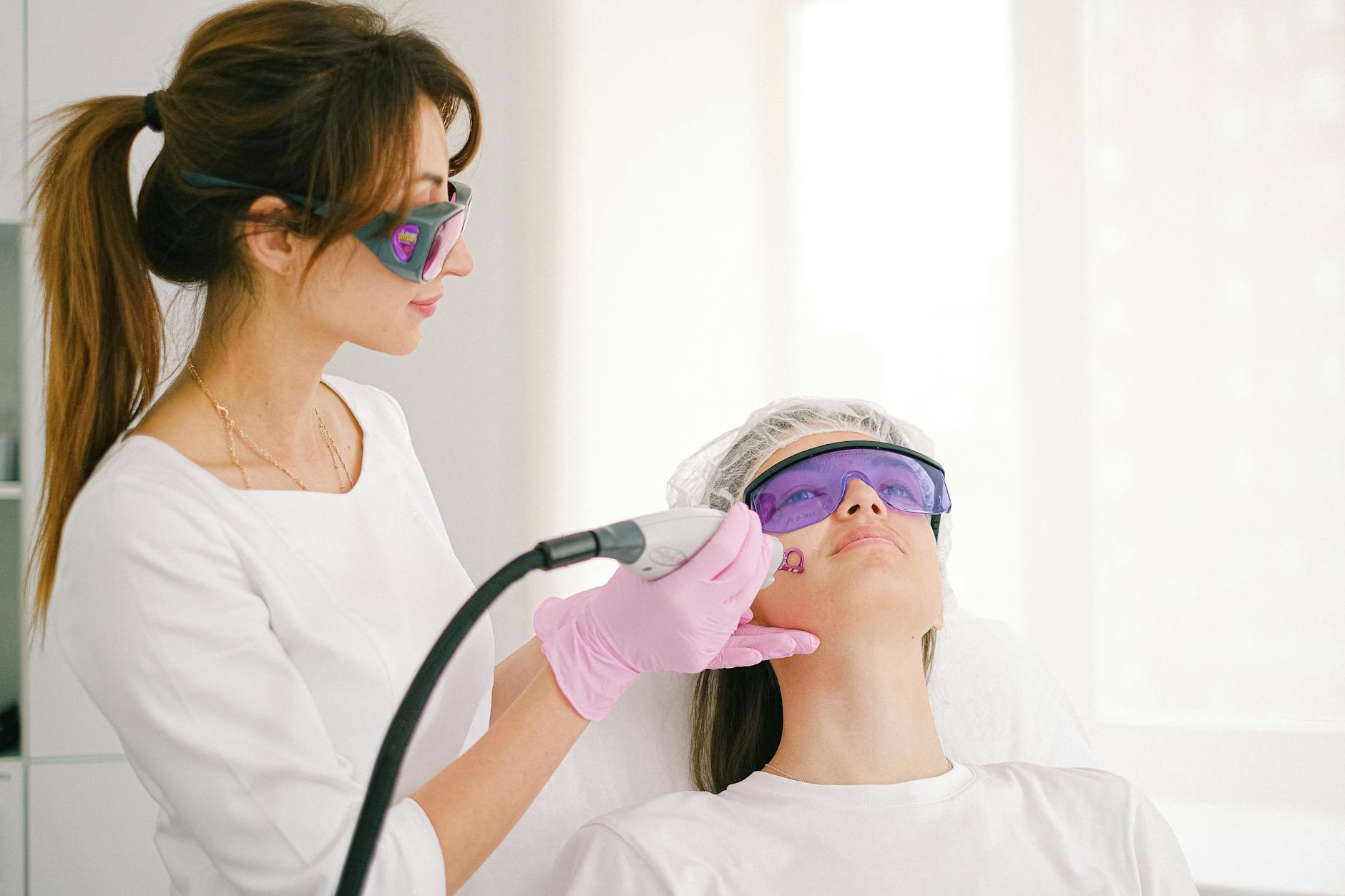
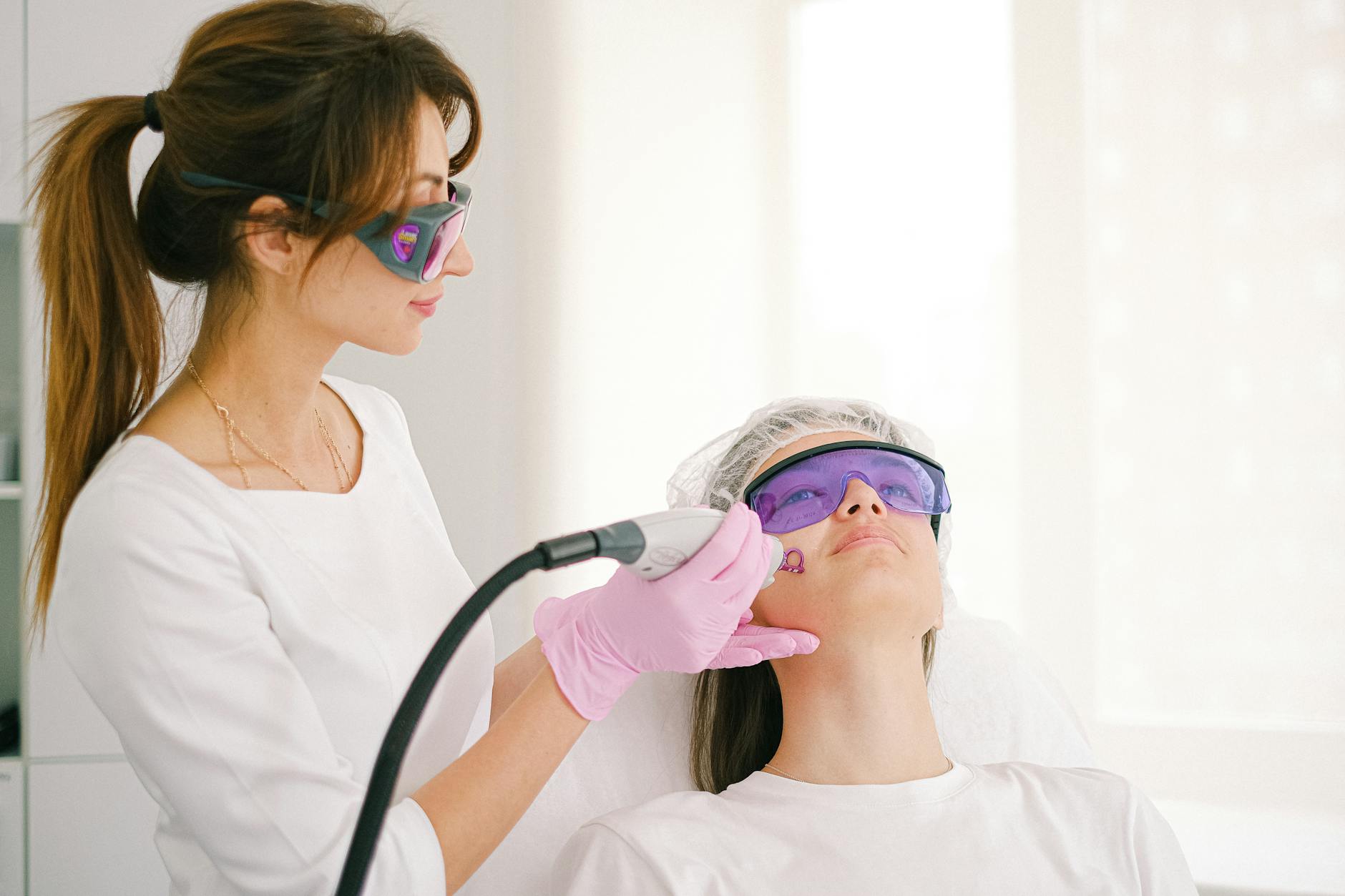
Q-switched lasers excel at treating various pigmentation disorders that develop over time or from sun exposure. These advanced laser systems target excess melanin in the skin without causing permanent scarring when performed correctly by trained professionals.
“Q-switched lasers can effectively reduce age spots by up to 90% in most patients within 2-4 treatment sessions.”
Age spots and sun damage represent the most common conditions treated with Q-switched technology. These brown patches typically appear on hands, face, and shoulders after years of UV exposure. The laser breaks down concentrated melanin deposits, allowing your body to naturally eliminate the pigment.
Melasma, those stubborn patches often triggered by hormonal changes, responds well to Q-switched treatments when combined with proper sun protection. Freckles and solar lentigines fade significantly after just one or two sessions.
Café-au-lait spots, the light brown birthmarks that can affect confidence, also respond to Q-switched laser therapy. For example, a patient with café-au-lait spots on their arm typically sees 50-80% lightening after three treatments spaced six weeks apart.
Tattoo Removal and Unwanted Ink

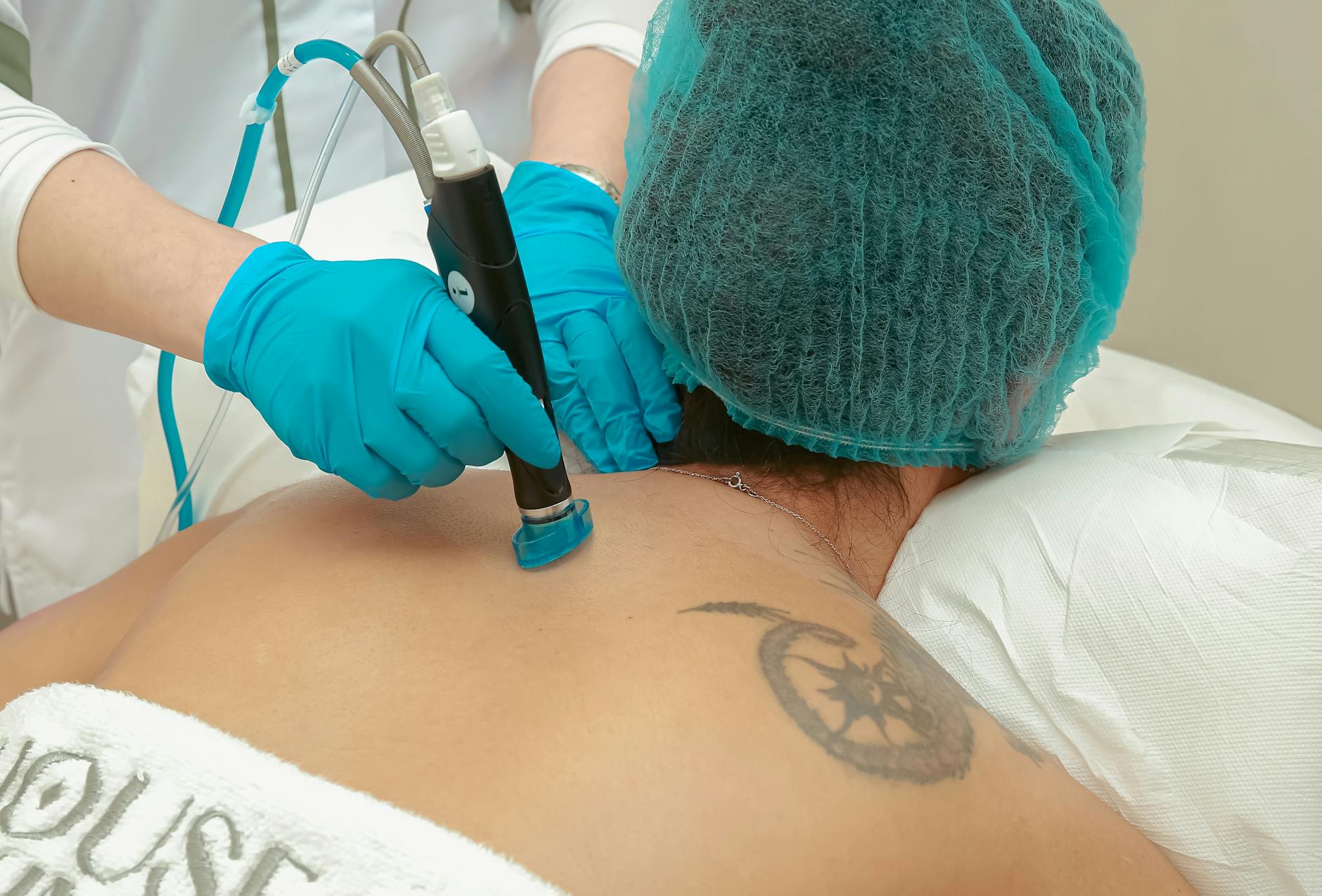
Q-switched lasers excel at breaking down tattoo pigments, but effectiveness varies significantly based on tattoo characteristics. Professional tattoos, created with dense, high-quality inks, typically require 8-12 sessions for complete removal. Amateur tattoos, often applied with lighter pressure and inconsistent ink density, respond faster with 4-8 sessions needed.
“Black and red inks respond best to Q-switched laser treatment, while yellow and green prove most challenging to remove.”
Different ink colors require specific laser wavelengths for optimal results. Black ink absorbs all wavelengths effectively, making it easiest to treat. Red responds well to green light wavelengths, while blue and green inks need red light. For multi-colored tattoos, dermatologists use multiple laser types during treatment sessions.
Scarring risks remain minimal when treatments follow proper protocols and aftercare instructions.
Benign Skin Lesions
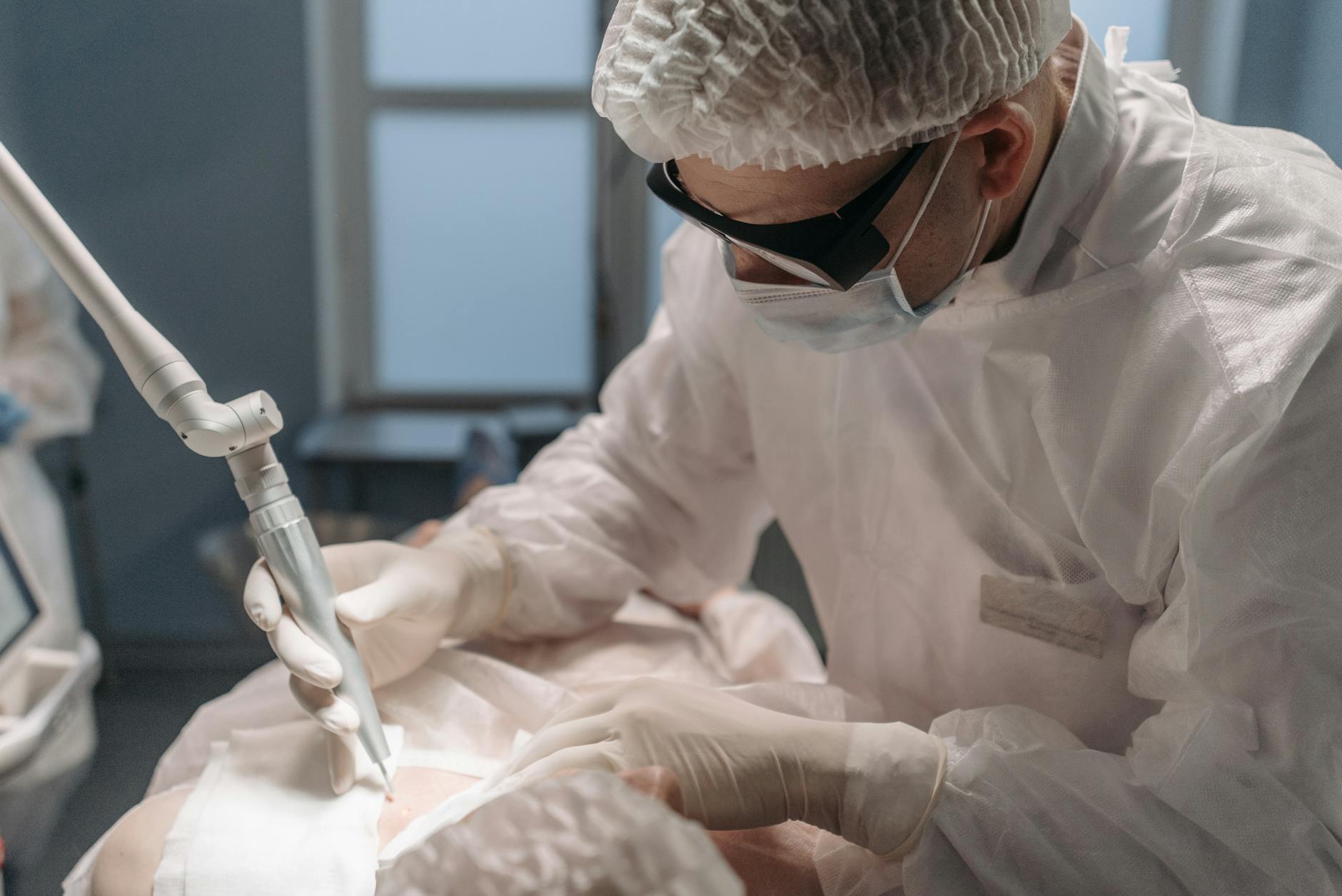
Q-switched lasers excel at treating various non-cancerous skin growths and discolored patches that can affect your confidence. These treatments specifically target abnormal pigmentation while leaving surrounding healthy skin intact, minimizing the risk of scarring that many patients worry about.
Seborrheic keratoses, those raised brown or black patches that often develop with age, respond well to Q-switched laser treatment. The laser breaks down excess melanin in these benign growths, gradually lightening their appearance over several sessions.
Nevus of Ota, a bluish-gray birthmark typically found around the eye area, shows significant improvement with Q-switched lasers. Post-inflammatory hyperpigmentation from acne or injuries also clears effectively, as does drug-induced pigmentation caused by medications like antimalarials or chemotherapy drugs.
Most patients see noticeable results within 4-6 sessions, with treatments spaced 6-8 weeks apart. Your dermatologist will assess each lesion individually to determine the best approach for your specific skin type and condition.
Combination Treatments and Alternative Options

Q-switched lasers often work better when combined with other treatments. Chemical peels pair particularly well with laser therapy for enhanced results. These acid treatments remove damaged skin layers through controlled chemical exfoliation, addressing acne scars, fine lines, age spots, and uneven skin tone.
Your dermatologist might recommend chemical peels alone when you have active skin infections or recent isotretinoin use, since these conditions make laser treatment risky. Chemical peels can also be gentler for sensitive skin types prone to scarring concerns.
Combination protocols typically start with chemical peels to prep the skin, followed by Q-switched laser sessions. This approach maximizes improvement while minimizing downtime. Some patients alternate between treatments every few weeks for optimal results.
Conditions Not Suitable for Q-Switched Laser
Q-switched laser treatment isn't appropriate for everyone. Active skin infections, open wounds, or inflammatory conditions like eczema or psoriasis in the treatment area require healing first. Pregnant women should postpone treatment due to safety concerns.
Darker skin tones (Fitzpatrick types IV-VI) face higher risks of permanent discoloration or scarring, making careful evaluation crucial. Recent sun exposure or tanning also disqualifies you temporarily, as it increases complication risks.
For active acne, chemical peels or topical retinoids work better than Q-switched lasers. Melasma often responds better to hydroquinone or chemical peels. Your dermatologist will recommend safer alternatives when Q-switched treatment poses risks, helping you achieve clear skin without permanent damage.
Always consult a qualified dermatologist to determine if Q-switched laser is safe for your specific skin type and condition.
Frequently Asked Questions
How effective are Q-switched lasers for removing age spots?
Q-switched lasers can effectively reduce age spots by up to 90% in most patients within 2-4 treatment sessions. These lasers target excess melanin in brown patches that typically appear on hands, face, and shoulders after years of UV exposure. The laser breaks down concentrated melanin deposits, allowing your body to naturally eliminate the pigment.
How many sessions does it take to remove a tattoo with Q-switched laser?
Professional tattoos typically require 8-12 sessions for complete removal, while amateur tattoos respond faster with 4-8 sessions needed. On average, most tattoos need 6-10 sessions for optimal results. The number of sessions depends on factors like tattoo size, ink density, colors used, and whether it was professionally or amateur applied.
Which tattoo colors are hardest to remove with Q-switched lasers?
Black and red inks respond best to Q-switched laser treatment, while yellow and green prove most challenging to remove. Black ink absorbs all wavelengths effectively, making it easiest to treat with a 95% removal rate. Different ink colors require specific laser wavelengths, and multi-colored tattoos often need multiple laser types during treatment sessions.
Can Q-switched lasers treat melasma and other pigmentation disorders?
Yes, Q-switched lasers effectively treat various pigmentation disorders including melasma, freckles, and solar lentigines. Melasma responds well when combined with proper sun protection, while freckles and solar lentigines fade significantly after just one or two sessions. These lasers target excess melanin without causing permanent scarring when performed correctly by trained professionals.
How much does Q-switched laser treatment cost per session?
The typical cost for Q-switched laser treatment is around $200 per session. Most patients require multiple sessions spaced 6-8 weeks apart for optimal results. The total cost will depend on the specific condition being treated and the number of sessions needed.
Disclaimer: This content is for informational purposes only and does not constitute medical advice. Always consult a qualified healthcare provider before making health decisions.